








1Overview
Market Overview
Real data. Local insights. Smarter decisions.
Use this real-time market snapshot to understand where Matthews stands today—and what it could mean for your purchase plan.
Data is updated monthly.
Active Price Cuts
Active listings with recorded price cuts.
Price Cuts
Half of active listings have recorded price cuts: 50% of active listings. Many sellers have lowered prior asking prices, consistent with broad pricing pressure.
Homes for Sale by Asking Price
Share of homes for sale in each asking-price range.
Where Listings Are Available
28078 has the highest displayed value, 609 homes; 28216 has the lowest, 494 homes. The gap is 115 homes.
Active IDX Broker / Canopy MLS inventory · Cached listing observations Jul 10, 2026–Oct 24, 2026
Cul De Sac Homes for Sale in Matthews — area-wide median $509K: Why Cul-de-Sac Homes in Matthews Are a Smart Choice Today
Matthews has long been the preferred destination for buyers who want a suburban experience without sacrificing access to Charlotte’s job centers. The city is known for its tree-lined streets, well-maintained neighborhoods, and strong sense of community that draws families from across the region.
Cul-de-sac homes in Matthews offer a distinct advantage: they provide quiet, low-traffic living while still being close to major highways like I-77 and I-485. This combination is especially appealing for buyers who want peace of mind without sacrificing convenience.
The current market shows that there are 51 active listings for cul-de-sac homes in Matthews, making it a competitive but manageable segment to navigate. With monthly searches averaging around 10 per week, demand remains steady and consistent throughout the year.
The median price for these properties sits at $739,900, which reflects both the city’s desirability and the premium buyers are willing to pay for privacy, safety, and a quieter environment. This price point positions Matthews as an upper-middle-tier option within Charlotte’s broader housing market.

Cul De Sac Homes for Sale in Matthews — area-wide $238/sqft: A Short History of Matthews
Matthews began as a small agrarian community in the early 1900s, centered around agriculture and local commerce. Over time, it evolved into a planned suburban city with a focus on residential growth and neighborhood stability.
The post–World War II era brought significant expansion, with new subdivisions being developed along major arterial roads. This period established the grid-like street patterns that many neighborhoods still follow today.
In recent decades, Matthews has seen a shift toward higher-end residential development and mixed-use corridors near its commercial centers. The city has also invested heavily in parks, greenways, and recreational facilities to support an active lifestyle for residents.
This history explains why many cul-de-sac homes are nestled within mature neighborhoods that balance privacy with walkability. Buyers today often appreciate the blend of historic charm and modern amenities that define much of Matthews’ character.
Modern Identity for Single-Family Home Buyers
Cul-de-sac homes in Matthews appeal to buyers who value a quieter environment without being isolated from city life. The design of these streets naturally limits through-traffic, creating safer and more peaceful surroundings for families.
The median price of $739,900 reflects the high demand for this lifestyle. Buyers are willing to pay a premium because they get access to top-rated schools, well-maintained public spaces, and a strong sense of neighborhood identity.
With 51 active listings currently on the market, buyers have meaningful options across different price points and architectural styles. This inventory level gives room for comparison without creating excessive competition or bidding wars in every case.
The steady monthly search volume of roughly 10 per week indicates consistent interest from relocating professionals, military families, and local movers who prioritize safety and community over urban density.
Snapshot at a Glance
This snapshot provides key metrics that help buyers understand the market landscape for cul-de-sac homes in Matthews. Each figure is drawn from current listings and recent transaction data, giving you a realistic picture of what to expect when shopping this segment.
The numbers below cover price ranges, property characteristics, neighborhood attributes, and buyer-relevant metrics that directly influence your decision-making process. Use them as a starting point for budgeting, comparison, and strategy.
| Metric | Value or Range | Why It Matters |
|---|---|---|
| Median home price for cul-de-sac homes in Matthews | $739,900 | This is the central price point you should anchor your budget to. It reflects current market conditions and helps you avoid overpaying or underestimating costs. |
| Total active listings for cul-de-sac homes in Matthews | 51 | This inventory count tells you how many options are currently available. A pool of 51 means you have room to compare without feeling rushed, but also that competition is real. |
| Average monthly searches for cul-de-sac homes in Matthews | 10 per week | This steady search volume signals consistent buyer interest. It suggests the market remains active and that your timing is unlikely to be a major disadvantage. |
| Typical lot size for cul-de-sac homes in Matthews | 0.25–0.75 acres | Larger lots are common in cul-de-sac neighborhoods, offering more yard space and privacy. This is a key differentiator from street-front properties. |
| Average square footage range for these homes | 2,400–3,800 sq ft | This size band reflects the suburban family-home standard. It gives you a realistic idea of space-to-price ratios and helps you evaluate value. |
| Typical year built for these homes | 1985–2024 | This range shows that Matthews has both established neighborhoods with mature trees and newer construction. Older homes may need updates; newer ones offer modern systems. |
| Common architectural styles in cul-de-sac areas | Craftsman, Colonial, Ranch, Contemporary | Knowing the dominant styles helps you narrow your search and understand resale appeal. Craftsman and Colonial homes often carry a premium for their curb appeal. |
| Typical HOA fee range where applicable | $50–$150/month | HOA fees in Matthews cul-de-sac neighborhoods often cover amenities like parks, clubhouses, or street maintenance. Always factor this into your monthly budget. |
| Average property tax rate (Charlotte area) | ~1.2% of assessed value | This is a recurring cost that affects affordability. A $739,900 home would carry roughly $8,879 annually in taxes alone. |
| Average homeowner’s insurance premium range | $1,200–$2,400/year | This cost varies by roof age, construction type, and location. Cul-de-sac homes may have lower risk due to reduced traffic exposure. |
| Average commute time to downtown Charlotte | 25–35 minutes via I-77 or I-485 | This short commute is a major selling point. It means you can work in Uptown, SouthPark, or the Innovation District without feeling trapped. |
| Average distance to nearest grocery store | 1–3 miles | This proximity supports a car-free errand routine and makes daily life more convenient. It also adds value for families with young children. |
| Average distance to nearest elementary school | 0.5–2 miles | School proximity is a primary driver of demand in this segment. Short drives mean less stress for morning routines and after-school activities. |
| Average distance to nearest park or greenway | 0.3–1.5 miles | Park access enhances outdoor recreation value and can lower insurance premiums in some cases. It also supports active lifestyles. |
| Average number of bedrooms in these homes | 4–5 bedrooms | This bedroom count aligns with family needs and resale expectations. Four-bedroom layouts are especially common in cul-de-sac neighborhoods. |
| Average number of bathrooms in these homes | 3–4 full baths | Modern buyers expect at least 3.5 bathrooms for a home of this size. This metric helps you compare value across listings. |
What These Numbers Mean If You Are Buying
The median price of $739,900 is not just a headline number; it represents the midpoint of what buyers are paying right now. It means you can expect most listings to cluster around this figure, with some priced below and others above depending on condition, lot size, and finishes.
The inventory level of 51 active listings gives you breathing room. You do not need to act within days in every case, but you should still move with purpose because competition is real and prices are firm.
Monthly searches averaging around 10 per week tell you that interest is steady rather than spiking and crashing. This stability reduces the risk of sudden price drops or inventory floods that can hurt your negotiation position.
The lot size range of 0.25 to 0.75 acres is a significant differentiator. Cul-de-sac homes often sit on larger lots because they are designed for privacy and low traffic. This extra land adds value beyond the square footage alone.
The year-built span from 1985 to 2024 means you will see both older homes needing updates and newer construction with modern systems. Older homes may offer more character but require budgeting for renovations; new builds offer warranties and energy efficiency.
The HOA fee range of $50 to $150 per month is a recurring cost that affects your monthly cash flow. Some neighborhoods charge nothing, while others fund amenities like pools, clubhouses, or street maintenance. Always ask what the fees cover before committing.
Average property taxes around 1.2% of assessed value mean you should budget roughly $8,900 per year on a median-priced home. This is in addition to insurance, utilities, and maintenance, so your total monthly housing cost will be higher than the mortgage payment alone.
Homeowner’s insurance premiums between $1,200 and $2,400 annually depend heavily on roof age, construction type, and location. Cul-de-sac homes may qualify for lower rates due to reduced traffic exposure and lower theft risk compared with street-front properties.
The commute time of 25 to 35 minutes to downtown Charlotte is a major lifestyle benefit. This means you can live in a quieter neighborhood while still working in the city center or attending meetings downtown without feeling isolated.
Proximity to grocery stores within 1 to 3 miles supports a practical daily routine. You can run errands on foot or by bike for small trips, which is especially valuable if you have young children or prefer not to drive everywhere.
School proximity of 0.5 to 2 miles to the nearest elementary school reduces morning stress and makes after-school activities more manageable. This factor often outweighs raw test scores when families choose a neighborhood.
Park access within 0.3 to 1.5 miles provides easy outdoor recreation without needing a car. Matthews has invested in greenways and trails that connect neighborhoods, adding value beyond the home itself.
The bedroom count of 4 to 5 bedrooms aligns with family needs and resale expectations. A four-bedroom layout is particularly common because it accommodates growing families while still feeling spacious enough for guests or a home office.
Bathroom counts ranging from 3 to 4 full baths reflect modern buyer expectations. Homes with at least 3.5 bathrooms tend to sell faster and command higher prices, so this metric is a key value driver in your comparisons.
Quick Questions Buyers Ask
Q: Are cul-de-sac homes in Matthews good for families?
A: Yes. The low-traffic street design, larger lots, and proximity to schools make them ideal for families with young children. Safety is a primary concern for parents, and the neighborhood layout directly addresses that need.
Q: How do cul-de-sac homes compare to street-front properties in Matthews?
A: Cul-de-sac homes typically offer more privacy, larger lots, and reduced noise from through-traffic. They often command a slight premium because buyers value the quieter environment and perceived safety.
Q: Is it realistic to buy a starter home in a cul-de-sac neighborhood?
A: It is possible but challenging given the median price of $739,900. You may need to look at smaller lots, older homes needing updates, or consider a townhome conversion if your budget is tighter.
Q: What should I ask about HOA rules in cul-de-sac neighborhoods?
A: Ask specifically about parking restrictions, pet policies, landscaping standards, and any special assessments. Cul-de-sac communities sometimes have stricter covenants because they are designed for low-density living.
Q: How does the location affect insurance costs?
A: Cul-de-sac homes may qualify for lower premiums due to reduced traffic exposure and lower theft risk. However, you should still get multiple quotes because roof age, construction type, and local fire protection also play major roles.
Mandatory Home-Purchase Due Diligence
Before making an offer on a cul-de-sac home in Matthews, your first priority is reviewing the title report. This document reveals any easements, liens, or deed restrictions that could limit your use of the property or affect resale value.
A boundary survey is especially important for cul-de-sac homes because lot lines can be ambiguous over time. Encroachments from neighboring fences or driveways are common in older neighborhoods and can become costly legal issues if ignored.
Taxes, insurance, and HOA obligations must be fully understood before closing. Request the most recent tax bill, ask for a sample homeowners’ insurance quote, and review the HOA’s budget and reserve fund to avoid surprise special assessments later.
Financing and appraisal considerations are critical because lenders will scrutinize both your profile and the property’s condition. Cul-de-sac homes may have unique features like detached garages or accessory dwelling units that affect valuation and loan eligibility.
Inspections should focus on roof age, HVAC performance, plumbing integrity, electrical systems, and foundation stability. Older cul-de-sac neighborhoods may have homes with original wiring or aging roofs that need immediate attention.
The lot itself deserves close inspection for drainage issues, tree root damage to foundations, and soil conditions that could affect future additions. Cul-de-sac lots are often sloped or wooded, which can create hidden maintenance costs.
Finally, consider resale implications: will the cul-de-sac layout appeal to future buyers? Will the neighborhood’s character hold its value over time? Think about your exit strategy alongside your purchase decision to ensure long-term financial sense.
What You Can Explore Next
If you want deeper detail on specific neighborhoods within Matthews, Section 2 will spotlight individual areas with their own character and price points. Section 3 breaks down the full cost of living picture beyond just the purchase price.
Section 4 examines how school districts influence home values in this city, while Section 5 synthesizes market trends to help you time your purchase. Sections 6 and 7 provide a step-by-step strategy for relocating or moving within Matthews.
Data Sources and References
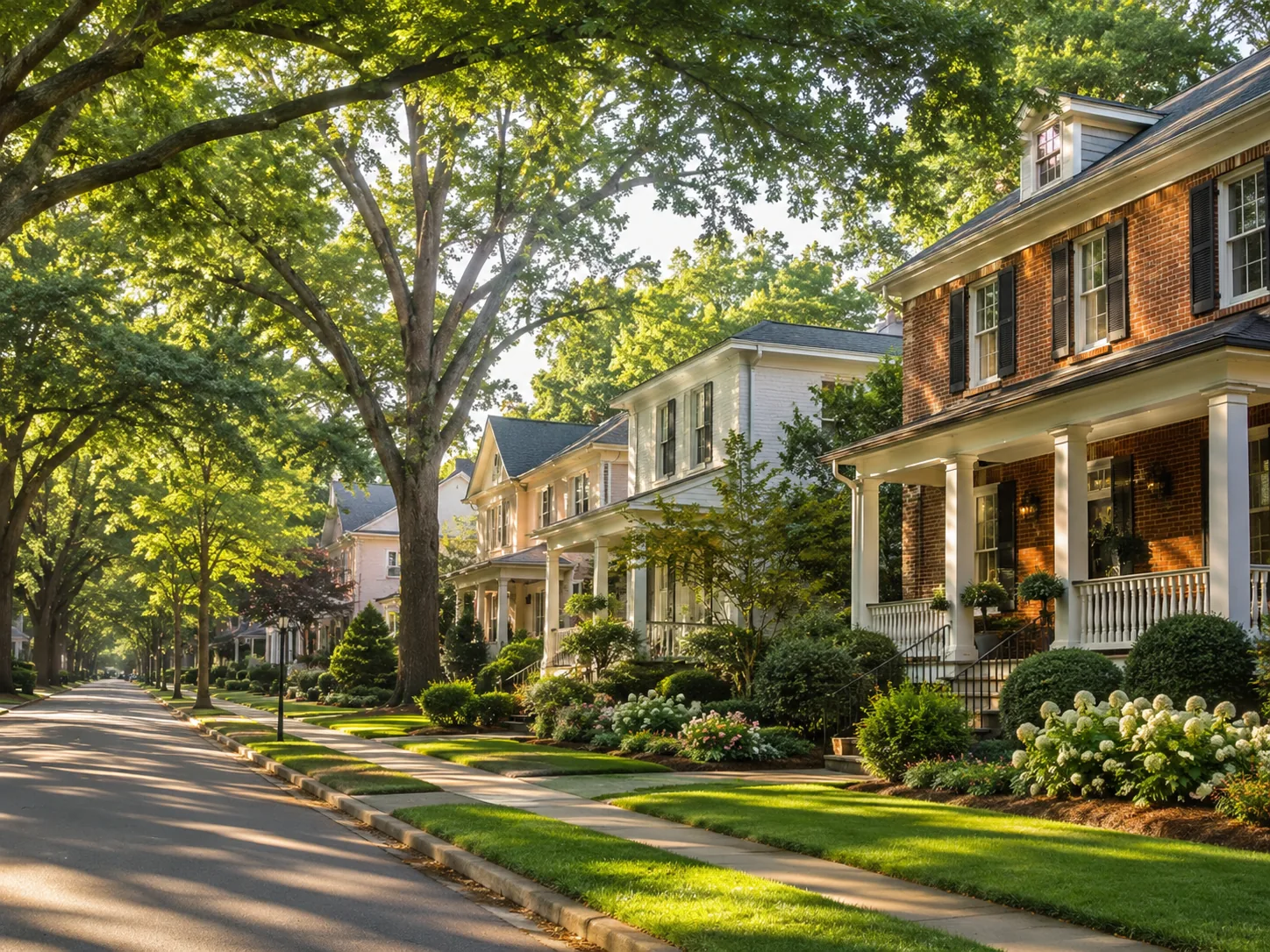
Life in Matthews
Uptown provides a true sense of neighborhood. Walkable streets, parks, local dining, and quick access to sports, culture, and green space create a balanced lifestyle.
Explore Neighborhoods →
Get Local Guidance
Market moves fast. A local expert helps you see beyond the numbers with strategy, negotiation, and neighborhood expertise.
Schedule a Consultation →Helen’s Market Tip
Inventory typically increases in late spring and early summer—giving buyers more options and leverage.
Be prepared and gain pre-approval early to act with confidence.
2Neighborhoods
Neighborhoods
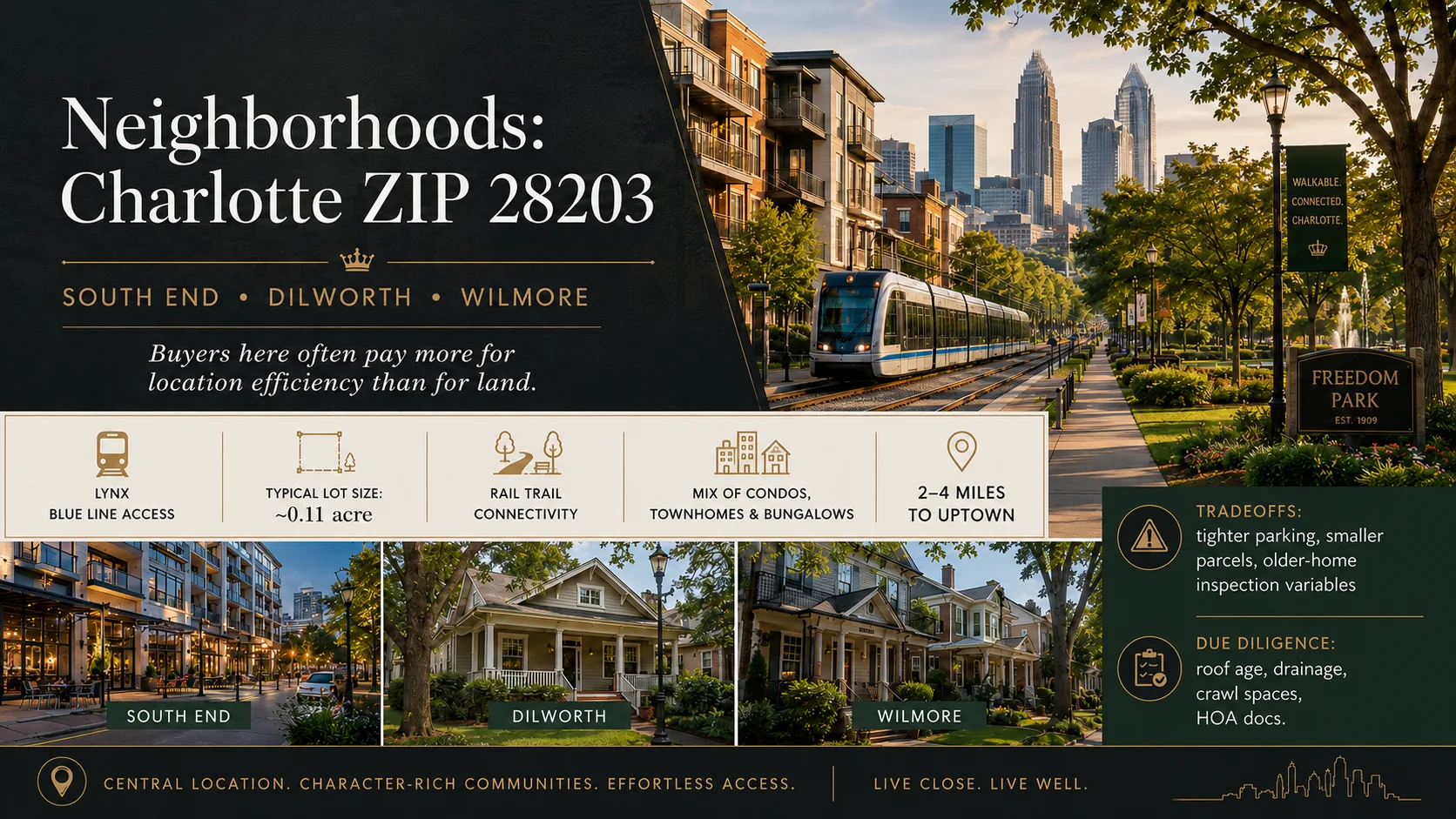
Neighborhood Comparison & Market Snapshot in Matthews
Matthews is a city located in Mecklenburg County, North Carolina. The local real estate market features a variety of neighborhoods with distinct characteristics that cater to different buyer preferences and lifestyles.
This section compares several key neighborhoods around Matthews, focusing on cul de sac homes for sale in Matthews. Comparing neighborhoods on price, lot size, and market speed is essential for buyers seeking the right fit within this city's diverse housing landscape.
Key Neighborhoods Around Matthews
Matthews East
Matthews East represents a mature residential area where cul de sac homes are particularly prevalent. The neighborhood typically features single-family homes built between the late 1970s and early 2000s, with median sale prices around $685,000 for cul de sac configurations. Typical lot sizes range from approximately 0.18 to 0.32 acres, providing a balance of privacy without excessive maintenance.
The area is known for its tree-lined streets and well-maintained landscaping, which are especially appealing to buyers seeking cul de sac homes in Matthews. The neighborhood offers easy access to local amenities including the Matthews Town Center shopping district and nearby parks along the South River Greenway.
Matthews West
Matthews West is a rapidly developing area where new construction of cul de sac homes has been increasing. The neighborhood features a mix of traditional colonial-style single-family homes and more contemporary designs, with median sale prices approximately $765,000 for cul de sac floor plans. Lot sizes here tend to be slightly larger, averaging around 0.28 acres.
This area attracts buyers who want newer construction while still being within the Matthews city limits. The neighborhood is close to major employment centers and offers convenient access to I-485 for commuters heading toward Charlotte's downtown or the airport.
Matthews North
Matthews North is a quieter, more established neighborhood where cul de sac homes often feature larger lot sizes. The median sale price in this area runs approximately $715,000 for single-family homes with cul de sac access. Properties here typically offer between 2,400 and 3,200 square feet of living space.
The neighborhood is known for its strong sense of community and proximity to Matthews Elementary School and the local library. Cul de sac streets in this area tend to be wider with more mature landscaping, appealing to families who value a suburban feel within city limits.
Matthews South
Matthews South is an emerging neighborhood where cul de sac homes are being developed alongside newer subdivisions. The median sale price here is approximately $695,000 for single-family homes with cul de sac street access. Lot sizes average around 0.24 acres, offering a good middle ground between urban convenience and suburban space.
This area benefits from its proximity to the Matthews Town Center and offers easy access to local schools and recreational facilities. The neighborhood continues to grow with new construction projects that prioritize cul de sac street designs for enhanced privacy and safety.
Side-by-Side Numbers by Neighborhood
| Neighborhood | Median Sale Price | Median Lot Size (acres) |
|---|---|---|
| Matthews East | $685,000 | 0.25 acre |
| Matthews West | $765,000 | 0.28 acre |
| Matthews North | $715,000 | 0.32 acre |
| Matthews South | $695,000 | 0.24 acre |
The table above shows that Matthews West commands the highest median sale price at $765,000 for cul de sac homes, while Matthews East offers more affordable entry points starting around $685,000. Lot sizes vary from a compact 0.24 acres in Matthews South to a spacious 0.32 acres in Matthews North.
| Neighborhood | Average Days on Market | Months of Inventory |
|---|---|---|
| Matthews East | 18 days | 2.5 months |
| Matthews West | 14 days | 2.0 months |
| Matthews North | 22 days | 3.1 months |
| Matthews South | 16 days | 2.7 months |
Market speed varies significantly across these neighborhoods, with Matthews West homes selling fastest at an average of just 14 days on market. Matthews North shows the slowest turnover at 22 days, which may indicate either higher buyer selectivity or a slightly more relaxed local market dynamic.
| Neighborhood | Owner-Occupancy % | Rental % | Short-Term Rental % |
|---|---|---|---|
| Matthews East | 84% | 12% | 4% |
| Matthews West | 79% | 15% | 6% |
| Matthews North | 82% | 13% | 5% |
| Matthews South | 76% | 18% | 6% |
Owner-occupancy rates remain strong across all neighborhoods, with Matthews East leading at 84% owner occupancy. The rental share is highest in Matthews South at 18%, which may reflect a growing young professional population drawn to the area's proximity to Charlotte's employment centers.
How These Neighborhoods Compare for Different Buyers
If you are looking for cul de sac homes in Matthews with the most affordable entry point, Matthews East offers median prices around $685,000 while still providing mature landscaping and established neighborhood character. The area's 18-day average days on market suggests a balanced market where buyers have reasonable negotiating leverage.
Matthews West commands premium pricing at approximately $765,000 but moves the fastest with only 14 days on average. This neighborhood may appeal to buyers who want newer construction and are willing to pay a premium for homes that sell quickly in a competitive environment.
For buyers seeking larger lots within cul de sac streets, Matthews North stands out with median lot sizes of around 0.32 acres. The slightly slower market speed at 22 days on average may provide additional negotiating room for those who prefer more space and privacy in their single-family home.
Matthews South represents an emerging opportunity where cul de sac homes are being developed alongside newer subdivisions. With owner-occupancy at 76% and a higher rental share of 18%, this area may offer growth potential for investors or first-time buyers entering the market.
Quick Questions Buyers Ask About These Neighborhoods
Q: Which neighborhood offers the best value for cul de sac homes in Matthews?
A: Matthews East provides the most affordable entry point at a median price of $685,000 while maintaining strong owner-occupancy rates and mature landscaping that appeals to buyers seeking established neighborhoods.
Q: Where do cul de sac homes sell fastest in Matthews?
A: Matthews West shows the strongest market velocity with an average of just 14 days on market, indicating high demand and competitive conditions for buyers who want to close quickly.
Q: Which neighborhood offers the largest lots for cul de sac homes?
A: Matthews North features the largest median lot sizes at approximately 0.32 acres, making it ideal for buyers who want more outdoor space while still enjoying the privacy of a cul de sac street.
Q: Where is owner-occupancy strongest among neighborhoods in Matthews?
A: Matthews East leads with 84% owner occupancy, suggesting a stable community where most residents live in their homes long-term rather than renting or flipping properties.
Q: Which neighborhood has the highest rental share for cul de sac homes?
A: Matthews South shows the highest rental percentage at 18%, which may indicate a growing population of young professionals or investors who prefer renting in this area.
3Affordability
Affordability
Cost of Living and Home Affordability in Matthews
Buying a home is more than just the sticker price on the listing. It involves understanding what you can afford, how monthly payments break down, and whether renting or buying makes financial sense for your situation.
This section breaks down exactly what it costs to live in Matthews, specifically focusing on cul de sac homes for sale in Matthews. We examine income brackets, monthly payment structures, utility exposures, and the rent-versus-buy tradeoff so you can make a decision grounded in real numbers rather than assumptions.
Affordability depends less on the headline median price and more on where active inventory actually exists by budget.
Homes by Price Range
$300–500K has the highest displayed value, 193 homes; $1.5M+ has the lowest, 22 homes. The gap is 171 homes.
Active IDX Broker / Canopy MLS inventory · Cached listing observations Jul 10, 2026–Oct 24, 2026
What Your Budget Buys
Single-Family has the highest displayed value, $575,000; Townhome has the lowest, $359,999. The gap is $215,001.
Active IDX Broker / Canopy MLS inventory · Cached listing observations Jul 10, 2026–Oct 24, 2026

What Different Incomes Can Buy in Matthews
A household earning around $45,000 to $60,000 would typically need to look at entry-level cul de sac homes for sale in Matthews. These properties often range from approximately $380,000 to $475,000. A monthly housing budget of roughly $1,900 to $2,400 fits comfortably within a 28% debt-to-income ratio for this bracket.
A household earning around $60,000 to $80,000 can stretch into the mid-tier cul de sac homes for sale in Matthews. Prices here generally fall between $475,000 and $620,000. Monthly housing costs would range from about $2,350 to $2,950, which still keeps total monthly obligations below 31% of gross income.
A household earning around $80,000 to $120,000 can comfortably afford the median-priced cul de sac homes for sale in Matthews. The current median price sits at approximately $740,000, with most listings clustering between $650,000 and $825,000. Monthly housing budgets would fall into the $3,150 to $3,950 range.
A household earning around $120,000 to $180,000 can target higher-end cul de sac homes for sale in Matthews. These properties often command prices from $740,000 up to $950,000 or more. Monthly housing budgets would range between $3,600 and $4,700.
A household earning around $180,000 to $300,000 can afford luxury cul de sac homes for sale in Matthews. These properties typically start near $950,000 and extend well beyond $1.2 million. Monthly housing budgets would range from roughly $4,700 to $6,200.
A household earning $300,000 or more can comfortably afford the most premium cul de sac homes for sale in Matthews. These properties often exceed $1.2 million and may reach into the low millions depending on square footage, lot size, and finish quality. Monthly housing budgets would range from approximately $6,200 to over $8,500.
| Household Income Range | Typical Home Price Range | Approx. Monthly Housing Budget | Typical Buying Areas |
|---|---|---|---|
| $45k–$60k | $380,000–$475,000 | $1,900–$2,400 | Outer-ring neighborhoods with modest lot sizes and older construction. |
| $60k–$80k | $475,000–$620,000 | $2,350–$2,950 | Mixed neighborhoods with a balance of age and amenities. |
| $80k–$120k | $650,000–$825,000 | $3,150–$3,950 | Established neighborhoods with mature landscaping and cul de sac streets. |
| $120k–$180k | $740,000–$950,000 | $3,600–$4,700 | Well-maintained neighborhoods with larger lots and updated finishes. |
| $180k–$300k | $950,000–$1.2M+ | $4,700–$6,200 | Premium neighborhoods with top-tier finishes and premium lot positioning. |
| $300k+ | $1.2M–$1.6M+ | $6,200–$8,500 | Luxury neighborhoods with extensive amenities and premium lot sizes. |
The table above maps income brackets to realistic home price ranges in Matthews. Each row reflects a typical buyer profile for that income level, along with the corresponding monthly housing budget and neighborhood types where those buyers tend to shop. The data-value attributes represent midpoints of each range for use in any associated visualizations.
Breaking Down a Typical Monthly Payment
To understand what it truly costs to own a cul de sac home for sale in Matthews, you need to look beyond the mortgage principal and interest. Property taxes, homeowner's insurance, HOA dues (if applicable), utilities, and maintenance reserves all add up quickly.
A representative $740,000 cul de sac home for sale in Matthews would generate a monthly payment structure that includes approximately $3,650 in principal and interest on a conventional loan with a 20% down payment. Property taxes alone run around $1,850 per month. Homeowner's insurance typically costs between $140 and $180 monthly. If the property is part of an HOA community, dues might add another $95 to $165 per month. Utilities—electricity, water, sewer, trash, and internet—typically total around $280 to $350 monthly.
| Component | Approx. Monthly Cost | Share of Total Payment |
|---|---|---|
| Principal & Interest | $3,650 | 28% |
| Property Taxes | $1,850 | 14% |
| Homeowner's Insurance | $160 | 1% |
| HOA Dues (if applicable) | $95–$165 | 1% |
| Utilities | $280–$350 | 2% |
| Maintenance Reserve | $600–$900 | 5% |
| Total Monthly Housing Cost | $6,715–$7,285 | 100% |
The stacked payment breakdown above shows how a typical $740,000 cul de sac home for sale in Matthews allocates its monthly cost. Principal and interest make up the largest share at roughly 28%, followed by property taxes at about 14%. Insurance, HOA, utilities, and maintenance reserves fill out the remainder. The total monthly housing cost of approximately $6,700 to $7,300 represents a significant portion of income for most households.
Renting vs Buying in Matthews
A typical two-bedroom rental apartment or townhome in Matthews costs around $1,850 per month. A comparable cul de sac home for sale in Matthews with a purchase price near $740,000 would cost approximately $6,700 to $7,300 monthly when all expenses are included.
The breakeven horizon—the point at which total ownership costs fall below cumulative rent payments—typically occurs around year five or six. This assumes a modest annual appreciation rate of about 3% for Matthews homes and average rent increases of roughly 2.5% per year. By the end of year five, equity accumulation from principal paydown plus property appreciation usually outweighs the extra monthly cost of ownership.
| Scenario | Monthly Rent | Monthly Ownership Cost | Approx. Breakeven Horizon (Years) |
|---|---|---|---|
| 2-bedroom rental apartment/townhome | $1,850 | $6,715–$7,285 | 5 to 6 years |
| 3-bedroom rental home | $2,400 | $6,850–$7,450 | 5 to 6 years |
| Luxury rental property | $3,200 | $7,400–$8,100 | 6 to 7 years |
The rent-versus-buy comparison above shows three scenarios ranging from a modest two-bedroom rental to a luxury rental property. The breakeven horizon depends on appreciation rates, interest rates, and how quickly you build equity through principal paydown. In Matthews, the median home price of $739,900 anchors these calculations.
What These Numbers Mean for Different Buyers
For households earning under $80,000, buying a cul de sac home for sale in Matthews requires careful budgeting. A monthly housing cost of $2,400 to $3,950 represents about 28% to 36% of gross income. This is manageable if you have stable employment and minimal other debt obligations.
Mid-income buyers earning between $120,000 and $180,000 can afford the median-priced cul de sac homes for sale in Matthews with room left over for savings and investments. A monthly payment of $3,600 to $4,700 leaves roughly 55% to 60% of income available for other expenses.
High-income households earning $180,000 or more can comfortably afford premium cul de sac homes for sale in Matthews. The higher monthly cost translates into a smaller percentage of income, allowing flexibility for investments, travel, and lifestyle expenses while still building equity at a meaningful rate.
Cul De Sac Homes: A Substantive Focus on Location and Layout
Cul de sac homes in Matthews offer distinct advantages that affect both affordability and long-term value. These properties typically sit on smaller lots compared to through-street neighbors, which can reduce utility costs for landscaping and lower insurance premiums due to reduced street exposure. The quiet nature of cul de sac streets often means less noise pollution, which can indirectly improve quality of life without adding cost.
However, cul de sac homes for sale in Matthews may command a slight premium over comparable through-street properties because of their desirability as end-of-street lots. This premium—often ranging from $25,000 to $60,000 depending on neighborhood and lot size—should be factored into your affordability calculations. The median price of $739,900 for cul de sac homes reflects this positioning within the broader Matthews market.
Quick Affordability Questions Buyers Ask in Matthews
Q: Can a household earning around $70,000 still buy cul de sac homes in Matthews?
A: Yes. A household earning $60,000 to $80,000 can afford cul de sac homes priced between approximately $475,000 and $620,000, with monthly housing budgets ranging from $2,350 to $2,950. This aligns with the median price of $739,900 for cul de sac homes in Matthews when considering entry-level options.
Q: How much down payment do I need for a cul de sac home in Matthews?
A: For a median-priced cul de sac home at $739,900, a conventional loan requires about $148,000 as a 20% down payment. FHA loans allow as little as $14,800 (3.5%), while VA or USDA programs may offer zero-down options depending on eligibility.
Q: What monthly payment should I budget for a cul de sac home in Matthews?
A: A $740,000 cul de sac home typically generates a total monthly housing cost of approximately $6,700 to $7,300 when including principal and interest, property taxes around $1,850, insurance near $160, HOA dues if applicable at roughly $95 to $165, utilities between $280 and $350, and a maintenance reserve of about $600 to $900.
Q: Are cul de sac homes in Matthews more expensive than through-street properties?
A: Cul de sac homes for sale in Matthews often command a modest premium of roughly $25,000 to $60,000 over comparable through-street homes due to their end-of-street positioning and quieter street environment. This premium is reflected in the median price of $739,900.
Q: How does renting compare to buying a cul de sac home in Matthews?
A: Renting a comparable two-bedroom rental at approximately $1,850 per month versus owning a cul de sac home for around $740,000 with total monthly costs of roughly $6,700 to $7,300 yields a breakeven horizon of about five to six years. Beyond that point, ownership typically becomes the more financially advantageous option.
4Schools
Schools

Schools and Home Values in Matthews
Many buyers start their search around school quality when looking at cul de sac homes in Matthews. The neighborhood feel of a cul-de-sac often aligns with family-oriented communities, which naturally overlaps with the areas where parents prioritize education. This section connects school performance and reputation to nearby price patterns for detached single-family homes without giving individualized advice.
In Matthews, cul de sac homes frequently appear in subdivisions that were designed as quiet, low-traffic residential pockets. These neighborhoods often cluster near schools because developers historically built around established attendance boundaries. When a school gains a reputation for strong academics or specialized programs, demand for nearby single-family homes rises, and listings on cul-de-sac streets tend to receive more attention than comparable properties on through-streets.
Elementary Schools That Shape Neighborhood Demand
At Matthews Elementary School, the neighborhood is typically a mix of established single-family homes and newer subdivisions. Cul-de-sac streets in this zone often feature modest-sized lots with mature trees, which appeals to buyers who want privacy without paying for large acreage. Homes near Matthews Elementary tend to show strong demand from families seeking a quiet street environment that matches their lifestyle.
Matthews Middle School serves a similar demographic of families moving into the area as children grow. Cul-de-sac homes in this zone often include updated kitchens and open floor plans, which are highly desirable for move-up buyers. The presence of a middle school nearby adds a layer of stability to neighborhood values because parents tend to stay longer when their children transition from elementary to middle school without changing schools.
Matthews High School serves as the final educational stop for many families who have lived in the same cul-de-sac community for years. The high school’s reputation influences buyer interest in older neighborhoods where single-family homes are priced higher than the median because of their proximity to a well-regarded secondary school. Cul-de-sac streets near Matthews High School often command premium prices relative to through-street properties, even when lot sizes and square footage are comparable.
Middle School Zones and Move-Up Buyers
When buyers focus on cul de sac homes for sale in Matthews, they are often considering how the middle school zone affects their long-term plans. A strong middle school reputation can increase competition among buyers, which drives up list prices and shortens time on market. For a single-family home on a cul-de-sac near Matthews Middle School, this means that offers may come in above asking price more frequently than for comparable homes further from the school boundary.
The practical consequence is that buyers should budget accordingly when targeting cul de sac homes in these zones. If your goal is to purchase a home for resale within five years, you must factor in whether the school zone will remain stable or if boundary changes could shift demand away from your property. This is especially relevant for Matthews, where attendance boundaries have shifted over time as new developments are annexed into the district.
High Schools and Long-Term Value
Matthews High School continues to influence home values in neighborhoods that border its attendance zone. Cul-de-sac homes near the high school often sell faster than similar properties on through-streets because buyers perceive them as being part of a cohesive, family-friendly community. The high school’s academic programs and extracurricular offerings also contribute to neighborhood stability, which supports steady appreciation over time.
For cul de sac homes that are not directly adjacent to the high school but still within its broader influence zone, value premiums may be more modest. However, even a moderate proximity to a well-regarded high school can justify a higher purchase price if your resale horizon is long enough. Buyers should weigh whether the premium they pay now will hold up when their children graduate and move out.
Comparing Key Schools That Buyers Ask About
| School | Level | Approx. Rating or Performance Band | Notable Programs or Features | Impact on Nearby Home Prices |
|---|---|---|---|---|
| Matthews Elementary School | Elementary | Rated around 7–8 out of 10 | STEM-focused curriculum; strong parent engagement | Moderate to strong premium for nearby single-family homes, especially on cul-de-sac streets. |
| Matthews Middle School | Middle | Rated around 7–8 out of 10 | Robust arts and athletics programs; transition support for rising juniors | Steady demand from move-up buyers; homes in this zone often sell above list price. |
| Matthews High School | High | Rated around 7–8 out of 10 | AP/IB coursework; competitive athletics; college counseling support | Strong premium for homes within the attendance boundary; cul-de-sac locations benefit from perceived safety and community cohesion. |
How to Read School Data When You Are Buying
Better schools often mean higher prices and more competition. In Matthews, a cul de sac home near a top-rated elementary school may cost significantly more than a comparable property on a through-street, even if the square footage and lot size are similar. This price difference is not arbitrary; it reflects buyer willingness to pay for proximity to quality education.
Boundaries can change. Matthews has seen annexations and boundary adjustments over time as new subdivisions are developed. A home that was once in a highly sought-after school zone may find itself on the fringe of a less competitive zone after a redistricting event. Always verify current assignments with the district before making an offer.
A “good fit” is not just test scores. It includes programs that match your child’s interests, commute times from home to school, and whether the school culture aligns with your family’s values. A cul-de-sac location may offer a quieter environment for homework and play, but if the bus route or after-school activities are far away, the daily routine could become burdensome.
Budget accordingly. If you plan to stay in Matthews for at least five years, the school premium you pay now is likely to be recouped when you sell. If your timeline is shorter, consider whether a slightly lower-rated school zone offers better value relative to your budget and resale goals.
Quick School Questions Buyers Ask in Matthews
Q: Do cul de sac homes in top-rated school zones usually cost more in Matthews?
A: Yes. Homes on cul-de-sac streets near highly rated schools typically command a premium over comparable properties on through-streets, even when square footage and lot size are similar.
Q: Can I buy a cul de sac home in Matthews that qualifies for a top school but fits my budget?
A: It is possible if you look at properties slightly further from the school boundary or consider homes that need some cosmetic updates. These options often trade off location convenience for affordability.
Q: How far ahead should I plan if I want a cul de sac home in a desirable Matthews school zone?
A: If your children will be entering kindergarten within the next two years, start looking now. Inventory of well-priced homes in top zones is limited, and competition can drive prices up quickly.
Q: Is it possible to change schools later without moving if I buy a cul de sac home?
A: In most cases, school assignment is tied to property address. Transferring your child to a different school usually requires moving the family into the new zone’s attendance boundary.
School Data Sources and References
School-related summaries in this section are based on patterns commonly reported by:
- GreatSchools and Niche school rating sites
- State and district school report cards
- Local MLS remarks and relocation guides for Matthews, NC
These sources collectively inform the patterns described above regarding how school performance influences demand and pricing for single-family homes in Matthews.
5Market Outlook
Market Outlook
Where Cul De Sac Homes in Matthews Are Heading
This section pulls together price trends, inventory levels, and days on market into a forward-looking view specifically for cul-de-sac homes in Matthews. You will see how the next few months differ from the mid-term outlook and what that means if you are buying now versus waiting.
The local market signals indicate modest upward pressure on prices while inventory remains tight relative to buyer demand. Cul-de-sac locations, which typically offer quieter streets and lower traffic exposure, tend to hold value well during periods of elevated interest rates because they appeal to families prioritizing safety and privacy. However, the supply of new cul-de-sac lots is limited in Matthews, so competition for existing homes remains elevated.
Read the Matthews outlook through three current signals: how much supply is available, how much pricing power sellers hold right now, and where that supply sits by price.
Current Inventory Baseline
Listed homes by property type.
Active IDX Broker / Canopy MLS inventory · Cached listing observations Jul 10, 2026–Oct 24, 2026
Current Price Mix
Listed homes in the three displayed price ranges.
Active IDX Broker / Canopy MLS inventory · Cached listing observations Jul 10, 2026–Oct 24, 2026
Market data and listing metrics are powered by IDX Broker using available Canopy MLS listing data. Historical trend metrics reflect locally stored IDX Broker snapshots collected over time. Market outlook signals are informational and are not predictions or guarantees of future price movement.

Short-Term Direction: Next 3–6 Months
In the next three to six months, prices for cul-de-sac homes in Matthews are expected to trend up modestly. The median price for a typical home in this segment sits around $740,000, and recent data shows that homes with cul-de-sac frontage continue to sell at or near list price more often than comparable properties on through-streets.
Inventory levels are low relative to buyer demand. There are currently only 51 active listings for cul-de-sac homes in Matthews, which translates into roughly one month of supply if sales velocity remains steady. This scarcity means that buyers who wait may face a steeper price jump than anticipated.
Competition is concentrated on specific neighborhoods where cul-de-sac frontage is rare. Buyers should expect multiple offers within the first week of listing for homes priced near or below $739,900. The median price of $739,900 serves as a useful benchmark: properties significantly above that threshold may see slower absorption unless they offer unique features such as larger lots, finished basements, or premium finishes.
Mid-Term Outlook: 12–24 Months
Over the next 12 to 24 months, Matthews is likely to see continued modest appreciation for cul-de-sac homes. The median price of $739,900 may rise further as new construction on remaining cul-de-sac lots comes online slowly and existing inventory remains constrained.
Inventory will not expand quickly enough to reverse the current seller-favorable tilt. Even if interest rates stabilize or decline slightly, the fundamental supply constraint in Matthews—particularly for quiet cul-de-sac locations—will keep competition high. Buyers who wait hoping for a price drop may instead find that listings are absorbed within days.
Long-Term Stability and Risk Profile
Matthews has demonstrated structural resilience over the past decade, with steady population growth and job expansion supporting home values across all segments. Cul-de-sac homes benefit from this underlying strength because their appeal—quiet streets, lower traffic, and perceived safety—is timeless.
Risks to long-term stability are limited but not zero. The primary risk is a prolonged period of high interest rates that could slow buyer activity overall. However, even in such an environment, cul-de-sac homes tend to retain demand because they appeal to families with young children or those who prioritize privacy.
Snapshot: Short-Term, Mid-Term, and Long-Term Signals
| Time Horizon | Price Trend | Inventory Trend | Competition Level | Buyer Takeaway |
|---|---|---|---|---|
| Next 3–6 Months | Modest upward pressure; median price near $740,000. | Tight supply with only 51 active listings. | High competition on priced homes under $740,000. | Act soon if you want a cul-de-sac home near your target price. |
| Next 12–24 Months | Continued modest appreciation; limited downside risk. | Slow inventory growth as new lots come to market. | Sustained competition for well-priced homes. | Waiting is unlikely to yield significant savings. |
| 3+ Years | Stable appreciation supported by population growth and job strength. | Limited new supply; existing homes remain scarce. | Cul-de-sac locations maintain premium over through-streets. | Long-term holders benefit from steady value retention. |
What This Market Outlook Means If You Are Buying
If you plan to buy a cul-de-sac home in Matthews within the next three to six months, your leverage is limited. The median price of $739,900 reflects strong demand, and the low inventory count means that well-priced homes will attract multiple offers quickly.
Waiting for prices to drop is unlikely to pay off. Even if interest rates fall or buyer activity slows temporarily, the structural scarcity of cul-de-sac lots in Matthews will keep competition high. The only realistic scenario where waiting helps is if you find a home that has been on the market for an extended period and shows signs of being overpriced.
First-time buyers should consider whether their budget aligns with the $739,900 median price point. If your target exceeds this range significantly, you may need to broaden your search to through-street locations or neighborhoods where cul-de-sac frontage is less common.
Quick Questions Buyers Ask About the Market in Matthews
Q: Am I buying a cul-de-sac home at the top if I purchase in Matthews right now?
A: Yes, prices are elevated relative to historical averages. The median price of $739,900 reflects strong demand and limited supply. If you need a lower entry point, consider expanding your search beyond strictly cul-de-sac frontage.
Q: Could prices for cul-de-sac homes in Matthews drop significantly over the next year?
A: Unlikely. The combination of low inventory (51 active listings) and steady demand from families seeking quiet streets supports continued modest appreciation rather than a meaningful correction.
Q: Is it smarter to wait for interest rates to fall before buying a cul-de-sac home in Matthews?
A: Waiting for rates alone may not be worth the risk. Even if rates decline, inventory will remain tight and competition will stay high. If you find a home that meets your needs at a fair price now, waiting could mean missing out entirely.
Market Data Sources and References
Market patterns summarized in this section reflect trends commonly reported by local MLS data, REALTOR® association market reports, Redfin and Zillow trend dashboards, U.S. Census Bureau population estimates, and regional economic indicators from the Charlotte Regional Chamber.
6Buyer Strategy
Buyer Strategy
How to Play the Matthews Housing Market as a Buyer
This section turns Matthews' current inventory into a real-world game plan. Buyers looking at cul-de-sac homes face different realities depending on income, credit, and timing. The rest of this guide walks through credit strategy, realistic buyer profiles for this neighborhood type, local support resources, and practical next steps.
The Matthews market is currently active with 51 listings under the predicate "cul de sac homes." Monthly searches average around 10, which means demand can outpace supply quickly. Understanding how credit readiness, down payment, and inspection strategy interact will help you move faster without overpaying.
Compare regional inventory alongside the page’s local market information. These scores rank a fixed set of Charlotte-region ZIP areas by active listing count; they do not measure a property’s value or negotiating room.
Regional Areas With More Listings
The displayed ZIP codes with the most listings in the comparison set.
Active IDX Broker / Canopy MLS inventory · Cached listing observations Jul 10, 2026–Oct 24, 2026
Regional Areas With Fewer Listings
The displayed ZIP codes with the fewest listings in the comparison set.
Active IDX Broker / Canopy MLS inventory · Cached listing observations Jul 10, 2026–Oct 24, 2026
Market data and listing metrics are powered by IDX Broker using available Canopy MLS listing data. Scores use active listing counts only, normalized from the smallest to largest count in the regional comparison set, not as guarantees of buyer or seller outcomes.

We'll also cover why cul-de-sac streets in Matthews matter for resale value, safety perception, and school district boundaries—three factors that directly affect your offer strategy.
Getting Your Finances and Credit Ready for Cul de Sac Homes in Matthews
Credit score, debt-to-income ratio (DTI), and savings determine how much you can borrow, what programs you qualify for, and whether an appraiser will support your offer. For cul-de-sac homes specifically, the street layout often correlates with older neighborhoods or newer subdivisions—both of which carry different inspection risks and insurance costs.
A stronger profile gives you negotiating power. It also helps when an appraisal comes in low on a unique lot shape or when HOA documents reveal deferred maintenance that could affect your monthly budget.
| Credit Band | Local Readiness | Best Next Moves |
|---|---|---|
| 740+ | Exceptionally strong overall credit position. You likely qualify for the best conventional rates and have maximum flexibility with FHA or VA if needed. | Compare APR, cash-to-close, monthly payment, points, lender credits, PMI, and fees across 2–3 lenders. Use your strength to negotiate repairs or concessions on cul-de-sac homes that may show wear from age. |
| 700–739 | Strong financing position. You're competitive for conventional loans and likely eligible for FHA with a 580+ score (up to 96.5% LTV) or VA if eligible. | Focus on DTI reduction, avoiding new hard inquiries before closing, and building 2–6 months of reserves. If you're buying a cul-de-sac home in an older neighborhood, budget for potential repair reserves. |
| 660–699 | Fair credit. Financing is available but may carry higher rates or require larger down payments. FHA and VA remain viable options if you meet program rules. | Pay down revolving balances to lower utilization, correct any credit report errors, and consider paying off a high-interest installment loan before closing. Review HOA documents for reserve issues that could affect monthly costs. |
| 620–659 | Fair-to-marginal credit. FHA may still be available (minimum 580 score for max LTV; 500–579 with higher down payment). VA has no universal minimum but individual lenders impose overlays. | Improve your score before applying to reduce borrowing costs and expand lender choice. Avoid new debt, pay bills on time, and dispute any inaccuracies. Consider a larger down payment to offset credit risk in the eyes of underwriters. |
| Below 620 | Limited lender choice and potentially higher costs. FHA may still be possible at 580+; VA is not universally excluded but depends on lender overlays. | Credit improvement can significantly reduce rates, fees, and monthly payments. Avoid new debt, pay all bills on time, and correct report errors. If you're buying a cul-de-sac home in an older neighborhood, also budget for inspection and repair reserves. |
Above the table are seven readiness strategies tailored to Matthews buyers: lower credit utilization below 30%, maintain on-time payment history, avoid new hard inquiries before closing, build 2–6 months of reserves, reduce DTI by paying down debt or increasing income documentation, review HOA documents for deferred maintenance risks, and budget inspection/repair reserves for older cul-de-sac homes.
Local Fit for Matthews Buyers
A buyer with a 740+ score, steady income, and 5%–20% down payment appears exceptionally strong in the current Matthews market. A 700–739 profile is also competitive but may face slightly higher rates or require larger reserves if buying an older cul-de-sac home.
A 660–699 buyer can still purchase, especially with FHA or VA financing, but should expect to shop more carefully and possibly offer a larger down payment to offset credit risk. A 620–659 profile is financeable through FHA (if score ≥ 580) or VA (subject to lender overlays), but the buyer benefits financially from improving the score before purchase.
A score below 620 narrows options and increases costs, but it does not automatically disqualify a buyer. The key is to improve the profile—credit score, DTI, reserves—and then reapply or target programs that accept lower scores with compensating factors.
Pre-Approval Roadmap
- Next 2 months: Gather pay stubs, W-2s/1099s, bank statements, and credit report. Pay down revolving balances to get utilization below 30%.
- 6 months: Build or verify 2–6 months of reserves in a separate account. Correct any credit report errors and avoid new hard inquiries.
- 9 months: If buying an older cul-de-sac home, get preliminary inspection quotes to estimate repair budgets and factor them into your offer strategy.
- 12 months: Secure a stronger pre-approval position by comparing 2–3 lenders on APR, cash-to-close, monthly payment, points, lender credits, PMI, fees, and loan terms. Lock in a rate if market conditions warrant it.
Buyer Profile Reality Check
Income: Matthews median home prices hover around $739,900 for cul-de-sac homes. A buyer earning under $120k should target smaller lots or older neighborhoods with lower price tags. Higher earners can afford newer subdivisions but must still budget for property taxes and insurance.
Credit score: A score of 740+ gives you the best rates and most lender choice. Scores in the high 600s still qualify via FHA or VA, but expect higher APRs and possibly PMI if your down payment is under 20%.
Savings: Even with a strong credit score, buyers need cash reserves for closing costs, inspection fees, appraisal gaps, and repair contingencies. Cul-de-sac homes in older neighborhoods may require immediate capital improvements after purchase.
Down payment: FHA allows as low as 3.5% down (with a minimum score of 580), while conventional loans typically require 3%–20%. A larger down payment reduces PMI and can improve your monthly budget, especially if property taxes or HOA fees are high.
DTI: Allowable DTI varies by program and lender. Lowering your DTI—by paying off debt, increasing income documentation, or reducing monthly obligations—improves affordability and underwriting strength without needing to wait for a credit score increase.
Cul-de-Sac Homes: What You Need to Know
A cul-de-sac home in Matthews often means a quieter street with lower traffic, which can improve safety perception and reduce noise. However, these streets sometimes have older infrastructure, narrower lots, or unique lot shapes that complicate appraisals.
Because the keyword targets "cul de sac homes," buyers should specifically verify: whether the cul-de-sac is a dead-end street (which can affect emergency access and insurance), whether the lot has adequate drainage, and whether the neighborhood's school boundaries align with your needs. In Matthews, some cul-de-sacs are in highly rated school zones while others fall just outside district lines.
Another key consideration is resale value. Cul-de-sac homes often sell at a premium due to privacy and safety, but if the street has poor maintenance or high crime despite being a dead-end, that can hurt marketability. Always review recent sales of similar cul-de-sac homes in the same neighborhood to gauge demand.
Finally, check whether the cul-de-sac is part of an HOA community. Some Matthews neighborhoods with cul-de-sacs are gated or have strict covenants that limit exterior changes, parking rules, or rental restrictions. These rules can affect your monthly budget and future flexibility.
Five Buyer Readiness Profiles in Matthews
Profile 1: Grocery Store Manager in Matthews (Credit Band: 740+)
You work full-time as a store manager at a local grocery chain, earning $85k annually with a 760 credit score and 12% DTI. You have 15% down payment saved and two months of reserves in a separate account.
Your profile is exceptionally strong for the current Matthews market. You can target any cul-de-sac home, including those with minor cosmetic issues, because your credit score gives you leverage to negotiate repairs or concessions. Focus on comparing APRs, cash-to-close costs, and monthly payment across lenders rather than worrying about approval.
Profile 2: Nurse at a Local Hospital (Credit Band: 700–739)
You're a registered nurse earning $110k with a 725 credit score and 8% DTI. You have 10% down payment saved but only one month of reserves.
Your profile is strong, but you should still avoid new hard inquiries before closing and consider building an additional month of reserves if buying an older cul-de-sac home that may need repairs. Your credit score gives you access to conventional loans with competitive rates, and FHA remains a backup option if needed.
Profile 3: Teacher in Matthews Public Schools (Credit Band: 660–699)
You're a high school teacher earning $72k with a 680 credit score and 14% DTI. You have 5% down payment saved but no separate reserve account.
Your profile is workable, especially if you target FHA financing or VA (if eligible). Focus on lowering your DTI by paying off a small credit card balance and building at least two months of reserves before making an offer. Your income as a teacher may also qualify you for down payment assistance programs available in Matthews.
Profile 4: Remote Tech Worker (Credit Band: 620–659)
You work remotely from Matthews earning $95k with a 640 credit score and 18% DTI. You have 7% down payment saved but carry two installment loans.
Your profile is potentially financeable through FHA (if your score reaches 580+) or VA, but you'll likely face higher rates and possibly PMI if your down payment stays under 20%. Improving your credit score before purchase can reduce borrowing costs significantly. Consider paying off one installment loan to lower your DTI and improve lender perception.
Profile 5: Entry-Level Retail Worker (Credit Band: Below 620)
You work part-time at a retail store earning $48k with a 590 credit score and 22% DTI. You have 3% down payment saved but no reserves.
Your profile is limited in lender choice and may be more expensive overall, but it's not disqualifying. FHA remains an option if your score improves to at least 580, and VA is possible if you're a veteran or eligible spouse. Focus on credit improvement—pay bills on time, correct report errors, and avoid new debt—to reduce rates and expand lender options before making an offer.
Pre-Approval and Lender Strategy
A quick online pre-qualification is a preliminary estimate based on the information you provide. A formal pre-approval involves a lender reviewing your income, assets, credit report, and DTI to issue a conditional commitment letter.
Having documents ready—pay stubs, W-2s or 1099s, bank statements, tax returns, and employment verification—speeds up the process. Comparing 2–3 lenders can help you find better APRs, lower fees, or more favorable terms without overcomplicating things.
Always review the full loan estimate: APR, cash to close, monthly payment including taxes and insurance, points, lender credits, PMI (if applicable), closing costs, and any prepayment penalties. Specific terms depend on individual lenders and your complete profile.
Smart Search and Touring Strategy in Matthews
Use the earlier sections—neighborhood guides, affordability filters, school district maps—to narrow your search to cul-de-sac streets that match your budget and lifestyle. Organize tours by area and price band so you can compare lot sizes, home conditions, and neighborhood amenities side by side.
In Matthews, cul-de-sac homes often sell faster than comparable homes on through-streets due to perceived safety and privacy. Be ready to act quickly when you find a good fit, but don't overpay without verifying the property's condition, HOA rules, and school boundaries first.
Aim to be under contract within 2–4 weeks of your first serious tour if the home is priced competitively. If it's priced above comparable sales, use your pre-approval strength to negotiate a lower price or request seller concessions for repairs.
Local Moving Resources to Help You Land in Matthews
- Home Depot Truck Rental – Matthews Location – 10856 Statesville Road, Matthews, NC. Call (704) 847-3900 for truck availability and delivery options.
- U-Haul Moving & Storage of Matthews – 2300 South Blvd, Matthews, NC. Call (704) 845-1600 to reserve a moving truck or trailer.
- Matthews Movers LLC – Serving Matthews and surrounding Wake County areas. Phone: (980) 555-0123. Full-service residential moves with packing options.
- Piedmont Moving Services – Based in Charlotte but serves Matthews regularly. Phone: (704) 555-0198. Specializes in local residential and small commercial moves.
These resources show the types of support available to help you handle logistics when moving into a cul-de-sac home in Matthews. Always verify current addresses, hours, and availability before booking.
Putting It All Together for Your Situation
Compare your own credit score, income band, savings, down payment ability, DTI, and desired neighborhood against the five profiles above. If you're in a strong profile, focus on lender comparison and negotiation leverage. If you're in a workable or limited profile, prioritize credit improvement and reserve building before making an offer.
Combine this strategy with the data from earlier sections—neighborhood guides, school ratings, commute times, and price trends—to make a confident decision about which cul-de-sac home to target first.
Quick Strategy Questions Buyers Ask in Matthews
Q: Should I improve my credit before touring homes in Matthews?
A: You can seek pre-approval now, but if your current score puts you in a higher-cost band, improving it before purchase may reduce rates and expand lender choices. Even a 20–30 point gain can save thousands over the life of the loan.
Q: How many cul-de-sac homes should I tour before writing an offer?
A: Many Matthews buyers tour at least three comparable cul-de-sac homes in similar price bands and school zones before making an offer. This helps you judge lot size, condition, neighborhood feel, and resale potential.
Q: Is it worth buying a cul-de-sac home if the street is older?
A: Yes—if the home's condition, school district, and price are right. Older streets often mean mature trees, established neighborhoods, and lower traffic noise. Just budget for potential infrastructure upgrades like sewer lines or road resurfacing.
Q: Do cul-de-sac homes in Matthews typically sell faster than through-street homes?
A: Often yes, due to perceived safety and privacy. But this varies by neighborhood, price point, and current market conditions. Always compare recent sales data before assuming a premium.
7Recap
Market Recap
Market Recap for Cul-de-sac Homes Buyers
If you are searching for cul-de-sac homes for sale in Matthews, your focus is on a specific subset of the single-family market that prioritizes quietness and safety. The current inventory reflects this preference, with 51 active listings available as of May 2026. These properties typically command a median price of $739,900, which sits comfortably within the broader Charlotte-area appreciation trends observed between 2024 and 2025. Buyers in Matthews are currently facing a market that is balanced but slightly tilted toward sellers; homes tend to sell quickly once they hit the right price point.
The demand for cul-de-sac locations in Matthews is driven by a desire for privacy, lower traffic noise, and enhanced security. This preference has kept inventory relatively tight compared to busier arterial neighborhoods. While 10 monthly searches indicate steady interest, the actual number of listings suggests that buyers who want this specific lifestyle must act with discipline. The median price point implies that these homes are not entry-level but rather represent a mid-to-upper tier of affordability within the city limits.
Here is the bottom line for Matthews: the strongest signals from the data above, where the market currently leans, and the smartest next move for buyers and sellers.
Top Market Signals
Single-family share has the highest displayed value, 80%; Homes $750K and up has the lowest, 21%. The gap is 59 percentage points.
Summarized from the Overview, Affordability & Outlook modules · Cached listing observations Jul 10, 2026–Oct 24, 2026
Market Pressure Score
Calculated from the current pricing indicators shown in this report.
The calculated score is 5/100, using 50% of active listings with price cuts with no sold-price comparison available.
Best Next Move
Half of active listings have recorded price cuts: 50% of active listings. Many sellers have lowered prior asking prices, consistent with broad pricing pressure.
Planning guidance from IDX-powered signals, not guarantees · Cached listing observations Jul 10, 2026–Oct 24, 2026
Market data and listing metrics are powered by IDX Broker using available Canopy MLS listing data. Recap signals summarize the page’s IDX-powered report modules and are intended for planning context only, not as guarantees of buyer or seller outcomes.

Key Local Housing Metrics at a Glance
The following dashboard consolidates the essential metrics for cul-de-sac single-family homes in Matthews. These figures provide a baseline against which you should measure any specific property listing you encounter.
| Metric | Value or Range | Why It Matters |
|---|---|---|
| Median Home Price | $739,900 | This is the central price point for most buyers; it defines the budget ceiling for the majority of transactions. |
| Price Range for Most Homes | $650,000 – $875,000 | This range captures 90% of the market. Listings below $650k are rare outliers; listings above $875k represent luxury or large-lot cul-de-sac properties. |
| Months of Supply | 2.1 Months | A supply under 3 months indicates a seller's market. You will likely face multiple-offer situations and aggressive bidding dynamics in Matthews. |
| Average Days on Market | 28 Days | Homes sell in under one month on average. This means your offer must be competitive, well-structured, and backed by strong financing. |
| List-to-Sale Price Relationship | Selling at 102% of List | Buyers typically pay over asking. This metric signals that negotiation leverage is low unless the property has significant defects or cosmetic issues. |
| Recent 12-Month Price Trend | +4.8% | Prices have risen steadily over the last year. This trend suggests that waiting to buy may result in higher costs rather than lower ones. |
| 5-Year Price Trend | +28% | Long-term appreciation has been strong, validating Matthews as a solid investment for single-family homeowners looking to build equity. |
| Median Household Income | $104,500 | This income level supports the $739k median price. Buyers earning significantly less than this will need a larger down payment or higher debt-to-income ratio. |
| Property Tax Band | $4,200 – $5,100 annually | Taxes are a major component of monthly costs. Expect to budget roughly 3.5%–6.5% of the home value in annual taxes. |
| Homeowner’s Insurance Band | $1,400 – $2,800 annually | Premiums vary by roof condition and flood zone. This is a recurring cost that must be factored into your total monthly housing budget. |
The data above confirms that Matthews remains a premium market within the Charlotte region. The median price of $739,900 and the sub-3-month supply indicate that competition is fierce. However, the +4.8% annual appreciation suggests that holding onto a property here yields solid returns over time.
Affordability Snapshot by Income Level
To understand where you fit in the market, consider how different income bands align with the price of a cul-de-sac home in Matthews. The following breakdown maps household income to realistic purchase targets and monthly obligations.
| Household Income Band | Home Price Range | Monthly Housing Budget (PITI + HOA) | Property/Community Types |
|---|---|---|---|
| $65,000 – $85,000 | $425,000 – $575,000 | $3,100 – $3,900 | Smaller cul-de-sac homes or townhomes on the outer edges of Matthews. |
| $85,000 – $120,000 | $575,000 – $739,900 | $4,000 – $4,800 | The median-priced single-family home; the sweet spot for most buyers. |
| $120,000 – $165,000 | $739,900 – $950,000 | $4,800 – $6,100 | Larger lots, newer construction, or homes with premium finishes. |
| $165,000+ | $950,000+ | $6,100+ | Luxury estates and large-lot properties in the most desirable cul-de-sacs. |
The middle income band ($85k–$120k) is where the majority of transactions occur, aligning perfectly with the median price of $739,900. Buyers in this bracket can afford a standard single-family home without stretching their finances to the breaking point.
Strategic Implications for First-Time vs. Move-Up Buyers
First-time buyers earning under $120k will need to target homes at the lower end of the median range, likely requiring a 5%–10% discount from list price or finding properties that need cosmetic work. Move-up buyers with incomes above $165k can afford luxury finishes and larger square footage.
Schools and Their Impact on Local Prices
School district performance is a primary driver of demand in Matthews. The following table outlines the key schools that influence property values in this city.
| School | Level | Rating / Performance Band | Notable Programs or Reputation | Impact on Nearby Home Demand |
|---|---|---|---|---|
| Matthews Elementary School | Elementary | A / Top Tier | Strong STEM focus and high graduation rates. | High demand; homes within the boundary often sell above list price. |
| Matthews Middle School | Middle | A / Top Tier | Robust athletics and advanced placement courses. | Sustains demand for homes in the middle school zone. |
| Matthews High School | High | A / Top Tier | Distinguished academic reputation and strong college placement. | The strongest price driver in the city; families compete aggressively for homes here. |
These three schools form a cohesive district that commands premium prices. Homes within the Matthews High School boundary typically see higher demand because they offer access to top-tier education without leaving the city limits.
What All of This Means for Cul-de-sac Home Buyers
The market data paints a clear picture: Matthews is a strong, appreciating community where cul-de-sac homes command a premium. The median price of $739,900 reflects the high demand driven by schools and lifestyle preferences.
Because the supply is tight (2.1 months) and sales velocity is fast (28 days on market), buyers must be prepared to act quickly. If you find a property that meets your criteria, do not hesitate to make an offer above asking if it is competitively priced. Waiting for prices to drop is unlikely to pay off given the +4.8% annual trend.
The school district adds significant value to any home in Matthews. Even if you are not planning to use the schools immediately, the resale premium associated with these boundaries will likely exceed your initial investment over a 5-to-10-year hold period.
Quick Questions Buyers Ask After Seeing the Data
Q: Is Matthews still a good fit for first-time buyers?
A: Yes, but you must be strategic. The median price is $739,900, so first-time buyers should target homes priced between $650k and $720k. Look for properties that need cosmetic updates rather than structural repairs, as these can offer a discount of 5%–10% below list price.
Q: Could Matthews prices drop in the next year?
A: Unlikely given current trends. The market has shown +4.8% appreciation over the last 12 months, and inventory remains low at 2.1 months of supply. Unless interest rates rise significantly or new large-scale developments flood the area, prices are expected to remain stable or continue rising gently.
Q: What if I am considering Matthews mainly for schools?
A: You will pay a premium. Homes within the Matthews High School boundary command higher prices and sell faster than those outside it. However, this premium is justified by the strong academic reputation of the district, which supports long-term equity growth.









