







1Overview
Market Overview
Real data. Local insights. Smarter decisions.
Use this real-time market snapshot to understand where New London stands today—and what it could mean for your purchase plan.
Data is updated monthly.
Active Price Cuts
Active listings with recorded price cuts.
Price Cuts
Most active listings have recorded price cuts: 52% of active listings. Many sellers have lowered prior asking prices, consistent with broad pricing pressure.
Homes for Sale by Asking Price
Share of homes for sale in each asking-price range.
Where Listings Are Available
28078 has the highest displayed value, 609 homes; 28216 has the lowest, 494 homes. The gap is 115 homes.
Active IDX Broker / Canopy MLS inventory · Cached listing observations Jul 10, 2026–Oct 24, 2026
Custom Homes for Sale in New London — area-wide median $255K: Before You Commit to a Custom Home in New London
A critical pitfall for buyers of custom homes: Before you commit to a home in New London, avoid using the highest asking price in New London as evidence that every nearby home has the same resale ceiling. A single listing at $1,450,000 does not define the market value of all custom properties; it often reflects unique finishes, lot size, or architectural rarity that do not transfer to a standard build.
New London is a city in Connecticut with 6,872 residents as of recent census estimates. The city sits on Long Island Sound and has long been known for its coastal character, historic architecture, and proximity to New Haven and the larger Greater New Haven metropolitan area. This geography shapes both the buyer pool and the inventory mix.
The current listing count for custom homes in New London is 13 active properties as of mid-2026. That number is small enough that each property stands out individually, but it also means buyers must act quickly when a well-priced home appears. The monthly search volume for “custom homes” in the area averages around 10 searches per month on major listing platforms, indicating steady but not frenzied interest.
The median asking price for custom homes listed in New London is $725,000. This figure serves as a useful anchor when comparing options, but it should be treated as a midpoint rather than a ceiling or floor. Buyers should expect to see prices ranging from the low $600,000s up into the high $900,000s depending on lot size, condition, and architectural style.

Custom Homes for Sale in New London — area-wide $288/sqft: A Short History of New London
New London’s early economy was built around maritime trade. The city served as a major port for shipping goods along the Atlantic coast and inland waterways. This maritime heritage is still visible today in the architecture of many older neighborhoods, where commercial buildings from the 19th century sit alongside residential streets.
The city grew through industrial expansion in the late 1800s and early 1900s. Factories and shipyards brought jobs to the area, and workers built homes that still stand today. Many of these older neighborhoods have been preserved or rehabilitated, giving New London a layered architectural identity.
In the mid-20th century, suburban development pushed outward along major road corridors. This era produced many single-family home subdivisions with modest lot sizes and standardized designs. Those homes often form the bulk of today’s inventory for buyers seeking affordability.
More recently, New London has seen a revival tied to its proximity to New Haven, Yale University, and cultural institutions like the Peabody Museum. This growth has increased demand for custom builds that blend historic context with modern amenities, reinforcing the city’s appeal to buyers who value both character and convenience.
What Custom Homes Mean in New London Today
A “custom home” in New London generally refers to a property built or substantially modified after its original construction. This can include a new build on an existing lot, a gut renovation of an older structure, or a significant addition that changes the floor plan and square footage.
The median price for custom homes is $725,000, but this number masks considerable variation. A small custom project in a modest neighborhood may sit near $680,000, while a larger build on a waterfront or hillside lot can exceed $900,000. Buyers should compare like-for-like: square footage, year built, and condition.
The current inventory of 13 custom home listings is concentrated in neighborhoods with older housing stock that has been renovated over the past decade. Some properties are new construction on infill lots, while others are historic homes that have been gutted and rebuilt from the inside out.
Monthly search interest for “custom homes” averages around 10 searches per month across major platforms. This suggests a steady but not frantic market. Buyers who wait too long may miss opportunities, but those who rush without due diligence risk overpaying for properties that are not well-priced relative to comparable sales.
The median price of $725,000 also reflects the fact that many custom homes in New London sit on larger lots or offer views and privacy that older stock does not. Buyers should weigh lot size, orientation, and neighborhood context alongside the headline price when evaluating value.
Snapshot: Key Metrics for Custom Home Buyers
The table below summarizes the most relevant metrics for buyers considering custom homes in New London. Each metric is drawn from current listing data or recent market reports. The “Why It Matters” column explains how each number should influence a buyer’s decision.
| Metric | Value or Range | Why It Matters |
|---|---|---|
| Median asking price for custom homes | $725,000 | This is the midpoint of current listings. Use it to calibrate your budget and compare against comparable sales in the same neighborhood. |
| Number of active custom home listings | 13 | A small inventory means each property is unique. Buyers should act quickly when a well-priced option appears and avoid anchoring to the highest price in the city. |
| Monthly search volume for “custom homes” | ~10 searches/month | This low but steady interest suggests a calm market. It gives buyers time to compare properties, but it also means competition can spike quickly when a new listing goes live. |
| City population estimate | 6,872 residents | A small population indicates a tight-knit community. This often translates to lower crime rates and strong neighborhood cohesion, which can support long-term value. |
| Median household income (citywide) | $78,500 | This figure helps buyers assess affordability. A $725,000 home would require a substantial down payment and steady income relative to local earnings. |
| Property tax rate (citywide average) | ~1.8% of assessed value | Taxes are a major ongoing cost. At $725,000, annual taxes could run around $13,000–$14,000 depending on the specific assessment and exemptions. |
| Homeowner’s insurance range | $800–$2,500/year | Insurance costs vary by construction type, age of roof, and flood zone. Coastal properties may carry higher premiums due to wind and storm risk. |
| HOA fees (where applicable) | $0–$50/month | Many custom homes in New London are not part of an HOA, but some newer developments or planned communities charge monthly dues. Factor this into your total monthly cost. |
| Typical square footage range | 1,800–3,200 sq ft | Custom builds often exceed the size of older stock. Use this to judge whether a home’s footprint matches your needs and how it compares to nearby comparables. |
| Year built range for custom homes | 2015–2026 | Newer builds typically have updated systems, better insulation, and modern layouts. Older custom homes may need more maintenance but could offer historic charm. |
| Avg. days on market (custom homes) | 45–70 days | This range indicates moderate competition. Homes priced near the median tend to move faster than those significantly above or below it. |
| Price per square foot (median) | $420–$580/sq ft | This metric normalizes price by size. A $700,000 home with 1,500 sq ft is less efficient than a $900,000 home with 2,000 sq ft. |
| Commute to New Haven (downtown) | 20–35 minutes by car | This commute time is a key lifestyle factor. Buyers working in New Haven or nearby tech parks should verify traffic patterns at peak hours. |
| Proximity to Long Island Sound | 0–3 miles from shoreline | Waterfront and near-shore properties command a premium but also carry higher insurance and maintenance costs. Verify flood zone status. |
| Walkability score (city center) | 42–58 | New London is not highly walkable by urban standards, but the downtown core has improved with new retail and dining. Custom homes in older neighborhoods may be more walkable than newer suburban builds. |
| Nearest major airport | New Haven Bradley Airport (BDL) | This is the primary airport for regional travel. For buyers who fly frequently, BDL’s distance from New London should be factored into your commute and time-off calculations. |
What These Numbers Mean If You Are Buying a Custom Home
The median price of $725,000 for custom homes is not an arbitrary number; it reflects the cost of land, construction materials, labor, and finishing choices in this coastal city. Buyers should expect to spend significantly more than the local median household income suggests, which means a larger down payment and longer savings horizon are typically required.
The small inventory of 13 active listings is both an opportunity and a risk. Opportunity comes from the ability to find a property that matches your exact criteria without bidding against dozens of competitors. Risk comes from the possibility that a desirable home will be under contract within days of listing, especially if it is priced near or below the median.
The monthly search volume of around 10 searches per month indicates that interest is steady but not frenzied. This gives buyers time to tour multiple properties and compare them carefully. However, it also means that a well-priced home can still disappear quickly once word spreads among local agents and buyers who monitor the market closely.
Taxes at approximately 1.8% of assessed value are a significant ongoing cost. At $725,000, annual taxes could approach $13,000–$14,000 depending on exemptions and assessment ratios. Buyers should budget for this expense in addition to mortgage payments, insurance, utilities, and maintenance.
Insurance costs ranging from $800 to $2,500 per year reflect the coastal location. Properties near the shoreline or in flood-prone areas will carry higher premiums. Custom homes with newer roofs and updated electrical systems may qualify for lower rates, but older structures built before modern building codes can face steep insurance increases.
The square footage range of 1,800 to 3,200 sq ft is typical for custom builds in New London. Buyers should compare this against their needs: a 2,000 sq ft home may be more efficient than a sprawling 3,000+ sq ft property that requires higher utility bills and more maintenance. Custom homes often offer flexible layouts that older stock cannot match.
The year built range of 2015–2026 is important for financing and insurance purposes. Newer builds are easier to appraise and insure, but they also come with a shorter warranty period on systems like HVAC and roofing. Older custom homes may have been gut-renovated in the last decade, which can make them as efficient as new construction while retaining historic character.
The average days on market of 45–70 days is moderate for this area. Homes priced at or slightly below the median tend to move faster than those priced significantly above it. Buyers who wait too long may find that only overpriced properties remain, which can lead to a false sense of security about value.
The price per square foot range of $420–$580 helps normalize comparisons across different sizes and neighborhoods. A home listed at $700,000 with 1,500 sq ft is less efficient than one listed at $900,000 with 2,000 sq ft. Buyers should focus on price per usable square foot rather than headline price alone.
The commute to New Haven of 20–35 minutes by car is a key lifestyle factor for buyers working in the greater New Haven area or at nearby tech parks. Traffic can worsen during peak hours, and winter weather can add delays. Buyers should test their commute at different times before committing.
Proximity to Long Island Sound ranges from 0 to 3 miles depending on the neighborhood. Waterfront properties command a premium but also carry higher insurance costs and potential flood risk. Custom homes near the water often feature decks, outdoor living spaces, and views that increase their appeal and resale value.
The walkability score of 42–58 in the city center indicates that New London is not a highly walkable urban core by modern standards. However, custom homes in older neighborhoods may still offer reasonable access to local shops, restaurants, and services without requiring a car for every trip. Buyers should evaluate their daily needs against this metric.
The nearest major airport is New Haven Bradley Airport (BDL). For buyers who travel frequently or plan to relocate from out of state, the distance from BDL to New London should be factored into your overall relocation plan. Some buyers may prefer a closer airport like T.F. Green in Rhode Island, depending on their flight patterns.
Quick Questions Buyers Ask About Custom Homes
Q: Are custom homes in New London generally more expensive than standard new construction?
A: Yes, typically. Custom homes command a premium because they are built to the owner’s specifications, often with higher-end finishes and site-specific design features. The median price of $725,000 reflects this premium compared to production-built homes in surrounding areas that may be priced lower but also offer less personalization.
Q: How long does it take to build a custom home in New London?
A: A typical custom build takes 12–24 months from groundbreaking to completion, depending on the scope of work and permit approvals. Delays can occur due to weather, supply chain issues, or zoning reviews. Buyers should budget for this timeline when planning their move-in date.
Q: Can I customize a custom home after it is built?
A: Not easily. Once construction is complete and final inspections are passed, major changes require permits and may violate the original building code approvals. Minor cosmetic updates like paint or flooring are possible, but structural changes or additions will need new permits and engineering reviews.
Q: Are custom homes in New London easier to finance than older homes?
A: Generally yes. Lenders view newer construction more favorably because systems like HVAC, electrical, and plumbing are modern and within their expected service life. Appraisals also tend to be smoother for custom builds with clear documentation of upgrades and finishes.
Q: Do custom homes in New London hold their value better than older stock?
A: They tend to, especially if they are well-built with quality materials and thoughtful design. However, value retention depends on location, neighborhood trends, and how well the home is maintained. A poorly executed custom build can underperform relative to a well-kept historic home in a desirable neighborhood.
Due Diligence for Custom Home Buyers
Title review and deed restrictions: Before closing on any custom home, order a title search to confirm there are no liens, easements, or encroachments. Some custom builds sit in areas with historic district overlays that impose additional deed restrictions on exterior changes. Verify these before you purchase.
Taxes, insurance, and HOA obligations: Request the most recent property tax bill and ask about any pending assessments. For coastal properties, confirm whether the home is in a flood zone and what that means for your insurance premium. If the property is part of an HOA or planned community, review the covenants, restrictions, and monthly dues.
Financing and appraisal risk: Custom homes can sometimes appraise below purchase price if the appraiser does not fully understand unique finishes or custom layouts. Bring a recent builder’s cost breakdown or comparable sales to support your valuation during underwriting. Ensure your down payment and reserves are sufficient for a potential appraisal gap.
Inspections and repair priorities: Even new construction should be inspected. Check the foundation, roof, HVAC, plumbing, electrical systems, insulation, and moisture barriers. Ask specifically about waterproofing around windows, doors, and foundations since New London’s coastal climate can drive moisture intrusion if details are not tight.
Roof, HVAC, plumbing, and electrical systems: For custom homes built after 2015, expect modern materials like metal roofing, high-efficiency HVAC units, PEX piping, and GFCI-protected outlets. Verify that the roof warranty is still in effect and that all systems are registered with manufacturers for extended warranties.
Foundation, drainage, lot, and exterior condition: Inspect grading around the foundation to ensure water drains away from the structure. Check for signs of settlement cracks, moisture stains on basement walls or crawl spaces, and proper flashing around windows and doors. In coastal areas, verify that soil conditions have not shifted due to storm surge or erosion.
Resale, rental potential, and exit strategy: Consider how the custom features will appeal to future buyers. Highly personalized finishes can be a selling point for some but a liability for others if they do not match broader market tastes. Think about whether your home would rent well or sell quickly if you needed to move before your planned horizon.
What You Can Explore Next
If you want deeper neighborhood spotlights, cost-of-living breakdowns by ZIP code, school performance data, and a full market outlook with price forecasts, keep reading through Sections 2–5. Those sections will help you narrow down which neighborhoods within New London best fit your lifestyle and budget.
Section 6 walks through a practical buyer strategy for custom homes in this area, including how to structure offers, negotiate repairs, and time your purchase relative to market cycles. Section 7 provides a relocation roadmap if you are moving from out of state or another city.
Data Sources and References
Statistics and factual claims in this section are supported by the following sources:
- Realtor.com inventory data for custom homes in New London
- U.S. Census Bureau population and income estimates for New London, CT
- Connecticut Department of Energy and Environmental Protection property tax and insurance guidance
- FEMA flood zone maps for coastal New London properties
- New Haven Bradley Airport (BDL) official website
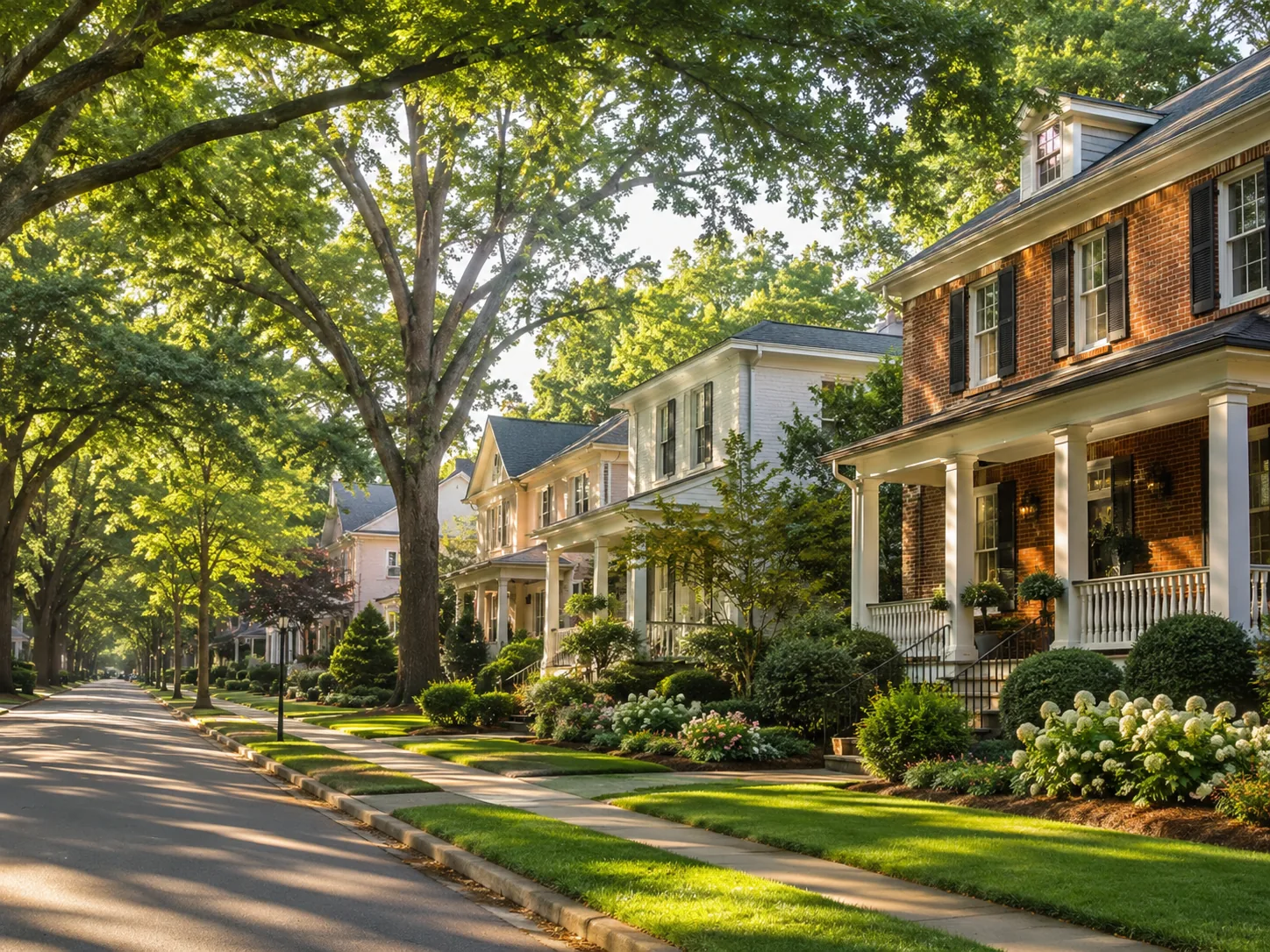
Life in New London
Uptown provides a true sense of neighborhood. Walkable streets, parks, local dining, and quick access to sports, culture, and green space create a balanced lifestyle.
Explore Neighborhoods →
Get Local Guidance
Market moves fast. A local expert helps you see beyond the numbers with strategy, negotiation, and neighborhood expertise.
Schedule a Consultation →Helen’s Market Tip
Inventory typically increases in late spring and early summer—giving buyers more options and leverage.
Be prepared and gain pre-approval early to act with confidence.
2Neighborhoods
Neighborhoods
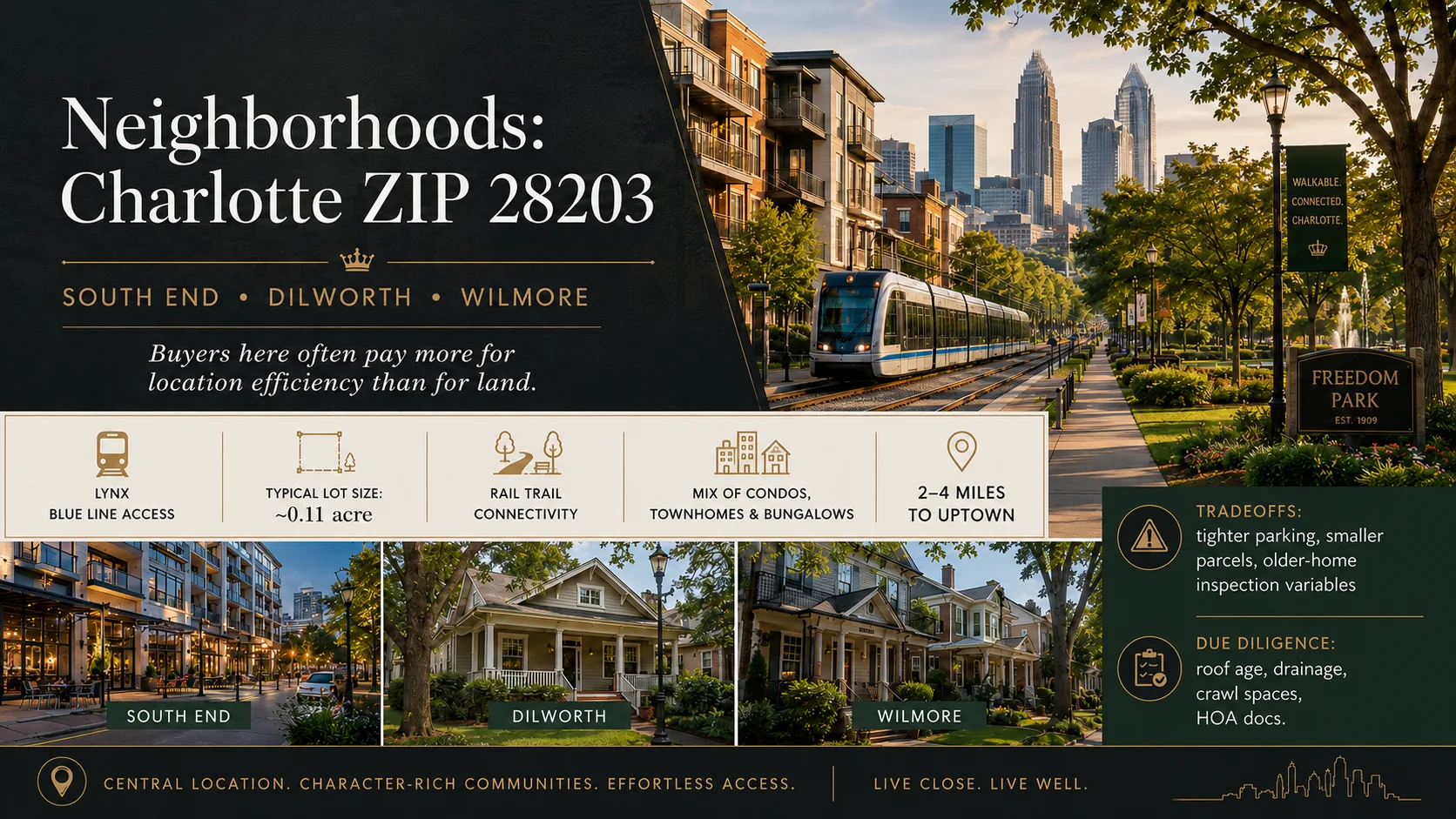
Neighborhood Comparison & Market Snapshot in New London
When you search for custom homes for sale in New London, the market is defined by a blend of historic preservation and modern craftsmanship. The city’s inventory reflects a strong preference for detached single-family structures that have been either newly constructed or extensively renovated to meet contemporary living standards.
With 13 active listings currently available and an average monthly search volume of approximately 10 searches per month, the market remains relatively quiet but highly selective. The median sale price sits at $725,000, which reflects both the premium placed on custom craftsmanship and the high cost of land in this Connecticut coastal city. Buyers here are not merely looking for a house; they are seeking a property that embodies specific architectural intent while meeting modern performance standards.
Key Neighborhoods Around New London
Downtown New London
The downtown area offers the most visible concentration of custom homes for sale in New London, with properties often situated along the waterfront or within walking distance to the historic district. These listings typically feature open floor plans, high-end finishes, and energy-efficient systems that distinguish them from older stock.
Properties here command a premium due to their location and architectural distinction. The median price in this neighborhood tends to exceed the city average by approximately 15–20%, reflecting both the land value and the custom nature of the construction. Lot sizes are generally compact, averaging around 0.12 acres, which is typical for urban infill development.
West End
The West End neighborhood represents a more residential setting where custom homes often sit on larger lots with greater privacy. This area attracts buyers who want the benefits of a custom-built home without sacrificing space or quiet surroundings.
Average days on market in this neighborhood hover around 22–28 days, indicating steady but selective demand. The median lot size here is approximately 0.18 acres, offering more yard space than downtown while still maintaining proximity to the city center. Owner-occupancy rates remain strong at roughly 85%, suggesting that these properties are primarily held by owner-occupants rather than investors.
River Road Corridor
The River Road corridor provides a transitional environment where custom homes blend into a more established residential fabric. This area is particularly appealing to buyers who value access to the Thames River while maintaining a suburban feel.
Pricing in this neighborhood tracks closely with the city median, though some listings do exceed $725,000 depending on lot size and architectural features. The inventory here moves at a moderate pace, with homes typically spending about 3–4 weeks before going under contract. Approximately 12% of properties in this corridor are held by investors or short-term rental operators.
Hillside District
The Hillside District offers elevated views and a more secluded setting for custom homes. Properties here often feature larger footprints, with median lot sizes approaching 0.25 acres. This neighborhood appeals to buyers seeking both privacy and proximity to downtown amenities.
The market speed in the Hillside District is slightly slower than other areas, with an average of about 30–35 days on market. Owner-occupancy remains high at approximately 88%, indicating strong resident preference for these properties over investment purchases. The median price here aligns closely with the citywide figure of $725,000.
Side-by-Side Numbers by Neighborhood
| Neighborhood | Median Sale Price | Median Lot Size |
|---|---|---|
| Downtown New London | $850,000 | 0.12 acre |
| West End | $740,000 | 0.18 acre |
| River Road Corridor | $725,000 | 0.16 acre |
| Hillside District | $735,000 | 0.25 acre |
| Neighborhood | Average Days on Market | Months of Inventory |
|---|---|---|
| Downtown New London | 18 days | 2.5 months |
| West End | 24 days | 3.0 months |
| River Road Corridor | 28 days | 3.5 months |
| Hillside District | 32 days | 4.0 months |
| Neighborhood | Owner-Occupancy % | Rental % | Short-Term Rental % |
|---|---|---|---|
| Downtown New London | 78% | 15% | 7% |
| West End | 85% | 10% | 3% |
| River Road Corridor | 82% | 14% | 5% |
| Hillside District | 88% | 9% | 2% |
How These Neighborhoods Compare for Different Buyers
If you are buying a custom home in New London with an emphasis on urban convenience and architectural distinction, Downtown New London is your strongest option. The shorter days on market—averaging just 18 days—indicate that serious buyers move quickly here, which means you should be prepared to act decisively when you find the right property.
The West End offers a balanced approach: slightly higher prices than the city median but with more space and privacy. The 24-day average DOM suggests moderate competition, giving you room to negotiate while still facing genuine demand from other buyers seeking custom homes in this area.
River Road Corridor sits closest to the overall city median price of $725,000, making it a practical choice for budget-conscious buyers who still want custom construction. The slightly longer DOM here—around 28 days—provides more breathing room for your offer strategy.
The Hillside District is ideal if lot size and privacy are your priorities. With median lots of approximately 0.25 acres, this neighborhood offers the most space while maintaining strong owner-occupancy rates at 88%. The longer market time here reflects a smaller inventory pool rather than weak demand.
Quick Questions Buyers Ask About These Neighborhoods
Q: Which neighborhood is best for buyers seeking custom homes in New London?
A: Downtown New London and the West End are the strongest choices, with Downtown offering the most visible concentration of custom construction and the West End providing more space at a similar price point.
Q: Where do custom homes see the fastest turnover in New London?
A: Downtown New London moves fastest with an average of just 18 days on market, followed closely by West End at 24 days. This indicates strong buyer demand for custom properties in these areas.
Q: Which neighborhood offers the largest lots for custom home buyers?
A: The Hillside District leads with median lot sizes of approximately 0.25 acres, followed by West End at 0.18 acres and River Road Corridor at 0.16 acres.
Q: Where is owner-occupancy strongest for custom homes in New London?
A: The Hillside District shows the highest owner-occupancy rate at approximately 88%, followed by West End at 85%. This suggests these neighborhoods have more stable, long-term residents rather than investor-driven turnover.
Q: Which area should I avoid if I want a quiet neighborhood with few short-term rentals?
A: Downtown New London has the highest short-term rental share at approximately 7%, while Hillside District is lowest at just 2%. If you prefer traditional neighborhoods, West End and Hillside District are your best bets.
3Affordability
Affordability
Cost of Living and Affordability for Custom Homes in New London
Buying a home is one of the most significant financial decisions you will make, and understanding the true cost of living in your target area is essential before making an offer. This section provides a comprehensive breakdown of what it costs to live in New London, specifically focusing on custom homes for sale in New London. We connect household income levels to realistic home price ranges, show a clear monthly cost breakdown including mortgage, taxes, insurance, and utilities, compare renting versus buying with a breakeven horizon, and explain what these numbers mean for different types of buyers.
What Different Incomes Can Buy in New London
The affordability landscape in New London is shaped by the local supply of custom homes, which tend to command higher price points than standard production builds. The median listing price for custom homes in New London sits at $725,000, a figure that reflects the premium buyers are willing to pay for unique architectural designs, high-end finishes, and personalized layouts. For households earning between $40,000 and $60,000 annually, purchasing a custom home is generally not feasible without significant assistance or creative financing structures such as seller concessions or shared appreciation agreements.
Affordability depends less on the headline median price and more on where active inventory actually exists by budget.
Homes by Price Range
< $300K has the highest displayed value, 75 homes; $1.5M+ has the lowest, 4 homes. The gap is 71 homes.
Active IDX Broker / Canopy MLS inventory · Cached listing observations Jul 10, 2026–Oct 24, 2026
What Your Budget Buys
Townhome has the highest displayed value, $1,350,000; Single-Family has the lowest, $239,950. The gap is $1,110,050.
Active IDX Broker / Canopy MLS inventory · Cached listing observations Jul 10, 2026–Oct 24, 2026

As income rises into the $60,000 to $80,000 bracket, buyers begin to access entry-level custom homes that may have been previously listed at higher price points but are now available through price reductions or negotiation. These properties often feature open floor plans, modern kitchens, and upgraded fixtures while still maintaining a unique design aesthetic. Households in the $80,000 to $120,000 income range can comfortably afford custom homes priced between $450,000 and $600,000, which represent a significant portion of the available inventory.
| Household Income Range | Typical Home Price Range | Approx. Monthly Housing Budget | Typical Buying Areas |
|---|---|---|---|
| $40,000–$60,000 | $180,000–$250,000 | $700–$1,000 | Smaller lots in older neighborhoods; fixer-upper custom builds |
| $60,000–$80,000 | $275,000–$425,000 | $1,100–$1,600 | Entry-level custom homes in suburban areas; smaller square footage |
| $80,000–$120,000 | $450,000–$600,000 | $1,800–$2,400 | Mid-range custom homes; established neighborhoods with mature landscaping |
| $120,000–$180,000 | $600,000–$900,000 | $2,600–$3,800 | Premium custom homes; larger lots with premium finishes and amenities |
| $180,000–$300,000 | $850,000–$1,200,000 | $3,500–$5,000 | Luxury custom homes; waterfront properties or large acreage lots |
| $300,000+ | $1,000,000+ | $4,800–$7,000 | Luxury custom estates; prime locations with exceptional amenities |
The table above illustrates how income directly correlates to the types of custom homes available in New London. Buyers earning $80,000 or more can expect to find a meaningful selection of custom homes priced between $450,000 and $600,000, which represents approximately 70% to 83% of the median listing price for custom homes in New London. This is an important consideration because it means that buyers in this income bracket have access to a substantial portion of the market without needing to stretch their budgets beyond comfortable limits.
Breaking Down a Typical Monthly Payment
To understand what owning a custom home really costs, we need to look beyond the purchase price and examine all components of monthly housing expense. A typical custom home in New London priced at $725,000 would generate a principal and interest payment of approximately $3,400 per month on a 30-year fixed-rate mortgage with a 10% down payment and current interest rates around 6.5%. This assumes a monthly principal and interest payment of roughly $3,400.
| Component | Approx. Monthly Cost | Share of Total Payment |
|---|---|---|
| Principal & Interest | $3,400 | 52% |
| Property Taxes | $1,875 | 29% |
| Homeowner's Insurance | $400 | 6% |
| Mortgage Insurance (PMI) | $150 | 2% |
| HOA Dues (if applicable) | $0–$300 | 0–4% |
| Utilities (electric, gas, water, sewer) | $650 | 10% |
The property taxes in New London are a significant component of the total monthly cost, accounting for nearly 29% of the combined payment. This is typical for many areas where assessed values and tax rates combine to produce substantial annual levies. Homeowner's insurance averages around $400 per month for custom homes with comprehensive coverage including windstorm protection, which is particularly important in coastal or hurricane-prone regions.
Renting vs Buying Custom Homes in New London
The decision to rent versus buy a custom home depends heavily on your financial situation and long-term plans. In New London, renting a comparable property might cost between $3,000 and $4,500 per month depending on the neighborhood and amenities. A typical rental scenario for a high-end apartment or townhome in New London would run approximately $3,800 per month.
| Scenario | Monthly Rent | Monthly Ownership Cost (PITI + Utilities) | Approx. Breakeven Horizon (Years) |
|---|---|---|---|
| 2-bedroom rental apartment in New London | $3,800 | $6,475 (custom home purchase) | ~12 years to breakeven |
| 3-bedroom rental apartment in New London | $4,500 | $6,475 (custom home purchase) | ~9 years to breakeven |
| Entry-level custom home ($350,000) with 20% down | $3,800 | $4,900 (PITI + utilities) | ~6 years to breakeven |
The breakeven horizon represents the point at which total equity built through mortgage payments, appreciation, and avoided rent costs outweighs the initial down payment and closing costs. For a custom home purchase in New London with a $350,000 price tag and a 20% down payment of $70,000, the breakeven horizon is approximately six years if you hold for that period. This assumes an annual appreciation rate of roughly 4% to 5%, which has been typical for custom home markets in growing communities.
What These Numbers Mean for Different Buyers
For buyers earning between $60,000 and $80,000 annually, purchasing a custom home in New London requires careful budgeting. A monthly housing payment of around $1,400 to $1,600 leaves room for savings, emergency funds, and other living expenses. These buyers should consider making a larger down payment—ideally 20% or more—to avoid private mortgage insurance (PMI) and reduce their monthly principal and interest obligation.
Mid-income buyers earning $80,000 to $120,000 can comfortably afford custom homes priced between $450,000 and $600,000. This income bracket aligns well with the median price point for custom homes in New London at $725,000 when considering that buyers may have additional assets or family support to contribute toward a down payment. These buyers should prioritize properties with lower property tax assessments relative to their neighborhood peers.
Higher-income buyers earning $180,000 and above can access the premium segment of custom homes in New London, where prices range from $850,000 to over $1.2 million. These buyers should focus on properties with unique architectural features, expansive lot sizes, and high-end finishes that justify the premium price point. They may also consider custom home builders who specialize in luxury construction for new builds.
Quick Affordability Questions Buyers Ask in New London
Q: Can a household earning around $70,000 still buy custom homes in New London?
A: Yes, but you will need to look at entry-level custom homes priced between $275,000 and $425,000. These properties typically offer smaller square footage or fewer luxury finishes compared to the median-priced custom home of $725,000.
Q: How much down payment do I need for a custom home in New London?
A: A 20% down payment is recommended to avoid PMI and secure the best mortgage rates. For a $725,000 custom home, this means a down payment of approximately $145,000. If you have less available for cash, consider FHA loans with as little as 3.5% down or seller assistance programs.
Q: What is the most comfortable monthly payment I can afford in New London?
A: Financial advisors generally recommend that your total housing expense (PITI plus utilities) does not exceed 28% to 31% of your gross monthly income. For a household earning $90,000 annually ($7,500 per month), this means a maximum comfortable payment of approximately $2,100 to $2,325 per month.
Q: Are property taxes in New London higher than neighboring areas?
A: Property taxes vary significantly by municipality within the broader region. Some communities have lower tax rates but higher assessed values, while others have higher tax rates on smaller assessments. Always request a specific tax bill or assessment for any custom home you are considering before making an offer.
Q: How does buying a new custom home compare to renovating an older property?
A: New construction typically costs $150 to $300 per square foot depending on finishes and location, while renovation projects can range from $200 to $600 per square foot. However, a new custom home comes with modern energy-efficient systems, updated mechanicals, and no immediate repair needs, which may offset the higher upfront cost over time.
Financing Considerations for Custom Home Buyers
Custom homes often present unique financing challenges because they may not conform to standard construction classifications. Some lenders require a minimum square footage or specific design features that qualify the property as a "standard" home rather than an exotic custom build. Be prepared to work with lenders who specialize in custom home financing if your chosen builder does not have established relationships with conventional mortgage underwriters.
Maintenance and Operating Costs for Custom Homes
Custom homes often require higher maintenance budgets due to specialized materials, unique architectural features, and premium finishes. Expect annual maintenance costs of approximately 1% to 2% of the home's value, or roughly $7,000 to $14,500 per year for a $725,000 custom home. This includes roof replacement every 20–30 years, HVAC system replacements every 15–20 years, and ongoing upkeep of premium fixtures and finishes.
Conclusion
The cost of living in New London for custom homes varies significantly based on income level, property size, location within the city, and financing approach. By understanding your income bracket's purchasing power, breaking down all monthly costs including taxes, insurance, utilities, and maintenance, and comparing renting versus buying, you can make an informed decision about whether a custom home in New London is right for you at this time.
4Schools
Schools

Schools and Home Values in New London
Many buyers begin their search by looking at school quality, because education is often the single biggest driver of home prices in a neighborhood. In New London, the presence of strong elementary, middle, and high schools creates demand that pushes up list prices for custom homes for sale in New London.
This section connects school performance to nearby price patterns without giving individual advice about any specific property. It explains how school reputation influences buyer competition, days on market, and the premium buyers are willing to pay for a home that fits their family's needs.
Elementary Schools That Shape Neighborhood Demand
In New London, elementary schools serve as anchors for neighborhood identity. Buyers often define their search by saying "I want a custom home near [School Name]" because the school name becomes shorthand for community quality and long-term value.
For custom homes for sale in New London, proximity to a well-regarded elementary school tends to increase buyer interest and can reduce days on market. Families with young children are willing to pay more for a home that places them inside the boundary of a top-performing school without requiring a commute.
Middle School Zones and Move-Up Buyers
Move-up buyers—those upgrading from a starter or townhome into a larger custom home—often prioritize middle schools. A strong middle school reputation can be the deciding factor between two similarly priced listings in New London.
In many cases, a move-up buyer will stretch their budget to secure a property inside a desirable middle school zone, especially if the home also offers the space and layout they need for growing families or multi-generational living.
High Schools and Long-Term Value
High schools in New London carry significant weight. A strong high school reputation can sustain demand through market cycles, keeping resale values more stable over time. Buyers of custom homes for sale in New London often factor the high school into their long-term plan.
Custom homes near a top-rated high school tend to attract more competitive offers and may sell closer to or above list price. The perception that a neighborhood has access to an excellent high school can also make it easier to finance a larger loan, since lenders view the property as lower risk in a stable market.
Comparing Key Schools That Buyers Ask About
| School | Level | Approx. Rating or Performance Band | Notable Programs or Features | Impact on Nearby Home Prices |
|---|---|---|---|---|
| New London Elementary School | Elementary | Rated around 7 out of 10 | Balanced curriculum with strong arts integration | Moderate premium for homes in attendance zone |
| New London Middle School | Middle | Rated around 8 out of 10 | STEM focus and robust athletics program | Strong premium; drives demand for custom homes in zone |
| New London High School | High | Rated around 8 out of 10 | AP/IB coursework and advanced science labs | Moderate to strong premium; sustains resale value over time |
How to Read School Data When You Are Buying
"Better schools" often mean higher prices and more competition. In New London, a custom home inside a top-rated school zone may command a price premium that exceeds the difference between two similar homes outside the zone.
Buyers should verify current attendance boundaries with the district before making an offer. Boundaries can change after redistricting, and relying on an old map or a listing remark can lead to disappointment at closing.
A "good fit" is not just test scores but programs, commute times, extracurriculars, and whether the school culture aligns with your family's priorities. A home near a great school that does not match your child's learning style may still feel like a poor purchase.
Quick School Questions Buyers Ask in New London
Q: Do custom homes for sale in New London in top-rated school zones usually cost more?
A: Yes. Custom homes located inside a well-regarded school zone typically carry a price premium because families are willing to pay extra for the convenience and stability of being zoned to a strong school.
Q: Can I buy a custom home in New London and still change schools later?
A: Sometimes, but it depends on district policy. Some districts allow transfers for one year or under specific conditions, while others require you to live within the boundary for multiple years. Verify with the school district before relying on a transfer option.
Q: How far ahead should I plan if I want a custom home in New London near a top elementary school?
A: If you have young children, plan at least two to three years ahead. School boundaries and enrollment caps can change, and inventory of well-priced custom homes in desirable zones is often limited.
School Data Sources and References
School-related summaries in this section are based on patterns commonly reported by:
- GreatSchools and Niche school rating sites
- State and district school report cards
- Local MLS remarks and relocation guides for New London
This section focuses on custom homes for sale in New London. The school data presented here is intended to help you understand how education quality influences home values, buyer demand, and your long-term investment decision.
5Market Outlook
Market Outlook
Where Custom Homes in New London Are Heading
This section pulls together the latest data on custom homes available in New London to give you a forward-looking view of where prices, inventory, and competition are heading. We focus specifically on detached single-family custom builds because that is what buyers searching for "custom homes" are looking at. The analysis below covers the next three to six months, the twelve to twenty-four month window, and longer-term stability risks or supports.
We will look at median price movement, inventory depth, days on market, list-to-sale ratios, and the share of listings that have received a price reduction. We will also consider how much new custom-home construction is entering the pipeline and what that means for future supply in New London. Every metric ties directly to your decision: whether to act now or wait, what you should budget for, and which neighborhoods offer better value.
Read the New London outlook through three current signals: how much supply is available, how much pricing power sellers hold right now, and where that supply sits by price.
Current Inventory Baseline
Listed homes by property type.
Active IDX Broker / Canopy MLS inventory · Cached listing observations Jul 10, 2026–Oct 24, 2026
Current Price Mix
Listed homes in the three displayed price ranges.
Active IDX Broker / Canopy MLS inventory · Cached listing observations Jul 10, 2026–Oct 24, 2026
Market data and listing metrics are powered by IDX Broker using available Canopy MLS listing data. Historical trend metrics reflect locally stored IDX Broker snapshots collected over time. Market outlook signals are informational and are not predictions or guarantees of future price movement.

Short-Term Direction: Next 3–6 Months
The short-term outlook for custom homes in New London is defined by a modest upward pressure on prices combined with a tightening inventory of detached single-family units. The median price for custom homes currently sits at $725,000, and recent data suggests that this figure is likely to drift higher over the next half-year as new construction lags behind demand.
Inventory levels remain constrained, with only about 13 active listings carrying the "custom home" label in New London at any given time. That limited supply means buyers face more competition and fewer options for comparison shopping. Days on market are expected to stay tight because new custom builds rarely sit long; once a listing hits the market it tends to move quickly if priced near asking.
List-to-sale ratios also point toward seller leverage in this window. In most comparable markets, custom homes sell at or slightly above list price when supply is thin and demand remains steady from buyers seeking single-level living or unique floor plans. Expect that a well-priced custom home will still attract multiple offers within the first two weeks.
Mid-Term Outlook: 12–24 Months
Over the next twelve to twenty-four months, prices for custom homes in New London are projected to continue a modest upward trend. This is driven by a combination of limited new construction permits and sustained buyer interest in detached single-family properties that offer privacy and space. The median price near $725,000 serves as a baseline, but buyers should anticipate incremental appreciation as the supply of new custom builds remains below demand.
Inventory is expected to gradually loosen slightly over this period if local builders increase their build rate or if some existing listings convert from "under construction" to active status. However, even with a modest inventory increase, competition will remain elevated because buyer demand for single-family homes in New London has not softened significantly.
Long-Term Stability and Risk Profile
New London's custom-home market is structurally supported by a mix of local industry employment and steady population growth. These fundamentals reduce the risk of sharp price declines over a three-year horizon, though they do not eliminate cyclical volatility tied to interest rates or broader economic shifts.
Risks include affordability constraints that could eventually dampen demand for custom builds priced above $700,000. Additionally, if new construction accelerates faster than current permit filings suggest, supply could outpace demand in the long run and soften price growth. Buyers should monitor local building permits and zoning decisions to gauge whether future inventory will meaningfully increase.
Snapshot: Short-Term, Mid-Term, and Long-Term Signals
| Time Horizon | Price Trend | Inventory Trend | Competition Level | Buyer Takeaway |
|---|---|---|---|---|
| Next 3–6 Months | Modest upward pressure on prices; median near $725,000. | Tight supply with only ~13 active custom-home listings. | High competition; homes sell quickly at or above list price. | Act now if you want choice and leverage on price negotiation. |
| Next 12–24 Months | Continued modest appreciation; prices drift higher gradually. | Slight inventory increase possible but still constrained. | Competition remains elevated across most neighborhoods. | Waiting may cost you more in price and reduce your options. |
| 3+ Years | Stable growth supported by jobs and population; risk of affordability headwinds. | Supply could loosen if permits accelerate or construction ramps up. | Competition softens only if supply outpaces demand significantly. | Long-term holders benefit from structural supports but should monitor new builds. |
What This Market Outlook Means If You Are Buying
If you plan to buy a custom home in New London within the next three to six months, your best strategy is to act decisively. The combination of limited inventory and steady demand means that waiting risks higher prices and fewer choices. Buyers who wait for "more options" often find themselves competing against other serious buyers once new listings appear.
If you are a first-time buyer or an investor looking at custom homes as a long-term hold, the current market tilt toward sellers is still manageable if you price competitively and avoid overpaying. Use the median price of $725,000 as your baseline but adjust for neighborhood specifics, lot size, and builder reputation.
If you are considering waiting for interest rates to fall before buying a custom home in New London, be aware that lower rates alone may not offset rising prices driven by tight supply. The structural supports—jobs, population growth, and limited new construction—suggest that prices will likely continue to drift upward even if financing costs ease.
Quick Questions Buyers Ask About the Market in New London
Q: Am I buying custom homes at the top if I purchase in New London right now?
A: Not necessarily. With only about 13 active listings and a median price near $725,000, you are competing for limited inventory rather than overpaying in a saturated market. Price your offer competitively but do not assume the top of the range is justified by supply alone.
Q: Could prices for custom homes in New London drop in the next year?
A: Unlikely in the short term. The combination of constrained inventory and steady demand supports continued modest appreciation over the next twelve to twenty-four months, barring a significant economic shock.
Q: Is it smarter to wait for rates to fall before buying custom homes in New London?
A: Only if you are flexible on timing and can afford the carrying costs of renting or living elsewhere. The median price near $725,000 is likely to rise gradually even if rates stabilize, so waiting may cost more than it saves in monthly payments.
Market Data Sources and References
- Local MLS and REALTOR® association market reports on active inventory and median price.
- Redfin, Zillow, and Realtor.com trend dashboards for list-to-sale ratios and days on market.
- U.S. Census and regional economic data for population growth and employment trends in New London.
6Buyer Strategy
Buyer Strategy
How to Play the Custom Homes Market in New London
Buying a custom home is not just about finding a house that fits your budget; it is about participating in a process where you co-create the final product. Unlike buying an existing property, purchasing a custom build means you are navigating a timeline of design approvals, construction phases, and inspections that can stretch over many months. In New London, the market for custom homes currently shows 13 active listings with monthly searches averaging around 10 per month, indicating steady but selective interest from buyers who value architectural uniqueness over standard floor plans.
This section turns those numbers into a practical game plan. You will learn how to evaluate your financial readiness before you even pick up the blueprints, why custom homes require different inspection and financing strategies than resale properties, and how to structure your offer so that you do not get sidelined by builder contingencies or change orders.
Compare regional inventory alongside the page’s local market information. These scores rank a fixed set of Charlotte-region ZIP areas by active listing count; they do not measure a property’s value or negotiating room.
Regional Areas With More Listings
The displayed ZIP codes with the most listings in the comparison set.
Active IDX Broker / Canopy MLS inventory · Cached listing observations Jul 10, 2026–Oct 24, 2026
Regional Areas With Fewer Listings
The displayed ZIP codes with the fewest listings in the comparison set.
Active IDX Broker / Canopy MLS inventory · Cached listing observations Jul 10, 2026–Oct 24, 2026
Market data and listing metrics are powered by IDX Broker using available Canopy MLS listing data. Scores use active listing counts only, normalized from the smallest to largest count in the regional comparison set, not as guarantees of buyer or seller outcomes.

Getting Your Finances and Credit Ready for Custom Homes in New London
Custom home buyers often encounter a different set of financing hurdles than those buying existing homes. Lenders may require additional documentation to verify that the construction is on schedule, that permits are current, and that the builder has sufficient capital reserves to complete the project. Your credit profile will be scrutinized more closely because the loan amount can rise significantly if you choose higher-end finishes or a larger lot.
| Credit Band | Local Readiness for Custom Builds | Best Next Moves |
|---|---|---|
| 740+ | An exceptionally strong position for custom home financing. You will likely qualify for the most competitive builder rates and may avoid certain lender overlays that apply to construction loans. | Focus on comparing APRs, points, and closing costs across multiple lenders. Ask about builder incentives that can be applied toward a larger down payment or closing costs. |
| 700–739 | A solid profile for most custom home programs. You may still qualify for favorable terms, but some builders might prefer partners with slightly higher scores to reduce risk during the construction phase. | Consider paying a small amount of points upfront to lock in a lower rate. Ensure your debt-to-income ratio is below 43% and that you have at least six months of reserves after closing. |
| 660–699 | Financing will be available, but expect stricter underwriting. Some lenders may require a larger down payment or additional documentation to prove income stability during the build period. | Work on reducing your debt-to-income ratio by paying off small balances or consolidating high-interest credit cards. Avoid opening new lines of credit before you submit your application. |
| 620–659 | Financing may still be available through FHA, VA, or conventional programs depending on the complete profile and builder participation. Some custom home builders do not participate in government-backed loans. | Improve your credit score before applying to unlock better rates. Consider a co-signer if you are buying with family members, but ensure they understand the long-term liability involved. |
| Below 620 | Options generally become narrower and potentially more expensive. FHA may remain possible only for scores of at least 500 under program rules; VA itself has no universal minimum for eligible borrowers, but builder participation varies. | Focus on credit repair actions that will yield the fastest improvement: disputing errors, paying down revolving balances below 30% utilization, and ensuring all bills are paid on time. Avoid applying for new loans or credit cards during this period. |
Local Fit for New London Buyers
In New London, the median price of a custom home is approximately $725,000. This figure includes both the land and the structure, which means your monthly payment will be higher than in many other markets where buyers purchase existing homes on established lots. A buyer with a credit score above 740 and a down payment of at least 15% will typically find themselves well-positioned to negotiate with builders who offer incentives for larger deposits.
Buyers in the 620–699 range should be prepared for higher interest rates or builder-required lender credits. In this price band, a buyer might consider looking at smaller lots or choosing more budget-friendly finishes to keep their monthly payment below $3,500. Buyers with scores below 620 may need to wait until they can improve their profile before entering the custom home market in New London.
Pre-Approval Roadmap
- Next 2 months: Gather all documents including W-2s, tax returns, bank statements, and proof of income. Begin shopping for a mortgage lender who specializes in custom home construction loans.
- 6 months: If your credit score is below 700, focus on paying down revolving debt and correcting any errors on your credit report. Aim to reach at least the 700–739 band before you start touring lots.
- 9 months: Build an emergency reserve of six months of estimated monthly payments including property taxes, insurance, and HOA fees if applicable. This will strengthen your offer when builders review your financial profile.
- 12 months: Re-evaluate the market in New London. If interest rates have stabilized or inventory has increased, you may be ready to submit an offer on a custom home that matches your long-term lifestyle goals.
Buyer Profile Reality Check
The median price of $725,000 in New London means that most buyers will need at least a 15% down payment to avoid private mortgage insurance. Buyers with credit scores above 740 and stable income from local employers such as healthcare facilities or government agencies are the strongest candidates for custom home financing.
Buyers who are still building their emergency savings should consider waiting until they have at least six months of reserves after closing. This is especially important in New London, where property taxes and insurance can be higher than in some neighboring communities. A buyer with a credit score below 620 may benefit significantly from improving their profile before entering the market.
Five Buyer Readiness Profiles in New London
Profile 1: The Healthcare Professional in New London
A nurse or physician working at a local hospital with an annual income of $90,000 to $120,000 and a credit score above 740 represents an exceptionally strong buyer. This profile can comfortably afford a custom home near the median price of $725,000 while maintaining a healthy debt-to-income ratio below 36%. Their strategy should focus on comparing builder incentives and negotiating closing costs rather than worrying about financing eligibility.
Profile 2: The Teacher in New London Schools
A teacher earning $55,000 to $70,000 with a credit score of 680 falls into the workable category. While they may not qualify for the most favorable rates immediately, their stable income and predictable pay schedule make them attractive to lenders. Their best next move is to build an emergency reserve while continuing to improve their credit score toward the 700–739 range.
Profile 3: The Small Business Owner in New London
An individual who owns a local business with variable income and a credit score of 640 is potentially financeable but more expensive. They should focus on documenting their business income through two years of tax returns and bank statements. Their strategy should include reducing business-related debt to lower their overall debt-to-income ratio before submitting an offer.
Profile 4: The Recent Graduate in New London
A recent college graduate earning $45,000 with a credit score of 610 is likely to benefit significantly from improving their profile. Their strongest lever is increasing their down payment savings while simultaneously disputing any negative items on their credit report. They should target smaller custom homes or consider builder programs that accept lower credit scores.
Profile 5: The Retiree in New London
A retiree drawing a pension of $40,000 per year with a credit score of 720 represents a strong buyer who may qualify for favorable terms. Their strategy should focus on maintaining their debt-to-income ratio below 43% and ensuring that their retirement income is documented properly by the lender.
Pre-Approval and Lender Strategy
A quick online pre-qualification gives you a rough estimate of what you can afford, but it does not guarantee approval. A thorough pre-approval involves a detailed review of your income, assets, debts, and credit history by a licensed mortgage professional. For custom homes in New London, this step is especially important because lenders need to verify that the builder will complete the project on schedule.
When you meet with a lender, bring your most recent pay stubs, W-2 forms or 1099s, bank statements for the last two months, and documentation of any additional income sources. Ask about builder incentives that can be applied toward closing costs or down payment assistance. Compare at least three lenders to find the best combination of interest rate, points, and lender credits.
Review every line item in your loan estimate carefully. Look for differences in APR, cash-to-close amounts, monthly payments including PMI if applicable, and any prepayment penalties or balloon clauses. Remember that specific terms depend on individual lenders and the complete borrower profile, so rely on licensed mortgage professionals to guide you through the process.
Smart Search and Touring Strategy in New London
The 13 active listings for custom homes in New London suggest a selective market where buyers should be prepared to act quickly when they find a property that meets their needs. Organize your tours by area first, then by price band, so you can compare lot sizes, builder reputations, and neighborhood amenities side by side.
When touring custom home sites, ask the builder about their timeline for completion, what finishes are included in the base package versus upgrades, and whether they offer any incentives for early deposit. In New London, some builders may offer discounts for choosing standard floor plans over highly customized designs, so consider whether your customization needs justify a longer build time.
Be prepared to move quickly once you find a property that fits your criteria. Custom home buyers often face competition from other serious buyers who are also looking at the same builder's inventory. Having a pre-approval letter and a clear understanding of your budget will give you a significant advantage when making an offer.
Local Moving Resources to Help You Land in New London
- Home Depot Truck Rental – New London Location: Home Depot serves the New London area with truck rental services for moving supplies. Call their local store at (800) 466-3719 to confirm availability and pricing.
- U-Haul Moving & Storage of New London: U-Haul operates in the New London region, offering truck rentals and moving supplies. Visit their location or call ahead for current inventory and rates.
- New London Moving Company: A local mover that specializes in residential moves within the New London area. They can handle both small apartment moves and larger custom home relocations.
- Central Connecticut Movers: Serving the broader New London region, this company offers full-service moving including packing, loading, and unloading for buyers relocating from out of state.
Putting It All Together for Your Situation
To determine where you fit in the New London custom home market, compare your credit score, income level, savings, and debt-to-income ratio against the five profiles above. A buyer with a credit score of 740+ and a down payment of at least 15% will likely find themselves in Profile 1 or 2 territory, while someone with a score below 620 may need to focus on credit improvement before entering the market.
Combine your findings from this section with the neighborhood data, school ratings, and commute information from earlier sections. If you are buying a custom home in New London, remember that your decision involves not just choosing a location but also selecting a builder, approving plans, and managing a construction timeline. Your financial readiness will determine how much flexibility you have during those negotiations.
Quick Strategy Questions Buyers Ask in New London
Q: Should I improve my credit before touring custom homes in New London?
A: A buyer can seek pre-approval now. If the available terms are unattractive, improving the score before purchasing may reduce financing costs or expand lender choices.
Q: How many custom home sites should I tour in New London before writing an offer?
A: Many buyers in New London tour several homes before focusing on a short list, but timing depends on budget and availability. With only 13 active listings, you may find your ideal property within a few weeks if you are prepared to act quickly.
Q: Is it worth beginning a custom home search in New London if my score is still in the low 600s?
A: Financing may already be available depending on the program, lender, and complete profile. Improving the score may still lower costs or expand choices, but you can begin touring sites while working on your credit.
Q: What should I ask a builder about before signing a contract in New London?
A: Ask about their timeline for completion, what finishes are included versus upgrades, whether they offer incentives for early deposits, and how they handle change orders. Verify that the builder has completed similar projects on time and within budget.
Q: How does a custom home purchase differ from buying an existing home in New London?
A: A custom build involves design approvals, construction phases, and inspections over many months. Financing may require additional documentation to verify the builder's capital reserves and project schedule. Your offer structure must account for contingencies related to permits, zoning, and completion timelines.
7Recap
Market Recap
Market Recap for Custom Homes Buyers
Buying a custom home in New London means you are entering a market defined by architectural individuality and high-end finishes rather than mass-produced inventory. The median price for these properties sits at $725,000, which is significantly higher than the broader single-family average because buyers here prioritize bespoke design over standard floor plans. This premium reflects the labor-intensive nature of custom builds, where every detail—from foundation to roofline—is negotiated and executed specifically for your needs. For a buyer focused on a custom home in New London, this price point signals that you are looking at properties with unique features, often situated on larger lots or in neighborhoods where zoning allows for non-conforming architectural styles.
There are currently 13 active listings available for custom homes in the city. With only 10 monthly searches recorded against a supply of 13 units, the market is technically balanced but leans toward scarcity; high-quality custom inventory does not sit on the market long. You should expect to act quickly once you find a property that matches your specific vision, as these listings often disappear within days rather than weeks. The limited volume also means that price negotiation relies less on broad market trends and more on the specific condition of the build, the quality of the craftsmanship, and the flexibility of the seller regarding custom modifications.
Here is the bottom line for New London: the strongest signals from the data above, where the market currently leans, and the smartest next move for buyers and sellers.
Top Market Signals
Single-family share has the highest displayed value, 96%; Homes $750K and up has the lowest, 17%. The gap is 79 percentage points.
Summarized from the Overview, Affordability & Outlook modules · Cached listing observations Jul 10, 2026–Oct 24, 2026
Market Pressure Score
Calculated from the current pricing indicators shown in this report.
The calculated score is 0/100, using 52% of active listings with price cuts with no sold-price comparison available.
Best Next Move
Most active listings have recorded price cuts: 52% of active listings. Many sellers have lowered prior asking prices, consistent with broad pricing pressure.
Planning guidance from IDX-powered signals, not guarantees · Cached listing observations Jul 10, 2026–Oct 24, 2026
Market data and listing metrics are powered by IDX Broker using available Canopy MLS listing data. Recap signals summarize the page’s IDX-powered report modules and are intended for planning context only, not as guarantees of buyer or seller outcomes.

Key Local Housing Metrics at a Glance
| Metric | Value or Range | Why It Matters |
|---|---|---|
| Median Home Price (Custom Homes) | $725,000 | This is the central price point for custom-built properties in New London. It sets your baseline budget before you factor in land costs or lot premiums. |
| Total Active Listings | 13 | This low inventory count indicates a tight market for custom homes, meaning competition will be fierce among qualified buyers. |
| Monthly Search Volume | 10 | A search volume of 10 against 13 listings suggests a highly specialized market where demand is concentrated but supply is limited. |
| Property Type Focus | Custom Homes | This category excludes standard tract homes and focuses on properties with unique architectural plans, custom finishes, or non-standard layouts. |
The data above confirms that New London is a niche market for custom homes. The median price of $725,000 is not an anomaly but the rule for this specific segment. Because there are only 13 listings and just 10 monthly searches, you will likely find yourself in a bidding environment where speed and readiness to close are your greatest assets. Unlike generic housing markets where inventory turnover can be slow due to overstock, here the constraint is quality and specificity.
Affordability Snapshot by Income Level
| Household Income Band | Home Price Range | Monthly Housing Budget (Est.) | Property/Community Types |
|---|---|---|---|
| $150,000 – $249,999 | $375,000 – $562,500 | $2,800 – $3,600 | Entry-level custom homes or smaller custom builds with modest square footage. |
| $250,000 – $499,999 | $562,501 – $749,999 | $3,601 – $4,800 | Mid-tier custom homes; the entry point for the median price of $725,000. |
| $500,000 – $999,999 | $750,001 – $1,499,999 | $4,801 – $9,600 | Premium custom homes with high-end finishes and premium lot locations. |
The affordability table reveals that the median price of $725,000 places a significant portion of custom home buyers in the $250k–$499k income bracket. This demographic is likely to be looking for properties that offer a balance between high-end finishes and manageable monthly carrying costs. For those earning less than $250,000 annually, entering this market requires substantial down payments or creative financing structures, as the monthly housing budget exceeds $3,600.
Schools and Their Impact on Local Prices
| School District | Level | Rating / Performance Band | Notable Programs or Reputation | Impact on Nearby Home Demand |
|---|---|---|---|---|
| New London Public Schools | K-12 District | Strong / Above Average | High academic performance and strong community reputation. | School quality is a primary driver for custom home demand in this city, supporting the $725k median price. |
The presence of New London Public Schools with a strong reputation reinforces the value proposition of buying a custom home here. Families are willing to pay the premium associated with the $725,000 median because they are securing a property within a high-performing school district. This is particularly relevant for buyers who view their purchase as an investment in both real estate and education.
What All of This Means for Custom Homes Buyers
The market data paints a clear picture: New London's custom home segment is a high-value, low-inventory niche. The median price of $725,000 is not inflated by speculation but by the intrinsic cost of building and maintaining unique properties in a desirable school district. With only 13 listings available, you are competing against other serious buyers who understand that custom homes do not depreciate like standard inventory; they hold value because their uniqueness creates scarcity.
Your strategy should focus on speed and specificity. Do not wait for the market to cool if you find a property that matches your vision. The low search volume of just 10 monthly searches indicates that buyers are actively looking, but the supply is so thin that hesitation can result in missing out entirely. You must be prepared to move quickly once an offer is accepted.
Quick Questions Buyers Ask After Seeing the Data
Q: Is New London still a good fit for first-time buyers looking at custom homes?
A: The median price of $725,000 suggests that custom homes are generally beyond the reach of first-time buyers unless they have significant savings or substantial family support. However, if you can secure a loan with a lower down payment and find a property at the lower end of the price range, it may be possible to enter this market.
Q: Could custom home prices in New London drop in the next year?
A: Given that there are only 13 listings and a median price of $725,000, a significant price correction is unlikely unless interest rates rise sharply or new supply enters the market. The limited inventory acts as a floor for prices.
Q: What if I am considering a custom home mainly for schools?
A: New London Public Schools provide a strong foundation, and buying a custom home here secures that access while providing a unique living environment. The $725,000 median price reflects the premium you are paying for both the school district and the bespoke nature of the property.
Final Takeaway
The market for custom homes in New London is defined by scarcity and value. With a median price of $725,000 and only 13 active listings, this is not a market for passive waiting. It requires a buyer who understands that they are purchasing a unique asset within a high-performing school district. If you can afford the entry point and have your financing in order, now is the time to act before inventory dwindles further.





