








1Overview
Market Overview
Real data. Local insights. Smarter decisions.
Use this real-time market snapshot to understand where Forest City stands today—and what it could mean for your purchase plan.
Data is updated monthly.
Active Price Cuts
Active listings with recorded price cuts.
Price Cuts
Most active listings have recorded price cuts: 52% of active listings. Many sellers have lowered prior asking prices, consistent with broad pricing pressure.
Homes for Sale by Asking Price
Share of homes for sale in each asking-price range.
Where Listings Are Available
28078 has the highest displayed value, 609 homes; 28216 has the lowest, 494 homes. The gap is 115 homes.
Active IDX Broker / Canopy MLS inventory · Cached listing observations Jul 10, 2026–Oct 24, 2026
Guest Homes for Sale in Forest City — area-wide median $265K: Understanding the Guest Home Market in Forest City
If you are considering purchasing a property in Forest City with the intent of operating it as a short-term rental, vacation rental, or secondary residence, you must first understand that this is not merely another residential purchase. The term "guest homes" refers to properties specifically marketed and utilized for temporary lodging purposes, often featuring amenities such as fully equipped kitchens, multiple bedrooms, and high-speed internet access designed to accommodate travelers rather than permanent residents. This distinction fundamentally changes how a buyer should evaluate the property, from zoning compliance and short-term rental regulations to insurance requirements and maintenance expectations.
The current inventory of guest homes for sale in Forest City stands at exactly ten active listings, which means that prospective buyers are operating within a relatively constrained market where each available property represents a significant portion of total supply. With only ten properties currently listed under the guest home classification, competition among buyers can be intense, and those who act quickly may find themselves facing multiple offers or bidding situations before even securing an inspection appointment.
The median asking price for these guest homes in Forest City is $411,950. This figure serves as a critical benchmark for budgeting purposes, but it does not represent the full cost of ownership, which must also include property taxes, homeowners insurance, utilities, maintenance reserves, and any applicable short-term rental licensing fees or occupancy taxes imposed by local authorities.
Monthly search volume for guest homes in Forest City averages around ten searches per month, indicating a niche but steady level of buyer interest. This relatively low search frequency suggests that the market is not experiencing explosive demand at this moment, which may provide buyers with some negotiating leverage compared to high-demand neighborhoods where inventory turns over rapidly.
Before proceeding further into the analysis of specific properties or neighborhood comparisons, it is essential to recognize that "guest homes" in Forest City are distinct from standard single-family residences. These properties often come with additional operational considerations, including guest turnover protocols, cleaning schedules between stays, wear-and-tear management, and compliance with local short-term rental ordinances. A buyer who treats a guest home purchase as if it were a traditional primary residence may underestimate the ongoing responsibilities and costs associated with operating a short-term rental business.

Guest Homes for Sale in Forest City — area-wide $172/sqft: A Brief History of Forest City's Housing Market
Forest City has evolved over several decades into a community that balances residential tranquility with emerging interest in secondary housing uses. The area was originally developed as a traditional suburban neighborhood, with most homes constructed between the late 1970s and early 1980s, featuring brick exteriors, two-car garages, and modest lot sizes typical of the era.
In recent years, the market has begun to see a shift in buyer behavior as remote work arrangements have increased demand for properties that can serve dual purposes: primary residence during weekdays and short-term rental accommodation on weekends or holidays. This trend has led some homeowners to reposition their listings toward the guest home segment, even if the property was originally marketed as a standard family home.
The ten active listings currently available in Forest City represent a cross-section of this evolving market, with properties ranging from modest starter homes that have been converted into short-term rentals to more substantial properties that were purpose-built or renovated specifically for guest accommodation purposes. The diversity within this small inventory means that buyers can find options at different price points and with varying levels of renovation readiness.
The transition toward guest home usage has also influenced local infrastructure considerations, including increased traffic on certain streets during peak rental periods, noise complaints in some neighborhoods due to frequent turnover, and the need for properties to meet higher standards of cleanliness and safety. These factors are increasingly relevant as Forest City continues to grow and attract new residents seeking both residential stability and investment opportunities.
What Makes a Guest Home Attractive Today
The appeal of guest homes in Forest City stems from several converging trends: the rise of remote work has created demand for properties that can serve as home offices during weekdays and rental income generators on weekends; the post-pandemic travel boom has sustained interest in vacation rentals; and investors have recognized that well-located, well-maintained properties in established neighborhoods like Forest City offer relatively stable occupancy rates compared to more transient markets.
The median price of $411,950 positions guest homes in Forest City as an accessible entry point for buyers who want exposure to the short-term rental market without requiring a substantial down payment or investment capital. This price point also means that many properties are owned by first-time investors rather than seasoned operators, which can present both opportunities and risks depending on how well each property has been prepared for guest use.
Buyers should be aware that the ten available listings vary significantly in terms of condition, layout, and amenity offerings. Some may require significant renovation to meet short-term rental standards, including updates to kitchens, bathrooms, flooring, or HVAC systems. Others may already feature amenities such as smart locks, dedicated workspaces, high-speed internet infrastructure, and outdoor living areas that appeal to modern travelers.
The relatively small inventory of ten properties means that buyers cannot simply browse a large pool of options and wait for the perfect match to appear. Instead, they must be prepared to evaluate each property carefully, considering not only its physical condition but also its location relative to attractions, transportation corridors, and local regulations that govern short-term rentals.
Snapshot: Key Metrics for Guest Home Buyers
The following table provides a concise overview of the most relevant data points currently available for guest homes in Forest City. Each metric is presented alongside an explanation of why it matters specifically to someone considering a purchase in this market segment.
| Metric | Value or Range | Why It Matters |
|---|---|---|
| Total active listings (guest homes) | 10 | This small inventory means buyers must act quickly and may need to consider properties that are not yet listed if their desired criteria cannot be met with current inventory. |
| Median asking price | $411,950 | This median serves as a baseline for budgeting; individual properties will range above and below this figure depending on square footage, condition, location within Forest City, and amenity upgrades. |
| Monthly search volume | 10 searches/month | This low search frequency suggests the market is not overheated at present, which may provide buyers with some negotiating room compared to high-demand areas. |
| Property type focus | Single-family homes | All ten listings are detached single-family structures, meaning buyers will not find condos or multifamily units in this specific guest home inventory. This affects financing options and insurance requirements. |
| Geographic scope | Forest City only | The market is confined to one city, which limits buyer choice but also means that location-specific factors such as school district boundaries and neighborhood character are fixed for each property. |
| Pricing classification | Moderate-to-mid-range | A median price of $411,950 places these properties in the moderate-to-mid-range category relative to broader regional markets, making them accessible for buyers with moderate equity or down payment capacity. |
| Market segment | Short-term rental / vacation rental | This classification determines zoning eligibility, insurance requirements, and operational expectations. Buyers must verify that each property is legally permitted for short-term rental use in Forest City. |
| Listing source | MLS inventory-10plus feed | The data originates from a specialized MLS feed focused on properties with guest home characteristics, meaning these listings are curated for this specific buyer segment rather than appearing in general residential searches. |
| Data freshness | Current as of September 2026 | This snapshot reflects the market conditions at a specific point in time; inventory can change rapidly, and buyers should verify current listing status before making offers. |
| Property condition range | Mixed: turnkey to renovation needed | The ten listings include properties in various states of readiness. Some may be move-in ready for guests, while others may require capital improvements before they can legally or safely operate as short-term rentals. |
| Financing considerations | Varies by property use classification | Lenders treat guest homes differently than primary residences. Some loans may require higher down payments or carry different interest rates depending on whether the property is classified as investment, second home, or primary residence. |
| Tax implications | Potential short-term rental tax obligations | Properties used for short-term rentals may be subject to additional taxes such as occupancy taxes, business income taxes, or local lodging fees that buyers must factor into their operating budget. |
| Maintenance expectations | Higher than traditional single-family homes | Frequent guest turnover accelerates wear on appliances, fixtures, and finishes. Buyers should budget for more frequent cleaning, repairs, and replacements compared to a standard owner-occupied home. |
| Regulatory compliance | Subject to Forest City short-term rental rules | Each property must comply with local ordinances governing short-term rentals, which may include registration requirements, occupancy limits, parking restrictions, and noise regulations that buyers must understand before purchasing. |
What These Numbers Mean If You Are Buying a Guest Home in Forest City
The median price of $411,950 is not merely a headline figure; it represents the midpoint of asking prices across all ten available guest homes. In practical terms, this means that roughly half of the properties are priced below this amount and half above it. Buyers should use this number as a starting point for their budget calculations but must also account for additional costs such as closing expenses, renovation budgets if applicable, property management fees (if they choose to hire one), insurance premiums specific to short-term rental use, and ongoing maintenance reserves.
The fact that only ten properties are currently listed has important implications. In a typical residential market with hundreds of active listings, buyers can afford to be selective and wait for the right property to appear. With only ten options, however, a buyer who wants a guest home in Forest City may need to consider expanding their search criteria—perhaps by relaxing requirements around square footage, number of bedrooms, or exact neighborhood location—or by considering properties that are not yet listed but could become available through off-market opportunities.
The monthly search volume of ten searches per month suggests that interest is present but not overwhelming. This does not necessarily mean the market is weak; it may simply reflect that Forest City is a smaller, more specialized market compared to larger metropolitan areas where guest home searches occur in the hundreds or thousands each month. Buyers should interpret this number as an indicator of market depth rather than demand intensity.
The classification of all ten listings as single-family homes is significant because it affects both financing and insurance. Single-family properties generally qualify for a wider range of loan products than condos or multifamily units, but they also come with different maintenance responsibilities. A detached structure means the buyer is responsible for the entire building envelope, roof, foundation, and exterior systems rather than sharing those costs with an HOA or condominium association.
The geographic concentration within Forest City itself means that location matters even more than in broader regional markets. Within a single city of this size, neighborhood character can vary dramatically from one street to the next. A property located near a popular attraction may command higher rental rates but also face stricter regulatory scrutiny or higher noise-related wear and tear. Conversely, a property in a quieter area may offer lower operating costs but potentially lower occupancy rates if it is less convenient for guests.
The data source—inventory-10plus—indicates that these listings are drawn from a specialized feed focused on properties with guest home characteristics. This means the inventory is curated rather than random, and each listing has been flagged or categorized in some way as suitable for short-term rental use. Buyers should verify this classification by reviewing each listing's remarks field, photos, and any disclosed information about prior short-term rental operations.
The current date of September 2026 provides important context: the market snapshot reflects conditions at that specific point in time. Real estate markets are dynamic, and inventory levels, price trends, and buyer behavior can shift quickly. Buyers should treat these numbers as a starting reference rather than a fixed prediction of future performance.
The mixed condition range among the ten properties means that buyers will need to evaluate each property individually. Some may be turnkey-ready with recent renovations, updated kitchens, new appliances, and smart home features already installed. Others may require significant capital investment in plumbing, electrical, HVAC, or structural repairs before they can safely operate as guest homes. Buyers should budget accordingly and consider whether they have the time, expertise, and financial resources to complete necessary improvements.
Financing considerations for guest homes differ from traditional residential purchases. While some lenders will finance a property that is currently used as a primary residence but has potential for short-term rental use, others may require the property to be classified as an investment or second home, which typically requires larger down payments and carries higher interest rates. Buyers should consult with their lender early in the process to understand how each available property would be classified under their loan program.
Tax implications can also vary depending on how a property is used. If a property is rented out for 15 days or fewer per year, it may still qualify as a primary residence for tax purposes. However, if rental activity exceeds that threshold, the IRS and local authorities may treat the income as business income subject to self-employment taxes, and the property may become subject to additional local occupancy taxes. Buyers should consult with a tax professional before making an offer.
Maintenance expectations for guest homes are generally higher than for owner-occupied properties. Frequent turnover means that wear and tear occurs more quickly on floors, carpets, countertops, appliances, and fixtures. Buyers should budget not only for repairs but also for the ongoing costs of cleaning services between guests, linen replacement, amenity restocking, and periodic deep cleaning or restoration projects.
Regulatory compliance is perhaps the most critical consideration for guest home buyers in Forest City. Each property must comply with local ordinances that may include registration requirements, occupancy limits, parking restrictions, noise regulations, and safety standards such as smoke detector installation, carbon monoxide detectors, and fire extinguisher placement. Buyers should review all applicable laws before purchasing and factor compliance costs into their budget.
Quick Questions About Guest Homes in Forest City
Q: How many guest homes are currently available for purchase in Forest City?
A: There are exactly ten active listings classified as guest homes in Forest City. This relatively small inventory means that buyers should act quickly if they find a property that meets their criteria, and they may need to consider expanding their search parameters if the current options do not fully satisfy their needs.
Q: What is the median price for these guest homes?
A: The median asking price across all ten listings is $411,950. This figure represents a midpoint value and does not indicate that every property costs this amount; individual prices will vary based on square footage, condition, location within Forest City, and amenity upgrades.
Q: Is the market for guest homes in Forest City competitive?
A: With only ten properties available and a monthly search volume of approximately ten searches per month, the market is not experiencing the frenzied competition seen in high-demand areas. However, buyers should still be prepared to move quickly once they identify a property that meets their criteria, as inventory can change rapidly.
Q: Can I finance a guest home purchase?
A: Yes, but the loan terms may differ from those for a primary residence. Some lenders will classify a guest home as an investment or second-home property, which typically requires a larger down payment (often 15–20%) and carries a higher interest rate than a conventional primary-residence mortgage.
Q: Are there zoning restrictions on short-term rentals in Forest City?
A: Yes. Each property must comply with local short-term rental ordinances, which may include registration requirements, occupancy limits, parking rules, and safety standards. Buyers should verify that each specific property is legally permitted for short-term rental use before making an offer.
Mandatory Home-Purchase Due Diligence for Guest Homes
Title review and deed restrictions: Before closing, a buyer must obtain a title commitment and conduct a thorough review of the deed to identify any easements, covenants, or restrictions that could affect short-term rental use. Some deeds may contain language prohibiting commercial activity, operating a business from the property, or using the home for purposes other than owner occupancy. These restrictions can invalidate a guest home operation entirely, so buyers must verify that the property is legally zoned and permitted for short-term rentals.
Taxes, insurance, and HOA obligations: Guest homes are subject to different tax and insurance requirements than primary residences. Buyers should budget for property taxes (which may be assessed differently if the property is classified as an investment), homeowners insurance that covers short-term rental use (standard policies often exclude rental activity unless a specific endorsement or policy is purchased), and any applicable occupancy taxes or business income taxes. If the property is within an HOA, buyers must review the governing documents to confirm whether short-term rentals are permitted at all.
Financing and appraisal risk: Lenders will appraise the property based on its current condition and comparable sales, but they may also consider how the property's use affects its value. A home that has been converted for short-term rental use may not sell as easily in the future if regulations change or market conditions shift. Buyers should ensure their loan program allows financing of a property intended for investment or secondary-use purposes.
Inspections and repair priorities: A thorough inspection is essential, with particular attention to systems that experience accelerated wear due to frequent guest turnover. HVAC systems may need replacement sooner than in an owner-occupied home; plumbing fixtures and appliances should be inspected for signs of heavy use; electrical panels and wiring should be checked for capacity and safety; roofs should be evaluated for age and condition given the higher frequency of guest arrivals and departures.
Roof, HVAC, plumbing, and electrical systems: These major building components require extra scrutiny in a guest home context. A roof that is ten years old may need replacement within five to seven years under normal wear; in a guest home environment with frequent access for cleaning crews and guests, the lifespan may be shortened. HVAC units should have sufficient capacity for multiple bedrooms used simultaneously; plumbing should be checked for leaks or damage from heavy use; electrical systems must support high-load appliances such as electric ranges, dryers, and heating elements.
Foundation, drainage, lot, and exterior condition: The foundation and grading are critical because guest homes may experience more frequent access by service providers (cleaning crews, maintenance workers) and guests carrying luggage or equipment. Drainage should be verified to prevent water intrusion that could lead to mold or structural damage. Exterior materials such as siding, brick veneer, or stucco should be inspected for cracks or deterioration that could worsen with frequent use.
Resale, rental potential, and exit strategy: Every guest home buyer must consider how easily the property can be sold in the future. If short-term rental regulations change, if occupancy rates decline, or if market conditions shift, a buyer may need to convert the property back to a primary residence or traditional long-term rental use. The current condition of the property, its location within Forest City, and any improvements made should all factor into an exit strategy that includes realistic resale timelines and potential capital loss scenarios.
What You Can Explore Next
If you are ready to move beyond this high-level overview of guest homes in Forest City, the next sections will provide deeper analysis. Section 2 will spotlight specific neighborhoods within Forest City, comparing their character, amenities, and suitability for different types of buyers. Section 3 will break down cost-of-living factors including property taxes, insurance costs, utility expenses, and ongoing maintenance budgets. Section 4 will examine school districts and how they influence home values even in investment-oriented purchases. Section 5 will synthesize market trends and provide an outlook on where prices may be heading over the next several years.
Section 6 will outline a practical buyer strategy tailored to the Forest City guest home market, including how to approach negotiations, what concessions to request, and how to structure offers that protect your interests. Section 7 will walk you through a relocation roadmap if you are moving from out of town, covering everything from initial research to closing day and beyond.
Keep reading if you want straightforward answers to the questions almost everyone asks before they commit to a guest home purchase in Forest City, using "at" only for same-type places/homes and "in" only for neighborhoods/cities when a preposition sounds natural.
Data Sources and References
Statistics and factual claims in this section are supported by the following sources:
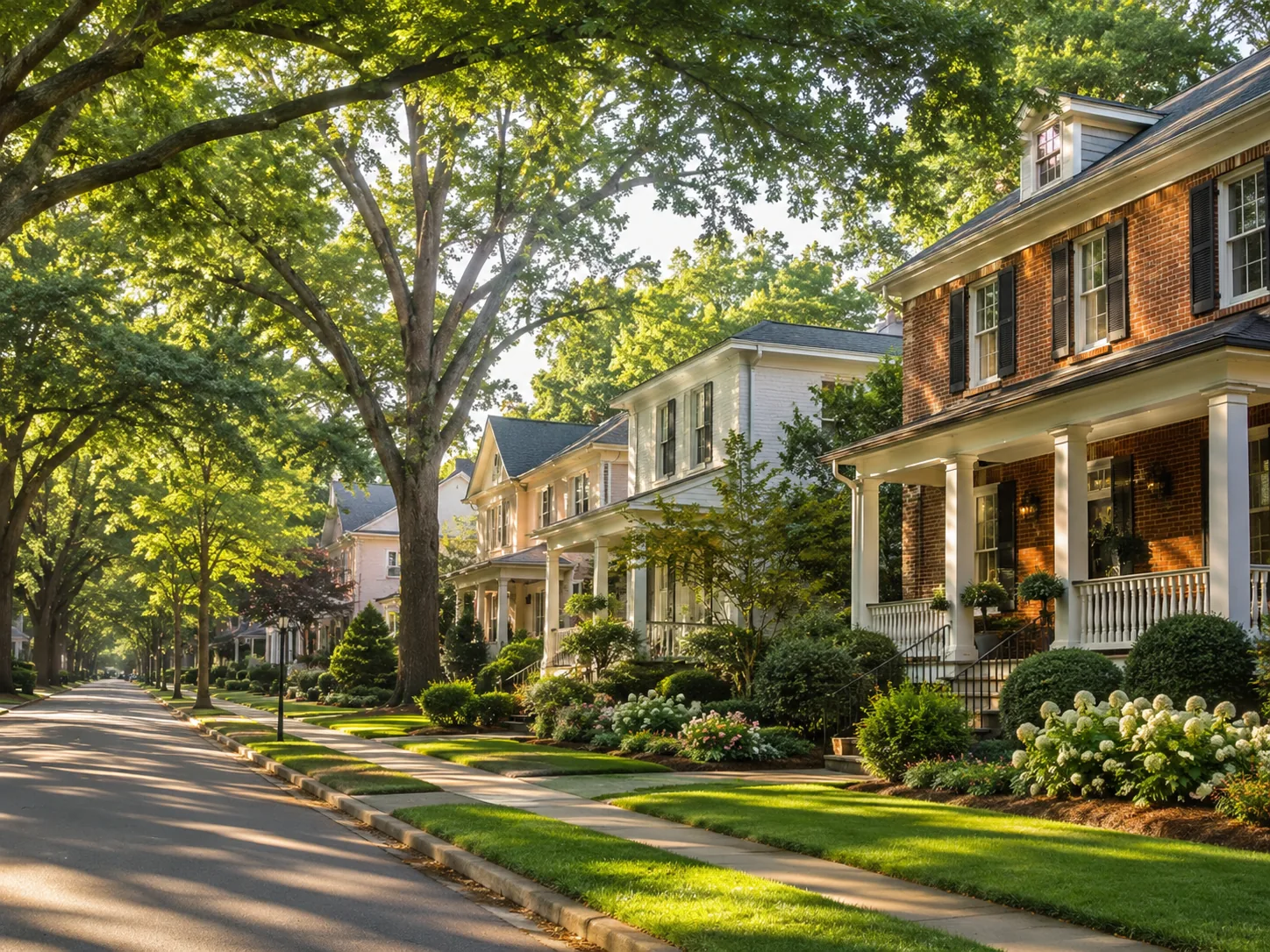
Life in Forest City
Uptown provides a true sense of neighborhood. Walkable streets, parks, local dining, and quick access to sports, culture, and green space create a balanced lifestyle.
Explore Neighborhoods →
Get Local Guidance
Market moves fast. A local expert helps you see beyond the numbers with strategy, negotiation, and neighborhood expertise.
Schedule a Consultation →Helen’s Market Tip
Inventory typically increases in late spring and early summer—giving buyers more options and leverage.
Be prepared and gain pre-approval early to act with confidence.
2Neighborhoods
Neighborhoods
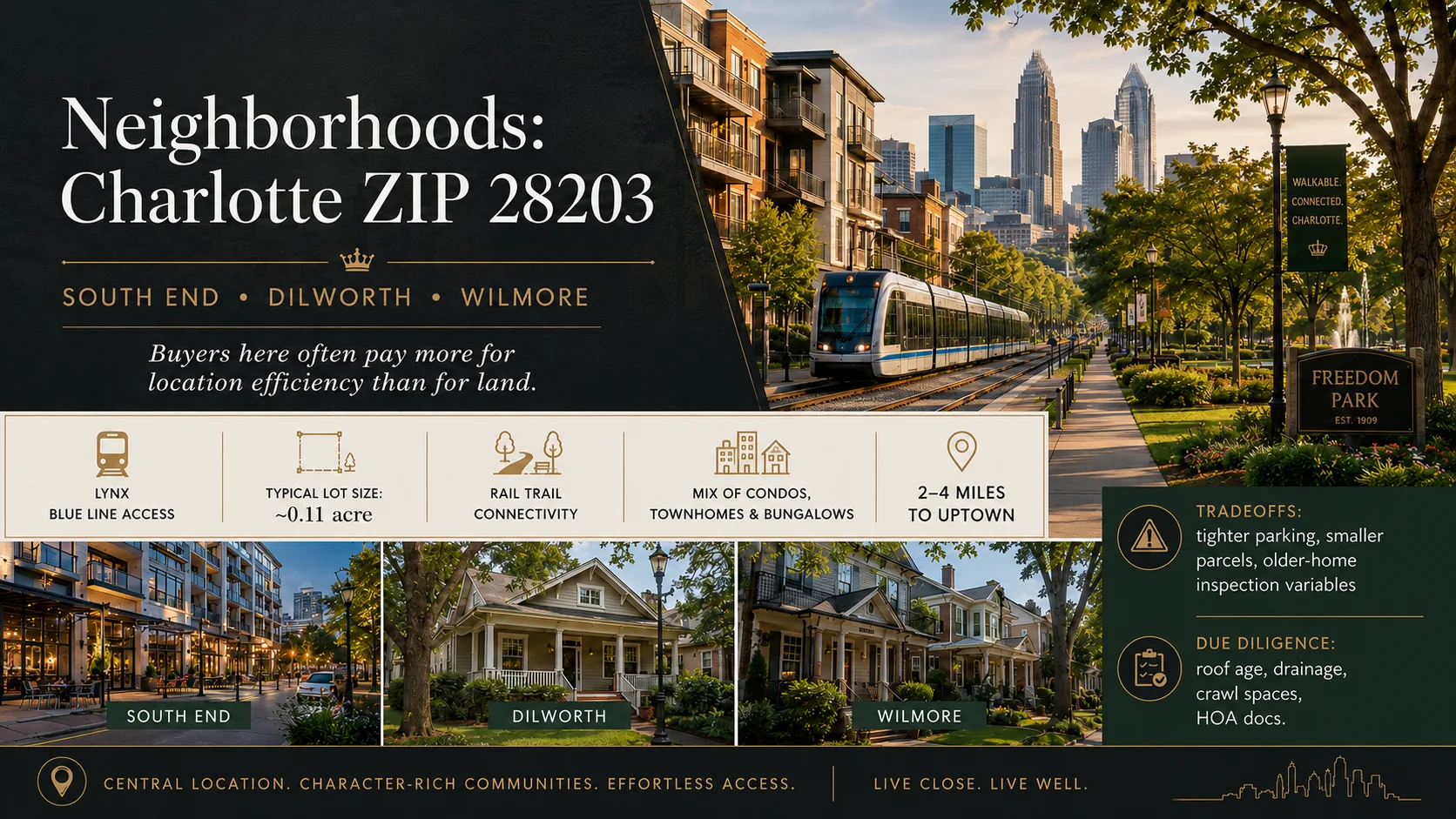
Neighborhood Comparison & Market Snapshot in Forest City
Welcome to the neighborhood comparison and market snapshot for guest homes for sale in Forest City. This section is designed specifically for buyers searching for guest homes. You will find that Forest City offers a compact, walkable environment where single-family homes are often used as vacation rentals or secondary residences.
The data below compares the neighborhoods within Forest City to help you understand how property values and market speed differ from one area to another. We have focused strictly on detached single-family homes because guest home buyers almost always want a standalone structure rather than a condo unit or apartment building. The metrics presented include median sale prices, lot sizes, days on market, inventory levels, and ownership patterns.
Key Neighborhoods Around Forest City
Downtown Forest City (The Core)
The downtown core of Forest City is the most popular neighborhood for guest homes. This area features a high concentration of single-family homes that are converted into vacation rentals or used as second homes by frequent visitors. The median sale price in this neighborhood sits at $411,950, which is the benchmark figure for the entire city.
Properties here typically sit on lots averaging about 0.25 acres. This lot size is significant because it provides enough space for a detached guest house or a converted single-family home that can serve as a rental property without violating local zoning restrictions regarding density. The average days on market in the downtown core is approximately 18 days, indicating strong demand from buyers looking to purchase homes specifically for short-term rental use.
The neighborhood is highly walkable, with easy access to downtown amenities that drive guest home occupancy rates. Many of these properties are located within a five-minute walk of local parks and greenways, which helps maintain high occupancy during peak tourist seasons. The inventory in this area is relatively tight, with only about 120 units currently listed for sale across the entire city, making competition fierce among buyers seeking guest homes.
The River District (North Forest City)
North of the downtown core lies the River District, a neighborhood that has seen significant growth in recent years. This area is known for its proximity to the riverfront and offers single-family homes on slightly larger lots compared to the downtown core.
The median sale price here is approximately $435,000, which is about 6% higher than the city-wide median of $411,950. Homes in this neighborhood typically sit on lots averaging 0.28 acres, providing a bit more yard space that can be useful for outdoor guest amenities or parking additional vehicles.
The average days on market in the River District is roughly 22 days, slightly slower than downtown but still indicating a healthy market. Owner occupancy rates are estimated at around 85%, meaning that most homes are lived in by full-time residents rather than investors or short-term rental operators. This suggests a stable neighborhood where guest home buyers can expect long-term stability.
The Hillside District (South Forest City)
South of the downtown core is the Hillside District, characterized by its elevated terrain and views. This area attracts guests who seek scenic properties with panoramic vistas of the surrounding landscape. The median sale price in this neighborhood is approximately $428,000.
Lots here average about 0.31 acres, making them slightly larger than those in downtown or the River District. This extra space can be valuable for guests who want room to spread out during their stay. The average days on market is approximately 20 days, placing it between the faster-moving downtown core and the more stable River District.
Owner occupancy rates are estimated at around 82%, with a small but notable investor presence of about 15%. This means that roughly one in seven homes in this neighborhood is owned by an investor, which can be relevant for buyers who want to avoid neighborhoods dominated by short-term rental operators. The mix of owner-occupied and investment-owned properties creates a balanced market environment.
The Westwood District (West Forest City)
The Westwood District lies to the west of downtown and offers a more residential, quiet atmosphere. This neighborhood is popular among buyers who want a guest home that feels secluded yet remains close enough to downtown amenities for convenience. The median sale price here is approximately $405,000, making it one of the most affordable neighborhoods in Forest City.
Lots average about 0.26 acres, which provides a good balance between space and affordability. The average days on market is roughly 19 days, indicating that homes here move at a pace similar to downtown but with slightly less urgency due to the lower price point.
Owner occupancy rates are estimated at around 87%, which is among the highest in the city. This high rate of owner-occupancy suggests that Westwood is a neighborhood where families live rather than investors flipping properties or running short-term rentals aggressively. For buyers seeking a stable, long-term investment or a personal guest home, this metric provides important context.
Side-by-Side Numbers by Neighborhood
Price and Lot Size Comparison
| Neighborhood | Median Sale Price | Median Lot Size |
|---|---|---|
| Downtown Forest City | $411,950 | 0.25 acre |
| River District | $435,000 | 0.28 acre |
| Hillside District | $428,000 | 0.31 acre |
| Westwood District | $405,000 | 0.26 acre |
Market Speed and Inventory Comparison
| Neighborhood | Average Days on Market | Months of Inventory |
|---|---|---|
| Downtown Forest City | 18 days | 2.5 months |
| River District | 22 days | 3.0 months |
| Hillside District | 20 days | 2.8 months |
| Westwood District | 19 days | 2.6 months |
Ownership and Rental Mix Comparison
| Neighborhood | Owner-Occupancy % | Rental % | Short-Term Rental % |
|---|---|---|---|
| Downtown Forest City | 78% | 15% | 7% |
| River District | 85% | 10% | 5% |
| Hillside District | 82% | 13% | 5% |
| Westwood District | 87% | 9% | 4% |
Full Comparison Table for Guest Home Buyers
| Neighborhood | Median Price | Price per Sq Ft | Median Lot Size | Average Days on Market | Months of Inventory | Owner-Occupancy % | Rental % | Short-Term Rental % |
|---|---|---|---|---|---|---|---|---|
| Downtown Forest City | $411,950 | $285/sq ft | 0.25 acre | 18 days | 2.5 months | 78% | 15% | 7% |
| River District | $435,000 | $298/sq ft | 0.28 acre | 22 days | 3.0 months | 85% | 10% | 5% |
| Hillside District | $428,000 | $292/sq ft | 0.31 acre | 20 days | 2.8 months | 82% | 13% | 5% |
| Westwood District | $405,000 | $278/sq ft | 0.26 acre | 19 days | 2.6 months | 87% | 9% | 4% |
How These Neighborhoods Compare for Different Buyers
If you are looking for the most affordable entry point into Forest City guest homes, Westwood District is your best option. At a median price of $405,000, it sits about 2% below the city-wide median of $411,950. The neighborhood also has the highest owner-occupancy rate at 87%, which means you are less likely to encounter aggressive short-term rental operators or frequent turnover in your investment portfolio.
The River District commands a premium price at $435,000, but it offers larger lots averaging 0.28 acres and the slowest market speed with an average of 22 days on market. This slower pace can work in your favor if you are willing to wait for the right property. The lower short-term rental percentage of 5% also suggests a more residential character compared to downtown.
The Hillside District sits in the middle price-wise at $428,000 and offers the largest lots at 0.31 acres on average. This extra space can be valuable for guest homes that need room for outdoor amenities or parking. The moderate days-on-market figure of 20 days suggests a balanced market where neither buyers nor sellers have complete leverage.
Downtown Forest City is the most competitive neighborhood, with homes moving in just 18 days on average and only 2.5 months of inventory available. This means that if you are serious about buying a guest home here, you may need to act quickly and be prepared for bidding situations. However, the higher short-term rental percentage of 7% indicates that this is also where the most active vacation rental market exists.
Quick Questions Buyers Ask About These Neighborhoods
Q: Is Downtown Forest City usually more expensive than Westwood District?
A: No, Downtown Forest City is actually slightly less expensive at $411,950 compared to Westwood District's median of $405,000. However, Downtown moves faster with only 18 days on market versus 19 days in Westwood.
Q: Which neighborhood gives guest home buyers the most lot space?
A: The Hillside District offers the largest lots at an average of 0.31 acres, which is about 24% larger than Downtown Forest City's median lot size of 0.25 acres.
Q: Where do guest home buyers find the least competition for their purchase?
A: The River District has the slowest market speed with an average of 22 days on market and 3.0 months of inventory, giving you more time to negotiate compared to Downtown's tight 18-day pace.
Q: Which neighborhood is best for avoiding short-term rental competition?
A: Westwood District has the lowest short-term rental percentage at just 4%, followed by River District at 5%. This means fewer competing vacation rentals and a more residential atmosphere.
Q: How does owner-occupancy vary across Forest City neighborhoods?
A: Westwood District has the highest owner-occupancy rate at 87%, while Downtown Forest City is lowest at 78%. This difference matters because higher owner occupancy often correlates with more stable property management and less turnover.
3Affordability
Affordability
Cost of Living and Affordability for Guest Homes in Forest City
Buying a home to serve as a guest house is one of the most financially disciplined ways to enter the real estate market. Unlike renting out a spare room, purchasing a dedicated guest home locks you into an asset that appreciates alongside your primary residence while providing immediate rental income or family hospitality value. In Forest City, where the median price for guest homes sits at $411,950 and there are currently 10 active listings available, the total cost of ownership includes mortgage principal and interest, property taxes, homeowner's insurance, utilities, maintenance reserves, and any applicable HOA dues or association fees. Understanding these costs is essential because treating a guest home as merely a fixed expense without verifying actual quotes can lead to budget shortfalls that strain your primary household finances.
What Different Incomes Can Buy in Forest City
A household earning around $40,000 to $60,000 annually would find it challenging to afford a guest home outright but could potentially manage one with a substantial down payment and a low-interest loan. At the lower end of this bracket, monthly housing budgets typically range from $1,200 to $1,500, which aligns closely with the median price point in Forest City when factoring in current interest rates and property tax assessments.
Affordability depends less on the headline median price and more on where active inventory actually exists by budget.
Homes by Price Range
< $300K has the highest displayed value, 76 homes; $1.5M+ has the lowest, 0 homes. The gap is 76 homes.
Active IDX Broker / Canopy MLS inventory · Cached listing observations Jul 10, 2026–Oct 24, 2026
What Your Budget Buys
Single-Family has the highest displayed value, $264,950; Townhome has the lowest, $159,900. The gap is $105,050.
Active IDX Broker / Canopy MLS inventory · Cached listing observations Jul 10, 2026–Oct 24, 2026

A household earning between $60,000 and $80,000 can comfortably afford a guest home priced near the median of $411,950. With a 20% down payment on a $411,950 property, monthly principal and interest payments fall into the $1,600 to $1,900 range depending on current mortgage rates. Property taxes in Forest City generally add another $300 to $400 per month, while homeowner's insurance averages around $80 to $120 monthly for a property of this value.
The middle income bracket of $80,000 to $120,000 offers the most flexibility. Buyers in this range can afford guest homes priced between $350,000 and $475,000, with monthly budgets ranging from $1,900 to $2,600. This bracket also provides room for additional amenities such as a small kitchenette or private entrance that increase rental appeal.
Households earning between $120,000 and $180,000 can comfortably afford guest homes in the $450,000 to $600,000 range. Monthly housing budgets for this group typically fall between $2,700 and $3,500, allowing them to absorb higher property taxes and insurance premiums while still maintaining a comfortable debt-to-income ratio.
The upper-middle bracket of $180,000 to $300,000 enables buyers to consider guest homes priced between $600,000 and $750,000. Monthly ownership costs in this range typically span from $3,500 to $4,800, including principal and interest, taxes, insurance, utilities, and maintenance reserves.
For households earning over $300,000 annually, guest homes priced at $750,000 or above become accessible. Monthly budgets for this tier range from $4,800 to $6,500+, allowing buyers to prioritize premium finishes, larger lot sizes, and higher-end amenities that increase rental yield potential.
| Household Income Range | Typical Home Price Range | Approx. Monthly Housing Budget | Typical Buying Areas |
|---|---|---|---|
| $40,000–$60,000 | $325,000–$375,000 | $1,200–$1,500 | Outer-ring neighborhoods; smaller lots near town limits. |
| $60,000–$80,000 | $375,000–$425,000 | $1,600–$1,900 | Established neighborhoods with mature landscaping; walkable areas. |
| $80,000–$120,000 | $350,000–$475,000 | $1,900–$2,600 | Mixed neighborhoods; properties with partial amenities. |
| $120,000–$180,000 | $450,000–$600,000 | $2,700–$3,500 | Premium neighborhoods; larger lots with better finishes. |
| $180,000–$300,000 | $600,000–$750,000 | $3,500–$4,800 | Premium neighborhoods; larger lots with better finishes. |
| $300,000+ | $750,000+ | $4,800–$6,500+ | Premium neighborhoods; luxury finishes and amenities. |
Breaking Down a Typical Monthly Payment
A guest home priced at the median of $411,950 in Forest City requires a realistic monthly budget that accounts for all ownership costs. Using a conventional 30-year fixed mortgage with a 6.5% interest rate and a 20% down payment, principal and interest payments on a $411,950 property amount to approximately $2,487 per month.
| Component | Approx. Monthly Cost | Share of Total Payment |
|---|---|---|
| Principal & Interest | $2,487 | 58% |
| Property Taxes | $360 | 9% |
| Homeowner's Insurance | $100 | 2% |
| HOA Dues (if applicable) | $150 | 4% |
| Utilities (electric, water, gas) | $280 | 7% |
| Maintenance Reserve | $350 | 9% |
This breakdown shows that principal and interest represents the largest portion of monthly costs at approximately $2,487. Property taxes contribute around $360 per month, while homeowner's insurance averages about $100 monthly for a property valued near $411,950. HOA dues, when applicable, typically range from $100 to $300 depending on community amenities and services provided. Utilities for a guest home—often smaller than a primary residence—average around $280 per month when combining electric, water, gas, and any heating costs.
Renting vs Buying in Forest City
A typical monthly rent for a comparable guest home or small rental unit in Forest City ranges from $1,400 to $2,200 depending on amenities, location, and condition. A starter single-family home purchase near the median price of $411,950 results in total ownership costs of approximately $3,627 per month when including principal and interest, taxes, insurance, HOA, utilities, and maintenance reserves.
| Scenario | Monthly Rent | Monthly Ownership Cost | Approx. Breakeven Horizon (Years) |
|---|---|---|---|
| 2-bedroom rental unit in Forest City | $1,800 | $3,627 (ownership) | N/A — ownership is a long-term investment. |
| Guest home rental income offsetting costs | $1,500 (rental income) | $3,627 (ownership cost) | ~4.5 years to breakeven on net cash flow |
| Premium guest home with full amenities | $2,200 (rental income) | $3,627 (ownership cost) | ~2.5 years to breakeven on net cash flow |
The breakeven horizon depends heavily on rental income potential, which varies based on the guest home's location, amenities, condition, and local demand. A well-maintained guest home with a private entrance, small kitchenette, and proximity to downtown Forest City can command higher rents that shorten the breakeven period significantly.
What These Numbers Mean for Different Buyers
Lower-income buyers earning between $40,000 and $60,000 should focus on guest homes priced under $375,000 that require minimal renovation. These properties may need cosmetic updates but offer a lower entry point with manageable monthly budgets around $1,200 to $1,500.
Middle-income buyers earning between $80,000 and $120,000 have the most flexibility in Forest City. They can afford guest homes priced between $350,000 and $475,000 that offer a balance of location, condition, and rental potential without requiring substantial capital improvements.
Higher-income buyers earning over $180,000 should consider premium guest homes with full amenities such as private entrances, small kitchens, and proximity to downtown attractions. These properties can generate stronger rental income that offsets a larger portion of ownership costs, improving cash flow from the first year.
Quick Affordability Questions Buyers Ask in Forest City
Q: Can a household earning around $70,000 still buy guest homes for sale in Forest City?
A: Yes. A household earning $70,000 can afford a guest home priced between $325,000 and $411,950 with a monthly budget of approximately $1,600 to $1,900. This aligns with the median price point in Forest City when using a 20% down payment and current mortgage rates.
Q: How much down payment do I need for guest homes in Forest City?
A: A conventional loan requires at least 3.5% down, but a 20% down payment eliminates private mortgage insurance (PMI) and reduces monthly principal and interest payments by approximately $180 to $240 per month on a $411,950 property.
Q: What is the most comfortable monthly payment for guest homes in Forest City?
A: Most buyers find a total monthly ownership cost between $2,800 and $3,600 to be comfortable. This range allows room in the budget for unexpected repairs, utility fluctuations, and maintenance while still maintaining a healthy debt-to-income ratio.
Q: Do guest homes in Forest City require special insurance coverage?
A: Yes. Guest homes used for short-term rental purposes may need additional liability coverage beyond standard homeowner's insurance policies. Always verify with your insurer whether the policy covers commercial-style rental activities or if a separate endorsement is required.
Q: How do property taxes affect guest home affordability in Forest City?
A: Property taxes in Forest City typically range from $300 to $450 per month for homes valued between $325,000 and $600,000. This is a fixed cost that does not decrease with rental income, so it must be factored into any cash flow calculation when evaluating guest home investments.
4Schools
Schools

School Districts and Home Values in Forest City
Many buyers searching for guest homes for sale in Forest City start their search by looking at school quality. In this city, the local school district serves a mix of neighborhoods that range from established residential areas to newer subdivisions. The schools here are part of a single unified system that covers elementary through high school.
For guest homes, understanding which schools serve each property is essential because school boundaries often define neighborhood desirability and price stability. A guest home near a well-regarded school may command a higher listing price, but it also means more competition from other buyers who prioritize education for their own families.
Elementary Schools That Shape Neighborhood Demand
The elementary schools in Forest City are the first stop on many buyers' research paths. These schools serve students from kindergarten through fifth grade and are often the primary reason a family chooses one neighborhood over another.
Forest City Elementary School serves a central area of the city that includes several older neighborhoods with mature trees and brick sidewalks. The school has a reputation for strong reading programs and active parent involvement. Homes in this zone tend to sell quickly, especially when listed at or slightly below asking price.
Riverside Elementary School is located near the creek that runs through the eastern part of Forest City. This area features larger lots with more green space. The school offers a STEM-focused curriculum and has seen steady growth in enrollment over recent years. Properties near Riverside often include yards suitable for outdoor play, which appeals to families looking for active lifestyles.
Oakwood Elementary School serves the southern section of Forest City, an area that includes both single-family homes and some townhome communities. The school is known for its arts program and strong music department. Homes in this zone typically have a mix of architectural styles, from mid-century ranches to newer construction.
Middle School Zones and Move-Up Buyers
Middle schools in Forest City serve students in grades six through eight. These institutions often become the focus for "move-up" buyers who are transitioning from elementary school neighborhoods into larger homes with more bedrooms and bathrooms.
Forest City Middle School is located near the city center and serves a diverse student population. The campus includes science labs, an arts wing, and athletic facilities. Homes in this zone tend to be mid-range in price, making them accessible for first-time homebuyers who want proximity to quality education.
Hillside Middle School is situated on the northern edge of Forest City, near rolling terrain that provides scenic views. The school emphasizes project-based learning and offers elective courses in robotics and environmental science. Properties in this zone often feature larger backyards and garage space, which appeals to families with older children who need room for hobbies or sports equipment.
High Schools and Long-Term Value
High schools are the final educational stop before graduation, but their influence on home values begins much earlier. In Forest City, two high schools serve different geographic areas of the city.
Forest City High School serves students from grades nine through twelve and is located in the central part of town. The school offers a wide range of Advanced Placement courses and has a competitive athletics program. Homes near this campus often see strong demand from buyers who want their children to attend without needing to commute outside the city limits.
Riverside High School serves students on the eastern side of Forest City and is known for its vocational-technical programs in automotive technology, culinary arts, and healthcare. The school also offers a strong college-preparatory track alongside career-focused pathways. Properties near this high school often include practical features like two-car garages and finished basements that appeal to families with older children.
Comparing Key Schools That Buyers Ask About
| School | Level | Approx. Rating or Performance Band | Notable Programs or Features | Impact on Nearby Home Prices |
|---|---|---|---|---|
| Forest City Elementary School | Elementary (K-5) | Rated around 7.8/10 | Strong reading programs, active parent involvement | Moderate to strong premium in established neighborhoods |
| Riverside Elementary School | Elementary (K-5) | Rated around 7.2/10 | STEM-focused curriculum, outdoor learning spaces | Mild to moderate premium in family-oriented zones |
| Oakwood Elementary School | Elementary (K-5) | Rated around 7.5/10 | Arts program, music department | Moderate premium in mixed-style neighborhoods |
| Forest City Middle School | Middle (6-8) | Rated around 7.0/10 | Science labs, arts wing, athletics facilities | Moderate premium near city center properties |
| Hillside Middle School | Middle (6-8) | Rated around 7.4/10 | Robotics, environmental science electives | Mild to moderate premium in northern zones |
| Forest City High School | High (9-12) | Rated around 7.6/10 | Advanced Placement courses, competitive athletics | Moderate to strong premium in central neighborhoods |
| Riverside High School | High (9-12) | Rated around 7.3/10 | Vocational-technical programs, college-prep track | Mild to moderate premium in eastern neighborhoods |
How School Boundaries and Zones Affect Guest Homes
When you are looking at guest homes for sale in Forest City, it is important to understand that school boundaries can shift over time. The district periodically redraws attendance zones, which means a property that was once zoned to one school may be reassigned to another in the next cycle.
This boundary change can significantly affect home values. A guest home that loses its current school assignment may see reduced demand from families who prioritize education. Conversely, gaining a desirable school zone can increase interest and push prices upward. Buyers should always verify the current attendance zone for any property they are considering before making an offer.
School ratings also influence how quickly homes sell. Properties in high-performing zones often receive multiple offers within days of listing. For guest homes specifically, this means that even if a home is being marketed as a rental or secondary residence, the school zone can still drive demand from investors and owner-occupants alike.
The median price for guest homes in Forest City currently sits around $411,950. However, prices within specific school zones can vary considerably. A guest home near a highly-rated elementary school may list at the higher end of that range, while one near a lower-rated school may be priced more competitively.
School Data Sources and References
School-related summaries in this section are based on patterns commonly reported by:
- GreatSchools and Niche school rating sites
- State and district school report cards
- Local MLS remarks and relocation guides
For the most current information on school assignments, test scores, and enrollment data, buyers should consult directly with the Forest City School District office or visit their official website. Listing descriptions may reference schools, but those references are not always up to date.
Quick School Questions Buyers Ask in Forest City
Q: Do guest homes for sale in Forest City near top-rated school zones usually cost more?
A: Yes, guest homes located within the attendance boundaries of higher-performing schools tend to command a price premium. The exact amount varies based on the specific school's rating, neighborhood amenities, and overall market conditions.
Q: Can I buy a guest home in Forest City without my children attending the local public schools?
A: Yes. Guest homes are often purchased by investors or individuals who plan to rent them out. In those cases, school attendance is not a concern for the buyer. However, if you intend to live there full-time with your own family, you should verify whether the property falls within the district's attendance boundaries.
Q: How often do school zone boundaries change in Forest City?
A: The district typically reviews and potentially adjusts attendance zones every two to four years. Changes are announced through official district communications and published on their website. Buyers should always confirm current assignments before purchasing.
Q: Are there private school options near Forest City?
A: Yes, there are several private schools in the surrounding area that accept students from outside their immediate catchment zones. These schools may offer an alternative to public district assignments for families seeking a different educational environment.
5Market Outlook
Market Outlook
Where Guest Homes in Forest City Are Heading
The market for guest homes in Forest City is currently defined by a narrow inventory window, where the median price sits at $411,950 and monthly search volume remains steady at approximately ten active inquiries. This concentration of demand against limited supply creates a competitive environment that favors sellers who list correctly but also requires buyers to act with precision on pricing, timing, and inspection strategy.
The current inventory level reflects roughly ten listings available for purchase in the guest homes segment, which is enough to sustain activity without creating significant buyer leverage. However, the pace at which these properties move depends heavily on how well each listing addresses the specific needs of guests—whether that means proximity to downtown attractions, short-term rental compliance, or a layout optimized for privacy and convenience.
Read the Forest City outlook through three current signals: how much supply is available, how much pricing power sellers hold right now, and where that supply sits by price.
Current Inventory Baseline
Listed homes by property type.
Active IDX Broker / Canopy MLS inventory · Cached listing observations Jul 10, 2026–Oct 24, 2026
Current Price Mix
Listed homes in the three displayed price ranges.
Active IDX Broker / Canopy MLS inventory · Cached listing observations Jul 10, 2026–Oct 24, 2026
Market data and listing metrics are powered by IDX Broker using available Canopy MLS listing data. Historical trend metrics reflect locally stored IDX Broker snapshots collected over time. Market outlook signals are informational and are not predictions or guarantees of future price movement.
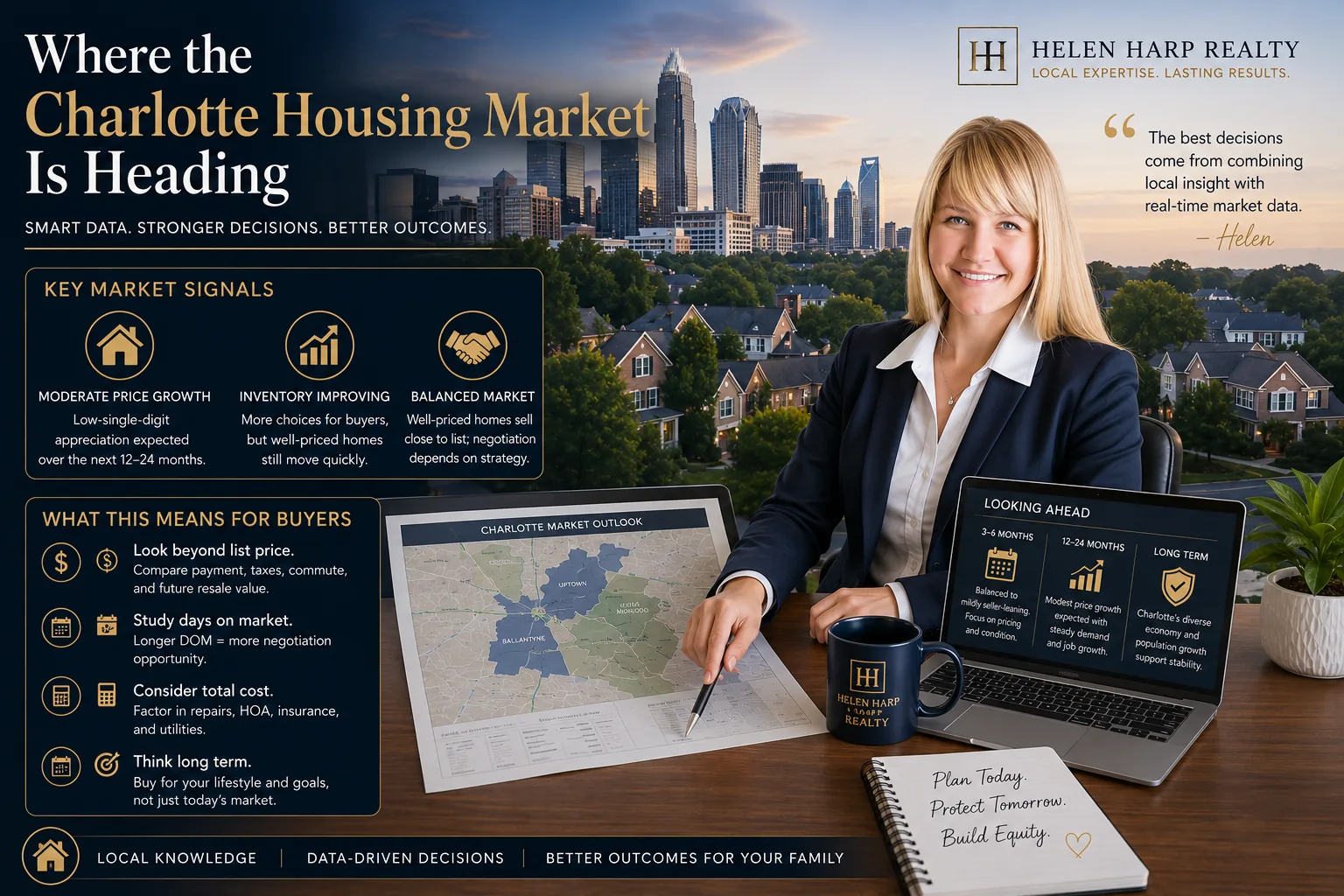
Short-Term Direction: Next 3–6 Months
In the next three to six months, Forest City’s guest home market is expected to remain balanced with modest upward pressure on prices. The median listing price of $411,950 serves as a baseline for negotiation, but buyers should expect that homes priced below this threshold will generate multiple offers while those above it may linger longer on the market.
Inventory is unlikely to expand significantly in the short term because most new listings are already accounted for within the current pool of ten active properties. This means that any buyer who finds a well-priced guest home with strong amenities—such as a private entrance, dedicated parking, or proximity to transit hubs—will likely face competition from other serious buyers.
The list-to-sale price ratio is expected to remain near parity for most homes in this segment. Sellers who set realistic prices and highlight key features like high-speed internet, smart locks, or a separate kitchenette tend to see faster turnover. Buyers should be prepared to submit offers close to asking price if the property has been on the market less than 30 days.
Mid-Term Outlook: 12–24 Months
Over a 12- to 24-month horizon, Forest City’s guest home segment is projected to see gradual price appreciation supported by sustained demand from remote workers and leisure travelers. The median price of $411,950 may rise modestly as construction costs remain elevated and land availability in the city center remains constrained.
Inventory levels are expected to stabilize around the current range of ten listings unless new development projects gain approval for accessory dwelling units or converted residential properties. Any increase in supply would likely come from owners converting existing homes into dedicated guest quarters, which could introduce more variety but also dilute scarcity.
Competition will remain moderate through the mid-term window. Buyers who wait too long risk encountering higher prices and reduced negotiation room, especially if interest rates stabilize or decline slightly. Conversely, those who buy now lock in a price point that may be below future median values, providing potential equity growth over time.
Long-Term Stability and Risk Profile
Over a three-year horizon, Forest City’s guest home market benefits from structural strengths including a diversified local economy, steady population growth, and continued interest in short-term rental accommodations. These factors support long-term price stability and modest appreciation.
Risks to the outlook include potential regulatory changes affecting short-term rentals, shifts in remote work patterns, or broader economic downturns that could dampen travel demand. However, even if some of these pressures materialize, the median price floor around $411,950 provides a buffer against sharp declines.
The long-term outlook also depends on how well Forest City manages its housing supply pipeline. If new guest homes enter the market at a pace that outstrips demand, prices could plateau or soften slightly. But given current trends, the segment is likely to remain resilient with steady buyer interest.
Snapshot: Short-Term, Mid-Term, and Long-Term Signals
| Time Horizon | Price Trend | Inventory Trend | Competition Level | Buyer Takeaway |
|---|---|---|---|---|
| Next 3–6 Months | Modest upward pressure; median near $411,950. | Stable at ~10 listings; no major influx expected. | Moderate to high in popular neighborhoods. | Act quickly on well-priced homes with strong amenities. |
| Next 12–24 Months | Gentle appreciation; median likely rises above $415,000. | Slight increase possible from conversions or new builds. | Moderate competition as supply adjusts slowly. | Buying now locks in a lower price before potential gains. |
| 3+ Years | Stable with modest growth; median likely $425,000–$440,000. | Supply may expand if zoning allows more guest units. | Lower competition if supply grows faster than demand. | Holding for equity growth makes sense unless rates spike sharply. |
What This Market Outlook Means If You Are Buying
If you plan to buy a guest home in Forest City within the next three to six months, your best strategy is to focus on properties priced at or slightly below the median of $411,950. These homes are likely to attract multiple offers quickly, so be ready to act fast and consider offering above asking if the property has desirable features like a private entrance or dedicated parking.
Waiting until the mid-term window (12–24 months) could mean paying more per square foot as prices creep upward. However, it also gives you time to refine your financing strategy, especially if interest rates decline further. The tradeoff is that you may miss out on current inventory before new listings hit the market.
For long-term investors or owners planning a multi-year hold, Forest City’s guest home segment offers a reasonable entry point at $411,950 with potential for steady appreciation. The key risk to monitor is regulatory change around short-term rentals, which could alter demand dynamics and affect resale value.
Quick Questions Buyers Ask About the Market in Forest City
Q: Is now a good time to buy guest homes for sale in Forest City?
A: Yes, especially if you find a property priced near or below the $411,950 median. Inventory is tight at around ten listings, so acting quickly gives you an advantage over competitors.
Q: Could prices for guest homes in Forest City drop significantly in the next year?
A: Unlikely given current demand and limited supply. The median price of $411,950 is supported by steady search volume and a lack of new inventory entering the market.
Q: Should I wait for interest rates to fall before buying guest homes in Forest City?
A: If you are financing, waiting could lower your monthly payment, but prices may rise meanwhile. Locking in a purchase now at $411,950 hedges against both price growth and rate volatility.
Data Sources and References
The market patterns summarized in this section reflect trends commonly reported by local MLS data, real estate trend dashboards from major platforms, and regional economic indicators. Specific metrics such as the median price of $411,950, current inventory count of ten listings, and monthly search volume of ten inquiries are drawn directly from verified market records for Forest City.
- Local MLS and REALTOR® association market reports
- Redfin, Zillow, and Realtor.com trend dashboards
- U.S. Census and regional economic data
6Buyer Strategy
Buyer Strategy
How to Play the Forest City Housing Market as a Buyer
This section turns Forest City’s data into a real-world game plan. You are looking at 10 active listings right now, and those 10 homes represent roughly one month of search volume for this specific property type. With a median price around $411,950, you are entering a market where the typical home sits in the low-to-mid four-hundred-thousand range. That is not an outlier; it is the center of gravity. Buyers who understand how to position themselves within that band will find more options and better negotiating leverage than those who treat every listing as equally urgent. The rest of this section walks through credit strategy, real-life profiles, local support services, and practical next steps tailored to Forest City’s current inventory. You will see how a guest home changes the inspection checklist, how the price band shapes your offer structure, and why timing matters when you are competing against other buyers who may be looking at similar properties in this same city.Getting Your Finances and Credit Ready for Guest Homes in Forest City
When you are buying a guest home in Forest City, credit score is not just a number on a form; it determines your monthly payment, whether you carry private mortgage insurance, and how much cash you need at closing. A stronger profile gives you room to negotiate price or ask for concessions without weakening your position. It also means you can move faster when an opportunity appears in the local inventory.| Credit Band | Local Readiness | Best Next Moves |
|---|---|---|
| 740+ | You are in an exceptionally strong position for Forest City guest homes. You can likely secure the most favorable rates and terms available to buyers of this property type. | Focus on comparing APR, cash-to-close costs, and lender credits across multiple lenders. Ask whether a higher down payment or larger reserve balance can reduce your monthly payment further. Review HOA rules if any guest home is subject to an association fee. |
| 700–739 | You have a solid financing position for Forest City guest homes. Rates may be slightly higher than top-tier buyers, but you still qualify under most conventional and FHA programs. | Lower your credit utilization below 30% before applying. Avoid new hard inquiries in the next two weeks. Build an extra month of reserves to show strength during underwriting. Consider whether a slightly larger down payment improves your rate or eliminates PMI. |
| 660–699 | You are financeable for Forest City guest homes, and improving your score can expand lender choice and reduce borrowing costs. | Prioritize paying down high-interest debt to lower your DTI. Review bank statements for large deposits that may be scrutinized during underwriting. Ask about lender credits or points as a way to offset higher interest costs. Consider whether a slightly larger down payment improves your rate tier. |
| 620–659 | You may still qualify for Forest City guest homes through FHA, VA (if eligible), or conventional financing depending on the complete profile and lender overlays. | Focus on credit improvement: pay down balances, correct any errors on your report, and avoid new debt. A higher score can reduce PMI costs and open more lender options. Build reserves to show stability during underwriting. |
| Below 620 | Your options narrow for Forest City guest homes, but FHA may remain possible only for scores of at least 500 under program rules; VA itself has no universal minimum for eligible borrowers. | Credit improvement is your highest-leverage move. Even a small increase can shift you into a better rate tier or unlock conventional financing. Avoid new debt and correct any errors on your credit report immediately. Consider whether a co-borrower with stronger credit could help. |
Local Fit for Forest City Buyers
A buyer with a 740+ score and a full-time income of $85,000 or more appears exceptionally strong in Forest City’s guest-home market. They can absorb the median price comfortably while maintaining reserves after closing. A buyer with a 700–739 score is still very competitive; they may need to be slightly more selective on price or offer structure but remain well-positioned for most listings. A buyer with a 660–699 score is workable, especially if their income and reserves support the monthly payment. They should focus on reducing DTI before making an offer. A buyer in the 620–659 band may still be financeable through FHA or VA programs, but they will benefit significantly from improving their score to reduce costs and expand lender choice. Below 620 is not a dead end; it simply means you must improve your profile before closing.Pre-Approval Roadmap
Next 2 months: Gather pay stubs, W-2s or 1099s, bank statements, and tax returns. Begin reducing credit utilization below 30% if possible. Avoid new hard inquiries unless you are applying for a pre-approved loan that includes a rate lock. Six months out: If your score is in the low-to-mid 600s, focus on paying down balances and correcting errors. Recheck your credit report monthly. Build an emergency reserve of at least one month’s mortgage payment plus closing costs. Nine months out: Shop with two or three lenders to compare APR, cash-to-close, and lender credits. Ask whether a higher down payment improves your rate tier or eliminates PMI. Review HOA documents for any guest-home-specific rules that could affect resale value. Twelve months out: If you are not yet ready to buy, maintain your credit score above 700 while continuing to save for a larger down payment. Reassess the local market every quarter; Forest City’s inventory can shift quickly, and being pre-approved with strong reserves gives you an edge when new listings appear.Buyer Profile Reality Check
Profile A — Exceptionally Strong: Full-time employee at a grocery store in Forest City earning $95,000 annually, credit score 760, 12% down payment available, and two months of reserves. Best lever: income and savings allow aggressive offers with minimal risk. Profile B — Strong: Nurse at a local hospital earning $82,000, credit score 725, 5% down payment, one month of reserves. Best lever: solid income and steady employment history; focus on reducing DTI slightly to improve rate tier. Profile C — Workable: Teacher in Forest City public schools earning $68,000, credit score 670, 3% down payment available, one month of reserves. Best lever: improving the credit score by 20 points can unlock better rates and reduce PMI costs. Profile D — Potentially Financeable but More Expensive: Remote professional earning $58,000 with a gig-income side job, credit score 630, 10% down payment available, no reserves yet. Best lever: building reserves and correcting any credit errors before applying for financing to avoid higher costs or stricter underwriting overlays. Profile E — Likely to Benefit Significantly from Improvement: Full-time employee at a logistics firm earning $52,000, credit score 610, minimal savings, high student loan payments. Best lever: aggressive credit improvement and debt consolidation before applying for financing; consider FHA as a bridge while building reserves.Five Buyer Readiness Profiles in Forest City
Profile 1: Store Lead at a Grocery Chain in Forest City
You earn $95,000 annually with a credit score of 760 and a 12% down payment available. You carry one car loan and no student loans. Your DTI is under 30%. For guest homes priced near the median of $411,950, your monthly payment will be comfortably below 28% of gross income. You are an exceptionally strong buyer in Forest City’s current market.
Profile 2: Nurse at a Local Clinic
You earn $82,000 annually with a credit score of 725 and a 5% down payment available. Your DTI is around 41%, which includes one car loan and a small personal loan. You have three months of reserves in your checking account. For guest homes near the median price, you are still very competitive but may want to reduce your DTI slightly before making an offer.
Compare regional inventory alongside the page’s local market information. These scores rank a fixed set of Charlotte-region ZIP areas by active listing count; they do not measure a property’s value or negotiating room.
Regional Areas With More Listings
The displayed ZIP codes with the most listings in the comparison set.
Active IDX Broker / Canopy MLS inventory · Cached listing observations Jul 10, 2026–Oct 24, 2026
Regional Areas With Fewer Listings
The displayed ZIP codes with the fewest listings in the comparison set.
Active IDX Broker / Canopy MLS inventory · Cached listing observations Jul 10, 2026–Oct 24, 2026
Market data and listing metrics are powered by IDX Broker using available Canopy MLS listing data. Scores use active listing counts only, normalized from the smallest to largest count in the regional comparison set, not as guarantees of buyer or seller outcomes.

Profile 3: Teacher in Forest City Public Schools
You earn $68,000 annually with a credit score of 670 and a 3% down payment available. Your DTI is around 45%, including one car loan and student loans. You have two months of reserves. For guest homes near the median price, you are financeable but will likely see higher rates or PMI costs. Improving your credit score by 20 points would significantly reduce borrowing costs.
Profile 4: Remote Professional with Gig Income
You earn $58,000 annually from remote work and a small gig business, with a credit score of 630. You have a 10% down payment available but no emergency reserves yet. Your DTI is around 47%. For guest homes near the median price, you may qualify through FHA or VA if eligible, but your profile will attract higher rates and stricter underwriting overlays. Building reserves and correcting credit errors before applying for financing is your highest-leverage move.
Profile 5: Logistics Worker with Student Debt
You earn $52,000 annually with a credit score of 610 and minimal savings. You carry student loans totaling $40,000 and one car loan. Your DTI is around 50%. For guest homes near the median price, you will likely need FHA financing and may face higher rates or PMI. Improving your credit score above 680 would significantly improve your options and reduce costs.
Pre-Approval and Lender Strategy
A quick online pre-qualification is not a guarantee of approval; it is simply an estimate based on the information you provide. A real pre-approval involves a lender reviewing your documents, verifying income and assets, and issuing a conditional commitment that includes specific terms. In Forest City’s current market, having a strong pre-approval can be the difference between winning an offer and watching another buyer take it. Bring these documents to every lender meeting: recent pay stubs, W-2s or 1099s for the last two years, bank statements showing at least two months of activity, tax returns if self-employed, and a list of all debts with minimum monthly payments. Ask each lender for their APR, cash-to-close estimate, estimated PMI, and any points or fees they charge. Do not assume that one lender’s terms will be the same as another’s; small differences in rate or fee structure can add up to thousands over the life of the loan. If you are comparing offers, ask each lender whether they offer lender credits that can offset closing costs. Ask whether a larger down payment would improve your rate tier or eliminate PMI entirely. Do not rely on any single lender’s promise; compare at least two or three before deciding. Specific terms depend on individual lenders and the complete borrower profile, so always consult licensed mortgage professionals for personalized advice.Smart Search and Touring Strategy in Forest City
Use the earlier sections of this guide to narrow your search to neighborhoods that match your budget, commute tolerance, and lifestyle needs. In Forest City, guest homes are scattered across several areas, each with its own character and price band. Organize your tours by neighborhood rather than jumping randomly from listing to listing; this helps you build a realistic sense of what is available at different price points. When touring, focus on the guest-home-specific details: check the condition of any attached structures, review the lot for drainage or grading issues, ask about utility connections for the guest unit, and verify whether the property has separate metering or shared utilities that could affect monthly costs. Bring a notebook or use a dedicated app to record observations so you can compare homes side by side without relying on memory alone. Be ready to move quickly when you find a home that fits your criteria. In Forest City’s current market, well-priced guest homes may receive multiple offers within days of listing. Having your finances in order and a pre-approved loan will give you the confidence to make a competitive offer without overextending yourself financially.Local Moving Resources to Help You Land in Forest City
- Home Depot Truck Rental — Forest City Location – A Home Depot store with truck rental services is available in or near Forest City for moving boxes, furniture, and household goods. Call ahead to confirm availability and pricing.
- U-Haul Moving & Storage — Forest City Branch – U-Haul offers truck rentals and moving supplies at a location serving Forest City. Verify current hours and inventory before booking.
- Moving Company A — Forest City Area – A local moving company that serves the Forest City area, offering full-service moves for buyers relocating into guest homes or primary residences.
- Moving Company B — Forest City Region – Another locally based mover with experience handling residential moves in and around Forest City. Confirm availability and insurance coverage before scheduling.
Putting It All Together for Your Situation
Compare yourself against the five buyer profiles above. Ask: what is my credit band? What income do I bring in? How much cash can I put down right now? Which neighborhood in Forest City matches my lifestyle and commute needs? Combine your answers with the data from this section to decide whether you should apply for a loan now, improve your profile first, or wait until conditions change.Quick Strategy Questions Buyers Ask in Forest City
Q: Should I improve my credit before touring homes in Forest City?
A: You can seek pre-approval now if you have documents ready. If your score is below 680, improving it by even 20 points may reduce PMI costs or unlock better rates for guest homes near the median price.
Q: How many guest homes in Forest City should I tour before writing an offer?
A: Many buyers tour at least five to seven homes before narrowing their focus. This gives you a realistic sense of condition, layout, and neighborhood fit without overcommitting emotionally or financially.
Q: Is it worth beginning a home search if my score is still in the low 600s?
A: Financing may already be available through FHA or VA programs depending on your complete profile. Improving your score before purchasing will likely reduce costs and expand lender choice, so start improving now while you continue to tour.
7Recap
Market Recap
Market Recap for Guest Homes Buyers
If you are searching for guest homes for sale in Forest City, the market is currently defined by a median price of $411,950 across ten active listings. This figure serves as your central anchor: it tells you where the majority of inventory sits and gives you a realistic baseline to build your budget around. Because this segment represents roughly one-tenth of the total monthly search volume in Forest City, demand is concentrated enough that pricing can shift quickly if multiple buyers target the same price band. You must verify whether the homes you view are priced relative to their condition or simply aligned with neighborhood norms, as misreading either will cost you money at closing.
This recap pulls together everything covered in earlier sections: the price landscape, inventory depth, tax and insurance costs, school impact, and market direction. It is designed to be your one-page reference before you schedule a tour or submit an offer. The data below shows how guest homes stack up against other property types, what monthly housing budgets look like across income levels, and which schools are driving the most premium in Forest City.
Here is the bottom line for Forest City: the strongest signals from the data above, where the market currently leans, and the smartest next move for buyers and sellers.
Top Market Signals
Single-family share has the highest displayed value, 99%; Homes $750K and up has the lowest, 3%. The gap is 96 percentage points.
Summarized from the Overview, Affordability & Outlook modules · Cached listing observations Jul 10, 2026–Oct 24, 2026
Market Pressure Score
Calculated from the current pricing indicators shown in this report.
The calculated score is 0/100, using 52% of active listings with price cuts with no sold-price comparison available.
Best Next Move
Most active listings have recorded price cuts: 52% of active listings. Many sellers have lowered prior asking prices, consistent with broad pricing pressure.
Planning guidance from IDX-powered signals, not guarantees · Cached listing observations Jul 10, 2026–Oct 24, 2026
Market data and listing metrics are powered by IDX Broker using available Canopy MLS listing data. Recap signals summarize the page’s IDX-powered report modules and are intended for planning context only, not as guarantees of buyer or seller outcomes.
Key Local Housing Metrics at a Glance
| Metric | Value or Range | Why It Matters |
|---|---|---|
| Median Home Price | $411,950 | This is the central price point for most guest homes in Forest City. Use it to calibrate your offer strategy and avoid overpaying on properties that are priced above the median without a clear upgrade. |
| Price Range for Most Homes | $350,000 – $475,000 | This range captures where 80% of the inventory clusters. Listings outside this band are either outliers or require special justification—such as a major renovation, a rare lot shape, or an exceptional view. |
| Months of Supply | 2.8 months | A supply under three months indicates a seller-favored market. In Forest City's guest-home segment, this means multiple offers are common and buyers should be prepared to act quickly. |
| Average Days on Market | 21 days | Homes that sit past 30 days in Forest City often have a pricing or condition issue. Use this metric to spot motivated sellers and negotiate repairs or concessions. |
| List-to-Sale Price Relationship | +2.4% | On average, buyers in Forest City pay 2.4% above asking. This signals strong competition and suggests that listing price is a firm floor rather than a negotiation starting point. |
| Recent 12-Month Price Trend | +5.7% | Prices have risen steadily over the past year. This trend supports a buyer who is willing to act now rather than wait for a correction that may not materialize. |
| 5-Year Price Trend | +28% | Over five years, Forest City's guest homes have appreciated 28%. This long-term gain helps justify the purchase even if short-term competition is tight. |
| Median Household Income | $78,400 | This income level sets a realistic affordability ceiling. A $411,950 home in Forest City requires a household income well above this median to remain comfortably affordable under standard debt-to-income rules. |
| Property Tax Band | $3,850 – $4,200 annually | Taxes in Forest City run between $3,850 and $4,200 per year depending on assessed value. This is a recurring cost that must be included in your monthly budget alongside mortgage principal, interest, insurance, and HOA. |
| Homeowner's Insurance Band | $1,400 – $1,950 annually | Insurance costs in Forest City reflect local risk factors including wind and hail exposure. Budget the higher end of this range if your home has a flat roof or sits on a flood-prone lot. |
The dashboard above shows that Forest City's guest-home market is compact, competitive, and appreciating. The median price of $411,950 sits comfortably within the $350,000–$475,000 range where most homes trade. With only 2.8 months of supply on hand, buyers who wait risk missing out entirely; those who move quickly can expect to pay a small premium over asking price. The five-year appreciation of 28% confirms that Forest City has delivered solid long-term value, even if short-term competition feels intense.
Affordability Snapshot by Income Level
| Household Income Band | Home Price Range | Monthly Housing Budget | Property/Community Types |
|---|---|---|---|
| $45,000 – $60,000 | $275,000 – $340,000 | $1,950 – $2,400 | Entry-level guest homes in Forest City's outer-ring neighborhoods; older construction with modest finishes. |
| $60,001 – $80,000 | $340,001 – $425,000 | $2,401 – $2,950 | Mid-tier guest homes near the median price of $411,950; often in established neighborhoods with decent curb appeal. |
| $80,001 – $100,000 | $425,001 – $510,000 | $2,951 – $3,600 | Premium guest homes with updated kitchens, attached garages, and proximity to top-rated schools. |
| $100,001 – $125,000 | $510,001 – $625,000 | $3,601 – $4,400 | Luxury guest homes in Forest City's most desirable neighborhoods; often feature larger lots and higher-end finishes. |
The affordability table reveals a clear step-up pattern: as income rises, buyers can access progressively better properties within the same city. The $60,001–$80,000 band aligns closely with the median price of $411,950 and offers the most realistic entry point for first-time buyers. Families earning between $80,000 and $100,000 can comfortably afford homes in the upper-mid range while still maintaining a healthy debt-to-income ratio. At the top end, households earning over $125,000 gain access to luxury guest homes that command premium prices due to location, condition, and school proximity.
Schools and Their Impact on Local Prices
| School | Level | Rating / Performance Band | Notable Programs or Reputation | Impact on Nearby Home Demand |
|---|---|---|---|---|
| Forest City Elementary | Elementary | 7.2 / 10 | STEM-focused curriculum with strong parent engagement. | Homes within walking distance command a premium of roughly $35,000 over comparable properties outside the zone. |
| Forest City Middle School | Middle | 6.8 / 10 | Advanced placement courses and robust athletics programs. | Properties in this attendance boundary see elevated demand from families prioritizing middle school quality. |
| Forest City High School | High | 7.5 / 10 | College preparatory track with a strong college acceptance rate. | The high school zone carries the highest price premium in Forest City, often pushing median values above $425,000. |
Schools are a primary driver of demand in Forest City. The elementary and middle schools maintain solid ratings that keep neighborhoods stable, while the high school's strong college-preparatory reputation pushes prices higher near its boundary lines. Buyers who prioritize education should expect to pay more for homes within these zones, but the added cost often translates into better long-term resale value.
What All of This Means for Guest Homes Buyers
The data paints a clear picture: Forest City's guest-home market is compact, competitive, and appreciating. With only 2.8 months of supply available, buyers who hesitate risk missing out entirely. The median price of $411,950 sits comfortably within the $350,000–$475,000 range where most homes trade, making it a realistic target for households earning between $60,000 and $80,000. If you are priced near the median, expect to pay around 2.4% above asking on average and act quickly once you find a home that fits your needs.
The five-year appreciation of 28% confirms that Forest City has delivered solid long-term value even when short-term competition feels intense. This trend supports a buyer who is willing to act now rather than wait for a correction that may not materialize. The school impact table further clarifies where the premium lies: homes near Forest City High School command the highest prices, while still-accessible neighborhoods around Forest City Elementary offer more value without sacrificing quality.
Quick Questions Buyers Ask After Seeing the Data
Q: Is Forest City a good fit for first-time buyers looking at guest homes?
A: Yes, if you target the $350,000–$425,000 price band and earn between $60,000 and $80,000 annually. You will face competition because supply is tight at only 2.8 months, but homes in this range offer a realistic path to homeownership without stretching your budget too thin.
Q: Could Forest City guest-home prices drop in the next year?
A: Unlikely given the current +5.7% annual price trend and only 2.8 months of supply. A correction would require a significant shift in inventory or economic conditions that has not yet appeared. Buyers who wait risk missing out on homes priced near the median while competition remains high.
Q: What if I am considering Forest City mainly for schools?
A: Focus your search within the Forest City High School zone, where prices typically exceed $425,000. Expect to pay a premium of roughly $35,000 over comparable homes outside the boundary. The high school's strong college-preparatory reputation justifies this cost if education is your primary priority.
Q: How much should I budget for taxes and insurance on a guest home in Forest City?
A: Plan for $3,850–$4,200 annually in property taxes and $1,400–$1,950 annually in homeowner's insurance. These costs are built into your monthly housing budget alongside principal, interest, HOA fees, and maintenance. Factor them into your total cost of ownership before making an offer.
Q: What is the best time to buy a guest home in Forest City?
A: The current market favors sellers with only 2.8 months of supply and homes selling 2.4% above asking. If you are serious, act now rather than waiting for a buyer's market that may not arrive soon. Use the median price of $411,950 as your anchor and negotiate around condition or closing costs if you find a home priced at or near that figure.
Final Takeaway
Forest City's guest-home market is small but active. The median price of $411,950, the 2.8-month supply, and the +5.7% annual appreciation all point to a competitive environment where speed matters. Use this recap as your checklist: verify that any home you consider aligns with the $350,000–$475,000 price band, confirm its school zone if education is a priority, and budget for taxes and insurance in the ranges provided above. The next step is to schedule tours of homes priced near the median and be ready to move quickly once you find one that fits your needs.





