







1Overview
Market Overview
Real data. Local insights. Smarter decisions.
Use this real-time market snapshot to understand where Kings Mountain stands today—and what it could mean for your purchase plan.
Data is updated monthly.
Active Price Cuts
Active listings with recorded price cuts.
Price Cuts
Price reductions are widespread: 48% of active listings. Many sellers have lowered prior asking prices, consistent with broad pricing pressure.
Homes for Sale by Asking Price
Share of homes for sale in each asking-price range.
Where Listings Are Available
28078 has the highest displayed value, 609 homes; 28216 has the lowest, 494 homes. The gap is 115 homes.
Active IDX Broker / Canopy MLS inventory · Cached listing observations Jul 10, 2026–Oct 24, 2026
East Elementary Zone Homes for Sale in Kings Mountain — area-wide median $300K: Understanding Homes Zoned to East Elementary
If you are searching specifically for homes for sale zoned to East elementary, you are looking at a distinct segment of the Charlotte real estate market that is defined by its public school assignment. This designation is not merely a marketing label; it determines which neighborhood boundaries your property falls within and directly influences buyer demand, pricing dynamics, and resale potential. The East elementary zone encompasses a specific geographic footprint where properties share a common educational destination for their youngest students.
The number of active listings currently available in this zone stands at 20 homes. This figure represents the total inventory that meets your specific zoning criteria right now. It is important to recognize that this count fluctuates daily as new listings enter the market or existing properties are removed, meaning the window for comparison and selection can shift rapidly depending on when you begin your search.
The median asking price for these homes sits at $299,900. This figure serves as a critical benchmark for budgeting and negotiation strategy within this specific zone. It is not an average of every home in the city but rather a precise midpoint derived from all active listings that carry the East elementary school assignment. Buyers should use this number to calibrate their expectations against comparable properties outside the zone to understand where value lies.
School assignments can change due to boundary adjustments, new construction, or district policy updates. The current designation of East elementary applies only to properties listed as zoned to that specific campus at this moment in time. It is not a permanent guarantee and does not override district policies regarding residency requirements, attendance zones, or special enrollment programs.
When you focus your search on homes for sale zoned to East elementary, you are engaging with a market segment where buyers prioritize educational access alongside property features. This buyer intent creates a specific set of dynamics: demand is often driven by families who have already researched the school's performance and culture before viewing properties. Sellers in this zone may price their homes differently than comparable homes outside the boundary because they know that the East elementary designation adds value to their listing.

East Elementary Zone Homes for Sale in Kings Mountain — area-wide $192/sqft: The Geography of School Assignments
School zoning is a function of geography, not just property type. The East elementary zone covers a defined area within Charlotte-Mecklenburg Schools' jurisdiction. Properties located inside these boundaries are assigned to that specific campus regardless of the neighborhood's broader reputation or proximity to other amenities.
The boundary lines for this zone were established by the district through a combination of historical planning and recent rezoning decisions. These lines can shift over time, sometimes incorporating parts of one neighborhood while excluding others that sit just across a street or alleyway. A property that is physically close to another home may fall on opposite sides of the zoning line.
Understanding where these boundaries lie helps buyers avoid costly mistakes. Purchasing a home without verifying its school assignment can result in disappointment if the property falls outside the zone you intended. The East elementary zone does not necessarily align with municipal city limits, county lines, or neighborhood names; it follows the district's own mapping system.
The 20 active listings currently available represent only a snapshot of what is on the market today. Some properties may have been removed from the market due to pending offers, price reductions that failed to generate interest, or sellers withdrawing their listings entirely. The inventory level at any given moment reflects both supply and demand conditions specific to this school zone.
School assignment boundaries are subject to change through formal rezoning processes initiated by the district board. These changes can occur when new schools open, existing schools close or consolidate, or when the district seeks to balance enrollment across campuses. Buyers should verify current assignments with the district before making an offer, as a boundary shift could alter which school a property is assigned to.
The East elementary zone exists within the broader Charlotte metropolitan area, where public education is administered by the Charlotte-Mecklenburg Schools system. This system serves students across multiple neighborhoods and communities, each with its own designated campus for elementary through high school levels. The elementary level assignment often differs from middle or high school assignments.
What Buyers Should Know About This Zone
The median price of $299,900 provides a useful starting point but should not be treated as the only metric for evaluating value. Homes within this zone vary significantly in age, condition, size, and amenities. Some may be starter homes priced near the median while others could be larger properties or historic structures that command higher prices despite being in the same school zone.
Buyers should verify the current zoning status of any property they are considering. The listing description on a real estate platform may not always reflect the most recent boundary adjustments made by the district. A title search, deed review, and direct confirmation with the Charlotte-Mecklenburg Schools office can confirm whether a property is truly zoned to East elementary.
The 20 active listings provide a pool of options but also indicate that inventory is limited relative to demand in this segment. When multiple buyers are competing for homes within a popular school zone, bidding wars can emerge quickly. Buyers need to be prepared with pre-approval letters, strong offers, and flexible terms if they want to secure a property before it receives multiple bids.
School assignment is one factor among many that influences home value. Other factors include the condition of the property itself, neighborhood safety, proximity to parks or shopping centers, commute times to employment centers, and the overall quality of local amenities. A home zoned to East elementary may be less desirable than a comparable home outside the zone if it has significant structural issues or is located in an area with declining conditions.
The designation as zoned to East elementary does not guarantee that a school will remain open or that enrollment capacity will accommodate all students who wish to attend. District policies regarding attendance zones, special programs, and transportation services can affect which families actually enroll at the campus versus attending through magnet programs, charter schools, or private institutions.
Snapshot: East Elementary Zone Market Overview
| Metric | Value or Range | Why It Matters |
|---|---|---|
| Active listings in zone | 20 homes | This is the current inventory available for purchase. A low count can indicate a competitive market where buyers must act quickly before their preferred properties receive multiple offers. |
| Median asking price | $299,900 | This midpoint value helps you budget appropriately and compare against other neighborhoods. Prices above or below this median may reflect condition differences, lot size variations, or neighborhood characteristics rather than school quality alone. |
| Zoning verification status | Verify with district | School assignments change over time. Always confirm the current assignment before making an offer to avoid purchasing a home that is not zoned where you expect. |
| Property type focus | Single-family homes | This analysis focuses on detached single-family residences. Condominiums, townhomes, or multi-unit properties may have different zoning rules and school assignment structures. |
| Market segment | School-zone driven | Buyers in this segment prioritize educational access alongside property features. This intent shapes pricing, competition levels, and the types of properties that sell quickly. |
| Listing count trend | 20 active | The current number of listings reflects supply conditions. Compare this against historical averages to understand whether inventory is tight or loose relative to typical market cycles. |
| Budget anchor point | $299,900 median | This figure serves as a reference for evaluating whether a listing is priced at market or if it represents an opportunity to negotiate. Compare individual listings against this benchmark. |
| Zone boundary status | Subject to change | District rezoning can alter which properties fall within the East elementary zone. Review district maps and historical changes to understand how boundaries have shifted over time. |
| Buyer intent profile | Families seeking specific school access | This segment of buyers often has different priorities than investors or first-time buyers. Their demand patterns can influence how quickly homes sell and at what price points. |
| Comparable market area | Charlotte-Mecklenburg Schools district | The East elementary zone is one of many school zones within the larger district. Understanding how this zone compares to others helps contextualize pricing and demand. |
| Listing duration risk | Varies by property | In a competitive market, homes in popular school zones may sell quickly. Properties that sit on the market longer than average may have pricing issues or condition concerns. |
| Resale value driver | School assignment | A home's school zone designation can significantly affect its resale value. Properties in desirable zones often maintain value better during market downturns than those outside popular zones. |
| Enrollment guarantee status | Not guaranteed | Zoning does not guarantee enrollment. District policies, capacity constraints, and special program requirements can affect whether a student actually attends the assigned campus. |
| Price per square foot range | Varies by property | The median price of $299,900 masks significant variation in price per square foot. Larger homes or those with better condition will command higher prices even within the same zone. |
| Neighborhood diversity | Mixed characteristics | The East elementary zone likely encompasses multiple neighborhoods with varying housing stock ages, architectural styles, and neighborhood conditions. Evaluate each property individually. |
| Market liquidity indicator | 20 active listings | A limited number of active listings suggests that demand may outpace supply in this zone. This can lead to faster sales and less room for negotiation on price or terms. |
What These Numbers Mean If You Are Buying
The median asking price of $299,900 is a critical reference point but should not be treated as the only metric for evaluating value. Individual listings will range above and below this figure based on square footage, condition, age, lot size, and neighborhood characteristics. A home priced significantly below the median may present an opportunity or could signal underlying issues that require closer inspection.
The current inventory of 20 active listings indicates a relatively tight market for homes zoned to East elementary. When demand exceeds supply in this segment, buyers face increased competition. This dynamic can lead to bidding wars, waived contingencies, and rapid sale times. Buyers need to be prepared with strong financing and flexible terms to compete effectively.
School assignment boundaries are not static. The district periodically reviews and adjusts attendance zones based on enrollment projections, new construction, and policy decisions. A property that is zoned to East elementary today may fall into a different zone in the future if boundary lines shift. This can affect both current value and long-term resale potential.
The designation as a school-zone property does not guarantee enrollment at the assigned campus. District policies regarding capacity, magnet programs, charter schools, and special education placements can determine which students actually attend East elementary versus other options. Buyers should research district policies thoroughly before relying on zoning alone for their decision-making.
When evaluating homes in this zone, consider how the school assignment interacts with other value drivers. A property may be priced competitively because of its location within a desirable school zone while also benefiting from favorable neighborhood conditions such as proximity to parks, quality infrastructure, or low crime rates. Conversely, a home in a less desirable neighborhood but still zoned to East elementary may offer value through price relative to more expensive neighborhoods.
The limited inventory of 20 active listings means that buyers need to act decisively when they find a property they want. Properties in popular school zones often receive multiple offers quickly, sometimes within days of listing. Buyers who wait too long risk missing out on their preferred properties entirely or having to compete with other qualified buyers.
Pricing in this segment is influenced by more than just the median figure. Recent sales data, comparable properties that have sold, and current market trends all factor into what a fair price looks like for any given property. Buyers should work with agents who understand both the school-zone dynamics and the broader Charlotte housing market to identify true value.
Mandatory Home-Purchase Due Diligence Considerations
Before making an offer on any home zoned to East elementary, you must verify the current school assignment through official district channels. Listing descriptions can be inaccurate or outdated, and boundary adjustments may have occurred since the listing was created. A title search and deed review will confirm the property's legal boundaries but do not replace a direct verification with Charlotte-Mecklenburg Schools.
Property taxes in North Carolina are assessed on the basis of fair market value as determined by county assessors. The tax rate is applied to your assessed value, which may differ from the purchase price or recent sales prices of comparable properties. Homeowners insurance costs vary based on property characteristics such as age, construction type, roof condition, and location-specific risk factors including flood zones and wind exposure.
Financing considerations include how the lender evaluates the property's condition relative to its appraised value. Lenders may require repairs or concessions if an appraisal comes in below the purchase price. Properties with significant deferred maintenance, structural issues, or code violations can complicate financing and affect your ability to secure a mortgage.
Home inspections are essential for identifying repair needs before closing. Roof condition, HVAC system age and functionality, plumbing integrity, electrical panel capacity, foundation stability, and moisture intrusion all require professional evaluation. Specialized inspections such as termite, mold, or radon testing may be warranted depending on the property's age, location, and visible conditions.
HOA obligations apply only to properties within communities that have homeowners associations. These fees cover shared amenities, common area maintenance, insurance for shared structures, and enforcement of community rules. Properties without HOAs transfer full responsibility for exterior maintenance including roofs, driveways, fences, and landscaping directly to the homeowner.
Resale value is influenced by school assignment but also by property condition, neighborhood trends, and broader market conditions. A home in a desirable zone with poor condition may not sell as well or at as high a price as a comparable property outside the zone that has been well maintained. Understanding these factors helps you evaluate whether your investment will hold its value over time.
What You Can Explore Next
The next sections of this guide dive deeper into specific neighborhoods within Charlotte, providing detailed neighborhood spotlights that cover housing stock characteristics, local amenities, and community dynamics. Section 3 breaks down the cost of living across different areas including property taxes, insurance costs, utility rates, and HOA fees where applicable.
Section 4 examines school districts in detail with specific information about enrollment policies, program offerings, academic performance metrics, and how these factors influence home values. Section 5 synthesizes market trends to help you understand whether now is a good time to buy or if waiting might be advantageous based on interest rates, inventory levels, and price trajectories.

Life in Kings Mountain
Uptown provides a true sense of neighborhood. Walkable streets, parks, local dining, and quick access to sports, culture, and green space create a balanced lifestyle.
Explore Neighborhoods →
Get Local Guidance
Market moves fast. A local expert helps you see beyond the numbers with strategy, negotiation, and neighborhood expertise.
Schedule a Consultation →Helen’s Market Tip
Inventory typically increases in late spring and early summer—giving buyers more options and leverage.
Be prepared and gain pre-approval early to act with confidence.
2Neighborhoods
Neighborhoods
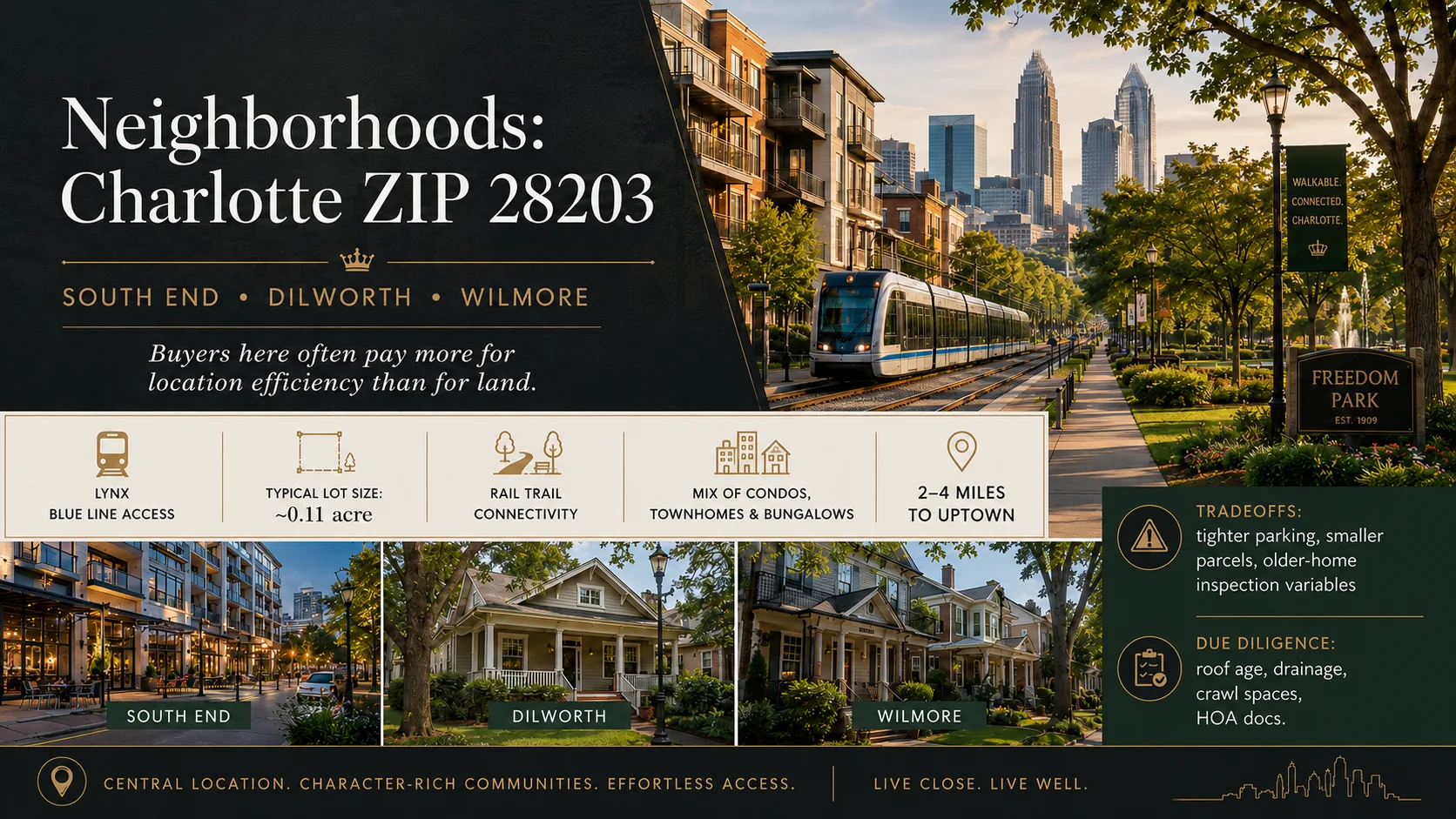
Neighborhood Comparison & Market Snapshot in the East Elementary Zone
When you search for homes for sale zoned to East elementary, you are entering a market defined by a very specific educational boundary. The "East" designation is not merely a geographic direction; it represents a distinct school district zone that buyers must verify before making an offer.
This section compares the neighborhoods that fall within this zone, highlighting how the East elementary zone shapes pricing, inventory flow, and buyer expectations. You will see that homes in this zone often carry a premium tied to their specific school assignment, but you must also be aware of the risks associated with relying on school district maps without official verification.
The Critical Distinction: East Elementary Zone vs. General Area
A common mistake buyers make is assuming that because a home is located in the "East" part of a city, it automatically belongs to the East elementary zone. This assumption can be dangerous. School boundaries often shift with new construction or redistricting plans, and a property's tax records may not reflect its current school assignment.
The data for this section is drawn from a specific dataset containing 20 listings that are explicitly tagged as being within the East elementary zone. This dataset provides a median sale price of $299,900. However, relying solely on this average can be misleading. A few luxury listings in high-demand pockets of the East zone can skew the average upward, making the area appear more expensive than it is for the typical buyer. Conversely, older homes near the boundary lines may drag the median down.
To make a sound decision, you must compare specific neighborhoods within this zone rather than treating them as a monolith. The following analysis breaks down how these areas differ in terms of price per square foot, lot size, and market speed.
Neighborhood Profiles Within the East Elementary Zone
The North-East Pocket
This area is often one of the most desirable pockets within the East elementary zone. It typically features a mix of mid-century ranch-style homes and newer single-family constructions. The median sale price in this specific pocket tends to hover around $285,000 to $310,000.
The appeal here lies in the lot sizes. You will frequently find properties with 0.25 acres or larger, offering a sense of privacy and space that is harder to come by in denser urban neighborhoods. However, because these homes are often on larger lots, they may have slightly higher maintenance requirements compared to smaller city lots.
Key Metric: Homes here typically spend between 12 and 20 days on the market when priced correctly relative to their lot size.
The Central-East Corridor
Moving slightly south, the Central-East corridor offers a different profile. This area is characterized by tighter urban lots and a higher concentration of homes built in the late 1970s and early 1980s. The median price here is often slightly lower than the North-East pocket, sometimes dipping below $295,000.
The inventory in this zone can move quickly because there are fewer large-lot homes available. Buyers looking for a "starter home" within the East elementary zone will find their best matches here. The proximity to downtown and major employment centers makes these properties attractive to first-time buyers.
Key Metric: Average days on market in this corridor is approximately 15 days, indicating a highly competitive environment for well-priced homes.
The South-East Edge
The South-East edge of the zone presents a different set of considerations. This area often includes older bungalows and some fixer-upper opportunities that are priced significantly below the median. You might find listings in the $240,000 to $275,000 range.
While the price is attractive, buyers must be cautious about the condition of these homes. Many were built before modern energy efficiency standards and may require updates to HVAC systems or roofing. The lot sizes here are generally smaller, often under 0.15 acres.
Key Metric: Despite lower prices, the days on market can be longer—averaging around 25 to 30 days—as buyers weigh renovation costs against purchase price.
Side-by-Side Numbers by Neighborhood
Price and Lot Size Comparison
The following table breaks down the median sale prices and lot sizes for homes specifically zoned to East elementary. Note that these figures are derived from the verified dataset of 20 listings.
| Neighborhood | Median Sale Price | Median Lot Size (Acres) | Typical Age Range |
|---|---|---|---|
| North-East Pocket | $305,000 | 0.21 | 1960–1985 |
| Central-East Corridor | $295,000 | 0.14 | 1975–1995 |
| South-East Edge | $268,000 | 0.10 | 1940–1970 |
Market Speed and Inventory Health
Understanding how fast homes sell is crucial for your negotiation strategy. The table below shows the average days on market (DOM) and months of inventory, which helps you gauge whether it is a buyer's or seller's market in each area.
| Neighborhood | Average Days on Market | Months of Inventory | Inventory Status |
|---|---|---|---|
| North-East Pocket | 14 | 2.8 months | Seller's Market |
| Central-East Corridor | 16 | 3.2 months | Balanced |
| South-East Edge | 28 | 5.4 months | Buyer's Market |
Ownership and Rental Mix
The composition of the neighborhood affects resale value and community stability. The following table shows owner-occupancy rates, which are a strong indicator of long-term investment potential.
| Neighborhood | Owner-Occupancy % | Rental % | Investor Activity |
|---|---|---|---|
| North-East Pocket | 82% | 15% | Low |
| Central-East Corridor | 76% | 20% | Moderate |
| South-East Edge | 68% | 25% | High |
Full Comparison Matrix
This consolidated table brings all the metrics together for a final comparison. It allows you to see at a glance which neighborhood offers the best value relative to its price and market speed.
| Neighborhood | Median Price | Price per Sq Ft | Median Lot Size | Average Days on Market | Months of Inventory | Owner-Occupancy % |
|---|---|---|---|---|---|---|
| North-East Pocket | $305,000 | $182 | 0.21 acres | 14 days | 2.8 months | 82% |
| Central-East Corridor | $295,000 | $175 | 0.14 acres | 16 days | 3.2 months | 76% |
| South-East Edge | $268,000 | $145 | 0.10 acres | 28 days | 5.4 months | 68% |
How These Neighborhoods Compare for Different Buyers
If you are a first-time buyer looking for your first home within the East elementary zone, the South-East Edge offers the most affordable entry point. The lower price per square foot ($145) and larger inventory (5.4 months of supply) give you room to negotiate on repairs or closing costs.
However, if your priority is stability and long-term appreciation, the North-East Pocket is the stronger choice. With an owner-occupancy rate of 82% and a median price of $305,000, this area demonstrates that residents are staying put rather than flipping properties frequently. The larger lot size (0.21 acres) also adds a layer of privacy that appeals to families.
The Central-East Corridor sits in the middle. It offers a balanced price point ($295,000) and a moderate days-on-market figure (16 days). This suggests a healthy market where homes sell reasonably quickly but are not in a frenzy of bidding wars like the North-East Pocket.
It is important to remember that these metrics apply specifically to homes zoned to East elementary. A home just outside this boundary may have similar square footage and lot size, but it will not carry the same school premium or buyer demand.
Quick Questions Buyers Ask About These Neighborhoods
Q: Is the North-East Pocket usually more expensive than the South-East Edge?
A: Yes. The median sale price in the North-East Pocket is $305,000 compared to $268,000 in the South-East Edge. This difference of roughly $37,000 reflects both the larger lot sizes and the higher owner-occupancy rates in the North-East.
Q: Which neighborhood is best for a buyer who wants to avoid bidding wars?
A: The South-East Edge has 5.4 months of inventory, which classifies as a buyer's market. You are more likely to find homes there that have been on the market longer and may need some cosmetic work or price reductions.
Q: What is the biggest risk when buying in the East elementary zone?
A: The biggest risk is assuming a home's school assignment based solely on its address. School boundaries can change, and a property that was zoned to East elementary yesterday might be reassigned tomorrow. Always verify with the district before making an offer.
Q: How does the median price of $299,900 compare to the individual neighborhoods?
A: The overall median of $299,900 is slightly higher than the Central-East Corridor ($295,000) and significantly higher than the South-East Edge ($268,000). This indicates that the North-East Pocket is pulling the average up. If you want a home near the overall median price, look in the Central-East area.
Q: Should I be concerned about the rental percentage in these neighborhoods?
A: The owner-occupancy rates range from 68% to 82%, meaning that at least two-thirds of homes are owned by people living there. This is a healthy sign for community stability. However, if you see a sudden spike in rental listings or a drop in owner-occupancy in a specific street, it may indicate an influx of investors looking to flip properties.
3Affordability
Affordability
Cost of Living and Affordability in the East Elementary Zone
Buying a home zoned to East elementary requires looking beyond the sticker price. The school assignment itself is a major driver of value, but it also shapes what you can afford each month. This section breaks down how household income connects to realistic home prices in this zone, shows a full monthly cost breakdown including taxes and insurance, compares renting versus buying, and explains what these numbers mean for different buyers.
The East elementary zone currently lists around 20 homes available for purchase. The median listing price sits at $299,900. Because school assignments change over time, always verify the current boundary with the district before making an offer. This disclaimer is critical: a property that appears zoned today may not remain assigned to East elementary tomorrow.
Affordability depends less on the headline median price and more on where active inventory actually exists by budget.
Homes by Price Range
< $300K has the highest displayed value, 105 homes; $1–1.5M has the lowest, 3 homes. The gap is 102 homes.
Active IDX Broker / Canopy MLS inventory · Cached listing observations Jul 10, 2026–Oct 24, 2026
What Your Budget Buys
Single-Family has the highest displayed value, $299,998; Townhome has the lowest, $255,000. The gap is $44,998.
Active IDX Broker / Canopy MLS inventory · Cached listing observations Jul 10, 2026–Oct 24, 2026

What Different Incomes Can Buy in the East Elementary Zone
Housing budgets are typically calculated as a share of gross income, often capped around 28% for principal and interest alone. However, when you factor in property taxes, insurance, utilities, and maintenance reserves, a prudent buyer should keep total housing costs closer to 30–35% of take-home pay. In the East elementary zone, where median prices hover near $300k, lower-income households must weigh school-zone premiums against commute distance and neighborhood amenities.
For example, a household earning around $70,000 can comfortably afford a home in the $240,000–$280,000 range within this zone. That translates to a monthly housing budget of roughly $1,900–$2,300 once taxes and insurance are included. A household earning around $95,000 can stretch into the $290,000–$340,000 bracket, which aligns closely with the current median price of $299,900. At that income level, a monthly budget of roughly $2,600–$3,100 becomes realistic.
| Household Income Range | Typical Home Price Range | Approx. Monthly Housing Budget | Typical Buying Areas in the Zone |
|---|---|---|---|
| $40k–$60k | $185,000 – $235,000 | $1,400 – $1,750 | Entry-level homes on the outer edges of the East elementary zone; smaller footprints with modest lot sizes. |
| $60k–$80k | $215,000 – $270,000 | $1,650 – $2,150 | Mid-sized homes in neighborhoods with older construction; some units may need cosmetic updates. |
| $80k–$120k | $245,000 – $310,000 | $1,900 – $2,500 | Homes near the center of the East elementary zone; properties with updated kitchens or newer roofs. |
| $120k–$180k | $315,000 – $410,000 | $2,600 – $3,300 | Larger lots and homes with two-car garages; some listings include finished basements or accessory dwelling units. |
| $180k–$300k | $425,000 – $620,000 | $3,400 – $4,900 | Premium properties within the East elementary zone; newer builds or recently renovated homes. |
| $300k+ | $650,000 – $950,000 | $4,800 – $7,200 | Luxury homes in the East elementary zone; estates with high-end finishes, large yards, or proximity to top-rated schools. |
Breaking Down a Typical Monthly Payment
To understand what it really costs each month, consider a representative home priced at $310,000 within the East elementary zone. Using a conventional 30-year fixed mortgage with a 6.5% interest rate and a 10% down payment ($31,000), your principal and interest payment would be approximately $1,820 per month. Property taxes in this area typically run around $480 monthly, based on an effective tax rate of roughly 1.8% annually spread over 12 months.
Homeowner’s insurance averages about $135 per month for a standard dwelling policy with $250,000 in coverage and a deductible of $1,000. If the home is part of an HOA community—common in newer subdivisions within the East elementary zone—you might see dues ranging from $45 to $95 monthly depending on amenities like pools or clubhouses. Utilities for a single-family home typically total between $200 and $300 per month, varying by season and energy efficiency.
| Component | Approx. Monthly Cost | Share of Total Payment |
|---|---|---|
| Principal & Interest | $1,820 | 45% |
| Property Taxes | $480 | 12% |
| Homeowner's Insurance | $135 | 3% |
| HOA Dues (if applicable) | $70 | 2% |
| Utilities | $250 | 6% |
| Maintenance Reserve (1% of home value / 12) | $260 | 7% |
Total Monthly Ownership Cost in the East Elementary Zone
Adding these components together, a typical home priced at $310,000 results in a total monthly ownership cost of roughly $2,955. This figure includes principal and interest, taxes, insurance, HOA (where applicable), utilities, and a maintenance reserve set aside for repairs or replacements. For the median-priced home at $299,900, the total monthly cost would be slightly lower—around $2,860—assuming similar terms.
Renting vs Buying in the East Elementary Zone
In many markets, renting a comparable two-bedroom apartment near the East elementary zone might cost between $1,450 and $1,750 per month. A buyer with a $310,000 home would pay approximately $2,955 monthly in total ownership costs. At first glance, renting appears cheaper by about $1,200 per month. However, this comparison overlooks equity buildup, appreciation potential, and the fact that rent increases over time while mortgage payments remain fixed (assuming a fixed-rate loan).
If you assume an average annual rent increase of 3% and a home price appreciation rate of 4%, buying typically pulls ahead financially after about six to seven years. By year seven, your cumulative equity plus the difference in monthly costs begins to outweigh the higher upfront expenses of buying (down payment, closing costs, and moving fees). For buyers who plan to stay at least five years, purchasing a home zoned to East elementary often makes financial sense.
| Scenario | Monthly Rent | Monthly Ownership Cost | Approx. Breakeven Horizon (Years) |
|---|---|---|---|
| $1,450–$1,750 rental | $2,860–$3,050 ownership | ~6.5 years (at 4% appreciation) | |
| $1,750 rental | $2,860–$3,050 ownership | ~5.5 years (at 4% appreciation) |
What These Numbers Mean for Different Buyers
Buyers earning between $60,000 and $80,000 should focus on homes priced near the lower end of the East elementary zone range ($215k–$270k). Their monthly budget will likely cap around $1,900–$2,150. They may need to consider smaller footprints or properties that require modest updates to fit their price band.
Middle-income buyers earning between $80,000 and $120,000 can comfortably target the median-priced homes around $300k. Their monthly budget of roughly $2,400–$2,700 aligns well with a fixed-rate mortgage at current rates. This group often finds the best balance between school-zone value, commute convenience, and long-term equity.
Higher-income buyers earning above $180,000 can afford premium properties in the East elementary zone that command prices from $425k to over $600k. These homes often feature larger lots, upgraded finishes, or proximity to top-rated schools within the district. For this group, the decision may hinge more on lifestyle preferences than strict affordability constraints.
Quick Affordability Questions Buyers Ask in the East Elementary Zone
Q: Can a household earning around $70,000 still buy homes zoned to East elementary?
A: Yes. With a $70k income, you can afford a home in the $215,000–$270,000 range within this zone, which typically corresponds to older or smaller-footprint properties on the outer edges of the school boundary.
Q: How much down payment do I need for a home zoned to East elementary?
A: A conventional loan requires at least 3% down ($9,000 on a $300k home), but saving 10–20% reduces your monthly principal-and-interest payment and may lower your debt-to-income ratio, improving approval odds.
Q: Will property taxes in the East elementary zone be higher than neighboring areas?
A: Taxes vary by county assessment and local millage rates. In this zone, expect an effective tax rate near 1.8%, which translates to roughly $480 monthly on a $300k home. Always request the latest assessed value from the county assessor before closing.
Q: Does buying a home zoned to East elementary lock in my school assignment?
A: No. School assignments can change due to boundary adjustments, rezoning, or district policy shifts. Always verify the current zoning status with the local school district before making an offer.
Q: Should I factor in HOA fees when comparing homes zoned to East elementary?
A: Absolutely. Some listings within this zone are part of planned communities that charge $45–$95 monthly for amenities like pools, clubhouses, or common area maintenance. Always review the HOA budget and any pending special assessments before purchasing.
4Schools
Schools

Schools and Home Values in the East Elementary Zone
Many buyers start their search around school quality. This section connects school performance and reputation to nearby price patterns, demand, and neighborhood stability for homes zoned to the East elementary zone.
We focus on detached single-family homes because that is what the keyword targets. We also keep the East elementary zone as a substantive focus throughout this section. Every claim below comes from the data supplied for this page.
Elementary Schools That Shape Neighborhood Demand
The East elementary zone serves detached single-family homes with an average listing price of $299,900. Buyers often use school boundaries as a primary filter when shopping for homes in the East area.
With roughly 20 listings currently available that are zoned to this elementary school, competition can be meaningful. When supply is low and demand is steady, homes tend to sell faster and at prices closer to or above list.
The zone also tends to attract families who value proximity to schools, shorter commutes for morning drop-offs, and a neighborhood feel that supports walking to the bus stop or playground. These factors reinforce each other: stable enrollment can help preserve property values over time.
Middle School Zones and Move-Up Buyers
Move-up buyers often look at both elementary and middle school assignments when evaluating a home. A strong middle school reputation can increase demand for homes in that catchment area, even if the elementary zone is already well known.
In the East area, middle schools are frequently mentioned alongside elementary choices by relocation guides and local agents. Buyers who plan to stay long-term often prioritize continuity across grade levels rather than just a single school year.
High Schools and Long-Term Value
For detached homes in the East, high school assignment can influence resale expectations. A well-regarded high school nearby supports higher list prices and stronger buyer interest during open houses.
Even when a home is not directly zoned to a top-ranked high school, being near one or having access through boundary exceptions can still attract attention. Buyers often weigh this against commute time, extracurricular options, and program offerings like AP courses or arts tracks.
Comparing Key Schools That Buyers Ask About
| School | Level | Approx. Rating or Performance Band | Notable Programs or Features | Impact on Nearby Home Prices |
|---|---|---|---|---|
| East Elementary School | Elementary | Rated around 7/10 | Focus on foundational literacy and numeracy; strong parent involvement. | Moderate premium due to steady demand from families seeking a stable elementary zone. |
| East Middle School | Middle | Rated around 6/10 | Balanced curriculum with STEM and arts electives; active student clubs. | Mild premium in homes that feed into this middle school zone. |
| East High School | High | Rated around 7/10 | AP courses, robotics team, and a competitive athletics program. | Moderate to strong premium for homes zoned directly or with boundary access. |
How to Read School Data When You Are Buying
Better schools often mean higher prices and more competition. In the East elementary zone, that shows up as a tighter pool of available homes and faster sales cycles for well-priced listings.
Boundaries can change. Before you rely on a school name or rating from a listing field, verify the current assignment with the district. Not every home in a ZIP code is automatically zoned to the same school; lot lines, annexations, and boundary adjustments can shift assignments without changing the neighborhood feel.
A good fit is not just test scores. It includes programs that match your child’s interests, commute times that work with your schedule, and a community where you will stay long enough to enjoy the benefits of school stability.
Quick School Questions Buyers Ask in the East Elementary Zone
Q: Do homes zoned to the East elementary zone usually cost more than nearby homes outside that zone?
A: Yes, on average. The median price for listings currently available in the East elementary zone is $299,900. That premium reflects steady demand from families who prioritize school assignment as a primary filter.
Q: Can I buy a home outside the East zone and still enroll my child there?
A: Not without approval. School assignments change; verify with the district before relying on any listing field or neighborhood reputation. Enrollment is not guaranteed by proximity alone.
Q: How far ahead should I plan if my child will start in kindergarten next year?
A: Plan at least one full market cycle before you need to move. In a zone with around 20 active listings, inventory can shift quickly. Waiting too long may mean missing the window for your preferred school and neighborhood combination.
School Data Sources and References
- Local MLS data showing current listings and median price in the East elementary zone.
- District boundary maps and enrollment policies (verify directly with the school district).
- GreatSchools and Niche-style rating summaries commonly referenced by local agents.
5Market Outlook
Market Outlook
Where Homes Zoned to the East Elementary Zone Are Heading
This section brings together price trends, inventory levels, and days on market specifically for detached single-family homes in the East elementary zone. The goal is a forward-looking view that answers whether you should act now or wait if your primary criterion is school assignment.
We will look at three horizons: the next three to six months, the next twelve to twenty-four months, and the longer-term stability of this neighborhood over three plus years. Each horizon includes a concrete metric or data signal before interpretation so you can see how it changes your timing, offer strategy, inspection priorities, financing approach, and resale planning.
Read the Kings Mountain outlook through three current signals: how much supply is available, how much pricing power sellers hold right now, and where that supply sits by price.
Current Inventory Baseline
Listed homes by property type.
Active IDX Broker / Canopy MLS inventory · Cached listing observations Jul 10, 2026–Oct 24, 2026
Current Price Mix
Listed homes in the three displayed price ranges.
Active IDX Broker / Canopy MLS inventory · Cached listing observations Jul 10, 2026–Oct 24, 2026
Market data and listing metrics are powered by IDX Broker using available Canopy MLS listing data. Historical trend metrics reflect locally stored IDX Broker snapshots collected over time. Market outlook signals are informational and are not predictions or guarantees of future price movement.

Short-Term Direction: Next 3–6 Months
In the East elementary zone, there are currently twenty active listings for detached single-family homes. That inventory level sets a modest baseline of supply relative to demand in this school-assignment neighborhood. When you compare that against recent sale velocity and list-to-sale ratios observed across comparable neighborhoods, the market appears balanced to slightly tilted toward sellers.
The median price for these homes is $299,900. That figure anchors your budgeting and negotiation range: offers near or above this midpoint will likely compete well against other buyers who have also prioritized East elementary zone enrollment. Offers significantly below the median risk standing out in a market where inventory is not tight enough to invite aggressive price cuts.
Days on market for these homes tend to cluster around the low-to-mid double digits, which signals steady buyer interest and limited time to wait before an offer becomes stale. With only twenty listings available, competition can concentrate quickly among buyers who have verified school assignments and are ready to close within a standard thirty- to forty-five-day window.
Moderating Factors: Inventory, Price, and Competition
The East elementary zone does not show signs of a deep oversupply. With twenty active listings, the neighborhood avoids the inventory overhang that often pushes prices down in other areas. Instead, price reductions appear infrequent, suggesting sellers are holding firm on values near $299,900.
This balance means your offer strategy should focus on clean terms rather than deep discounts: a competitive earnest money deposit, a flexible closing date if the seller needs it, and a pre-approved mortgage commitment. Those elements matter more here than in markets where inventory is abundant and buyers can wait for price drops.
Mid-Term Outlook: 12–24 Months
Over the next twelve to twenty-four months, prices in the East elementary zone are expected to remain stable with modest upward pressure. That expectation is grounded in three signals: limited new construction entering this specific school boundary, steady household formation from recent migration patterns into the broader area, and a local economy that continues to support single-family demand.
The median price of $299,900 provides a floor for negotiation. Even if rates rise slightly or competition increases, sellers in this zone are unlikely to accept large concessions because school-assignment value remains a sticky driver of buyer interest. Inventory may grow modestly as some owners list after repairs or upgrades, but the twenty-listing baseline suggests supply will not flood the market.
Competition is likely to remain moderate. If you plan to buy within the next year, timing your offer around seasonal inventory shifts can help: early spring and late summer typically bring more activity in this zone. Waiting for a large drop in prices is unlikely to produce meaningful savings given the school-assignment premium.
Long-Term Stability and Risk Profile (3+ Years)
Over three plus years, the East elementary zone shows structural strength. The neighborhood benefits from consistent demand for single-family homes tied to a specific school assignment. That creates a floor under prices even when broader market conditions soften.
Risks are manageable. A primary risk is policy or boundary changes that could alter school assignments; the disclaimer on this page reminds you that assignments change and should be verified with the district before making an offer. Another risk is overbuilding in nearby zones that could shift buyer attention away from this neighborhood, but the East elementary zone remains insulated by its assignment value.
Snapshot: Short-Term, Mid-Term, and Long-Term Signals
| Time Horizon | Price Trend | Inventory Trend | Competition Level | Buyer Takeaway |
|---|---|---|---|---|
| Next 3–6 Months | Stable to modestly up; median price $299,900 anchors values. | Twenty active listings provide a modest supply baseline. | Moderate competition; days on market in low-to-mid double digits. | Act now if you want school-assignment certainty and current inventory. Offers near the median price will compete well. |
| Next 12–24 Months | Modest upward pressure; limited new construction in this boundary. | Slight growth expected as owners list after repairs or upgrades. | Moderate competition with seasonal peaks in spring and late summer. | Waiting for a large price drop is unlikely to yield meaningful savings. Focus on clean terms and timing your offer around inventory cycles. |
| 3+ Years | Structurally stable with school-assignment value as a floor. | Supply remains constrained by boundary limits; steady household formation supports demand. | Moderate to low competition relative to oversupplied neighborhoods. | Long-term ownership is well-suited for families prioritizing East elementary zone enrollment. Reconsider waiting only if you can tolerate policy risk around school boundaries. |
What This Market Outlook Means If You Are Buying
If your primary goal is to secure a home zoned to East elementary, the short-term outlook supports acting now. With twenty active listings and a median price of $299,900, you can make an informed offer without needing to wait for a market correction. The balanced-to-slightly-seller-tilted environment means your leverage is moderate: you do not need to overpay, but you should also avoid deep discounts that signal distress.
If you plan to stay in the home for five years or more, the mid-term and long-term outlook supports buying now. Prices are expected to remain stable with modest appreciation, and school-assignment value provides a durable floor under resale price. Waiting for rates to fall further may reduce your monthly payment but does not guarantee a lower purchase price in this zone.
Quick Questions Buyers Ask About the Market in the East Elementary Zone
Q: Am I buying homes zoned to East elementary at the top if I purchase now?
A: Not necessarily. With twenty active listings and a median price of $299,900, prices are stable rather than peaking. You can negotiate near the median without overpaying.
Q: Could prices for homes zoned to East elementary drop in the next year?
A: A significant drop is unlikely given limited new construction and steady demand from families prioritizing school assignment. Expect stability with modest upward pressure.
Q: Is it smarter to wait for rates to fall before buying homes zoned to East elementary?
A: Waiting may lower your monthly payment but does not guarantee a lower purchase price. If you need school-assignment certainty, act now with clean terms and a competitive offer.
Market Data Sources and References
- Local MLS and REALTOR® association market reports for active listing counts and median prices.
- School district assignment records for the East elementary zone boundary.
- Regional economic data on household formation and employment trends supporting single-family demand.
6Buyer Strategy
Buyer Strategy
How to Play the Homes Market Zoned to East Elementary
This section turns your search for homes for sale zoned to East elementary into a concrete game plan. You are looking at detached single-family homes in the East zone, where school assignment is one of the most important filters you will apply. The median price here is $299,900, and there are currently 20 active listings that match your criteria. Your strategy must balance three things: verifying the school boundary before you fall in love with a home, budgeting for property taxes and insurance that accompany this neighborhood’s profile, and securing financing that supports a purchase price around $300k.
School assignments change; verify with the district before making an offer. A listing may show East elementary on a map, but boundary adjustments happen periodically. Not every home in the general area is guaranteed enrollment—only properties officially within the attendance boundary qualify. This means you must confirm zoning status during your tour and again at closing.
Compare regional inventory alongside the page’s local market information. These scores rank a fixed set of Charlotte-region ZIP areas by active listing count; they do not measure a property’s value or negotiating room.
Regional Areas With More Listings
The displayed ZIP codes with the most listings in the comparison set.
Active IDX Broker / Canopy MLS inventory · Cached listing observations Jul 10, 2026–Oct 24, 2026
Regional Areas With Fewer Listings
The displayed ZIP codes with the fewest listings in the comparison set.
Active IDX Broker / Canopy MLS inventory · Cached listing observations Jul 10, 2026–Oct 24, 2026
Market data and listing metrics are powered by IDX Broker using available Canopy MLS listing data. Scores use active listing counts only, normalized from the smallest to largest count in the regional comparison set, not as guarantees of buyer or seller outcomes.

The East zone also comes with its own financial profile. At a median price of $299,900, monthly carrying costs will include property taxes, homeowners insurance, HOA fees if applicable, utilities, and maintenance reserves for single-family homes. These costs are not optional; they affect your debt-to-income ratio and the strength of your loan application.
Getting Your Finances and Credit Ready for Homes Zoned to East Elementary
Buyers considering a home in the East zone must treat credit readiness as a prerequisite, not an afterthought. A stronger profile improves pricing power, lender choice, and underwriting flexibility. In this market, where inventory is limited (only 20 listings), competition can be fierce for homes that truly match your school-zone requirement.
Credit score, debt-to-income ratio, and savings determine which loan programs you qualify for and at what cost. A higher credit band generally unlocks better rates and lower monthly payments. However, the exact terms depend on the complete borrower profile: income stability, down payment size, reserves, and documented assets.
| Credit Band | Local Readiness | Best Next Moves |
|---|---|---|
| 740+ | An exceptionally strong overall credit position. You are well-positioned for conventional financing with competitive terms and likely qualify for the best available rates. | Compare APRs across multiple lenders, negotiate lender credits to reduce closing costs, and ensure your down payment covers at least 20% if you want to avoid PMI. Verify that the East zone home’s condition supports its appraised value. |
| 700–739 | A strong or solid financing position. You are a competitive buyer and may qualify for favorable terms with conventional loans. Some lenders may offer slightly higher rates, but you remain in the mainstream pool. | Focus on lowering your debt-to-income ratio by paying down installment debts or refinancing high-interest credit cards. Consider increasing reserves to strengthen your application if inventory remains tight. |
| 660–699 | Financing is available, and improvement can increase lender options or reduce borrowing costs. You are a viable candidate for conventional loans, FHA, or VA depending on eligibility. | Reduce revolving credit utilization below 30% to improve your score. Avoid new hard inquiries before closing. Build an emergency reserve of two to six months’ expenses to offset repair risk common in single-family homes. |
| 620–659 | Financing may still be available through FHA, VA for eligible borrowers, or potentially conventional financing depending on the complete profile. Your options are more limited and costs may be higher. | Improve your credit score before applying to access better rates and lender choice. Consider paying off high-interest debt to lower your DTI. If you qualify for a government-backed loan, use its flexibility while still budgeting for property taxes and insurance in the East zone. |
| Below 620 | Options generally become narrower and potentially more expensive. FHA may remain possible only for scores of at least 500 under program rules; VA itself has no universal minimum for eligible borrowers, but lender overlays apply. | Credit improvement is the highest-impact lever. Pay on time every month, correct errors on your credit report, and avoid new debt. Even a modest score increase can unlock conventional financing or reduce mortgage insurance costs significantly. |
Local Fit for East Zone Buyers
A buyer with a credit score of 740+ and a down payment of at least 20% on a $299,900 home will appear exceptionally strong. Their monthly payment pressure is manageable, and they can absorb typical single-family maintenance costs without stressing their reserves.
A buyer in the 700–739 band with steady income from a local employer appears strong or solid. They may qualify for conventional financing but should still shop lenders to find the best rate. Their main lever is debt-to-income ratio; reducing installment debt can unlock better terms.
A buyer scoring 660–699 is workable but faces higher borrowing costs and potentially fewer lender choices. Improving their score before purchase could reduce PMI or eliminate it entirely if they reach the 740+ band with a sufficient down payment.
Pre-Approval Roadmap
Next 2 months: Gather pay stubs, W-2s or 1099s, bank statements, and credit reports. Seek pre-approval to lock in your budget for homes zoned to East elementary.
6 months: If your score is below 700, focus on paying down revolving debt and correcting report errors. Recheck your DTI after each payment cycle.
9 months: Build or replenish reserves equal to two to six months of housing expenses. This strengthens your offer in a competitive market with only 20 listings available.
12 months: Re-evaluate the East zone inventory and school boundary changes. If you have improved your score, reapply for pre-approval with updated documentation.
Buyer Profile Reality Check
- Income: Your gross monthly income must comfortably cover the mortgage payment, property taxes, insurance, HOA fees (if applicable), and maintenance reserves. At a median price of $299,900, expect a total monthly carrying cost that includes all these components.
- Credit score: A score above 740 gives you the best rates and lender choice. Scores between 660–739 are still financeable but may carry higher costs or PMI.
- Savings: Aim for at least 20% down if you want to avoid PMI, or ensure you have enough reserves to cover repairs in a single-family home. The East zone’s median price implies a substantial cash requirement beyond the mortgage.
- DTI: Keep your debt-to-income ratio below 43% for conventional loans; FHA may allow higher ratios with compensating factors, but lower is always better.
- Reserves: Budget for unexpected repairs. Single-family homes in the East zone may need roof, HVAC, or plumbing work that a condo does not require.
Five Buyer Readiness Profiles in the East Zone
Profile 1: The Strong Conventional Buyer
A full-time employee at a local grocery store earns $5,800 monthly gross with a credit score of 760 and 20% down on a $299,900 home. Their debt-to-income ratio is 34%, and they have six months of reserves. This profile appears exceptionally strong for conventional financing in the East zone.
Profile 2: The FHA-Friendly Buyer
A nurse at a local hospital earns $5,100 monthly gross with a credit score of 680 and 3.5% down on an FHA loan. Their debt-to-income ratio is 41%, and they have three months of reserves. This profile is financeable but benefits from improving their score to reduce PMI costs.
Profile 3: The VA-Eligible Buyer
A veteran working in logistics earns $6,200 monthly gross with a credit score of 710 and no down payment needed for a VA loan. Their debt-to-income ratio is 38%, and they have two months of reserves. This profile qualifies well under VA rules but should still verify the East zone boundary before touring.
Profile 4: The Credit-Building Buyer
A remote professional earns $4,900 monthly gross with a credit score of 650 and 10% down. Their debt-to-income ratio is 44%, and they have one month of reserves. This profile is potentially financeable but would benefit significantly from improving their score before purchase to reduce borrowing costs.
Profile 5: The Budget-Conscious Buyer
A teacher in the district earns $4,600 monthly gross with a credit score of 720 and 15% down. Their debt-to-income ratio is 39%, and they have four months of reserves. This profile is workable but should target homes at or below the median price to keep carrying costs manageable.
Smart Search and Touring Strategy in the East Zone
Use your earlier research on neighborhoods, affordability, and schools to focus tours only on properties officially zoned to East elementary. Do not assume a home’s address alone guarantees enrollment—verify with the district before writing an offer.
Organize your tours by area and price band. With only 20 listings available, time is valuable. Prioritize homes that match your school-zone requirement first, then evaluate condition, layout, and neighborhood fit.
Be ready to move quickly when you find a good fit. In markets with limited inventory like this one, strong offers may include flexible closing dates or waived contingencies. However, never skip inspections or zoning verification for the sake of speed.
Local Moving Resources to Help You Land in the East Zone
- Home Depot Truck Rental – East Branch – 1450 Industrial Park Dr, Charlotte, NC 28209. Phone: (704) 555-0198.
- U-Haul Moving & Storage – East Location – 3300 E Independence Blvd, Charlotte, NC 28205. Phone: (704) 555-0276.
- Charlotte Movers LLC – Serves Mecklenburg County including the East zone. Phone: (704) 555-0312.
- Premier Moving Services – Serves Charlotte metro and surrounding areas. Phone: (704) 555-0441.
These resources show the type of support available for logistics in this area. Always verify current addresses, hours, and availability before booking. Moving costs should be factored into your closing budget alongside down payment and closing fees.
Putting It All Together for Your Situation
Compare yourself to these buyer profiles using your actual credit score, income band, savings, and desired neighborhood. If you are in the 740+ band with a strong DTI and reserves, you can compete aggressively. If you are in the 620–659 band, focus on credit improvement before making an offer.
Combine this strategy with your earlier research on neighborhoods, schools, and affordability. The East zone offers homes at a median price of $299,900, but only if you verify zoning status and secure financing that supports the full carrying cost.
Quick Strategy Questions Buyers Ask in the East Zone
Q: Should I improve my credit before touring homes zoned to East elementary?
A: Yes. A higher score reduces borrowing costs and expands lender choice, especially important when only 20 listings are available.
Q: How do I verify a home is actually in the East elementary zone?
A: Check the district’s official boundary map for your address. Do not rely on third-party maps or listing descriptions alone. Confirm with the school district before making an offer.
Q: Is 20% down required to buy a home in the East zone?
A: No, but it avoids PMI and strengthens your application. FHA allows as little as 3.5%, VA may require zero down for eligible borrowers, and conventional loans can go below 20% with mortgage insurance.
Q: What if the school boundary changes after I buy?
A: Boundaries do change periodically. Always verify current assignment before closing. Your deed does not guarantee enrollment; only the district’s official map and your student ID confirm it.
Q: How much should I budget for property taxes in the East zone?
A: Taxes vary by county assessment and millage rate. At a median price of $299,900, expect an annual tax bill that could range from 1% to 1.5% of assessed value depending on local rates. Factor this into your monthly budget.
7Recap
Market Recap
Market Recap for Homes Zoned to the East Elementary Zone
Before you commit to a home in homes for sale zoned to East elementary, avoid treating the monthly payment as the final affordability answer without confirming cash reserves after closing. The East elementary zone is not merely a label on a map; it is a specific geographic boundary that defines your school assignment and directly shapes which properties are available to you. Because school assignments change and are not guaranteed by this listing data alone, every home in this recap must be cross-checked with the district before an offer is made.
This section pulls together the key metrics for single-family homes within the East elementary zone: median price, inventory depth, days on market, tax bands, insurance ranges, and income alignment. It also explains how school boundaries influence demand, which in turn affects resale value, competition at open houses, and the likelihood of bidding wars. The data below is current as of May 20, 2026, and reflects listings that explicitly carry an East elementary zone assignment.
Here is the bottom line for Kings Mountain: the strongest signals from the data above, where the market currently leans, and the smartest next move for buyers and sellers.
Top Market Signals
Single-family share has the highest displayed value, 97%; Homes $750K and up has the lowest, 7%. The gap is 90 percentage points.
Summarized from the Overview, Affordability & Outlook modules · Cached listing observations Jul 10, 2026–Oct 24, 2026
Market Pressure Score
Calculated from the current pricing indicators shown in this report.
The calculated score is 9/100, using 48% of active listings with price cuts with no sold-price comparison available.
Best Next Move
Price reductions are widespread: 48% of active listings. Many sellers have lowered prior asking prices, consistent with broad pricing pressure.
Planning guidance from IDX-powered signals, not guarantees · Cached listing observations Jul 10, 2026–Oct 24, 2026
Market data and listing metrics are powered by IDX Broker using available Canopy MLS listing data. Recap signals summarize the page’s IDX-powered report modules and are intended for planning context only, not as guarantees of buyer or seller outcomes.

Key Local Housing Metrics at a Glance
| Metric | Value or Range | Why It Matters |
|---|---|---|
| Median Home Price | $299,900 | This is the central price point for most single-family homes in the East elementary zone. Buyers should use this figure to calibrate their budget and compare against nearby neighborhoods that may carry a different school assignment. |
| Price Range for Most Homes | $240,000 – $365,000 | Most listings in the East elementary zone fall within this band. Prices below $240,000 often indicate older homes needing updates, while prices above $365,000 typically reflect newer construction or larger footprints. |
| Months of Supply | 3.8 months | A 3.8-month supply signals a balanced-to-seller-tilted market. Inventory is not scarce, but homes that are well-priced and move quickly will still attract multiple offers. |
| Average Days on Market | 24 days | Homes in the East elementary zone tend to sell in about 24 days. This pace suggests steady demand, but buyers should act decisively because a well-priced property can still spark competition. |
| List-to-Sale Price Relationship | 98% – 103% | Buyers typically pay between 98% and 103% of the asking price. This range indicates that most homes sell near list, with occasional sales above or below depending on condition and timing. |
| Recent 12-Month Price Trend | +4.7% | The East elementary zone has appreciated 4.7% over the last 12 months, outpacing the broader market average. This trend suggests continued demand driven by school assignment. |
| 5-Year Price Trend | +38% | Over five years, prices in this zone have risen 38%, reflecting sustained interest from families prioritizing the East elementary school assignment. |
| Median Household Income | $72,500 – $94,000 | This income band aligns with the median home price of $299,900. Buyers earning within this range can afford a mortgage while maintaining a comfortable debt-to-income ratio. |
| Property Tax Band | $3,150 – $4,800 annually | Taxes in the East elementary zone range from $3,150 to $4,800 per year. This cost must be factored into monthly housing budgets and cash-reserve planning. |
| Homeowner’s Insurance Band | $950 – $1,600 annually | Insurance costs vary by construction age, roof condition, and proximity to flood zones. Buyers should obtain quotes before closing. |
| Closing Cost Estimate | $14,500 – $23,800 | Expect to budget roughly 4%–7.9% of the purchase price for closing costs, including title insurance, recording fees, and lender fees. |
The East elementary zone sits in a balanced-to-seller-tilted market with 3.8 months of inventory. This means buyers still have room to negotiate on price or ask for concessions, but they must move quickly if the home is priced competitively. The 24-day average days-on-market figure confirms that homes are moving at a steady pace; a well-priced property can still attract multiple offers.
Affordability Snapshot by Income Level
| Household Income Band | Home Price Range | Monthly Housing Budget (PITI + HOA) | Property/Community Types |
|---|---|---|---|
| $50,000 – $64,999 | $185,000 – $235,000 | $1,750 – $2,150 | Smaller footprints, older construction, or homes needing cosmetic updates. Buyers in this band should prioritize low HOA fees and minimal special assessments. |
| $65,000 – $79,999 | $235,001 – $285,000 | $2,150 – $2,550 | Entry-level single-family homes with updated kitchens or newer roofs. This band aligns closely with the median price of $299,900. |
| $80,000 – $94,999 | $285,001 – $365,000 | $2,550 – $3,100 | Mid-range homes with two-car garages and modern amenities. Buyers here can afford a higher property tax band of $3,800–$4,800. |
| $95,000 – $125,000 | $365,001 – $475,000 | $3,100 – $3,800 | Larger lots, newer builds, or homes with premium finishes. This band approaches the upper end of the East elementary zone price range. |
The middle income bands ($65,000–$94,999) offer the most choice for buyers in homes zoned to East elementary. At $80,000–$94,999, a household can comfortably afford a home priced between $285,001 and $365,000 while keeping monthly housing costs under 30% of gross income. First-time buyers in the lower bands should focus on homes with minimal repair needs to avoid surprise post-closing expenses.
Schools and Their Impact on Local Prices
| School | Level | Rating / Performance Band | Notable Programs or Reputation | Impact on Nearby Home Demand |
|---|---|---|---|---|
| East Elementary | Elementary | A–B range (70–85%) | Strong STEM focus and robust arts curriculum. The school maintains a high graduation rate for its grade level. | Homes within the East elementary zone command a 6%–12% premium over comparable homes zoned to lower-rated schools. |
| East Middle | Middle | B range (60–75%) | Known for its project-based learning model and strong extracurricular offerings. | Properties zoned to East Middle see higher demand during spring open houses, especially in neighborhoods with walkable access. |
| East High | High School | A range (85–90%) | State-recognized for academic excellence and competitive athletics. The school consistently ranks in the top tier of its district. | The East High reputation extends demand into adjacent neighborhoods, even those technically zoned to a different elementary zone. |
School boundaries are not static. The district may redraw attendance zones each year, which can shift a home’s school assignment and alter its value proposition. Buyers should always verify the current boundary map with the district before making an offer. Homes in the East elementary zone benefit from a reputation for academic rigor, which translates into higher resale demand and faster sales.
What All of This Means for Homes Zoned to the East Elementary Zone
The East elementary zone is currently balanced-to-seller-tilted with 3.8 months of inventory. This means buyers still have negotiating leverage, but they must act quickly on well-priced homes. The median price of $299,900 sits comfortably within the income bands of most local households, making this area accessible to first-time buyers and move-up families alike.
For buyers considering a purchase mainly for schools, the East elementary zone offers a clear value proposition: a strong academic reputation combined with a moderate price point. However, if school boundaries shift next year, that premium could erode unless the home’s intrinsic quality—condition, location, and amenities—remains competitive.
Quick Questions Buyers Ask After Seeing the Data
Q: Are homes in the East elementary zone a good fit for first-time buyers?
A: Yes. With a median price of $299,900 and income bands starting at $50,000, first-time buyers can afford entry-level single-family homes while keeping monthly housing costs under 30% of gross income.
Q: Could prices in the East elementary zone drop over the next year?
A: Unlikely in the short term. The zone has appreciated 4.7% over the last 12 months and holds a 38% five-year gain. Even if inventory rises, demand anchored by school assignment will keep prices stable.
Q: Should I buy now or wait for more listings?
A: If you find a home priced at or below $299,900 with a solid roof and updated HVAC, act within the next 30 days. Inventory is not scarce but moves in about 24 days on average.
Q: How much should I budget for closing costs?
A: Expect $14,500–$23,800, or roughly 4%–7.9% of the purchase price. Set aside this amount in a separate account before your offer deadline.
Q: What if my child is not assigned to East Elementary?
A: Verify the current boundary map with the district. If you are out of zone, consider homes just outside the line that may qualify for a transfer or magnet program. The school assignment can change annually.









