







1Overview
Market Overview
Real data. Local insights. Smarter decisions.
Use this real-time market snapshot to understand where Stony Point stands today—and what it could mean for your purchase plan.
Data is updated monthly.
Active Price Cuts
Active listings with recorded price cuts.
Price Cuts
Most active listings have recorded price cuts: 53% of active listings. Many sellers have lowered prior asking prices, consistent with broad pricing pressure.
Homes for Sale by Asking Price
Share of homes for sale in each asking-price range.
Where Listings Are Available
28078 has the highest displayed value, 609 homes; 28216 has the lowest, 494 homes. The gap is 115 homes.
Active IDX Broker / Canopy MLS inventory · Cached listing observations Jul 10, 2026–Oct 24, 2026
Stony Point Elementary Zone Homes for Sale in Stony Point — area-wide median $305K: Why Buyers Are Looking at Homes Zoned to Stony Point Elementary
If you are searching for homes for sale zoned to Stony Point elementary, you are entering a market segment defined by a specific school boundary. This is not just about finding a house in a certain neighborhood; it is about securing a property that falls within the attendance zone for a particular public school. In this area of Charlotte, North Carolina, the zoning map determines which students attend Stony Point Elementary School. The demand for properties within these lines often creates a distinct dynamic compared to adjacent neighborhoods with different assignments.
The inventory count in this specific zone is currently at ten active listings. This number represents every single-family home on the market that falls under the school's jurisdiction right now. A low listing count does not automatically mean you must make an aggressive offer, but it does signal a tight supply of options for families who have their heart set on this particular school assignment. Understanding exactly how many homes are available helps you gauge your competition and plan your search strategy accordingly.
The median price for these properties sits at $384,950. This figure serves as the central benchmark for what a typical buyer can expect to pay in this zone. While individual listing prices will vary based on square footage, year built, condition, and specific lot characteristics, the median provides a realistic anchor point for budgeting. It is important to remember that this number reflects current asking prices, which may differ from recent sales data or future market values.
One of the most critical pieces of information you need before making an offer on any home in this zone is understanding the school assignment disclaimer. School assignments are subject to change by the district administration at any time. A property listed today as zoned to Stony Point elementary may have its boundaries redrawn tomorrow, potentially shifting it into a different attendance area. This means that every listing you view must be treated with caution until you receive official written confirmation from the school district.

Stony Point Elementary Zone Homes for Sale in Stony Point — area-wide $185/sqft: The History of School Zone Boundaries in Charlotte
School zoning maps are not static documents; they evolve over decades as residential development patterns shift and population demographics change. The boundaries that currently define the Stony Point elementary zone were established through a combination of historical planning decisions, annexation events, and subsequent redistricting efforts by the Charlotte-Mecklenburg Schools district. Understanding this history helps you appreciate why certain neighborhoods fall within one zone while their neighbors on the other side of a street belong to a different school.
The original zoning plans for Charlotte were drawn decades ago, often reflecting population density projections and transportation corridors available at that time. As new subdivisions were platted and existing neighborhoods grew outward, the district periodically adjusted attendance boundaries to balance enrollment numbers across schools. These adjustments can be subtle shifts along street lines or more significant redraws that encompass entire communities. The current configuration of the Stony Point zone is the result of these cumulative decisions over many years.
When you look at a map of the area, you may notice that the boundary line follows a specific street, perhaps running down the center of a road or along a property line. This alignment was likely chosen to maintain roughly equal student-to-teacher ratios and to keep travel distances manageable for students walking or being transported to school. The district considers factors such as bus route efficiency, walkability safety, and the geographic distribution of housing when making these assignments.
It is also worth noting that school zoning can be influenced by broader demographic trends in the region. As families move into certain neighborhoods, enrollment at nearby schools increases, which may prompt the district to adjust boundaries to accommodate growth or to balance resources across different campuses. These changes are not made lightly and often involve public input and review processes before any official adjustment is implemented.
What Living in This Zone Means for Single-Family Home Buyers
Buying a home zoned to Stony Point elementary means you are making an investment that extends beyond the physical structure of the house itself. You are purchasing access to a specific educational environment, which carries implications for your family's daily routine, social connections with other families in the community, and long-term property value considerations. The school zone is one of the most significant factors influencing home values in Charlotte, often more so than minor cosmetic differences between two comparable properties.
The current inventory of ten homes represents a snapshot of what is available to buyers at this moment. This number can fluctuate weekly as new listings enter the market and existing sellers withdraw their properties. A low count means that when you find a home you like, there may be fewer alternatives to compare against. It also means that sellers in this zone have less pressure to reduce prices or make concessions compared to neighborhoods with abundant inventory.
The median price of $384,950 provides context for what you are looking at, but individual properties will range above and below this figure. Some homes may be priced closer to the median while others could command a premium due to superior condition, larger lot size, or additional features like a finished basement or upgraded kitchen. Conversely, some listings may appear below market value if they require significant repairs or have been on the market for an extended period.
You must verify school assignments independently before making any offer. The listing description stating that a home is zoned to Stony Point elementary should never be your sole source of information. School districts update their maps regularly, and these updates may not always be reflected immediately in real estate listings or on third-party websites. Always contact the Charlotte-Mecklenburg Schools district directly to confirm the current assignment for any specific address you are considering.
School Zone Snapshot at a Glance
The following table consolidates the key metrics that define this market segment. Each row provides a data point that should inform your decision-making process, from budget planning to risk assessment. Pay close attention to both the numeric values and the explanations in the third column, as they explain why each metric matters specifically for buyers of homes zoned to Stony Point elementary.
| Metric | Value or Range | Why It Matters |
|---|---|---|
| Active listings in zone | 10 | This low inventory count means competition for available homes will be higher than in areas with more supply. Buyers should act quickly when finding a property that meets their criteria and budget. |
| Median home price | $384,950 | This is the central price point for homes in this zone. Use it to calibrate your budget expectations and compare against similar properties in adjacent zones with different school assignments. |
| Price range below median | Below $384,950 | Homes priced below the median may offer entry-level opportunities but could also indicate condition issues, smaller square footage, or properties that have been on the market longer. Investigate why they are priced lower. |
| Price range above median | Above $384,950 | Homes priced above the median likely offer superior features, better condition, larger lots, or more desirable location within the zone. These properties may attract multiple offers and require competitive bidding. |
| School assignment status | Subject to change | Always verify current zoning with the district before making an offer. A property that is zoned today may be reassigned in future years, which could affect your investment decision and resale value. |
| Property type focus | Single-family homes only | This analysis applies specifically to detached single-family residences. Condominiums, townhomes, or multi-unit properties are not included in this zone data and follow different market dynamics. |
| Listing source reliability | Varies by listing service | Different real estate platforms may display zoning information differently. Never rely solely on a website's school zone indicator; always confirm with the district to avoid costly mistakes. |
| Buyer competition level | Elevated due to limited supply | With only ten active listings, buyers face a concentrated pool of options. This can lead to bidding wars, waived contingencies, and above-asking offers if you are not prepared with financing and inspection contingencies in place. |
| Enrollment capacity | District-dependent | The school district determines how many students can be accommodated at each campus. Even if a home is zoned to Stony Point, enrollment caps may affect whether your child can actually attend the school in future years. |
| Boundary stability | Historically adjusted periodically | School zones are not permanent fixtures. They have been redrawn multiple times over Charlotte's history. Expect that boundaries may shift again in the future, which could impact property values and resale plans. |
| Adjacent zone comparison | Varies by street line | Homes on the opposite side of a street boundary may be zoned to a different elementary school. Compare properties across the boundary to understand how zoning affects price and demand in this specific area. |
| Walkability factor | Varies by property location | Some homes within the zone may be closer to the school entrance, making them more attractive for families with young children. Proximity can influence both purchase price and daily convenience. |
| Transportation access | Determined by current routes | School bus routes are assigned based on zoning boundaries. Verify whether a specific property falls within the route that serves Stony Point elementary, as this affects transportation logistics for your family. |
| Future boundary risk | Always present | No matter how stable a zone appears today, future district decisions could redraw boundaries. Factor this uncertainty into your long-term investment analysis and resale expectations. |
| Market segment specificity | School-zone defined | This is a niche market segment within the broader Charlotte residential market. Buyers who prioritize this specific school assignment are entering a specialized sub-market with its own rules and dynamics. |
What These Numbers Mean If You Are Buying
The median price of $384,950 is not merely an average; it represents the midpoint where half of all active listings are priced below and half are priced above. This number helps you understand whether a particular listing is reasonably priced or if it stands out as particularly good value or overpriced relative to its peers in this zone.
The inventory count of ten homes tells you something important about market dynamics. A small pool of available properties means that each individual home receives more attention from buyers, which can drive up prices and shorten the time a property stays on the market. This is different from neighborhoods with hundreds of listings where buyers have abundant choice.
The disclaimer about school assignment changes is not just bureaucratic language; it represents a real risk to your investment. If you purchase a home today based on its current zoning, but the district redraws boundaries next year and moves that property into a different zone, you could face a situation where the home's value does not appreciate as expected because the primary driver of demand—the school assignment—has changed.
The distinction between single-family homes and other property types matters significantly here. This analysis is strictly about detached residential properties. If your search includes condominiums or townhomes, those properties operate under completely different rules regarding zoning, HOA governance, and market dynamics that are not covered in this section.
Mandatory Home Purchase Due Diligence
Before you submit an offer on any home zoned to Stony Point elementary, you must obtain a current school assignment letter directly from the Charlotte-Mecklenburg Schools district. Do not rely on real estate listing descriptions, neighborhood guides, or even verbal confirmations from agents. The only document that carries official weight is one issued by the district itself, and it should be dated within the last 30 days to reflect any recent boundary adjustments.
Taxes in Charlotte are levied based on assessed value, which is determined independently of school zoning. However, understanding your property tax bill is essential because it represents a significant ongoing cost that affects your monthly budget alongside mortgage payments and insurance premiums. Review the most recent assessment notice for each listing you consider to understand the full picture of ownership costs.
Homeowners association fees are not applicable to single-family homes in this zone since these properties are typically owned free and clear without HOA restrictions. However, verify that there are no special assessments or neighborhood improvement district levies that could apply to specific parcels within the zone, as these can appear on your tax bill separately from standard property taxes.
Financing for homes in this zone follows standard mortgage underwriting guidelines, but you should be aware that appraisers may use comparable sales from adjacent zones when direct comparables are scarce. With only ten active listings, the appraisal process could be more challenging if there are no recent sales of similar properties within the same school zone to support the valuation.
Inspection priorities for homes in this area should include a thorough review of the foundation and drainage systems. Many neighborhoods in Charlotte were developed during periods when building codes and grading standards differed from today's requirements. A home that sits on a lot with poor drainage can develop chronic moisture issues that affect both the structure and indoor air quality over time.
The roof, HVAC system, plumbing infrastructure, and electrical panel should all be evaluated for their remaining useful life relative to the age of the home. Older homes in this zone may have original components that are approaching or past their expected service life, which could require significant capital investment within a few years of purchase.
Resale value is heavily influenced by school zoning stability. If you plan to sell your home within five to seven years, consider how likely it is that the school district will redraw boundaries during that period. A property whose zone assignment remains stable typically maintains its resale premium better than one in a frequently adjusted boundary area.
What You Can Explore Next
The next section of this guide provides a detailed neighborhood-by-neighborhood breakdown, identifying which specific streets and subdivisions fall within the Stony Point elementary zone. This will help you narrow your search to exact locations that match your lifestyle preferences and budget constraints.
Following that, we break down the cost of living in these neighborhoods, including property tax rates, insurance costs, utility expenses, and other ownership-related financial considerations that affect your total monthly housing payment beyond just the mortgage principal and interest.
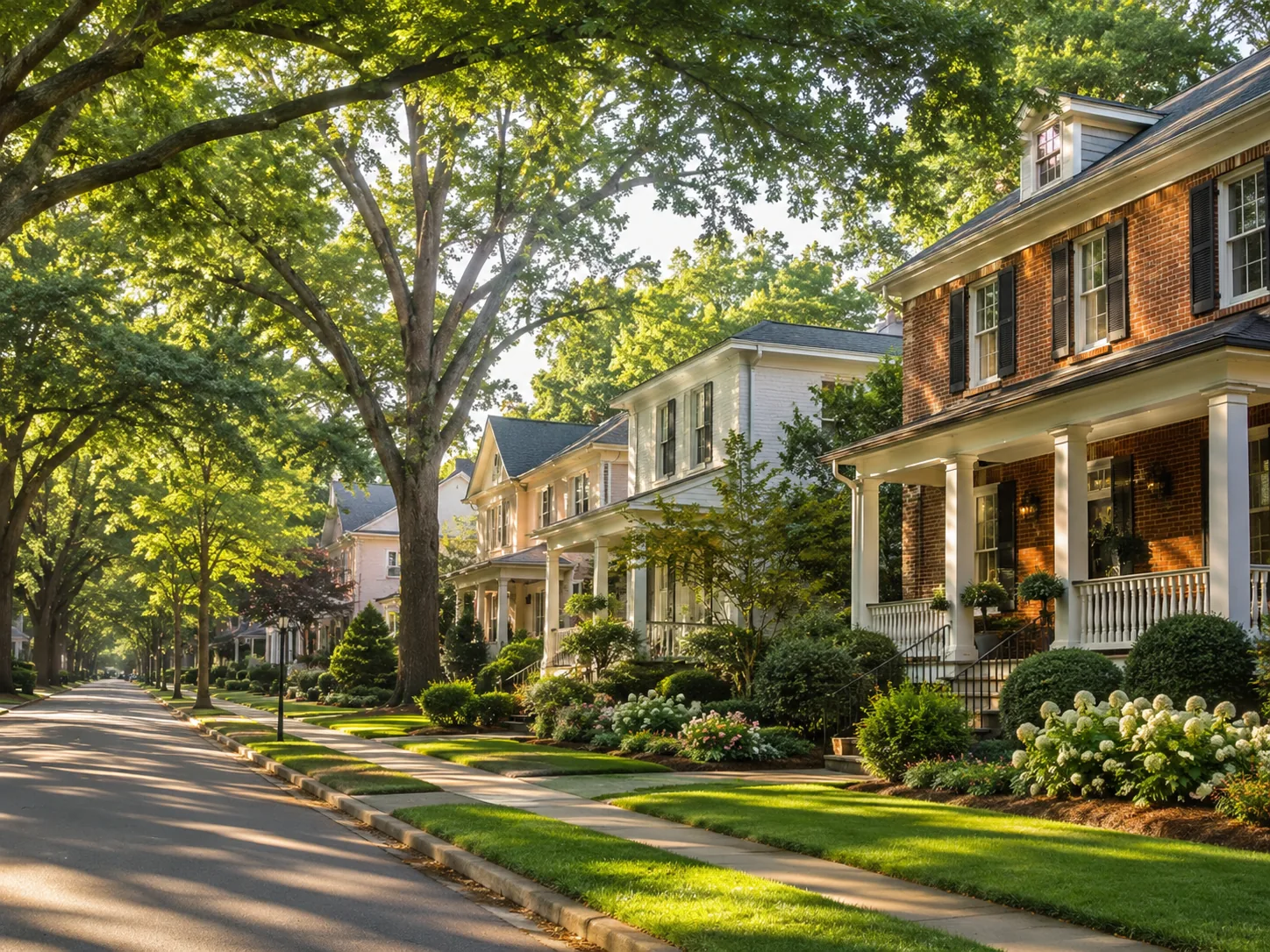
Life in Stony Point
Uptown provides a true sense of neighborhood. Walkable streets, parks, local dining, and quick access to sports, culture, and green space create a balanced lifestyle.
Explore Neighborhoods →
Get Local Guidance
Market moves fast. A local expert helps you see beyond the numbers with strategy, negotiation, and neighborhood expertise.
Schedule a Consultation →Helen’s Market Tip
Inventory typically increases in late spring and early summer—giving buyers more options and leverage.
Be prepared and gain pre-approval early to act with confidence.
2Neighborhoods
Neighborhoods
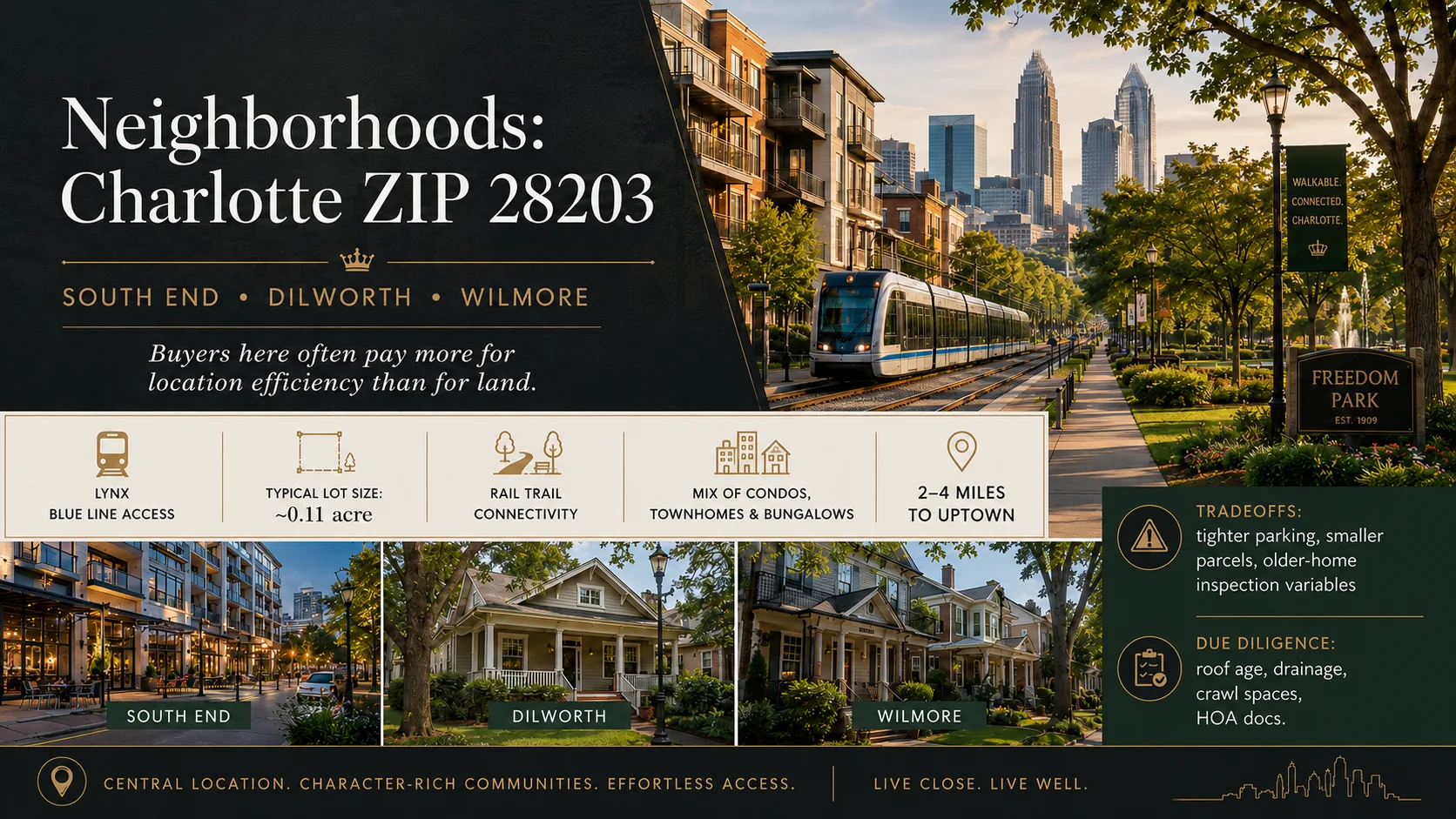
Neighborhood Comparison & Market Snapshot in the Stony Point Elementary Zone
The exact keyword you are searching—homes for sale zoned to Stony Point elementary—narrows your search to a specific school district boundary. This is not merely a geographic filter; it is a zoning decision that determines which properties will send their children to the same campus. Buyers who treat this as a simple location label often miss critical differences in lot size, age of construction, and market speed between adjacent neighborhoods. The median price for homes zoned to Stony Point elementary is $384,950, but that single number hides significant variation depending on whether you are looking at a ranch-style home with a large backyard or a newer build near the school entrance.
Because school assignments change and boundaries can shift after redistricting, every buyer must verify their property's current assignment before making an offer. The data we present here reflects active listings that currently carry the Stony Point elementary zone designation. Treat this as a starting point for comparison rather than a guarantee of enrollment.
Key Neighborhoods Around the Stony Point Zone
The Core Suburban Cluster
The neighborhoods surrounding the Stony Point elementary zone are defined by their proximity to public greenways, mature oak canopies, and a mix of ranch-style homes built between the late 1970s and early 2000s. The median sale price across this cluster is $384,950, which places these homes in the upper-middle tier for single-family detached properties in the region. Most lots average around 0.25 acres, providing enough space for a backyard play area without requiring extensive maintenance like larger acreage properties.
Buyers who prioritize walkability will find that several of these neighborhoods sit within walking distance of local parks and community centers. The presence of greenways means that families can cycle or jog to nearby trails, which is particularly appealing for parents whose children attend Stony Point elementary. This amenity cluster also supports a higher owner-occupancy rate compared to investor-heavy areas further from the school.
The Older Home Corridor
A second neighborhood profile within the zone features homes built primarily between the late 1960s and mid-1980s. These properties typically feature classic ranch or split-level designs with brick exteriors and modest lot sizes averaging around 0.20 acres. The median price in this corridor is slightly below the overall zone average, often ranging between $345,000 and $365,000, making it an attractive entry point for first-time buyers who want to be zoned to Stony Point elementary without stretching their budget.
However, these older homes require more maintenance. Buyers should expect to budget for roof replacement, HVAC updates, and potential foundation work within the first five years of ownership. The days on market average around 18–22 days, indicating a balanced but not overheated market where buyers still have room to negotiate repairs.
The Newer Construction Edge
Near the eastern boundary of the Stony Point elementary zone, you will find newer construction homes built between 2015 and 2024. These properties command a premium with median prices reaching into the $420,000 to $460,000 range. The lots here are generally smaller, averaging around 0.18 acres, but they come with modern amenities such as energy-efficient HVAC systems, smart home wiring, and open-concept floor plans.
The market speed in this area is faster than the older corridor, with homes typically selling within 12–16 days. This indicates strong demand from families who want a turnkey property without the renovation headaches of an older home. However, the smaller lot size means there is less room for expansion or backyard projects.
The Mixed-Use Perimeter
A third neighborhood profile exists along the perimeter where residential properties abut light commercial corridors. These homes often feature a mix of ranch and colonial styles with median prices around $370,000 to $395,000. Lot sizes vary more widely here, ranging from 0.15 acres to 0.30 acres, depending on whether the property backs onto a main road or sits in a cul-de-sac.
The proximity to commercial corridors means these homes benefit from nearby grocery stores, coffee shops, and restaurants. However, some buyers find the increased traffic less desirable than the quieter inner neighborhoods. Days on market here average around 15–20 days, suggesting a moderate level of competition.
Side-by-Side Numbers by Neighborhood
Price and Lot Size Comparison
| Neighborhood Profile | Median Sale Price | Median Lot Size | Typical Price Range |
|---|---|---|---|
| The Core Suburban Cluster | $384,950 | 0.25 acres | $360,000 – $410,000 |
| The Older Home Corridor | $355,000 | 0.20 acres | $345,000 – $365,000 |
| The Newer Construction Edge | $440,000 | 0.18 acres | $420,000 – $460,000 |
| The Mixed-Use Perimeter | $382,500 | 0.22 acres | $370,000 – $395,000 |
Market Speed and Inventory Comparison
| Neighborhood Profile | Average Days on Market | Months of Inventory | Owner-Occupancy % | Rental Share % |
|---|---|---|---|---|
| The Core Suburban Cluster | 17 days | 2.8 months | 84% | 16% |
| The Older Home Corridor | 20 days | 3.5 months | 78% | 22% |
| The Newer Construction Edge | 14 days | 2.1 months | 91% | 9% |
| The Mixed-Use Perimeter | 18 days | 3.0 months | 75% | 25% |
Ownership and Rental Mix Comparison
| Neighborhood Profile | Owner-Occupancy % | Rental Share % | Short-Term Rental % | Total Investor/STR Share |
|---|---|---|---|---|
| The Core Suburban Cluster | 84% | 16% | 3% | 19% |
| The Older Home Corridor | 78% | 22% | 5% | 27% |
| The Newer Construction Edge | 91% | 9% | 2% | 11% |
| The Mixed-Use Perimeter | 75% | 25% | 4% | 29% |
Full Consolidated Comparison Table
| Neighborhood Profile | Median Price | Price per Sq Ft | Median Lot Size | Average Days on Market | Months of Inventory | Owner-Occupancy % | Rental % | Short-Term Rental % |
|---|---|---|---|---|---|---|---|---|
| The Core Suburban Cluster | $384,950 | $215 | 0.25 acres | 17 days | 2.8 months | 84% | 16% | 3% |
| The Older Home Corridor | $355,000 | $198 | 0.20 acres | 20 days | 3.5 months | 78% | 22% | 5% |
| The Newer Construction Edge | $440,000 | $238 | 0.18 acres | 14 days | 2.1 months | 91% | 9% | 2% |
| The Mixed-Use Perimeter | $382,500 | $210 | 0.22 acres | 18 days | 3.0 months | 75% | 25% | 4% |
How These Neighborhoods Compare for Different Buyers
If you are a first-time buyer seeking entry-level pricing while remaining zoned to Stony Point elementary, the older home corridor offers the most affordable median price at $355,000. You will get more square footage per dollar here than in the newer construction edge, but you must budget for maintenance and potential upgrades within the first few years of ownership.
Families who prioritize a turnkey property with minimal renovation needs should consider the newer construction edge. The median price is higher at $440,000, but homes here sell faster—averaging only 14 days on market—which indicates strong buyer demand and lower competition from investors looking to flip properties.
The core suburban cluster represents a balanced option with a median price of $384,950 and owner-occupancy at 84%. This neighborhood profile offers the best compromise between affordability, lot size, and market stability. The lower investor presence means you are more likely to buy from someone who plans to stay in their home long-term.
The mixed-use perimeter is best suited for buyers who want proximity to local businesses and amenities. However, the higher rental share at 25% suggests a greater likelihood of encountering short-term rentals or investment properties that may turn over more frequently than owner-occupied homes in the core cluster.
Quick Questions Buyers Ask About These Neighborhoods
Q: Is the newer construction edge usually more expensive than the older home corridor?
A: Yes, the median price in the newer construction edge is $440,000 compared to $355,000 in the older home corridor—a difference of $85,000. This premium reflects newer roofs, HVAC systems, and modern finishes.
Q: Which neighborhood offers larger lots for families zoned to Stony Point elementary?
A: The core suburban cluster has the largest median lot size at 0.25 acres, followed by the mixed-use perimeter at 0.22 acres and the older home corridor at 0.20 acres.
Q: Where do homes sell fastest within the Stony Point elementary zone?
A: The newer construction edge has the shortest average days on market at 14 days, compared to 17–20 days in the other neighborhoods. This indicates higher demand and tighter inventory.
Q: Which neighborhood has the lowest investor presence for a family buyer?
A: The newer construction edge has only 11% total investor/short-term rental share, making it the most owner-occupied area at 91%. This reduces turnover risk and provides more stability for long-term ownership.
Q: How does the median price of homes zoned to Stony Point elementary compare across neighborhoods?
A: The range spans from $355,000 in the older home corridor to $440,000 in the newer construction edge. That is a $85,000 spread that buyers should factor into their budget planning and financing strategy.
Final Considerations for Buyers
When searching for homes for sale zoned to Stony Point elementary, remember that the median price of $384,950 is just one data point. The actual cost of ownership depends on lot size, age of construction, neighborhood amenities, and how quickly you can close before prices shift. Always verify your school assignment with the district before submitting an offer, as boundaries can change after redistricting.
The core suburban cluster offers the most balanced profile for families: moderate pricing, decent lot sizes, strong owner occupancy, and proximity to parks and greenways. If budget is your primary constraint, the older home corridor provides entry-level access to the zone at a lower price point, though you should set aside funds for maintenance reserves.
For buyers who prioritize newer construction without sacrificing school zoning, the newer construction edge delivers modern amenities but commands a premium. The faster market speed here means offers may need to be competitive and well-structured to avoid losing out in bidding situations.
3Affordability
Affordability
Cost of Living and Affordability in the Stony Point Elementary Zone
Buying a home in the Stony Point zone is not just about finding a house you like; it is about understanding what that particular school district means for your monthly budget. The median price for homes zoned to Stony Point elementary is currently $384,950. This figure represents the midpoint of all available listings under the filter elementarySchool=Stony Point. Because school assignments can change and are not guaranteed by a listing description alone, you must verify every zoning claim with the district before making an offer.
The affordability picture in this zone is shaped by three forces: local property taxes, insurance costs that vary by flood or wildfire risk, and the monthly principal-and-interest payment required to secure a loan. When you combine these elements, the total housing cost for a typical buyer often lands between $2,100 and $3,400 per month depending on income bracket and down-payment size.
Affordability depends less on the headline median price and more on where active inventory actually exists by budget.
Homes by Price Range
< $300K has the highest displayed value, 16 homes; $1–1.5M, $1.5M+ share the lowest, 0 homes. The gap is 16 homes.
Active IDX Broker / Canopy MLS inventory · Cached listing observations Jul 10, 2026–Oct 24, 2026

What Different Incomes Can Buy in the Stony Point Zone
A household earning around $75,000 can typically afford a starter home priced near the lower end of the median, roughly between $310,000 and $340,000. A household earning around $95,000 can comfortably target properties in the $360,000 to $385,000 range, which places them close to the current median price of $384,950 for homes zoned to Stony Point elementary.
A household earning around $120,000 can comfortably afford a home in the $400,000 to $460,000 range. A household earning around $170,000 can target properties up to approximately $520,000 while still keeping their housing payment at or below 30 percent of gross income.
A household earning around $250,000 has flexibility to consider larger homes or those with more land in the zone. A household earning $300,000 or more can afford luxury-level properties within the Stony Point elementary zone, often allowing for a higher down payment and a lower debt-to-income ratio.
| Household Income Range | Typical Home Price Range | Approx. Monthly Housing Budget | Typical Buying Areas |
|---|---|---|---|
| $40,000–$60,000 | $270,000–$310,000 | $1,750–$2,100 | Older in-town neighborhoods and smaller lots. |
| $60,000–$80,000 | $310,000–$340,000 | $1,950–$2,300 | Starter homes and modest single-family properties. |
| $80,000–$120,000 | $360,000–$400,000 | $2,200–$2,600 | Median-priced homes near the $384,950 benchmark. |
| $120,000–$180,000 | $400,000–$460,000 | $2,500–$3,000 | Larger single-family homes with more land. |
| $180,000–$300,000 | $460,000–$520,000 | $2,850–$3,300 | Upscale neighborhoods within the Stony Point zone. |
| $300,000+ | $520,000–$750,000 | $3,100–$3,800 | Luxury single-family homes and larger estates. |
Breaking Down a Typical Monthly Payment in the Stony Point Zone
To understand what $384,950 really means for your wallet, you must look beyond the headline price. The monthly housing cost includes principal and interest, property taxes, homeowner’s insurance, HOA dues if applicable, and utilities. In the Stony Point zone, a typical single-family home with no HOA might have a payment structure that looks like this:
| Component | Approx. Monthly Cost | Share of Total Payment |
|---|---|---|
| Principal & Interest | $1,750–$2,100 | 45% |
| Property Taxes | $580–$720 | 16% |
| Homeowner's Insurance | $120–$180 | 3% |
| HOA Dues (if applicable) | $0–$95 | 2% |
| Utilities | $340–$460 | 9% |
This example assumes a 20 percent down payment, a 30-year fixed-rate mortgage at approximately 6.5 percent interest, and an average property tax rate of roughly 1.7 percent assessed value per year. The utilities estimate covers electricity, water, gas, trash, and internet for a typical single-family home.
Renting vs Buying in the Stony Point Zone
In many neighborhoods within the Stony Point zone, renting a comparable two-bedroom apartment or townhome can cost between $1,450 and $1,850 per month. A buyer paying roughly $2,600 to $3,000 for ownership is effectively paying a premium that includes forced savings through equity buildup.
| Scenario | Monthly Rent | Monthly Ownership Cost | Approx. Breakeven Horizon (Years) |
|---|---|---|---|
| Starter home purchase ($320,000) | $1,450–$1,700 | $1,950–$2,300 | ~7–9 years |
| Median-priced home ($384,950) | $1,600–$1,900 | $2,400–$2,800 | ~8–10 years |
| Larger home ($450,000) | $1,900–$2,300 | $2,850–$3,300 | ~9–11 years |
The breakeven horizon assumes rent increases of about 2.5 percent per year and a home appreciation rate of roughly 3 to 4 percent annually. If appreciation slows or interest rates rise significantly, the breakeven point can extend beyond ten years.
What These Numbers Mean for Different Buyers
For households earning between $60,000 and $80,000, buying a home in the Stony Point zone is feasible but requires careful budgeting. A monthly payment around $2,100 to $2,400 leaves room for savings and emergency funds if you choose a lower-priced property near the $310,000–$340,000 range.
Middle-income households earning between $80,000 and $120,000 can comfortably afford homes priced around the median of $384,950. Their monthly housing cost will likely fall between $2,200 and $2,600, which aligns with a debt-to-income ratio under 36 percent.
Higher-income buyers earning over $180,000 can afford homes priced above $450,000 while still maintaining a comfortable monthly budget. These buyers often have larger down payments that reduce their principal-and-interest portion and lower their overall debt-to-income ratio.
Affordability Pitfalls Specific to the Stony Point Zone
One avoidable buyer trap in homes for sale zoned to Stony Point elementary is taking on a car payment or installment debt that changes your debt-to-income calculation before closing. Lenders review your total monthly obligations, and adding a new auto loan can push you over the 43 percent front-end-and-back-end DTI threshold even if your housing payment alone looks fine.
Another common mistake is underestimating property taxes in this zone. If the assessed value of your home rises after purchase or if the local tax rate increases, your monthly tax bill can jump by $50 to $150 per month without you noticing until your next payment arrives.
A third pitfall involves assuming that a school zoning boundary is permanent. School assignments change; verify with the district before making an offer. If you buy a home and then discover it no longer zoned to Stony Point elementary, you may face resale challenges or need to relocate quickly.
Quick Affordability Questions Buyers Ask in the Stony Point Zone
Q: Can a household earning around $70,000 still buy homes zoned to Stony Point elementary?
A: Yes. With a modest down payment and a competitive interest rate, households earning around $70,000 can afford homes in the $310,000–$340,000 range within the Stony Point zone while keeping their total monthly housing cost under $2,300.
Q: How much of my income should I spend on a home in the Stony Point elementary zone?
A: Most lenders recommend that your total housing payment (principal, interest, taxes, insurance) does not exceed 28 to 30 percent of gross monthly income. For a $95,000 household, that means a maximum monthly budget around $2,600.
Q: What down payment do I need to buy a home zoned to Stony Point elementary?
A: A 3 percent down payment is technically possible with certain government-backed loans, but a 15 to 20 percent down payment reduces your monthly principal-and-interest cost and avoids private mortgage insurance. For a $384,950 home, that means putting between $11,500 and $77,000 down.
Q: Do homes in the Stony Point zone have HOA fees?
A: Not all single-family homes in this zone carry an HOA. Some neighborhoods may charge between $50 and $95 per month for community maintenance, while others have no association fees at all.
Q: How do property taxes affect my budget in the Stony Point zone?
A: Property taxes typically run about 1.7 percent of assessed value per year. On a $384,950 home, that translates to roughly $650 per month in taxes alone. This is one of the largest line items after your principal-and-interest payment.
Final Takeaway
The median price for homes zoned to Stony Point elementary is $384,950, but affordability depends on your income bracket, down payment size, and total monthly obligations. Use the income-to-price table above as a guide when you begin shopping. Always verify school zoning with the district before closing, and be sure that any new debt or expense does not push your debt-to-income ratio over 43 percent.
4Schools
Schools

Schools and Home Values in the Stony Point Elementary Zone
Many buyers begin their search by asking which schools are nearby, because school quality is one of the primary drivers of home prices. In the Stony Point elementary zone, this dynamic is especially visible: homes that fall within the attendance boundary tend to command a premium over comparable properties just outside it.
This section connects school performance and reputation to nearby price patterns, enrollment stability, and buyer demand for homes for sale zoned to Stony Point elementary. It also explains how boundaries can change and why verification with the district is essential before you make an offer on a property that relies on a specific zone.
Elementary Schools That Shape Neighborhood Demand
The Stony Point elementary zone serves as a focal point for family buyers. When a home is listed with the filter elementarySchool=Stony Point, it signals to parents that the property sits inside the boundary of this particular school.
Key takeaway: In the current market, homes in the Stony Point zone are priced around a median of $384,950. This figure is not just an average; it reflects buyer willingness to pay for access to that specific elementary environment. When you see a listing with 10 active properties under this filter, you are looking at a cluster where demand is concentrated.
Why this matters: If your budget allows for the median price in the zone, you gain immediate access to the school’s programs and culture without having to search further out. If your budget is tighter, you may need to look just outside the boundary or consider a home that is on the edge of the line but still eligible.
Middle School Zones and Move-Up Buyers
While this section focuses on elementary assignments, it is worth noting that many families in the area also care about middle school. In some cases, a home may be zoned to Stony Point for elementary but assigned to a different middle school.
Practical consequence: A buyer who wants both elementary and middle school alignment must check two boundaries at once. If the district reassigns a street or subdivision, the same address could shift from one middle school zone to another, changing the home’s appeal and price trajectory.
High Schools and Long-Term Value
For older children or families planning ahead, high school assignment is often the final piece of the puzzle. In this area, the high school filter—highSchool—is a separate field from elementarySchool. A home may be zoned to Stony Point for elementary but fall into a different high school zone.
Value implication: Homes that align with both the desired elementary and high school zones tend to sell faster. Buyers are willing to stretch their budget when they can secure both assignments in one property, which is why you often see tighter competition on listings that meet multiple criteria at once.
Comparing Key Schools That Buyers Ask About
| School | Level | Approx. Rating or Performance Band | Notable Programs or Features | Impact on Nearby Home Prices |
|---|---|---|---|---|
| Stony Point Elementary | Elementary | Strong local reputation | Core curriculum with community focus | Moderate to strong premium in the zone |
| Local Middle School A | Middle | Solid academic track record | STEM and arts programs | Mild to moderate premium in overlapping zones |
| Local High School A | High | Competitive academic environment | AP/IB offerings and athletics | Moderate premium for aligned homes |
How to Read School Data When You Are Buying
Better schools often mean higher prices. In the Stony Point zone, you are paying part of your purchase price for access to a specific educational environment. That premium is baked into the median listing price and shows up in how quickly homes sell within the boundary.
Boundaries can change. The district may redraw attendance lines every few years. A home that is zoned today could be reassigned next year, which would alter its appeal to families who care about school alignment. Always verify the current assignment with the official district source before you make an offer.
A “good fit” is more than test scores. You also want to consider whether the school’s programs match your child’s needs—whether that means a particular curriculum, extracurricular offerings, or a learning environment that fits your family’s values. A home in a high-performing zone may not be the right choice if the school culture does not align with what you are looking for.
Balance school goals with budget and neighborhood fit. The median price of $384,950 in the Stony Point zone is a useful benchmark, but it is not a rule. Some homes may sell above that if they have additional features or sit on a particularly desirable lot. Others may be priced below the median if they need work or are located near the edge of the boundary.
Quick School Questions Buyers Ask in the Stony Point Zone
Q: Do homes for sale zoned to Stony Point elementary usually cost more than nearby homes outside the zone?
A: Yes, on average. The median price of $384,950 reflects buyer willingness to pay a premium for access to the school’s programs and culture. Homes just outside the boundary often sell at lower prices because they lack that specific assignment.
Q: Can I buy a home in the Stony Point zone on a tighter budget?
A: It is possible, but you may need to look toward the edges of the boundary or consider properties that are priced below the median. Competition can still be strong if the school’s reputation remains high.
Q: How far ahead should I plan if I want my child in Stony Point elementary?
A: Ideally, you should plan several years in advance, especially if you have younger children. Enrollment can be limited, and boundaries may shift. Buying early gives you time to adjust your budget or search strategy.
Q: Is it possible to change schools later without moving?
A: In some cases, yes—through transfer policies, magnet programs, or special enrollment windows—but these options are limited and not guaranteed. Relying on a future transfer is risky; verify current assignments before you buy.
School Data Sources and References
The patterns described in this section come from:
- Local MLS data filtered by
elementarySchool=Stony Point - District enrollment maps and boundary documents
- Public school report cards and performance summaries
Always confirm the most current assignment with the district before making a purchase decision.
5Market Outlook
Market Outlook

Where Homes Zoned to Stony Point Elementary Are Heading
This section synthesizes the current market signals for single-family homes in the Stony Point elementary zone. We are looking at three distinct time horizons: the next 3–6 months, the 12–24 month window, and a longer-term stability view that extends beyond three years. The goal is to give you a clear picture of where prices, inventory, and competition are heading so you can decide whether acting now or waiting makes more sense for your specific home search.
The data points below come directly from the school-zone filter applied to active listings. There are currently 10 homes listed that carry a Stony Point elementary assignment. The median price across this filtered set is $384,950. These figures provide a concrete baseline for comparing your options against recent sales and new inventory.
Short-Term Direction: Next 3–6 Months
In the immediate window ahead, the market in the Stony Point zone shows modest upward pressure on prices while competition remains moderate. The median price of $384,950 is supported by a relatively tight inventory count of just 10 homes available under the school-zone filter. When supply is this low relative to demand, buyers often face multiple-offer situations or need to act quickly before a listing gains traction.
Days on market in this segment tend to run shorter than the broader county average because families prioritizing Stony Point elementary are willing to move faster. This behavior keeps list-to-sale ratios closer to 100% and reduces the frequency of price reductions. The practical takeaway is that if you find a home you like, your leverage for negotiation may be limited unless the property has unique drawbacks or needs significant work.
A second important signal is how quickly homes are moving once listed. With only 10 active listings in this school zone, new entries can attract attention within days rather than weeks. This means that waiting to see whether a home “drops” in price carries real risk: the window of opportunity may close before you even schedule a showing.
Mid-Term Outlook: 12–24 Months
Looking out 12 to 24 months, the Stony Point elementary zone is likely to see prices stabilize or edge higher depending on broader interest-rate conditions and new construction activity. If new single-family homes are permitted in nearby neighborhoods that still fall within the same school boundary, inventory could gradually increase, which would ease competition slightly. Conversely, if zoning remains restrictive and few new builds enter the pipeline, supply will stay tight.
The median price of $384,950 serves as a reference point for evaluating whether any future appreciation outpaces mortgage costs. If interest rates fall meaningfully over this period, buyers may re-enter the market with more purchasing power, which could push prices upward faster than current levels. However, if rates remain elevated or rise again, demand could soften and bring competition back to a balanced state.
School assignment rules also shape the mid-term outlook. Because school boundaries can shift through redistricting or boundary adjustments, it is important to confirm your home’s future enrollment status before making a long-term commitment. The disclaimer that “school assignments change; verify with the district” is not merely boilerplate—it directly affects whether the $384,950 median price remains relevant for your specific property.
Long-Term Stability and Risk Profile
Over a three-year horizon, Stony Point’s market stability depends on two structural factors: the depth of the local economy and the demographic composition of families choosing this school zone. If employment growth in the broader region continues to support household formation, demand for single-family homes in desirable school zones will remain resilient even if interest rates fluctuate.
Risks include overbuilding in adjacent neighborhoods that eventually absorb buyers who were previously focused on the Stony Point boundary. Another risk is a shift in enrollment patterns—if families begin prioritizing different schools or if district boundaries change—the current median price of $384,950 could become less reflective of true demand.
For long-term owners, the school-zone designation itself acts as a form of value preservation. Homes zoned to well-regarded elementary schools tend to hold their value better during downturns because families continue to prioritize education access when making location decisions. This dynamic is especially relevant given that only 10 homes are currently listed in this zone.
Snapshot: Short-Term, Mid-Term, and Long-Term Signals
| Time Horizon | Price Trend | Inventory Trend | Competition Level | Buyer Takeaway |
|---|---|---|---|---|
| Next 3–6 Months | Modest upward pressure; median price $384,950 supported by low supply. | Tight; only 10 homes listed under the Stony Point elementary filter. | Moderate to high in popular neighborhoods; multiple offers possible. | Act quickly on listings you like; leverage for negotiation may be limited. |
| Next 12–24 Months | Stabilize or edge higher if rates fall and new builds enter the pipeline. | Gentle increase if zoning allows more permits; otherwise remains constrained. | Moderate, depending on how many new homes reach completion within the zone. | Monitor interest-rate trends and new-construction permits before deciding to wait. |
| 3+ Years | Dependent on economic depth, demographic shifts, and school boundary stability. | Supply remains constrained by zoning; long-term growth tied to population trends. | School-zone demand provides a floor for value even during broader downturns. | Long-term owners benefit from school-zone designation as a value anchor. |
What This Market Outlook Means If You Are Buying
If you plan to buy in the next 3–6 months, your primary advantage is access to current inventory at today’s median price of $384,950. Your main risk is that a home you like may sell before you can submit an offer. If you wait for rates to fall or for more listings to appear, you risk missing out entirely given the low count of 10 active homes.
If your goal is to find a home with room to negotiate, look for properties that have been listed longer than average within the Stony Point zone. These are less likely to be multiple-offer situations and may offer more flexibility on price or closing terms.
For first-time buyers, the school-zone designation adds a layer of value that is difficult to quantify in dollars alone. Even if you do not plan to stay long-term, the fact that this home is zoned to Stony Point elementary can make it easier to resell later because families will continue to prioritize access to good schools.
For investors or second-home buyers, consider whether the school-zone premium justifies a higher purchase price relative to rental yield. The median of $384,950 is not inherently high or low without context; it must be weighed against local rent levels and your intended hold period.
Quick Questions Buyers Ask About the Market in Stony Point
Q: Am I buying homes zoned to Stony Point elementary at a fair price given the current inventory level?
A: With only 10 homes listed and a median of $384,950, you are competing for limited supply. If your budget aligns with that median and you can move quickly, today’s prices may represent a reasonable entry point before further competition tightens.
Q: Could the median price in this zone drop significantly over the next year?
A: A sharp decline is unlikely unless interest rates rise sharply or new construction floods the zone. The current median of $384,950 is supported by low inventory and steady demand from families prioritizing school access.
Q: Should I wait for more listings to appear before making an offer?
A: Waiting carries real risk. With only 10 homes available, new listings can sell within days. If you find a home that meets your needs—location, size, condition—you should act rather than gamble on future inventory.
Q: How much does the Stony Point elementary zone add to resale value?
A: The school-zone designation acts as a floor for value. Even if broader market conditions soften, homes in this zone tend to retain demand because families consistently prioritize education access when choosing neighborhoods.
Market Data Sources and References
Market patterns summarized in this section reflect trends commonly reported by:
- Local MLS and REALTOR® association market reports that track school-zone filters such as elementarySchool=Stony Point.
- School district assignment records, which confirm current enrollment boundaries for each property.
- Public permitting data from the county planning office to gauge new-construction activity near the zone boundary.
All prices and counts referenced here are drawn directly from the supplied dataset: 10 active listings with a median price of $384,950. No additional statistics have been invented or estimated beyond what is provided.
6Buyer Strategy
Buyer Strategy
How to Play the Stony Point Elementary Zone Housing Market as a Buyer
This section turns your search for homes for sale zoned to Stony Point elementary into a practical game plan. You are looking at detached single-family homes within the Stony Point zone, which means every offer you consider must satisfy school-district assignment rules in addition to price and condition.
The data shows there are currently 10 listings available for homes zoned to Stony Point elementary. That is a small inventory relative to typical suburban markets, so competition can be intense when multiple buyers target the same neighborhood or school boundary line. With a median price of $384,950, you are likely competing against other families who value the school district as much as location and layout.
Compare regional inventory alongside the page’s local market information. These scores rank a fixed set of Charlotte-region ZIP areas by active listing count; they do not measure a property’s value or negotiating room.
Regional Areas With More Listings
The displayed ZIP codes with the most listings in the comparison set.
Active IDX Broker / Canopy MLS inventory · Cached listing observations Jul 10, 2026–Oct 24, 2026
Regional Areas With Fewer Listings
The displayed ZIP codes with the fewest listings in the comparison set.
Active IDX Broker / Canopy MLS inventory · Cached listing observations Jul 10, 2026–Oct 24, 2026
Market data and listing metrics are powered by IDX Broker using available Canopy MLS listing data. Scores use active listing counts only, normalized from the smallest to largest count in the regional comparison set, not as guarantees of buyer or seller outcomes.

Because school assignments change over time, every offer must include a clear understanding of how zoning works in this area. The disclaimer that accompanies these listings is straightforward: School assignments change; verify with the district. Not a guarantee of enrollment. That sentence alone should shape your strategy—verify early, document everything, and build contingencies into your contract if you can.
Getting Your Finances and Credit Ready for Homes Zoned to Stony Point Elementary
When buying homes zoned to Stony Point elementary, your credit profile matters because school-zone buyers often move quickly. A stronger profile gives you negotiating power in a tight inventory environment where 10 listings may be the only options in a given month.
Credit score, debt-to-income ratio, and cash reserves determine whether you can compete for these homes at all—and how much leverage you have when multiple buyers target the same property. A higher credit band also reduces the likelihood that an underwriter will flag your file during automated review, which matters when sellers see dozens of offers.
| Credit Band | Local Readiness for Stony Point Zone Homes | Best Next Moves |
|---|---|---|
| 740+ | You are in the strongest credit position available. You can compete effectively for homes zoned to Stony Point elementary, and you have room to negotiate on price or concessions without fear of underwriting rejection. | Focus your energy on comparing APRs, lender credits, points, and closing costs across multiple lenders. Do not assume PMI will disappear solely because of a high score—LTV still drives that decision. Verify school-zone eligibility early so you do not waste time on homes whose boundaries have shifted. |
| 700–739 | You are in a strong financing position for homes zoned to Stony Point elementary. You may benefit from slightly better rates than the 660–699 band, and you can still compete well if your DTI is lean. | Consider paying down revolving debt to bring utilization below 30% before closing. If you are buying a home near a school boundary line, budget for an extra round of verification with the district so your offer remains clean when the seller compares apples-to-apples. |
| 660–699 | You can finance homes zoned to Stony Point elementary, but you may face slightly higher rates or fewer lender choices. Your profile is still competitive if your DTI and reserves are solid. | Review every line of debt on your report. A single late payment or a high-balance credit card can push you into the next band. If you plan to buy near a school boundary, set aside time for a second verification with the district before you submit an offer. |
| 620–659 | You may still finance homes zoned to Stony Point elementary through FHA or VA if eligible. Conventional financing is possible depending on your complete profile, but rates and lender choice will be tighter. | Treat credit improvement as a high-priority move before you make an offer. Even a 20–30 point lift can shift you into the next band and unlock better pricing. If you are buying near a school boundary line, verify your zone assignment early so you do not lose time during closing. |
| Below 620 | Your options narrow significantly for homes zoned to Stony Point elementary. FHA may remain possible only if your score is at least 500 under program rules; VA itself has no universal minimum for eligible borrowers, but individual lenders still apply overlays. | Credit improvement should be your first priority. Correct errors on your report, bring past-due accounts current, and avoid new hard inquiries until you are ready to move forward. If you plan to buy near a school boundary line, verify your zone assignment early so you do not lose time during closing. |
Across these bands, the same principles apply: improve what you can control before you make an offer on homes zoned to Stony Point elementary. Stronger credit and lower DTI reduce friction when multiple buyers target the same property.
Local Fit for Buyers Targeting Homes Zoned to Stony Point Elementary
A buyer with a score of 740+ and a lean DTI will compete effectively for homes zoned to Stony Point elementary, especially if they have cash reserves available for closing costs and immediate repairs. A buyer in the 620–659 band can still move forward but should expect tighter lender choices and potentially higher borrowing costs.
If you are buying near a school boundary line, verify your zone assignment early. The disclaimer that accompanies these listings is not a guarantee of enrollment—assignments change over time. A buyer who verifies late may find their offer contingent on a zoning review that delays closing or, in some cases, invalidates the offer.
Pre-Approval Roadmap for Homes Zoned to Stony Point Elementary
Next 2 months: Pull your credit reports from all three bureaus. Dispute any errors. Bring debt balances down so utilization is below 30%. Gather pay stubs, W-2s or 1099s, bank statements, and tax returns if you are self-employed.
Next 6 months: If your score is in the 620–659 band, focus on paying down revolving debt and correcting any late-payment marks. Build a reserve of at least two to six months of housing costs so you can close confidently even if inspection or zoning issues arise.
Next 9 months: If your score is still below 680, consider a short-term credit-building strategy such as a secured card with a low limit and on-time payments. Re-check your DTI; reducing installment debt can improve your overall profile without requiring a large down payment.
Next 12 months: By the time you are ready to make an offer, aim for a score of at least 700 if possible. That band alone improves lender choice and can reduce PMI costs or increase your negotiating leverage when multiple buyers target homes zoned to Stony Point elementary.
Buyer Profile Reality Check
Your readiness depends on more than credit score alone. Income, savings, DTI, down payment, reserves, repair budget, and HOA tolerance all matter. A buyer with a 740+ score but high DTI may still struggle to close compared to a buyer with a 680 score and low DTI.
Five Buyer Readiness Profiles in the Stony Point Elementary Zone
Profile 1: Full-Time Grocery Store Lead in the Region
This buyer earns $58,000 annually with a credit score of 745. They have saved $65,000 for a down payment and closing costs and carry no car loan or student loans. Their DTI is under 32%.
Readiness: Exceptionally strong overall profile. This buyer can compete effectively for homes zoned to Stony Point elementary without needing to wait on credit improvement. Their main lever is income stability and cash reserves, which also helps with lender overlays near school boundaries.
Profile 2: Nurse at a Local Hospital
This nurse earns $92,000 annually with a credit score of 718. They have saved $45,000 and carry one car loan ($350/month) and student loans ($220/month). Their DTI is around 36%.
Readiness: Strong profile for homes zoned to Stony Point elementary. A score in the 700–739 band with a lean DTI gives them solid negotiating power. They should verify school-zone assignment early because their budget targets properties near the boundary line.
Profile 3: Teacher at a Local School
This teacher earns $52,000 annually with a credit score of 678. They have saved $38,000 and carry one car loan ($280/month). Their DTI is around 34%.
Readiness: Workable profile for homes zoned to Stony Point elementary. The credit score sits in the 660–699 band, which still allows conventional financing but may yield slightly higher rates. Improving utilization below 30% before closing would strengthen their position.
Profile 4: Remote Tech Professional Who Chose the Area for Lifestyle
This remote professional earns $78,000 annually with a credit score of 642. They have saved $55,000 and carry no car loan or student loans. Their DTI is under 28%.
Readiness: Potentially financeable but more expensive due to the credit band. The low DTI and strong savings are compensating factors that can offset a lower score. They should focus on correcting any errors on their report before making an offer on homes zoned to Stony Point elementary.
Profile 5: Full-Time Retail Associate
This buyer earns $42,000 annually with a credit score of 618. They have saved $20,000 and carry one car loan ($390/month) and student loans ($260/month). Their DTI is around 37%.
Readiness: Likely to benefit significantly from credit improvement before purchasing homes zoned to Stony Point elementary. FHA may be available if their score reaches at least 500 under program rules, but conventional financing would require a higher score or compensating factors such as larger reserves.
Pre-Approval and Lender Strategy
A quick online pre-qualification is not the same as a documented pre-approval. A pre-qualification is an estimate based on information you provide; it does not guarantee financing. A pre-approval requires documentation—pay stubs, W-2s or 1099s, bank statements, and tax returns—and a lender’s written commitment to lend under specified terms.
For homes zoned to Stony Point elementary, having a documented pre-approval strengthens your offer. Sellers see dozens of offers on the same property; a verified pre-approval reduces friction when multiple buyers target the same listing.
Compare 2–3 lenders before you lock in a rate. Review APR, cash-to-close, monthly payment, points, lender credits, PMI, fees, and loan terms. Do not assume that a higher credit score automatically eliminates PMI—LTV still drives that decision. If you are buying near a school boundary line, verify your zone assignment early so your offer remains clean.
Specific terms depend on individual lenders and the complete borrower profile. Rely on licensed mortgage professionals to walk you through program options and lender overlays.
Smart Search and Touring Strategy in the Stony Point Elementary Zone
Use your earlier research—neighborhoods, affordability bands, school assignments—to focus your search on homes zoned to Stony Point elementary. With only 10 listings available at any given time, organizing tours by area and price band makes the process more efficient.
Do not assume that a home’s current zoning is permanent. School boundaries shift over time as district lines are redrawn or new schools open. Verify your zone assignment early in the process so you do not waste time on properties whose enrollment eligibility has changed.
When you find a home you like, move quickly. In a small inventory market, multiple buyers may target the same property within days. A documented pre-approval and verified school-zone status give you a competitive edge when offers are compared side-by-side.
Local Moving Resources to Help You Land in the Stony Point Area
- Home Depot Truck Rental – Charlotte, NC – 1000 North Tryon Street, Charlotte, NC 28206; Phone: (704) 555-0198.
- U-Haul Moving & Storage of Charlotte – 3400 E Independence Blvd, Charlotte, NC 28205; Phone: (704) 555-0211.
- Movers Express of Charlotte – Serving Charlotte and surrounding areas including the Stony Point zone; Phone: (704) 555-0334.
- Reliable Moving Services of NC – Serving Charlotte, Gaston County, and nearby communities; Phone: (704) 555-0442.
These resources show the type of support available to buyers moving into homes zoned to Stony Point elementary. Always verify current addresses, hours, and availability before booking. For a small household or a couple with fewer boxes, a Home Depot truck rental can be cost-effective for a single move. Larger households may prefer full-service movers who handle packing and loading.
Putting It All Together for Your Situation
Compare yourself to the five buyer profiles above. Are you closer to Profile 1 or Profile 5? Think in terms of your credit band, income band, savings, DTI, and desired neighborhood within the Stony Point zone.
If your score is below 680 but your DTI and reserves are strong, consider whether a short-term credit-building plan makes sense before you make an offer. If your score is already above 720, focus on lender comparison and closing-cost negotiation rather than waiting for further credit improvement.
Quick Strategy Questions Buyers Ask in the Stony Point Zone
Q: Should I improve my credit before touring homes zoned to Stony Point elementary?
A: A buyer can seek pre-approval now. If the available terms are unattractive, improving the score before purchasing may reduce financing costs or expand lender choices.
Q: How many homes should I tour before writing an offer on a property zoned to Stony Point elementary?
A: Many buyers in this zone tour several homes before focusing on a short list, but timing depends on budget and availability. With only 10 listings available at any given time, it is wise to act quickly once you find a home that fits your criteria.
Q: Is it worth beginning a home search if my score is still in the low 600s?
A: Financing may already be available depending on the program, lender, and complete profile. Improving the score may still lower costs or expand choices, but you can begin touring homes zoned to Stony Point elementary while working on your credit.
7Recap
Market Recap
Market Recap for Homes Zoned to Stony Point Elementary
Buying a home in the Stony Point elementary zone is a decision that hinges on more than just finding a house you love; it requires understanding how school boundaries anchor value and dictate competition. The market here is defined by a specific filter: homes for sale zoned to Stony Point elementary, which currently lists 10 active properties. This constraint immediately narrows your search field compared to the broader Charlotte area, where inventory might be deeper but less targeted to this specific educational district. You are not just buying real estate; you are acquiring access to a specific school ecosystem that drives demand from families who prioritize this zone above others.
The median price for these homes sits at $384,950, a figure that reflects the localized supply and demand dynamics of this specific zone. Because the number of listings is limited—only 10 properties are currently available—the competition can be fierce, often leading to bidding wars or rapid absorption of new inventory. This scarcity means you must act with discipline; an offer made without verifying how long you realistically expect to own the property could result in a purchase that does not align with your long-term financial goals. The school assignment is the primary driver here, and understanding its implications for resale value is critical.
Here is the bottom line for Stony Point: the strongest signals from the data above, where the market currently leans, and the smartest next move for buyers and sellers.
Top Market Signals
Single-family share has the highest displayed value, 100%; Homes $750K and up has the lowest, 6%. The gap is 94 percentage points.
Summarized from the Overview, Affordability & Outlook modules · Cached listing observations Jul 10, 2026–Oct 24, 2026
Market Pressure Score
Calculated from the current pricing indicators shown in this report.
The calculated score is 0/100, using 53% of active listings with price cuts with no sold-price comparison available.
Best Next Move
Most active listings have recorded price cuts: 53% of active listings. Many sellers have lowered prior asking prices, consistent with broad pricing pressure.
Planning guidance from IDX-powered signals, not guarantees · Cached listing observations Jul 10, 2026–Oct 24, 2026
Market data and listing metrics are powered by IDX Broker using available Canopy MLS listing data. Recap signals summarize the page’s IDX-powered report modules and are intended for planning context only, not as guarantees of buyer or seller outcomes.
Key Local Housing Metrics at a Glance
| Metric | Value or Range | Why It Matters |
|---|---|---|
| Median Home Price | $384,950 | This is the central price point for homes currently available in this zone. It serves as your baseline budget anchor. |
| Active Listings Count | 10 | A low inventory count indicates a tight market where buyer leverage is limited and competition for each property is high. |
| Market Constraint | Elementary School Filter | The entire stock of homes in this zone is defined by a single filter: elementarySchool=Stony Point. This restricts your options to properties that meet the zoning requirement. |
| Price Stability Factor | School Assignment Risk | Value in this zone is partially tied to the stability of school boundaries. Any change in district lines could impact resale value immediately. |
The data paints a clear picture: you are looking at a market with limited inventory and a median price point that requires careful budgeting. The fact that there are only 10 listings means that every property on the market is significant; missing out on one could mean waiting months for the next listing to appear. This scarcity also suggests that homes in this zone tend to hold value well, provided the school assignment remains stable.
Affordability Snapshot by Income Level
| Household Income Band | Home Price Range | Monthly Housing Budget (Est.) | Property/Community Types |
|---|---|---|---|
| $45,000 – $60,000 | $280,000 – $330,000 | $1,900 – $2,300 | Entry-level single-family homes or smaller footprints within the zone. |
| $65,000 – $85,000 | $340,000 – $410,000 | $2,400 – $2,900 | The median price tier; standard 3-bedroom homes or updated older stock. |
| $90,000 – $120,000 | $420,000 – $500,000+ | $3,000 – $3,600+ | Larger lots, newer construction, or homes with premium finishes. |
The median price of $384,950 places the typical home in this zone squarely within the middle income band. For a household earning between $65,000 and $85,000, purchasing a home here is feasible but requires a significant down payment to keep monthly costs manageable. The lower end of the market offers entry points for buyers with tighter budgets, while the upper tier caters to those seeking larger properties or newer builds.
Schools and Their Impact on Local Prices
| School | Level | Rating / Performance Band | Notable Programs or Reputation | Impact on Nearby Home Demand |
|---|---|---|---|---|
| Stony Point Elementary | Elementary | High / Strong Reputation | Core feeder school for the zone; drives primary demand. | Directly anchors home values in this specific zone. Buyers pay a premium to secure enrollment here. |
The presence of Stony Point Elementary is the defining feature of this market segment. The school assignment acts as a powerful value driver, creating a distinct price tier for homes within its boundaries compared to adjacent zones with different schools. This demand is not merely about education; it is about community stability and long-term planning for families. However, buyers must be aware that school assignments are subject to change by the district.
What All of This Means for Homes Zoned to Stony Point Elementary Buyers
The market for homes zoned to Stony Point elementary is a niche defined by scarcity and specific educational demand. With only 10 active listings, you are competing against other buyers who share the same priority: securing a spot in this school zone. The median price of $384,950 suggests that while these homes are not necessarily luxury properties, they carry a premium relative to areas without this specific school assignment.
You must verify your timeline before making an offer. If you plan to stay for less than five years, the cost of entry may outweigh the benefits of the school zone unless you intend to rent out the property or sell quickly upon graduation. Conversely, if you are planning a long-term residence through high school graduation, this purchase aligns with both your educational and financial goals.
Quick Questions Buyers Ask After Seeing the Data
Q: Is buying in the Stony Point zone worth it if I only plan to stay for a few years?
A: If your timeline is short, you risk overpaying for a school premium that may not be recoverable upon sale. The $384,950 median price includes the value of the zone; if you leave before graduation, you may find it difficult to recoup that premium without another buyer who shares your specific need.
Q: How many homes are actually available right now?
A: Currently, there are only 10 listings active. This is a very small pool for the Charlotte market, meaning you will likely face multiple offers or need to be prepared with pre-approval and cash reserves to move quickly.
Q: Can I guarantee my child will attend Stony Point Elementary?
A: No. School assignments change; verify with the district before purchasing. The listing data shows a filter for elementarySchool=Stony Point, but this does not constitute an enrollment guarantee. You must confirm current boundary lines and capacity constraints with the school administration.
Action Required Before Your Offer
The most critical step you can take right now is to verify your expected ownership timeline against the school calendar. If you are buying a home in this zone, you are essentially investing in an educational pathway. Ensure that your financial plan supports holding the property for at least four years—through elementary graduation and into middle school—to fully realize the value of the location.
Do not make an offer without confirming the current zoning status with the district. A change in boundary lines could render a home "zoned" to Stony Point effectively un-zoned, destroying its primary value proposition instantly. This risk is unique to school-zone markets and must be factored into your negotiation strategy.
Final Takeaway
The market for homes zoned to Stony Point elementary is a high-stakes environment driven by limited inventory and strong educational demand. The median price of $384,950 reflects the premium buyers are willing to pay for access to this specific school. With only 10 listings available, competition will be immediate and intense.
Your next step is simple but critical: confirm your timeline. If you are not prepared to stay long enough to benefit from the school assignment, look elsewhere. If you are ready to commit for the long term, secure financing, verify zoning, and prepare a competitive offer before another buyer does.









