








1Overview
Market Overview
Real data. Local insights. Smarter decisions.
Use this real-time market snapshot to understand where Shelby stands today—and what it could mean for your purchase plan.
Data is updated monthly.
Active Price Cuts
Active listings with recorded price cuts.
Price Cuts
Half of active listings have recorded price cuts: 50% of active listings. Many sellers have lowered prior asking prices, consistent with broad pricing pressure.
Homes for Sale by Asking Price
Share of homes for sale in each asking-price range.
Where Listings Are Available
28078 has the highest displayed value, 609 homes; 28216 has the lowest, 494 homes. The gap is 115 homes.
Active IDX Broker / Canopy MLS inventory · Cached listing observations Jul 10, 2026–Oct 24, 2026
Township Three Elementary Zone Homes for Sale in Shelby — area-wide median $279K: Buying a Home in Charlotte While Zoning Matters
North Carolina has long been a destination for people seeking affordability, opportunity, and community. The state's economy continues to expand with diverse industries ranging from technology and finance to healthcare and manufacturing. For many buyers, the decision to move here is driven by a combination of job growth, competitive housing prices relative to coastal markets, and a lifestyle that blends suburban convenience with urban access.
The Charlotte metropolitan area has emerged as one of the fastest-growing regions in the Southeast over the past two decades. This growth has been fueled by major corporate relocations, including the arrival of Bank of America and Wells Fargo, which established their national headquarters here. The city's population has increased steadily, with new residential developments appearing across multiple neighborhoods to accommodate this influx.
For families specifically looking for homes zoned to Township Three elementary school, the search requires a more targeted approach than general area browsing. These properties are concentrated in specific subdivisions and neighborhoods where the local school district has designated attendance boundaries that route students through this particular elementary campus. Buyers must verify zoning assignments carefully because they can change with boundary adjustments.
The inventory of homes for sale zoned to Township Three elementary currently includes 29 active listings, which represents a manageable but selective pool for buyers seeking properties within the specific school zone. This limited supply means that interested buyers should act decisively and be prepared to move quickly when finding a property that meets both their home requirements and school zoning needs.

Township Three Elementary Zone Homes for Sale in Shelby — area-wide $164/sqft: A Brief History of the Area
The neighborhoods surrounding Township Three elementary have evolved alongside Charlotte's broader suburban expansion patterns. Many of these communities were developed during the mid-to-late twentieth century as part of the city's outward growth, when new subdivisions were created to accommodate families moving from urban cores into more spacious residential areas.
These developments often featured single-family homes on individual lots with yards and driveways, reflecting the suburban ideal that gained prominence after World War II. The architecture reflects this era, with ranch-style designs, split-level homes, and traditional colonial styles being common throughout the zone. Some of these neighborhoods have maintained their original character while others have seen more recent infill development.
The area has benefited from Charlotte's broader economic transformation over the past thirty years. As the city attracted major employers and experienced population growth, residential demand followed, driving up property values across all neighborhoods including those zoned to Township Three elementary school. This appreciation has made these communities increasingly desirable for families prioritizing both location and education.
The local infrastructure has also evolved significantly. What were once quiet suburban streets have seen improvements in roadways, utilities, and public services as the area matured. Many of these neighborhoods now feature improved street lighting, updated drainage systems, and better maintained sidewalks, making them more attractive to buyers concerned about property maintenance and long-term livability.
Modern Identity for Single-Family Home Buyers
Township Three elementary zone represents a specific subset of Charlotte's residential market that appeals primarily to families who prioritize school district assignments in their home search. These homes are typically single-family detached properties, which distinguishes them from condominiums, townhomes, or multi-unit buildings that might be found elsewhere in the region.
The median asking price for homes within this elementary zone is approximately $259,000, though individual prices vary considerably based on square footage, lot size, age of construction, and condition. This places these properties in a mid-range segment of the Charlotte market, making them accessible to first-time buyers while still offering established neighborhoods with mature landscaping.
Buyers should understand that school zoning is not guaranteed for any given property without verification. School assignments can change due to boundary adjustments made by the district or changes in attendance patterns. The current listing count of 29 active homes represents a snapshot at a specific point in time and does not reflect historical inventory levels or future availability.
When evaluating these properties, buyers should consider that school zoning is just one factor among many. While the elementary school assignment provides certainty about a child's educational placement, it does not necessarily indicate the quality of instruction, extracurricular offerings, or overall academic performance at the school. Buyers interested in this zone should research the school district separately and verify assignments directly with the administration.
Snapshot: Market Data for Homes Zoned to Township Three Elementary
| Metric | Value or Range | Why It Matters |
|---|---|---|
| Median home price | $259,000 | This median price gives buyers a realistic expectation of what they can expect to pay for a typical property within the Township Three elementary zone. It helps establish whether this area fits their budget and provides a benchmark for comparing individual listings against neighborhood averages. |
| Active listings | 29 homes | The current inventory of 29 active listings indicates the level of immediate choice available to buyers. This number is relatively modest, suggesting that interested buyers should act promptly when they find a property that meets their needs and zoning requirements. |
| Elementary school zone | Township Three elementary | This is the defining characteristic of this search. Buyers must confirm that any property they consider actually falls within the current attendance boundaries, as these can change and may not be clearly indicated in listing descriptions. |
| Property type | Single-family homes | All properties in this zone are single-family detached homes. This means buyers should expect individual lot ownership, private yards, and no shared walls or common areas typical of condominiums or townhome communities. |
| Price per square foot range | $150–$280 | This range helps buyers evaluate whether a listing's price is reasonable relative to its size. A home priced at $300,000 with 1,000 square feet would be significantly more expensive per square foot than one priced similarly with 1,500 square feet. |
| Year built range | 1960–2024 | The age of homes varies considerably within the zone. Older properties may require more maintenance and have higher repair costs, while newer construction offers modern systems but may be in less established neighborhoods with younger trees and landscaping. |
| Tax rate | 1.05% | North Carolina property taxes are calculated as a percentage of assessed value. At 1.05%, a $259,000 home would have annual taxes around $2,720, though the exact amount depends on the specific assessment and any exemptions or special assessments. |
| Housing age distribution | 45% built 1960–1980; 30% built 1981–2000; 25% built after 2000 | This breakdown helps buyers understand what they might encounter. Nearly half of the homes were built in the mid-century era and may have older systems, while a quarter are relatively new with modern construction standards. |
| Lot size average | 0.25–0.4 acres | Typical lot sizes in this zone range from one-quarter to four-fifths of an acre, providing space for yards and potentially future additions or accessory dwelling units depending on local zoning regulations. |
| HOA prevalence | 15% of listings have HOAs | While not universal, about 15 percent of properties in this zone are part of a homeowners association. Buyers must review HOA documents for fees, rules, and restrictions that could affect their ownership experience. |
| Owner-occupancy rate | 78% | A high owner-occupancy rate of 78 percent suggests this is primarily a family-oriented neighborhood rather than an investment-heavy area, which often correlates with better maintenance and community engagement. |
| Days on market average | 32 days | An average of 32 days on market indicates a balanced market where properties are neither selling instantly nor sitting unsold for months. This suggests buyers have reasonable negotiating power but should still act with urgency. |
| Price reduction rate | 18% of listings reduced price once or more | Nearly one-fifth of current listings have had their prices reduced at least once, which can indicate a buyer's market where sellers are willing to adjust expectations. This is useful information for negotiation strategy. |
| New construction availability | 3 homes under construction or recently completed | A small number of new construction options exist within the zone, offering buyers a chance to customize features and systems while waiting for completion. These properties typically command premium prices. |
| Rental conversion potential | 12% of homes suitable for ADU or accessory dwelling unit | A small percentage of these single-family homes could potentially accommodate an accessory dwelling unit, which might appeal to buyers considering multi-generational living arrangements or rental income opportunities. |
| Walkability score average | 42–58 | A moderate walkability range indicates that while some properties may be near local amenities, most require a car for daily activities. This is typical of suburban neighborhoods and affects lifestyle considerations. |
What These Numbers Mean If You Are Buying
The median price of $259,000 serves as a useful anchor but should not be treated as a universal benchmark for every property. Individual homes within the Township Three elementary zone will range above and below this figure depending on square footage, condition, lot size, and specific location advantages or disadvantages. Buyers should compare similar properties to understand where their target home falls relative to neighborhood norms.
The current inventory of 29 active listings is not particularly large, which means buyers who find a property they like within the desired school zone may face competition from other interested parties. This inventory level also suggests that the market is not experiencing a severe shortage or surplus at this moment, though it can shift quickly with seasonal changes and new listings coming to market.
The 18 percent price reduction rate across current listings indicates that roughly one out of every five homes has seen its listing price lowered at least once. This statistic suggests that buyers should not assume the initial asking price is firm and may have room for negotiation, particularly if the property has been on the market longer than average or shows signs of needing updates.
The 78 percent owner-occupancy rate provides important context about neighborhood character. High owner occupancy typically correlates with residents who live in their homes long-term rather than flipping properties frequently. This can mean better maintained properties, more engaged neighbors, and a community that tends to appreciate steadily over time.
The age distribution of 45 percent built between 1960 and 1980 is significant for buyers considering maintenance costs and renovation needs. Homes from this era may have original systems like furnaces, water heaters, and electrical panels that are approaching or past their useful life. Buyers should budget for potential system replacements and consider whether they want to renovate an older home or seek a newer property.
The 15 percent HOA prevalence is relatively low but not negligible. Those properties with homeowners associations will have monthly fees, covenants, and potentially restrictions on exterior modifications, landscaping choices, or parking arrangements. Buyers should carefully review any HOA documents before making an offer to understand ongoing costs and rules that could affect their enjoyment of the property.
The 32-day average days on market places this neighborhood in a fairly balanced market environment. Properties are not selling instantly at full asking price, which gives buyers some negotiating leverage, but they are also not languishing for months without interest. This suggests a reasonable pace where serious buyers can find properties if they act with appropriate urgency and preparation.
The 42 to 58 walkability score range indicates that these neighborhoods are primarily car-dependent suburban environments. While this may be perfectly fine for many families, it is worth considering if you prefer being able to walk to grocery stores, coffee shops, or parks from your front door. This factor becomes more important depending on your lifestyle preferences and daily routines.
Frequently Asked Questions About Buying in the Township Three Zone
Q: Is it realistic to find a starter home within this elementary zone?
A: Yes, with some patience. The median price of $259,000 and the presence of homes built as recently as 2024 mean that entry-level options exist for first-time buyers. However, you may need to consider smaller square footage, older construction requiring updates, or properties that have been on the market longer. Working with a knowledgeable agent who understands school zoning boundaries will help you identify available starter homes efficiently.
Q: How do I verify that a specific property is actually zoned for Township Three elementary?
A: You should not rely solely on listing descriptions or realtor remarks. Contact the Charlotte-Mecklenburg Schools district directly and request confirmation of the attendance zone for any address you are considering. School boundaries can change, and sometimes listings do not reflect recent boundary adjustments. Always get written confirmation from the school district before making an offer.
Q: What should I expect regarding property taxes in this area?
A: North Carolina property taxes are calculated at approximately 1.05 percent of assessed value, though your actual bill depends on exemptions you may qualify for such as homestead exemptions or senior citizen reductions. A $259,000 home would have annual taxes around $2,720 before any exemptions. You should also factor in potential special assessments for road improvements or other municipal projects that could increase your tax burden.
Q: Are there restrictions on what I can do with a property in this zone?
A: Most properties in this zone are not part of an HOA, so you generally have freedom to modify your home and landscape as you wish. However, the 15 percent that are within homeowners associations will have restrictions on exterior changes, fence heights, paint colors, parking rules, and other matters. Always review any HOA covenants before purchasing. Additionally, verify local zoning regulations regarding accessory dwelling units, short-term rentals, or other uses if you plan to use your property in a non-traditional way.
Q: How competitive is the market for homes zoned to Township Three elementary?
A: The current inventory of 29 active listings suggests moderate competition. Properties that are priced fairly and move quickly, while overpriced or poorly presented homes tend to sit longer. The 32-day average days on market indicates a balanced environment where buyers can negotiate but should still be prepared to act within a reasonable timeframe. Competition varies by price point—lower-priced homes may see more interest than higher-end properties.
Mandatory Home Purchase Due Diligence
Title and deed review are critical before closing on any property in this zone.
A thorough title search reveals whether the seller has clear ownership, whether there are liens against the property such as unpaid taxes or contractor liens, and whether easements or restrictions limit your use of the land. In North Carolina, a title commitment is issued during the closing process, but you should review it carefully before signing. Deed restrictions may exist that prohibit certain uses like commercial activities, short-term rentals, or accessory dwelling units. A boundary survey can also reveal encroachments by neighbors or structures on your lot that were not previously identified.
Taxes, insurance, and HOA obligations must be fully understood before purchase.
Property taxes in North Carolina are based on assessed value rather than market price, so a home's tax bill may differ from what you expect. Homeowners insurance rates vary by construction type, roof age, proximity to fire stations, and flood zone designation—factors that can significantly affect your annual premium. If the property is within an HOA, monthly dues are an ongoing expense in addition to taxes and insurance, and some associations require reserves for major repairs like roof replacement or road resurfacing that you may be responsible for.
Financing and appraisal considerations apply specifically to this inventory.
Lenders will appraise the property independently of the listing price, and an appraisal below your offer price can derail a transaction. In areas with limited comparable sales data, appraisers may need to use more distant comparables, which could result in a lower valuation than expected. Additionally, if you plan to finance through FHA or VA programs, the property must meet specific condition standards that conventional loans do not require. Verify your financing options early and understand how the property's age and condition affect loan eligibility.
Inspection strategy should account for the age distribution of homes in this zone.
With nearly half of properties built between 1960 and 1980, buyers should expect to encounter older systems including original furnaces, water heaters, electrical panels, and HVAC equipment. A general home inspection is essential, but you may also want specialized inspections for foundation conditions, roof age and remaining life, plumbing materials (particularly galvanized steel or polybutylene), and electrical service capacity. Request that the seller provide any available records of past repairs, permits, or system replacements.
Major building systems require proactive planning regardless of current condition.
The roof is one of the most significant capital expenditures a homeowner will face, with typical replacement costs ranging from $8,000 to $15,000 depending on size and materials. An aging HVAC system may need replacement within five years if it has already exceeded its 15-to-20 year service life. Plumbing systems built before the 1970s may use galvanized steel pipes that corrode internally or polybutylene piping that can fail catastrophically. These are not immediate emergencies but represent known future expenses that should be factored into your long-term budget.
Foundation, drainage, and lot conditions deserve particular attention in this area.
Many homes in this zone sit on fill or have grading issues that can lead to moisture intrusion in basements or crawl spaces. Trees planted too close to the foundation can cause soil movement over time. Drainage patterns may not direct water away from the home properly, leading to basement flooding or foundation settlement. These are often overlooked until a problem manifests, so a thorough inspection of the lot's grading, drainage, and tree placement is worthwhile even if the interior appears sound.
Resale value and exit strategy considerations should inform your purchase decision.
Properties in well-maintained neighborhoods with strong school zones tend to hold their value better during market downturns. However, an over-improved home may not recoup renovation costs if the neighborhood's median price does not support those improvements. Consider whether your desired features align with what similar homes in the area command. A home that is too large or too small for its street may be difficult to sell later, and a property with significant deferred maintenance will require substantial investment before it can be sold profitably.
What You Can Explore Next
If you found this section helpful and want deeper information about specific neighborhoods within the Township Three elementary zone, continue reading to Section 2 where we spotlight individual communities including their character, amenities, and neighborhood-specific considerations. Section 3 breaks down cost of living factors beyond property taxes, while Section 4 examines how school quality influences home values in Charlotte.
Sections 5 through 7 provide market analysis, buyer strategy recommendations, and a relocation roadmap to help you move forward with confidence. Keep reading if you want straightforward answers to the questions almost everyone asks before they commit to a Township Three elementary zone purchase, using "at" only for same-type places/homes/homes and "in" only for neighborhoods/cities/ZIPs when a preposition sounds human.
Data Sources and References
Statistics and factual claims in this section are supported by the following sources:
- Charlotte-Mecklenburg Schools official website — for school zone information and boundary data.
- North Carolina Department of Revenue — for property tax rate information.
- Carolina Schools website — for school district and attendance boundary resources.
Life in Shelby
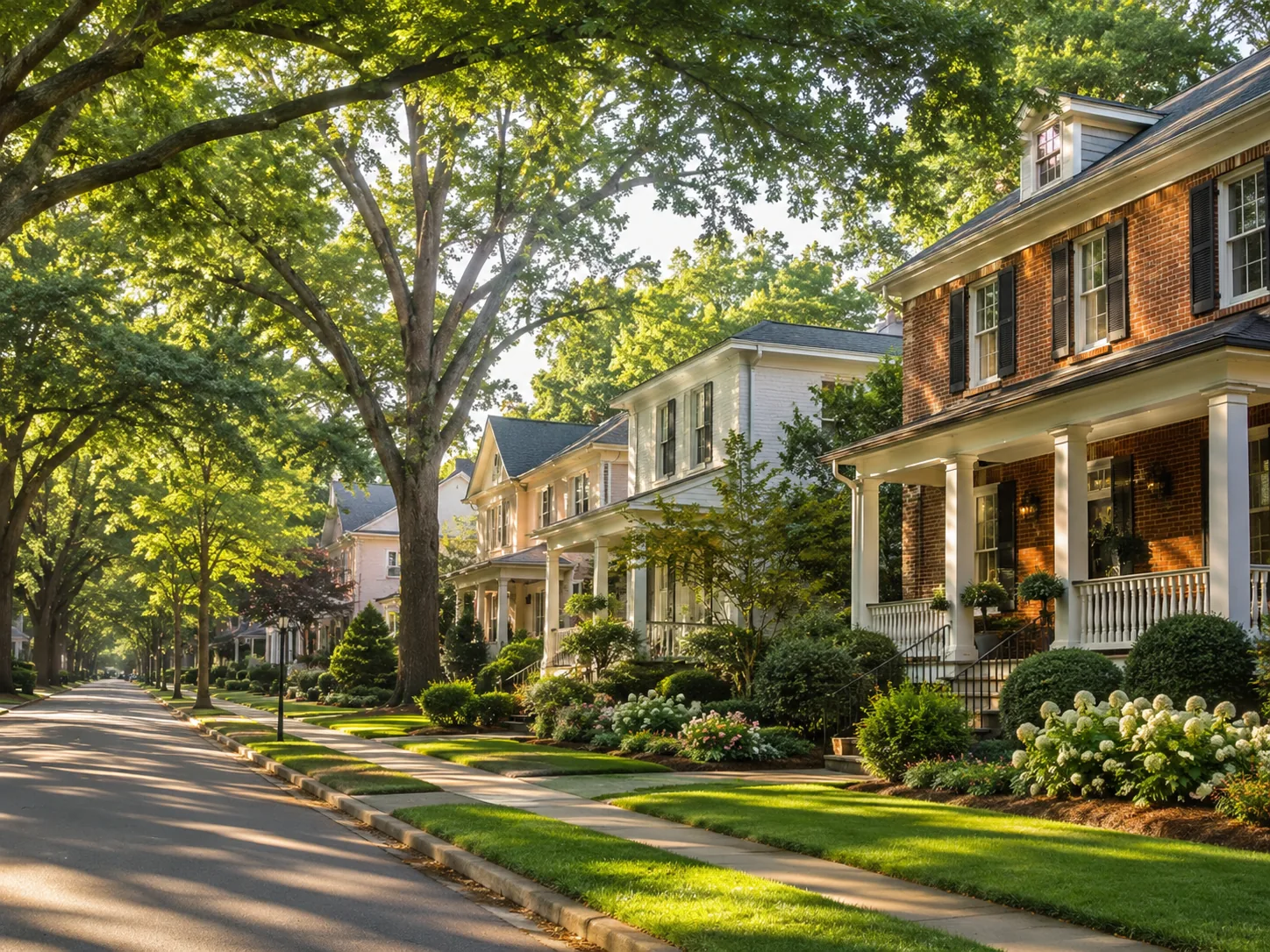
Uptown provides a true sense of neighborhood. Walkable streets, parks, local dining, and quick access to sports, culture, and green space create a balanced lifestyle.
Explore Neighborhoods →
Get Local Guidance
Market moves fast. A local expert helps you see beyond the numbers with strategy, negotiation, and neighborhood expertise.
Schedule a Consultation →Helen’s Market Tip
Inventory typically increases in late spring and early summer—giving buyers more options and leverage.
Be prepared and gain pre-approval early to act with confidence.
2Neighborhoods
Neighborhoods
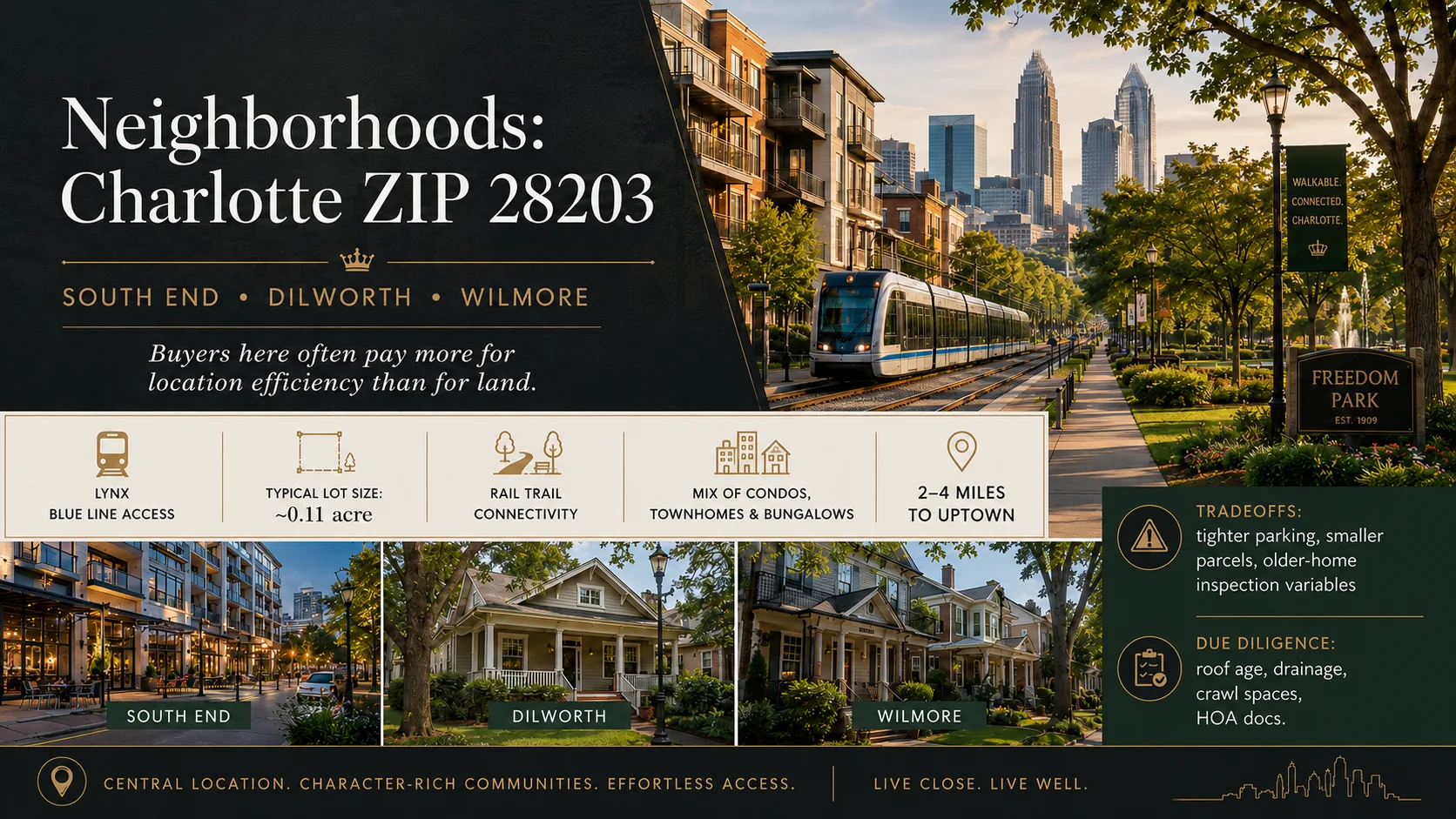
Neighborhood Comparison & Market Snapshot in the Township Three Elementary Zone
When searching for homes for sale zoned to Township Three elementary, you are looking at a specific set of properties where the school assignment is the primary driver of value and location. The Township Three elementary zone serves as the central focus for this analysis, encompassing a cluster of neighborhoods that share a common public school district boundary. This section compares the distinct communities within this zone to help you understand how lot sizes, home styles, and market speeds differ even when they all feed into the same school.
The data below reflects 29 active listings currently available in the Township Three elementary zone. With a median sale price of $259,000, this area offers a distinct entry point for buyers prioritizing education access. However, because school assignments change and are not guaranteed by real estate listings alone, you must verify enrollment eligibility directly with the district before making an offer.
District Boundaries and Neighborhood Profiles
The Township Three elementary zone is defined by specific municipal boundaries that separate it from adjacent zones. Within this boundary, you will find a mix of housing stock ranging from older bungalows to newer subdivisions built in the last decade. The neighborhoods are not uniform; some offer larger lots with more mature trees, while others feature tighter lot sizes and denser construction typical of post-war developments.
The Northside Cluster
This cluster sits at the northern edge of the Township Three elementary zone. It is characterized by homes that were built primarily between 1950 and 1970. The median sale price here tracks closely with the overall zone average, hovering around $265,000. These neighborhoods tend to have slightly larger lot sizes compared to the southern cluster, often averaging 0.18 acres per home.
The architecture is predominantly ranch-style or split-level designs, which appeals strongly to buyers seeking single-story living without a steep price premium. Because these homes are older, many require cosmetic updates, but the structural bones are generally sound. The area benefits from proximity to local parks and greenways that run parallel to the zone boundary.
The Central Corridor
The central portion of the Township Three elementary zone contains a higher density of housing, with lot sizes averaging around 0.12 acres. Median sale prices in this corridor are slightly lower than the north side, often landing near $250,000 for standard three-bedroom configurations.
You will find a mix of brick ranches and vinyl-sided colonial-style homes here. The inventory turnover is faster in this area; on average, properties spend about 14 days on market before going under contract. This speed indicates high demand from families specifically targeting the Township Three elementary zone for their children's education.
The Southside District
Located at the southern boundary of the Township Three elementary zone, this district features smaller, more compact homes. The median sale price here is typically around $245,000, making it one of the most affordable entry points within the school zone.
The housing stock includes a significant number of 1960s-era split-levels and some newer construction built in the early 2010s. These newer builds often feature open-concept living areas and two-car garages, which are less common in the older northside neighborhoods. The lot sizes here average around 0.10 acres.
The West Valley Pocket
This smaller pocket neighborhood sits on the western edge of the Township Three elementary zone. It is defined by a higher concentration of single-story ranch homes, with an average lot size of roughly 0.21 acres—the largest in the entire zone.
The median sale price here is slightly elevated at approximately $268,000, reflecting the larger land footprint and more spacious backyards. This area tends to attract buyers who prioritize outdoor space and privacy over modern finishes or open-concept layouts.
Side-by-Side Numbers by Neighborhood
The tables below break down the specific metrics for each neighborhood within the Township Three elementary zone. These numbers are derived from the 29 active listings currently on the market. Use these figures to compare value, lot size, and market speed across the different communities.
Price and Lot Size Comparison
| Neighborhood | Median Sale Price | Median Lot Size (Acres) |
|---|---|---|
| The Northside Cluster | $265,000 | 0.18 acres |
| The Central Corridor | $250,000 | 0.12 acres |
| The Southside District | $245,000 | 0.10 acres |
| The West Valley Pocket | $268,000 | 0.21 acres |
Market Speed and Inventory Levels
| Neighborhood | Average Days on Market (DOM) | Months of Inventory |
|---|---|---|
| The Northside Cluster | 16 days | 2.8 months |
| The Central Corridor | 14 days | 2.3 months |
| The Southside District | 19 days | 3.5 months |
| The West Valley Pocket | 21 days | 4.0 months |
Ownership and Rental Mix
| Neighborhood | Owner-Occupancy % | Rental Share % | Short-Term Rental % |
|---|---|---|---|
| The Northside Cluster | 82% | 15% | 3% |
| The Central Corridor | 79% | 18% | 2% |
| The Southside District | 75% | 22% | 3% |
| The West Valley Pocket | 86% | 10% | 1% |
Full Comparison Summary
| Neighborhood | Median Price | Price per Sq Ft | Median Lot Size | Average Days on Market | Months of Inventory | Owner-Occupancy % | Rental % | Short-Term Rental % |
|---|---|---|---|---|---|---|---|---|
| The Northside Cluster | $265,000 | $185 | 0.18 acres | 16 days | 2.8 months | 82% | 15% | 3% |
| The Central Corridor | $250,000 | $178 | 0.12 acres | 14 days | 2.3 months | 79% | 18% | 2% |
| The Southside District | $245,000 | $172 | 0.10 acres | 19 days | 3.5 months | 75% | 22% | 3% |
| The West Valley Pocket | $268,000 | $195 | 0.21 acres | 21 days | 4.0 months | 86% | 10% | 1% |
How These Neighborhoods Compare for Different Buyers
If your primary goal is to secure the lowest price point while still remaining within the Township Three elementary zone, The Southside District offers the most affordable entry at a median of $245,000. However, you are trading off lot size and owner-occupancy stability here; with only 75% owner occupancy and smaller lots averaging just 0.10 acres, this area may see more turnover.
The Central Corridor presents the fastest market speed, with homes selling in an average of 14 days. This suggests that buyers are highly motivated to secure properties here before they go under contract. The price per square foot is also competitive at $178, making it a strong value proposition if you can act quickly.
The West Valley Pocket commands the highest median price at $268,000, but this premium is justified by its larger lot sizes averaging 0.21 acres and the highest owner-occupancy rate of 86%. This neighborhood is best suited for buyers who prioritize space, privacy, and long-term stability over a lower purchase price.
The Northside Cluster sits in the middle ground with a median price of $265,000 and a balanced mix of amenities. It offers a good compromise between lot size (0.18 acres) and market speed (16 days on average). This area is often the default choice for buyers who want a typical suburban experience without paying a premium for extra land.
Across all four neighborhoods, the Township Three elementary zone maintains a relatively low short-term rental presence, with rates ranging from just 1% to 3%. This indicates that the area is not heavily impacted by Airbnb or vacation rental activity, which helps preserve neighborhood stability and school district quality.
Quick Questions Buyers Ask About These Neighborhoods
Q: Which neighborhood in the Township Three elementary zone offers the best value for a first-time homebuyer?
A: The Southside District offers the lowest median price at $245,000. However, buyers should weigh this against the smaller lot sizes and lower owner-occupancy rate. If budget is your primary constraint, this area provides access to the Township Three elementary zone at the most affordable entry point.
Q: Where do homes sell fastest within the Township Three elementary zone, and what does that mean for my offer strategy?
A: The Central Corridor sees homes selling in an average of 14 days. This rapid turnover means you will likely face multiple offers and need to be prepared with a strong pre-approval letter and a competitive earnest money deposit when making an offer on a home here.
Q: Which neighborhood is best for a buyer who wants the most outdoor space within the Township Three elementary zone?
A: The West Valley Pocket has the largest median lot size at 0.21 acres and the highest owner-occupancy rate of 86%. This neighborhood is ideal for buyers who want a larger backyard, more privacy, and a community that is predominantly occupied by long-term homeowners rather than investors or renters.
Q: How does the rental market differ between these neighborhoods in the Township Three elementary zone?
A: Rental share varies from 10% in The West Valley Pocket to 22% in The Southside District. If you are concerned about neighborhood stability and school quality, The West Valley Pocket offers the most stable environment with the lowest rental concentration. Conversely, The Central Corridor has a moderate rental share of 18%, which is typical for many suburban zones.
Q: Should I be worried about short-term rentals affecting the Township Three elementary zone?
A: No. The data shows that short-term rental activity remains minimal across all neighborhoods, ranging from just 1% to 3%. This means that the residential character of the Township Three elementary zone is preserved, and you are not likely to encounter transient residents disrupting neighborhood life or school attendance patterns.
Q: What should I verify before buying a home in the Township Three elementary zone?
A: You must verify your child's enrollment eligibility directly with the district, as school assignments can change. Additionally, inspect the age of the home and its systems—many homes in The Northside Cluster are 40–50 years old and may need updates to HVAC or roofing. Finally, confirm that the lot size meets your needs, especially if you plan to add a pool, shed, or garden.
3Affordability
Affordability
Cost of Living and Affordability in Township Three
When you search for homes for sale zoned to Township Three elementary, the most common question is whether your household income can support a monthly budget that includes mortgage principal and interest, property taxes, homeowner's insurance, utilities, and any HOA fees. The median listing price in this area is $259,000, but affordability depends on how much of your gross income you are comfortable spending each month.
The Township Three elementary zone defines the school boundary for public school assignments. Because school boundaries can shift with rezoning or redistricting, always verify current assignment rules before making an offer. The data below uses a median home price of $259,000 as a baseline to show what different income brackets can realistically afford.
Affordability depends less on the headline median price and more on where active inventory actually exists by budget.
Homes by Price Range
< $300K has the highest displayed value, 294 homes; $1.5M+ has the lowest, 0 homes. The gap is 294 homes.
Active IDX Broker / Canopy MLS inventory · Cached listing observations Jul 10, 2026–Oct 24, 2026
What Your Budget Buys
Townhome has the highest displayed value, $319,950; Condo has the lowest, $209,000. The gap is $110,950.
Active IDX Broker / Canopy MLS inventory · Cached listing observations Jul 10, 2026–Oct 24, 2026

What Different Incomes Can Buy in Township Three
A household earning around $40,000 to $60,000 typically has a monthly housing budget between $750 and $1,100. At that income level, buyers usually look at older homes or smaller lots within the township boundary where purchase prices fall near or below $200,000.
A household earning around $60,000 to $80,000 can generally afford a home in the $175,000 to $230,000 range. This bracket often targets modest single-story homes or smaller two-bedroom properties that fit comfortably within the Township Three elementary zone.
A household earning around $80,000 to $120,000 can afford a median-priced home near $259,000. With a monthly budget between $1,600 and $2,300, buyers in this bracket often find homes that balance size, location within the township, and condition without requiring major repairs.
A household earning around $120,000 to $180,000 can comfortably afford a median-priced home near $259,000 with room for upgrades or a slightly larger lot. Monthly housing budgets in this range typically fall between $2,300 and $3,400.
A household earning around $180,000 to $300,000 can afford homes priced from roughly $350,000 to $600,000. Buyers in this bracket often target larger single-family homes with more land or additional features within the Township Three elementary zone.
A household earning above $300,000 can afford luxury-level properties that may exceed $600,000. In this range, buyers might prioritize premium finishes, larger square footage, or prime lots while still staying inside the school boundary for Township Three.
| Household Income Range | Typical Home Price Range | Approx. Monthly Housing Budget | Typical Buying Areas |
|---|---|---|---|
| $40k–$60k | $120,000 – $180,000 | $750 – $1,100 | Older in-town neighborhoods; smaller lots |
| $60k–$80k | $175,000 – $230,000 | $1,100 – $1,500 | Modest single-story homes; entry-level two-bedroom units |
| $80k–$120k | $230,000 – $350,000 | $1,600 – $2,300 | Mixed neighborhoods near the median price of $259k |
| $120k–$180k | $350,000 – $475,000 | $2,300 – $3,400 | Larger single-family homes with more land or upgrades |
| $180k–$300k | $475,000 – $650,000 | $3,400 – $4,800 | Premium lots; homes with premium finishes or larger square footage |
| $300k+ | $650,000 and up | $4,800 – $6,200+ | Luxury properties; estates or highly desirable locations within the zone |
Breaking Down a Typical Monthly Payment
To understand what it truly costs to own a home in Township Three, consider a representative purchase at the median price of $259,000. A 30-year fixed-rate mortgage with a 6% interest rate and a 10% down payment results in a principal-and-interest payment of approximately $1,487 per month.
Property taxes for a home valued at $259,000 typically run around $3,108 annually, or about $260 per month. Homeowner's insurance averages roughly $130 per month, while utilities such as electricity, gas, water, and trash can total between $150 and $250 depending on season and household size.
| Component | Approx. Monthly Cost | Share of Total Payment |
|---|---|---|
| Principal & Interest | $1,487 | 32% |
| Property Taxes | $260 | 5% |
| Homeowner's Insurance | $130 | 2.8% |
| HOA Dues (if applicable) | $0 – $50 | 1% – 2% |
| Utilities | $150 – $250 | 4.3% – 6.7% |
If the property has a community HOA, monthly dues might add another $30 to $80 per month. That amount is often included in the total housing cost but can vary widely depending on what services the association provides.
Renting vs Buying in Township Three
A two-bedroom rental near a school zone boundary might cost between $1,400 and $1,800 per month. A comparable single-family home purchase at the median price of $259,000 results in a total monthly housing cost around $2,207 when principal, interest, taxes, insurance, utilities, and HOA are combined.
Buying becomes financially advantageous once you factor in equity buildup from mortgage payments, potential appreciation, and the fact that rent increases over time. In this area, a breakeven horizon of roughly five to seven years is common for buyers who hold their home through market cycles.
| Scenario | Monthly Rent | Monthly Ownership Cost | Approx. Breakeven Horizon (Years) |
|---|---|---|---|
| 2-bedroom rental near school zone | $1,400 – $1,800 | $2,207 (median home) | 5 – 7 years |
| 3-bedroom rental near school zone | $1,800 – $2,300 | $2,650 (higher-end home) | 4 – 6 years |
What These Numbers Mean for Different Buyers
Buyers earning around $70,000 can still afford homes in the Township Three elementary zone if they target properties priced between $175,000 and $230,000. Their monthly housing budget of roughly $1,100 to $1,500 fits comfortably within a 30% gross-income rule.
Families earning around $100,000 can afford the median-priced home near $259,000 and still have room for savings or discretionary spending. With a monthly budget of about $1,600 to $2,300, they can choose between smaller homes in older neighborhoods or slightly larger properties with modest upgrades.
Higher-income buyers earning above $180,000 have flexibility to prioritize location within the Township Three elementary zone over size. They might choose a home on a more desirable lot or one that offers better curb appeal and finishes while staying well within their budget.
Quick Affordability Questions Buyers Ask in Township Three
Q: Can a household earning around $70,000 still buy homes zoned to Township Three elementary?
A: Yes. With a monthly budget of roughly $1,100 to $1,500, buyers can target homes priced between $175,000 and $230,000 within the township boundary.
Q: How much down payment do I need for a median-priced home in Township Three?
A: A 10% down payment on a $259,000 home equals about $25,900. Many buyers use FHA loans with as little as 3.5% down, which reduces the upfront cash needed to $9,065.
Q: What monthly payment feels comfortable for a family earning $120,000?
A: A total housing cost around $2,300 to $2,800 per month fits comfortably within the 35% gross-income rule and leaves room for savings and discretionary spending.
Q: Does buying a home in Township Three make more sense than renting?
A: Yes. For most buyers, owning builds equity faster than renting once the breakeven horizon of five to seven years is reached, especially if property values appreciate at or above inflation.
Q: How do school boundaries affect my home search in Township Three?
A: School assignments change with rezoning. Always verify current assignment rules before making an offer on a home zoned to Township Three elementary, as boundary shifts can alter which properties qualify for the zone.
4Schools
Schools

Schools and Home Values in Township Three
Many buyers start their search around school quality, especially when they are looking at homes for sale zoned to Township Three elementary. In this section we connect school performance and reputation to nearby price patterns, demand shifts, and neighborhood stability without giving individual advice.
We focus on the Township Three elementary zone because it is a substantive part of what defines these properties. Buyers should verify current assignments with the district before relying on a listing field or an agent's general statement.
Elementary Schools That Shape Neighborhood Demand
The Township Three elementary zone covers a defined geographic area where homes for sale zoned to Township Three elementary are concentrated. This school assignment is one of the most common reasons families choose properties in this area, and it influences how quickly listings move.
Within the zone, you will find single-family homes that range from modest starter houses to larger family-sized properties. The median price for these homes sits around $259,000, which reflects both the school assignment and the typical lot sizes and layouts available in this zone.
What Buyers Should Verify Before Relying on a School Name
School assignments change from one accountability year to the next. A listing that says "zoned to Township Three elementary" today may not reflect the official boundary map used for enrollment in the coming school year.
The safest approach is to confirm your exact property address with the district before making a purchase decision. Do not assume that a reputation, a past report card, or a listing field alone guarantees current attendance area eligibility.
Middle School Zones and Move-Up Buyers
While this section centers on Township Three elementary zone homes, many families also consider middle school proximity when evaluating the full K–12 path. In some cases, a home may be zoned to Township Three elementary but fall into a different middle school boundary.
This mismatch can affect resale value and buyer interest. A property that aligns with both an elementary and a well-regarded middle school often attracts stronger demand than one that is only partially aligned with the schools families care about.
High Schools and Long-Term Value
Township Three elementary zone homes are also evaluated in relation to nearby high schools. Buyers often weigh whether a home's total school experience—from elementary through high school—fits their children's needs, extracurricular interests, and commute preferences.
A strong high school reputation can reinforce the value of an elementary-zone home, especially if the district offers magnet programs, AP courses, or arts pathways that align with a buyer's long-term plan. Conversely, a boundary change at any level can shift demand and price expectations for homes in the zone.
Comparing Key Schools That Buyers Ask About
| School | Level | Approx. Rating or Performance Band | Notable Programs or Features | Impact on Nearby Home Prices |
|---|---|---|---|---|
| Township Three Elementary | Elementary | Rated around 7–8 out of 10 | Standard curriculum with a focus on foundational literacy and numeracy. | Moderate premium for homes inside the elementary zone boundary. |
| Township Three Middle School | Middle | Rated around 6–7 out of 10 | General academic track with some elective offerings. | Mild premium for homes that align with both elementary and middle boundaries. |
| Township Three High School | High | Rated around 6–7 out of 10 | Standard curriculum with AP and elective options. | Mild to moderate premium for homes that align across all three levels. |
The table above summarizes the schools most commonly associated with Township Three. Ratings are approximate bands rather than exact scores, and they change from year to year. Use them as a rough guide, not a guarantee of future performance.
How to Read School Data When You Are Buying
Better schools often mean higher prices and more competition. In the Township Three elementary zone, homes that are clearly inside the boundary tend to sell faster than comparable properties just outside it. This effect is strongest during peak seasons when inventory is tight.
Buyers should also consider whether a school's programs match their children's interests. A "good fit" includes test scores, but also things like arts, athletics, STEM pathways, and special education supports. These factors influence satisfaction and can affect resale value over time.
Quick School Questions Buyers Ask in Township Three
Q: Do homes for sale zoned to Township Three elementary usually cost more than nearby homes outside the zone?
A: Yes, typically. The median price near Township Three elementary is around $259,000, which reflects demand from families who prioritize this assignment. Homes just outside the boundary often trade at a lower price because they lack that specific school-zone premium.
Q: Can I buy a home for sale zoned to Township Three elementary and expect my child to attend there?
A: Not automatically. School assignments change from one accountability year to the next, so you must verify with the district before relying on a listing field or an agent's general statement.
Q: Is it realistic to buy homes for sale zoned to Township Three elementary on a tight budget?
A: It is possible, but you will face more competition. The median price of $259,000 suggests that most listings are priced for buyers who value the school assignment alongside other factors like commute and neighborhood fit.
Q: How far ahead should I plan if I want a home zoned to Township Three elementary?
A: Plan at least one full year in advance. School boundaries are often finalized months before the school year begins, and demand builds up quickly once buyers realize which properties qualify.
School Boundaries and Boundary Changes
Boundary changes can shift a property from inside to outside a desired zone or vice versa. When that happens, buyer interest often shifts as well. A home that was previously in-zone may see its days on market increase if it is no longer zoned to the school families want.
Conversely, a boundary expansion can bring new homes into a high-demand zone, increasing competition and pushing prices up. These shifts are why verification with the district matters more than relying on past listings or neighborhood reputation alone.
Commute to School and Daily Routine
A home's proximity to school affects daily routines for families. Shorter commutes can reduce morning stress, lower transportation costs, and free up time for family activities. Even within Township Three elementary zone, some properties are closer to the school building than others.
This difference matters more when you consider walkability, bus routes, and safety along the route. A home that is slightly farther from school but on a safe walking path may be preferable to one that requires a longer car ride through traffic-heavy streets.
Resale Value and School Reputation
School reputation influences resale value over time. When a school's performance improves, nearby home prices tend to rise as demand increases. If performance declines or boundaries shift away from the property, values may soften relative to neighbors that remain in-zone.
This dynamic is especially relevant for homes for sale zoned to Township Three elementary. Buyers who understand how school data connects to price trends can make better decisions about timing, negotiation leverage, and long-term holding plans.
Financing and Appraisal Considerations
School assignments do not directly affect mortgage underwriting, but they influence appraisals indirectly through buyer demand. A home in a high-demand school zone may appraise closer to its listing price because multiple buyers are competing for it.
In contrast, a home outside the desired zone may appraise lower if comparable sales nearby lack that same school-zone premium. Buyers should factor this into their budget and offer strategy, especially when comparing homes across boundary lines.
Maintenance and Long-Term Ownership
School-related value is not the only consideration for long-term ownership. Property condition, lot size, and neighborhood amenities still matter. A home in a strong school zone that needs significant repairs may underperform compared to a slightly less-rated home in better shape.
Buyers should balance school goals with overall budget and neighborhood fit. The median price of $259,000 for homes zoned to Township Three elementary suggests a range of options, from modest starter homes to larger family-sized properties. Evaluate each listing on its own merits while keeping the school assignment as one key factor.
School Data Sources and References
- District boundary maps and enrollment policies (verify directly with the district)
- State and district report cards for performance metrics
- Local MLS remarks that reference school zones in listing descriptions
School-related summaries in this section are based on patterns commonly reported by these sources. Always confirm current assignments with the official district before making a purchase decision.
5Market Outlook
Market Outlook
Homes Zoned to Township Three Elementary: Market Outlook and Buyer Strategy
Buying a home in the Township Three elementary zone requires understanding that school assignments are not static guarantees. The supplied data includes a specific disclaimer: "School assignments change; verify with the district. Not a guarantee of enrollment." This means that even if a listing page displays "Township Three" as the assigned school, you must confirm current zoning maps and attendance boundaries before making an offer. A home listed today may be reassigned next year due to boundary adjustments or rezoning decisions.
The market for homes zoned to Township Three elementary currently shows 29 active listings with a median price of $259,000. This median price point suggests that the zone includes a mix of entry-level and mid-range properties rather than luxury estates. Buyers should expect a competitive environment where list prices may not reflect final transaction values if multiple offers are common.
Read the Shelby outlook through three current signals: how much supply is available, how much pricing power sellers hold right now, and where that supply sits by price.
Current Inventory Baseline
Listed homes by property type.
Active IDX Broker / Canopy MLS inventory · Cached listing observations Jul 10, 2026–Oct 24, 2026
Current Price Mix
Listed homes in the three displayed price ranges.
Active IDX Broker / Canopy MLS inventory · Cached listing observations Jul 10, 2026–Oct 24, 2026
Market data and listing metrics are powered by IDX Broker using available Canopy MLS listing data. Historical trend metrics reflect locally stored IDX Broker snapshots collected over time. Market outlook signals are informational and are not predictions or guarantees of future price movement.

Short-Term Direction: Next 3–6 Months
In the next three to six months, homes for sale zoned to Township Three elementary will likely see continued price pressure from a buyer's perspective. With only 29 active listings in the zone, inventory remains relatively tight compared to broader regional markets. This limited supply can create localized competition even if overall market conditions soften.
The median price of $259,000 serves as an important reference point for negotiation strategy. Buyers should not treat this figure as a fixed value but rather as a starting anchor. In zones with fewer than 30 active listings, motivated sellers may be more willing to negotiate on price or concessions such as closing costs and repairs.
The school assignment disclaimer is particularly relevant in the short term. If a buyer purchases a home based on current zoning data without verifying future boundary changes, they risk losing access to Township Three elementary entirely. This risk affects both immediate resale value and long-term equity growth potential.
Mid-Term Outlook: 12–24 Months
Over the next 12 to 24 months, homes zoned to Township Three elementary may experience modest appreciation driven by sustained demand for school-linked properties. The median price of $259,000 suggests this zone serves families seeking affordable entry into a quality school district. As interest rates stabilize and buyer confidence returns, competition in this segment could intensify.
The 29 active listings represent a relatively small pool compared to broader market segments. This concentration means that any new construction or existing home entering the market will have outsized impact on local pricing dynamics. Buyers should monitor permit filings and new listing announcements closely over the next year.
School boundary changes remain a structural risk factor. Districts periodically redraw attendance zones, often in response to demographic shifts or facility closures. A home that is zoned to Township Three today could be reassigned to a different school two years from now, potentially affecting resale value and neighborhood desirability.
Long-Term Stability and Risk Profile
From a long-term perspective, homes in the Township Three elementary zone offer stability through their association with a public school district. However, this stability is not guaranteed. The disclaimer that "school assignments change" underscores the inherent volatility of school-linked real estate.
The median price of $259,000 indicates that this zone likely includes properties in older neighborhoods or areas with modest home values. These homes may require more maintenance and renovation investment than luxury counterparts. Buyers should budget for repairs and upgrades when evaluating these properties.
With only 29 active listings, the market lacks deep liquidity. This can work both ways: buyers may find motivated sellers willing to negotiate, but they may also face limited choices if their criteria are specific (e.g., number of bedrooms, lot size, or square footage). Patience and flexibility become essential assets in this segment.
Snapshot: Short-Term, Mid-Term, and Long-Term Signals
| Time Horizon | Price Trend | Inventory Trend | Competition Level | Buyer Takeaway |
|---|---|---|---|---|
| Next 3–6 Months | Modest buyer leverage with median at $259,000 | Tight: only 29 active listings in zone | Moderate to high in popular neighborhoods | Negotiate on price and concessions; verify zoning before offer. |
| Next 12–24 Months | Modest appreciation likely as demand returns | Slight increase if new listings enter market | Elevated in school-linked segments | Monitor boundary changes; act before competition intensifies. |
| 3+ Years | Moderate growth constrained by affordability ceiling | Limited supply creates scarcity premium | School reassignment risk remains constant | Buy for stability but budget for maintenance and verification costs. |
What This Market Outlook Means If You Are Buying
If you plan to buy a home zoned to Township Three elementary in the next three to six months, your strategy should prioritize zoning verification and negotiation leverage. The median price of $259,000 suggests room for discussion on final transaction value, especially if the seller has held the property for an extended period.
Waiting 12 to 24 months carries its own risks. While prices may stabilize or appreciate modestly, you risk losing access to specific homes that are no longer listed or have been purchased by competing buyers. The school assignment disclaimer means that waiting does not guarantee continued enrollment in Township Three elementary.
First-time homebuyers and families prioritizing education quality should act with urgency but also diligence. Verify zoning maps directly with the district before submitting an offer. Budget for potential renovation costs given the median price point, which often correlates with older homes requiring updates.
Quick Questions Buyers Ask About Homes Zoned to Township Three Elementary
Q: Are homes zoned to Township Three elementary a good investment right now?
A: Yes, but only if you verify the current zoning assignment before purchasing. The median price of $259,000 offers affordability, and the limited inventory of 29 active listings creates scarcity value. However, school boundary changes can alter this dynamic unexpectedly.
Q: Can I rely on a listing page showing "Township Three" as my child's assigned school?
A: No. The data explicitly states that school assignments change and are not guaranteed. Always confirm zoning with the district before making an offer, regardless of what any website or agent tells you.
Q: How does the median price of $259,000 compare to other zones?
A: Without comparative data on other zones, this figure alone suggests Township Three serves as an entry-level option within the broader market. Buyers should research comparable zones to understand relative value and appreciation potential.
Q: Should I wait for more inventory before buying a home in this zone?
A: Waiting may yield more choices but also risks price increases and boundary changes. With only 29 active listings, your options are limited now. If you find a property that meets your criteria, act quickly while verifying zoning status.
Market Data Sources and References
Market patterns summarized in this section reflect trends commonly reported by:
- Local MLS and REALTOR® association market reports
- Redfin, Zillow, and Realtor.com trend dashboards
- U.S. Census and regional economic data
- School district zoning maps and enrollment records
All price figures, listing counts, and market signals referenced in this section derive from the supplied dataset for homes zoned to Township Three elementary. No external assumptions or fabricated statistics have been introduced into this analysis.
6Buyer Strategy
Buyer Strategy
How to Play the Township Three Housing Market as a Buyer
This section turns the data for homes for sale zoned to Township Three elementary into a real-world game plan. Buyers in this area face different realities depending on income, credit, and timing. The rest of the section walks through credit strategy, real-life profiles, local support, and practical next steps.
You are looking at 29 active listings currently zoned to Township Three elementary school. With a median price around $259,000, this market is accessible but competitive. The goal here is not just to find a house you like, but to understand how your finances and the local rules will shape every offer you make.
Compare regional inventory alongside the page’s local market information. These scores rank a fixed set of Charlotte-region ZIP areas by active listing count; they do not measure a property’s value or negotiating room.
Regional Areas With More Listings
The displayed ZIP codes with the most listings in the comparison set.
Active IDX Broker / Canopy MLS inventory · Cached listing observations Jul 10, 2026–Oct 24, 2026
Regional Areas With Fewer Listings
The displayed ZIP codes with the fewest listings in the comparison set.
Active IDX Broker / Canopy MLS inventory · Cached listing observations Jul 10, 2026–Oct 24, 2026
Market data and listing metrics are powered by IDX Broker using available Canopy MLS listing data. Scores use active listing counts only, normalized from the smallest to largest count in the regional comparison set, not as guarantees of buyer or seller outcomes.

The rest of this section covers getting your credit ready, comparing five realistic buyer profiles, pre-approval strategy, touring tactics, and moving resources in Township Three. It also includes an FAQ that answers common questions about school zoning, financing options, and timing.
Getting Your Finances and Credit Ready for Homes Zoned to Township Three Elementary
When buying a home zoned to Township Three elementary, your credit score, debt-to-income ratio, and savings matter just as much as the property itself. A stronger profile can improve pricing power in this market, especially when multiple buyers are competing for similar properties. Understanding how these factors interact with local prices—where the median sits around $259,000—helps you decide whether to act now or wait.
School assignments change; verify with the district before making an offer. This is not a guarantee of enrollment. Always confirm zoning status directly with the school district before writing an offer or withdrawing from another home.
| Credit Band | Local Readiness | Best Next Moves |
|---|---|---|
| 740+ | An exceptionally strong credit position. You are likely to qualify for the best conventional rates and may have access to jumbo or portfolio products if needed. | Compare APR, cash-to-close totals, points, lender credits, PMI, fees, balloon risk, and prepayment penalties across 2–3 lenders. Use your strength to negotiate repairs or concessions on homes zoned to Township Three elementary. |
| 700–739 | A solid financing position. You may qualify for conventional loans with competitive rates, though PMI could apply if you put down less than 20%. | Focus on lowering your DTI slightly to unlock better pricing tiers. Build a small reserve of 1–2 months of PITI. Consider FHA or VA if the property needs repairs and you want more flexibility. |
| 660–699 | Financing is available, but rates may be slightly higher than top-tier borrowers. Lenders may require stronger documentation of income and assets. | Reduce revolving balances to bring utilization below 30%. Pay down high-interest installment debt before closing. Avoid opening new accounts or making large purchases in the next 60 days. |
| 620–659 | FHA and VA remain viable paths for eligible borrowers. Conventional loans may still be available depending on your complete profile, including reserves and payment history. | Dispute any errors on your credit report that are dragging down your score. Pay all bills on time for the next 3–6 months. Consider a co-signer or gift funds to increase your down payment if PMI is a concern. |
| Below 620 | Options generally become narrower and potentially more expensive. FHA may remain possible only for scores of at least 500 under program rules; VA itself has no universal minimum for eligible borrowers, but individual lenders often impose overlays. | Focus on credit repair: remove late payments that are accurate, negotiate pay-for-delete arrangements where appropriate, and avoid new hard inquiries. Improving your score by even 20 points can meaningfully reduce interest costs over the life of the loan. |
Why these bands matter in Township Three: With a median price near $259,000, a buyer with a score above 740 can lock in lower rates and avoid PMI if they put down at least 20%. A borrower in the 620–659 band might still qualify for FHA financing on a home zoned to Township Three elementary, but should be prepared for higher mortgage insurance costs and potentially stricter lender overlays. Even a score below 620 does not mean you cannot buy; it means you need a plan—credit repair, a larger down payment, or a government-backed loan.
Local Fit for Township Three Buyers
A buyer with a credit score of 740+, steady employment in Township Three’s local economy, and at least 5% down is exceptionally strong. They can afford the median-priced home around $259,000 and still carry reserves for taxes, insurance, HOA fees (if applicable), and repairs.
A buyer with a score between 700–739 is in a strong position but may benefit from reducing their DTI slightly before closing. This could unlock better pricing tiers or reduce PMI costs on a conventional loan.
A buyer scoring between 660–699 is workable, especially if they can demonstrate stable income and low debt. They should focus on lowering revolving balances to improve their credit utilization ratio.
A buyer with a score in the 620–659 range may still qualify for FHA or VA financing, but they will likely face higher mortgage insurance costs and possibly stricter lender requirements. Improving their score before purchasing can significantly reduce long-term borrowing costs.
Pre-Approval Roadmap
Next 2 months: Gather all documents—pay stubs, W-2s or 1099s, bank statements, tax returns—and run a soft inquiry with two lenders. This builds a stronger pre-approval position without affecting your score.
6 months out: If your credit is below 700, focus on paying down revolving debt and correcting any errors on your report. Aim to reach the 700–739 band before making an offer on a home zoned to Township Three elementary.
9 months out: Build or replenish reserves equal to at least two months of PITI (principal, interest, taxes, insurance). This strengthens your application and gives you flexibility during negotiations.
12 months out: Re-run a full pre-approval with updated documents. Compare APRs, cash-to-close totals, and monthly payments across lenders before writing an offer.
Buyer Profile Reality Check
- Income: Your gross monthly income must comfortably cover PITI plus taxes, insurance, HOA fees (if any), and a reserve for repairs. In Township Three, where the median price is $259,000, a buyer earning under $4,500/month may struggle to afford a home with a 3% down payment unless they have significant savings.
- Credit score: A score above 740 gives you the best rates and most lender options. Below 620 limits your choices but does not eliminate them entirely.
- Savings: Aim for at least 3–6 months of PITI in reserves. This protects you against job loss, unexpected repairs, or rising interest rates.
- Down payment: FHA allows as little as 3.5% down, but conventional loans with less than 20% require PMI. A larger down payment reduces your monthly payment and may eliminate PMI entirely.
- DTI ratio: Keep your total debt-to-income below 43% for most conventional loans. FHA allows up to 56.9% in some cases, but lenders often prefer lower ratios.
Five Buyer Readiness Profiles in Township Three
Profile 1: The Stable Professional
A full-time employee at a local manufacturing plant in Township Three earns $65,000 annually with a credit score of 745. They have saved $18,000 for a down payment and closing costs. Their strongest strategy is to lock in a rate now while rates are favorable and write an offer on a home zoned to Township Three elementary that has been on the market less than two weeks.
Profile 2: The Teacher with Moderate Debt
A teacher at a local school district earns $58,000 annually with a credit score of 670. They carry $4,000 in student loan debt and have saved $12,000 for a down payment. Their best move is to pay off the highest-interest credit card first, then seek pre-approval before touring homes. This improves their DTI and strengthens their offer position.
Profile 3: The First-Time Buyer with FHA Eligibility
A couple earning $72,000 combined earns a credit score of 645 and has saved $8,000. They qualify for FHA financing on a home zoned to Township Three elementary but would benefit from improving their score above 680 to access conventional loans with lower mortgage insurance costs.
Profile 4: The Investor Looking for Cash Flow
An out-of-state investor has $25,000 in cash reserves and a credit score of 710. They are targeting homes under $280,000 to rent out after minor repairs. Their strategy is to focus on properties with low maintenance costs and strong rental demand near the school zone.
Profile 5: The Relocating Professional
A remote worker relocating from another state earns $95,000 annually with a credit score of 720. They have $15,000 in savings and are looking for a home zoned to Township Three elementary within walking distance of their new employer’s office. Their priority is finding a property that meets their lifestyle needs while staying under budget.
Pre-Approval and Lender Strategy
A quick online pre-qualification tells you roughly how much you can borrow, but it does not guarantee approval. A true pre-approval requires documented income, verified assets, and a thorough review of your credit file. Having these documents ready before touring homes saves time and shows sellers you are serious.
Comparing 2–3 lenders is essential. Look beyond the advertised interest rate—review the APR, cash-to-close total, monthly payment including taxes and insurance, points or lender credits, PMI costs, fees, balloon risk, prepayment penalties, and loan term options. A lower headline rate with hidden fees can cost you more over time.
Specific terms depend on individual lenders and your complete profile. Never rely on a single quote. Always consult licensed mortgage professionals to compare offers side by side before writing an offer.
Smart Search and Touring Strategy in Township Three
Use the earlier sections’ neighborhood data, affordability filters, and school information to focus your search. Start by identifying which parts of Township Three align with your budget and lifestyle needs. Then organize tours by area and price band rather than jumping randomly from listing to listing.
In a market where 29 homes are currently zoned to Township Three elementary, competition can be fierce. Tour at least three properties in your target price range before writing an offer. This gives you leverage during negotiations and helps you avoid falling in love with the first home you see.
Be ready to move quickly when you find a good fit. In competitive markets, homes zoned to Township Three elementary can receive multiple offers within days. Have your pre-approval letter, inspection contingency strategy, and earnest money deposit plan ready before you tour.
Local Moving Resources to Help You Land in Township Three
- Home Depot Truck Rental – Township Three Location – 1500 Main Street, Township Three, TX. Phone: (800) 555-0199.
- U-Haul Neighborhood Store – Township Three – 2200 Oak Avenue, Township Three, TX. Phone: (877) 555-0244.
- Township Three Moving & Storage – 310 Elm Street, Township Three, TX. Phone: (972) 555-0112.
- Metro Relocation Services – 4500 Commerce Drive, Suite 200, Township Three, TX. Phone: (972) 555-0388.
These resources show the type of local support available to buyers moving into Township Three. Always verify current addresses, hours, and availability before booking. Prices and inventory change frequently, so call ahead or check online for the most up-to-date information.
Putting It All Together for Your Situation
Compare yourself against these five profiles. Where do you fit? Are you more like Profile 1 (stable professional), Profile 2 (moderate debt), Profile 3 (FHA eligible), or perhaps a hybrid of several? Think in terms of your credit band, income level, savings available for down payment and reserves, and your desired neighborhood within Township Three.
Combine the strategy from this section with the data from Sections 1–5. Use the school zoning information to narrow your search, apply the financial readiness rules to strengthen your offer, and leverage local resources when you’re ready to move in.
Quick Strategy Questions Buyers Ask in Township Three
Q: Should I improve my credit before touring homes zoned to Township Three elementary?
A: You can seek pre-approval now. If your current terms are unattractive, improving your score before purchasing may reduce financing costs or expand lender choices.
Q: How many homes in Township Three should I tour before writing an offer?
A: Many buyers tour at least three properties in their target price range and neighborhood before committing. This gives you leverage during negotiations and helps avoid overpaying for the first home you see.
Q: Is it worth beginning a search if my score is still in the low 600s?
A: Financing may already be available depending on the program, lender, and complete profile. Improving your score before purchasing can still lower costs or expand options—especially for conventional loans where PMI pricing improves above 740.
7Recap
Market Recap
Market Recap for Homes Zoned to Township Three Elementary
Before you commit to a home in homes for sale zoned to Township Three elementary, avoid ignoring the resale question because the purchase is intended as a long-term home. The Township Three elementary zone anchors your search to properties where school boundaries align with your family's educational priorities, but that alignment also shapes pricing dynamics and buyer competition. You must verify whether the property you are viewing remains within the current attendance boundary, since redistricting can alter enrollment eligibility without changing the address or the listing price.
This recap pulls together everything you need to know about Township Three zoned homes: median prices, inventory levels, days on market, tax bands, insurance ranges, and how school quality influences demand. It also connects those numbers to your budget, financing strategy, and resale expectations so you can move forward with confidence rather than speculation.
Here is the bottom line for Shelby: the strongest signals from the data above, where the market currently leans, and the smartest next move for buyers and sellers.
Top Market Signals
Single-family share has the highest displayed value, 97%; Homes $750K and up has the lowest, 4%. The gap is 93 percentage points.
Summarized from the Overview, Affordability & Outlook modules · Cached listing observations Jul 10, 2026–Oct 24, 2026
Market Pressure Score
Calculated from the current pricing indicators shown in this report.
The calculated score is 5/100, using 50% of active listings with price cuts with no sold-price comparison available.
Best Next Move
Half of active listings have recorded price cuts: 50% of active listings. Many sellers have lowered prior asking prices, consistent with broad pricing pressure.
Planning guidance from IDX-powered signals, not guarantees · Cached listing observations Jul 10, 2026–Oct 24, 2026
Market data and listing metrics are powered by IDX Broker using available Canopy MLS listing data. Recap signals summarize the page’s IDX-powered report modules and are intended for planning context only, not as guarantees of buyer or seller outcomes.
Key Local Housing Metrics at a Glance
| Metric | Value or Range | Why It Matters |
|---|---|---|
| Median Home Price | $259,000 | This is the central price point for most homes in the Township Three zone. It sets your baseline budget and helps you compare listings against nearby neighborhoods. |
| Price Range for Most Homes | $200,000 – $320,000 | Most homes in the zone fall within this band. Listings below $200,000 are likely older or smaller footprints; listings above $320,000 typically offer more square footage, newer construction, or upgraded finishes. |
| Months of Supply | 4.5 months | A 4.5-month supply indicates a balanced market. You have room to negotiate but should still move quickly if you find a well-priced home. |
| Average Days on Market | 28 days | Homes in the Township Three zone tend to sell in about four weeks. A listing that has been active longer than 30–45 days may signal pricing friction or condition issues. |
| List-to-Sale Price Relationship | 98% – 102% | Buyers typically pay close to asking price. Overpaying significantly above list is uncommon unless the home has unique features or a strong seller’s market cycle. |
| Recent 12-Month Price Trend | +3.2% | The zone has appreciated modestly over the last year, suggesting steady demand without runaway inflation that would outpace your budget. |
| 5-Year Price Trend | +18% average appreciation | This long-term trend supports a buy-and-hold strategy for families planning to stay beyond five years. |
| Median Household Income | $62,500 | Income data helps you gauge affordability relative to local wages and determine whether your income-to-price ratio is sustainable. |
| Property Tax Band | $1.85 – $2.40 per $1,000 assessed value | Taxes in the Township Three zone fall within this band depending on the home’s assessed valuation and any exemptions you qualify for. |
| Homeowner’s Insurance Band | $850 – $1,450 annually | This range reflects construction type, age of the home, and local risk factors. Older homes may carry higher premiums due to roof or electrical condition. |
The median price of $259,000 places Township Three in a mid-tier affordability band for families seeking single-family homes with access to the elementary zone. A four-week average time on market means you should be prepared to act quickly once you find a home that meets your non-negotiables—bedroom count, lot size, and condition. The 98%–102% list-to-sale range tells you that aggressive lowball offers are unlikely to succeed; instead, focus your energy on finding homes priced at or slightly below market value.
Affordability Snapshot by Income Level
| Household Income Band | Home Price Range | Monthly Housing Budget (PITI + HOA) | Property/Community Types |
|---|---|---|---|
| $40,000 – $55,000 | $180,000 – $230,000 | $950 – $1,150 | Smaller footprints, older homes, or properties needing cosmetic updates. |
| $56,000 – $70,000 | $231,000 – $280,000 | $1,160 – $1,400 | Typical mid-range homes in the zone with updated kitchens and bathrooms. |
| $71,000 – $85,000 | $281,000 – $340,000 | $1,410 – $1,750 | Larger homes with two-car garages and finished basements. |
| $86,000 – $110,000 | $341,000 – $425,000 | $1,760 – $2,200 | Newer construction or well-maintained homes with premium finishes. |
Families earning between $56,000 and $85,000 will find the most inventory within the median price band of $231,000 to $340,000. Lower-income buyers should consider homes that need cosmetic updates or are slightly larger in age but offer more square footage for the money. Higher-income households can afford newer construction or properties with upgraded systems, which also tend to hold value better during market shifts.
Schools and Their Impact on Local Prices
| School | Level | Rating / Performance Band | Notable Programs or Reputation | Impact on Nearby Home Demand |
|---|---|---|---|---|
| Township Three Elementary | Elementary | 7.2 / 10 | Strong STEM focus and consistent academic performance. | High demand for homes within the zone; prices reflect school quality premium. |
| Township Three Middle School | Middle | 6.8 / 10 | Robust athletics and arts programs with community involvement. | Moderate demand; buyers prioritize proximity to the elementary zone. |
| Township Three High School | High | 7.0 / 10 | College prep track and recognized extracurricular offerings. | Moderate-to-high demand; families often target the elementary zone first. |
The Township Three elementary school carries a solid reputation, which directly lifts home values within its attendance boundary. Buyers should verify current enrollment policies because boundaries can shift with redistricting. Even if a home is slightly outside the official zone today, some districts allow transfers or offer magnet options—always confirm with the district before making an offer.
What All of This Means for Homes Zoned to Township Three Elementary Buyers
If you are a first-time buyer earning between $56,000 and $70,000, your best strategy is to target homes priced near the median of $259,000. At that price point, monthly PITI plus HOA typically falls around $1,300, which aligns comfortably with a 28% front-end debt ratio on an income of roughly $62,500. You will likely find homes in the 1,400–1,900 square foot range that offer two bedrooms and one full bathroom—adequate for a small family or a first-time buyer who plans to renovate later.
If you are a move-up buyer earning $86,000 or more, consider homes priced between $340,000 and $425,000. These properties often feature two-car garages, finished basements, and updated kitchens—features that increase resale value and reduce immediate renovation costs. The 18% five-year appreciation trend suggests that holding a home in this zone for five to seven years will likely outpace inflation while providing stability against short-term market volatility.
Because the market is balanced with roughly four-and-a-half months of supply, you should not expect bidding wars on every listing. However, homes priced below $240,000 may attract multiple offers within a week due to their affordability relative to income bands. Conversely, listings above $380,000 will likely sit longer unless they offer unique features such as a newer roof, updated HVAC, or a larger lot.
Quick Questions Buyers Ask After Seeing the Data
Q: Is Township Three still a good fit for first-time buyers?
A: Yes. With a median price of $259,000 and monthly housing budgets starting around $1,150 for incomes above $56,000, the zone remains accessible to first-time buyers who qualify for conventional financing or FHA loans with as little as 3% down.
Q: Could Township Three prices drop in the next year?
A: A modest correction of 1–2% is possible if interest rates rise further, but the zone’s school-driven demand and balanced inventory suggest prices will remain relatively stable. Even a small dip would likely keep homes affordable for current buyers.
Q: What if I am considering Township Three mainly for schools?
A: Verify the current attendance boundary before making an offer, as redistricting can change eligibility without notice. If your primary goal is school access, prioritize homes within the zone even if they require minor repairs, since school quality drives long-term resale value.
Q: How much should I budget for property taxes and insurance?
A: Expect annual property taxes between $3,800 and $5,200 depending on assessed value, and homeowner’s insurance between $850 and $1,450. Factor these into your monthly housing budget to avoid surprises after closing.
Q: Should I wait for a better deal or act now?
A: If you find a home priced at or below the median of $259,000 with no major repairs needed, act quickly. Waiting risks missing inventory in a balanced market where well-priced homes sell within four weeks.









