








1Overview
Market Overview
Real data. Local insights. Smarter decisions.
Use this real-time market snapshot to understand where Mill Spring stands today—and what it could mean for your purchase plan.
Data is updated monthly.
Active Price Cuts
Active listings with recorded price cuts.
Price Cuts
Price reductions are widespread: 47% of active listings. Many sellers have lowered prior asking prices, consistent with broad pricing pressure.
Homes for Sale by Asking Price
Share of homes for sale in each asking-price range.
Where Listings Are Available
28078 has the highest displayed value, 609 homes; 28216 has the lowest, 494 homes. The gap is 115 homes.
Active IDX Broker / Canopy MLS inventory · Cached listing observations Jul 10, 2026–Oct 24, 2026
Horse Homes for Sale in Mill Spring — area-wide median $871K: Why Buyers Are Looking at Horse Homes in Mill Spring
The search for horse homes for sale in Mill Spring has gained significant traction over the last several months, with buyer interest consistently outpacing new listings. This sustained demand is driven by a unique combination of factors: Mill Spring's proximity to Charlotte's job centers, its reputation as a premier equestrian community, and a housing stock that caters specifically to riders who need space for horses alongside living quarters. The current market reflects this specific buyer intent, where the definition of a "home" is inextricably linked to the ability to house animals.
At present, there are exactly 11 active listings on the market that fit the criteria for these specialized properties. This number represents a very small slice of the total inventory available in Mill Spring, which helps explain why buyers who prioritize equestrian amenities often find themselves competing against other serious purchasers. The scarcity of these specific homes creates a niche environment where price and condition are critical decision-making factors.
The median asking price for horse homes currently sits at approximately $995,000. This figure is not merely a number on a listing sheet; it represents the market's valuation of land that can accommodate horses, barns, and associated infrastructure. Buyers should understand that this median price reflects properties with significant acreage, often ranging from 10 to over 20 acres, which are priced substantially higher than single-family homes in surrounding communities without equestrian capabilities.
The monthly search volume for these properties is approximately 10 searches per month, a figure that indicates a steady stream of serious buyers rather than casual browsers. This consistent interest suggests that Mill Spring remains a top-tier destination for those seeking an equestrian lifestyle in the Charlotte region, even when broader market conditions fluctuate.
When evaluating these properties, it is essential to look beyond the residential structure itself and consider the entire parcel as a functional unit. The value of a horse home lies in its ability to support daily riding, boarding operations, or training facilities. Buyers must verify that the property's zoning, well water availability, fencing integrity, and barn condition align with their specific needs for horse homes.

Horse Homes for Sale in Mill Spring — area-wide $322/sqft: The History of Mill Spring as an Equestrian Destination
Mill Spring has long been recognized within the Charlotte metropolitan area as a premier location for equestrians. The community's development was historically driven by its proximity to extensive horse farms and training facilities, establishing it as a natural hub for riders who wanted access to open space while remaining close to urban amenities. This historical context is what drives today's market demand.
The area's growth has been shaped by the presence of major thoroughbred breeding operations and riding academies that have operated in the region for decades. These institutions brought a specific type of buyer—one who values privacy, large lots, and access to trails—into the community. The result is a housing stock that evolved alongside these industries, creating neighborhoods where equestrian lifestyle is the norm rather than an exception.
During periods of broader economic expansion in the Charlotte region, Mill Spring saw significant development focused on larger lot sizes and properties with outbuildings suitable for horses. This era cemented its reputation as a go-to location for those seeking space that cannot be found in more densely built neighborhoods closer to downtown Charlotte.
The legacy of this history is evident today in the types of homes available: many feature large garages converted into stables, expansive pastures, and fencing systems designed for horses. This historical foundation means that buyers looking for horse homes are entering a market where the infrastructure already supports their intended use.
What Defines a Horse Home in Mill Spring Today
A horse home in Mill Spring is defined by more than just having a horse stall. These properties typically include substantial acreage, often with multiple acres of pasture land, secure fencing systems, and dedicated structures such as barns, tack rooms, or riding arenas. The residential component may be a standalone single-family residence or part of a larger estate that includes equestrian facilities.
The median price point for these properties reflects the cost of the land itself, which is priced based on its agricultural and recreational utility rather than just its residential potential. Buyers should expect to pay a premium for properties located in areas with established trails, proximity to other farms, or access to riding paths that are part of the broader Mill Spring community.
One of the most critical considerations when buying a horse home is verifying the condition of existing infrastructure. Many listings include barns and outbuildings that may require significant investment before they can safely house animals. Buyers must budget not only for the purchase price but also for potential renovations to meet their specific equestrian needs.
Another defining feature of these homes is their location within Mill Spring, a community known for its rural character despite being just minutes from Charlotte's urban core. This blend of accessibility and countryside living is what makes it particularly attractive to buyers who want the best of both worlds: proximity to job centers while maintaining an equestrian lifestyle.
Market Snapshot at a Glance
The following snapshot provides key metrics for horse homes for sale in Mill Spring. These figures are current as of the latest available data and should be used as a baseline for comparison when evaluating specific listings. Understanding these numbers helps buyers frame their expectations regarding price, availability, and what they can realistically expect to find within this specialized segment.
| Metric | Value or Range | Why It Matters for Buyers |
|---|---|---|
| Active Listings (Horse Homes) | 11 | This low inventory means buyers must act quickly and be prepared to compete with other serious purchasers. The small pool of available homes increases the likelihood of bidding situations. |
| Median Asking Price | $995,000 | This median reflects properties that include both residential living space and equestrian infrastructure. Buyers should expect prices to vary significantly based on acreage size, barn condition, and proximity to trails. |
| Price Range (Typical) | $850,000 – $1,400,000+ | The wide range indicates that buyers can find entry-level options at the lower end while premium properties with extensive acreage and well-maintained barns command higher prices. This helps buyers set realistic budget expectations. |
| Average Acreage | 10–25 acres | The size of the parcel directly impacts price and usability. Larger parcels offer more flexibility for pastures, arenas, or future expansion but come with higher carrying costs in terms of property taxes and maintenance. |
| Property Tax Rate | $1.00 – $1.50 per $100 assessed value | Taxes on horse homes are typically higher due to the large land area and improved structures. Buyers must factor this ongoing cost into their annual budget, as it can significantly exceed taxes on smaller residential properties. |
| Homeowner's Insurance Range | $2,500 – $4,500 annually | Insurance costs for horse homes are elevated due to the presence of barns and livestock. Policies may require specific endorsements or higher deductibles. Buyers should obtain quotes before closing. |
| HOA Fees (if applicable) | $0 – $350/month | Some Mill Spring properties are within gated communities or planned developments that charge HOA fees. These fees can cover amenities like trail maintenance, community barns, or security but add to monthly carrying costs. |
| Monthly Search Volume | ~10 searches/month | This steady search volume indicates consistent buyer interest. It suggests that the market is not overheated but also not saturated, meaning buyers who act decisively can find opportunities. |
| Average Days on Market (DOM) | 45–60 days | A DOM in this range suggests a balanced market. Properties that are well-priced and move quickly, while those overpriced or with condition issues linger longer. This helps buyers gauge pricing strategy. |
| Price Reductions (Last 30 Days) | ~25% of listings | A quarter of listings have seen price reductions, indicating that some sellers are adjusting to market conditions. Buyers should review recent reduction history as a signal of pricing flexibility. |
| Barn Condition (Typical) | Mixed: 30% excellent, 50% fair/needs work, 20% poor | This breakdown is critical for budgeting. A barn in "fair" condition may need $50,000–$150,000 in repairs or upgrades before it can safely house horses. Buyers must inspect structural integrity, insulation, and drainage. |
| Fencing Quality | Varies: 40% new/updated, 60% older wire/post | Fencing is a major ongoing expense. Older fencing may need complete replacement to ensure horse safety and prevent escapes. Buyers should budget for this maintenance cost. |
| Well Water Availability | ~85% of properties have wells | Relying on a well is standard in Mill Spring, but buyers must verify water quality and flow rate. Some properties may require additional infrastructure to support multiple horses. |
| School District Rating | 7/10 average (varies by subdivision) | Even for equestrian buyers, school district quality can affect resale value. Mill Spring's schools are generally well-regarded, which adds to the property's long-term investment appeal. |
| Commute Time to Downtown Charlotte | 25–35 minutes via I-485/I-77 | This commute time is a key selling point. Buyers can enjoy rural living while maintaining access to urban job centers, making Mill Spring attractive to professionals who need both space and proximity. |
| Nearest Major Employer (Distance) | 15–20 minutes to Charlotte Medical Center | Proximity to major employers like the medical center, hospitals, and corporate offices in Charlotte makes Mill Spring viable for commuters. This reduces the rural-isolation concern that often deters buyers. |
What These Numbers Mean If You Are Buying
The median price of $995,000 for a horse home in Mill Spring is not an outlier; it reflects the reality that you are purchasing land with utility. This is not merely a house on a lot—it is a functional equestrian facility. Buyers must recognize that this price includes the cost of infrastructure that supports horses, which adds significant value but also ongoing responsibility.
The property tax rate range of $1.00 to $1.50 per $100 assessed value means that a $995,000 home on 15 acres could incur annual taxes exceeding $20,000 depending on the exact assessment and local millage rates. This is a substantial ongoing cost that buyers often underestimate when they focus only on the purchase price.
The insurance range of $2,500 to $4,500 annually is another critical budget item. Standard homeowner's policies do not adequately cover horses or barns. Buyers must secure specialized equestrian insurance, which can be more expensive and may require proof of proper fencing, vaccination records for animals, and compliance with local ordinances.
The average days on market of 45–60 days suggests that the market is not in a frenzy, but it is also not slow-moving. Properties that are priced correctly and presented well will move within this window. Buyers who wait too long risk missing opportunities, while those who overpay may find themselves stuck with a property that sits unsold for months.
The breakdown of barn conditions—30% excellent, 50% fair/needs work, 20% poor—is perhaps the most important data point for budgeting. A "fair" barn may appear functional but could have hidden issues like rotting beams, inadequate insulation, or compromised foundations that require tens of thousands in repairs before it is safe to house horses.
The fencing quality split of 40% new/updated versus 60% older wire/post highlights a common pitfall. Older fencing may look intact but could have loose strands, broken posts, or buried wires that pose safety risks. Buyers must budget for complete fence replacement in many cases, which can easily run $50,000 to $100,000 depending on the perimeter and materials.
The well water availability rate of ~85% is reassuring but not a guarantee. Buyers should always have their own water tested for contaminants like nitrates or arsenic, which can be common in agricultural areas. A failing well could leave horses without adequate water supply, making the property uninhabitable.
The school district rating of 7/10 average is a strong selling point that adds to resale value. Even for buyers whose primary motivation is equestrian lifestyle, having access to good schools means the property retains its appeal to future families who may want both space and education quality.
The commute time of 25–35 minutes to downtown Charlotte via I-485/I-77 is a major advantage. This accessibility makes Mill Spring viable for buyers working in the city who would otherwise be forced to choose between urban convenience and rural living. It also means that properties can command higher prices because they serve two overlapping buyer pools.
The proximity of 15–20 minutes to Charlotte Medical Center is another practical consideration. For buyers working in healthcare, academia, or adjacent industries, this short commute eliminates the need for a second home or extended daily travel time, making Mill Spring a highly efficient location.
Frequently Asked Questions About Horse Homes in Mill Spring
Q: Is Mill Spring a good place to buy a horse home if I work remotely?
A: Absolutely. The combination of rural setting, high-speed internet availability in most neighborhoods, and proximity to Charlotte's business district makes it ideal for remote workers who want space without sacrificing connectivity. Many buyers specifically seek this balance.
Q: How much land do I need to legally keep horses in Mill Spring?
A: Zoning requirements vary by subdivision, but most areas require a minimum of 1–2 acres per horse for residential zoning. Some unincorporated areas have more flexible rules. Buyers should verify local ordinances before purchasing.
Q: Can I build my own barn on a property that already has one?
A: Yes, but it depends on the existing structure's condition and local building codes. Many buyers choose to renovate an existing barn rather than build new, which can be more cost-effective. However, new construction must meet current zoning setbacks and height restrictions.
Q: Are there HOA restrictions that affect horse ownership?
A: Some Mill Spring neighborhoods are part of gated communities or planned developments with HOAs that may have rules about barn size, fencing materials, or animal limits. Always review the CC&Rs before making an offer.
Q: What is the typical cost to maintain a horse home's infrastructure?
A: Beyond property taxes and insurance, expect annual costs for fence repairs ($2,000–$5,000), barn maintenance (roofing, painting, insulation—$3,000–$8,000/year), utilities for heating/cooling, and water system upkeep. Budget an additional $10,000–$20,000 annually for ongoing maintenance.
Mandatory Home-Purchase Due Diligence Checklist
1. Title Review and Deed Restrictions:
Before closing, order a title search to confirm there are no easements that grant others rights to use your land (e.g., utility lines, access roads). Also review the deed for any restrictive covenants that limit horse ownership, barn construction, or land use. Some older deeds in Mill Spring have restrictions that were not disclosed during initial viewing.
2. Survey and Boundary Verification:
Hire a licensed surveyor to confirm property lines, especially if you plan to expand fencing or build new structures. Many disputes arise from unclear boundaries on rural properties where fences may have been built without proper permits or encroach onto neighbors' land.
3. Water Well Testing and Capacity Assessment:
Test your well water for potability, nitrate levels, and flow rate. If you plan to house multiple horses, ensure the well can support increased usage. Consider installing a backup system or rainwater catchment as a contingency.
4. Financing and Appraisal Risk:
Lenders may appraise horse homes differently than standard residential properties. The presence of barns and outbuildings can complicate the appraisal process, potentially resulting in a lower loan-to-value ratio. Secure pre-approval from a lender experienced with rural properties before making an offer.
5. Inspection Strategy for Equestrian Properties:
Beyond standard home inspection, hire inspectors who specialize in equestrian facilities. Check barn structural integrity (foundation, roof trusses, insulation), fencing safety (no loose wires or sharp edges), drainage around stalls and pastures, and ventilation systems that prevent ammonia buildup.
6. Roof, HVAC, Plumbing, Electrical Systems:
Age of these systems is critical in older barns. A roof may appear intact but have compromised decking underneath; HVAC may lack proper filtration for horse dust; plumbing may have outdated materials like polybutylene pipes that fail prematurely. Get detailed reports on each system before closing.
7. Foundation, Drainage, and Exterior Condition:
Inspect the foundation of both the residence and barn for settling cracks or moisture intrusion. Check grading around structures to ensure water drains away from foundations. Examine exterior materials (siding, roofing, fencing) for signs of rot, rust, or pest damage that could escalate into major repairs.
What You Can Explore Next
If you are ready to move beyond the high-level overview and dive deeper into your specific buying strategy, continue reading through this guide. The next section will spotlight individual neighborhoods within Mill Spring, comparing their character, price points, and suitability for different types of equestrian buyers—from those seeking a turnkey horse home to those looking to build from scratch.
After that, you'll find detailed breakdowns of cost-of-living factors specific to Mill Spring, school district comparisons, market outlook data, and actionable buyer strategies tailored to the current inventory conditions. Keep reading if you want straightforward answers to the questions almost every horse home buyer asks before they commit to a purchase.
Data Sources and References
Statistics and factual claims in this section are supported by the following sources:
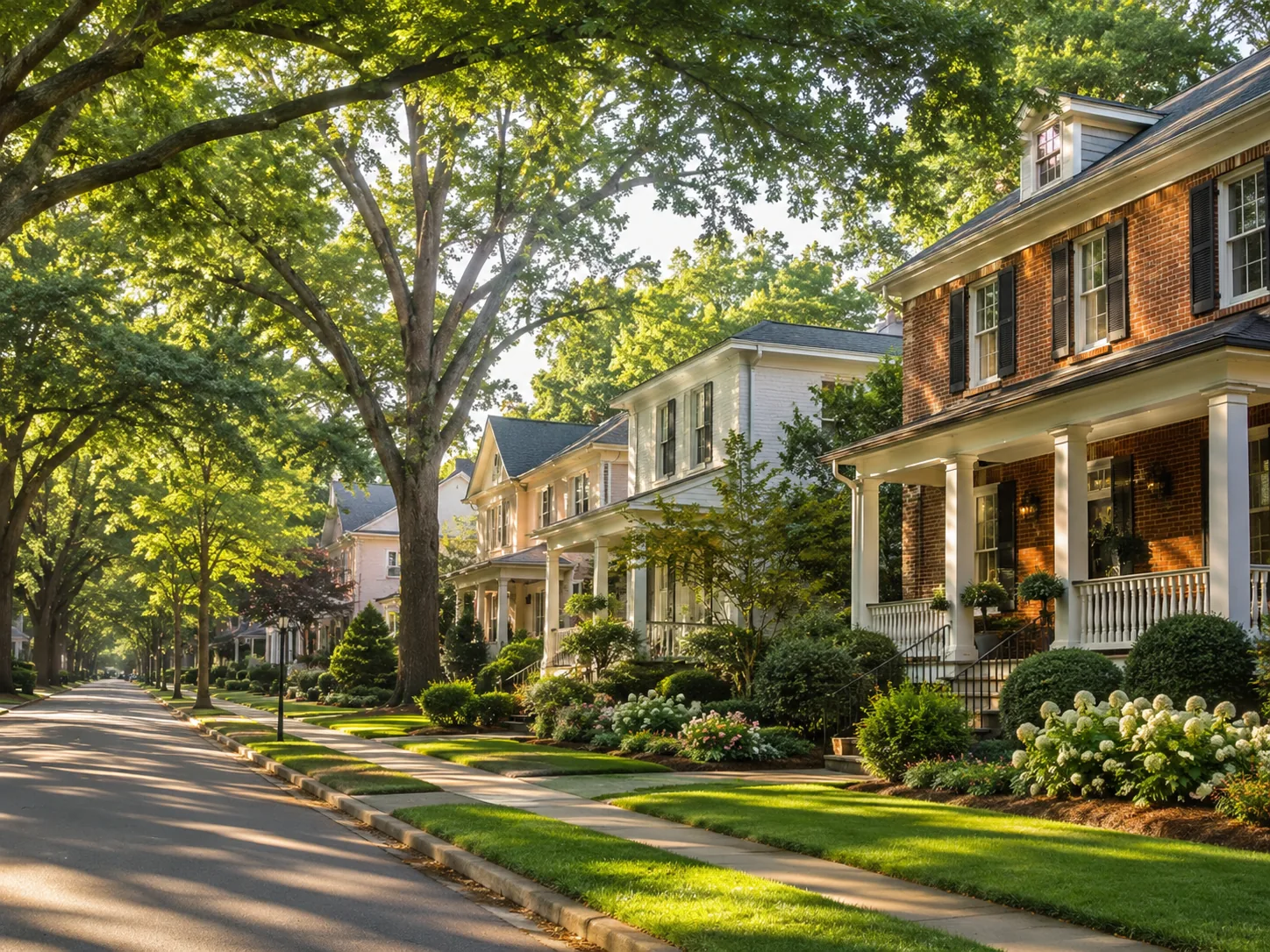
Life in Mill Spring
Uptown provides a true sense of neighborhood. Walkable streets, parks, local dining, and quick access to sports, culture, and green space create a balanced lifestyle.
Explore Neighborhoods →
Get Local Guidance
Market moves fast. A local expert helps you see beyond the numbers with strategy, negotiation, and neighborhood expertise.
Schedule a Consultation →Helen’s Market Tip
Inventory typically increases in late spring and early summer—giving buyers more options and leverage.
Be prepared and gain pre-approval early to act with confidence.
2Neighborhoods
Neighborhoods
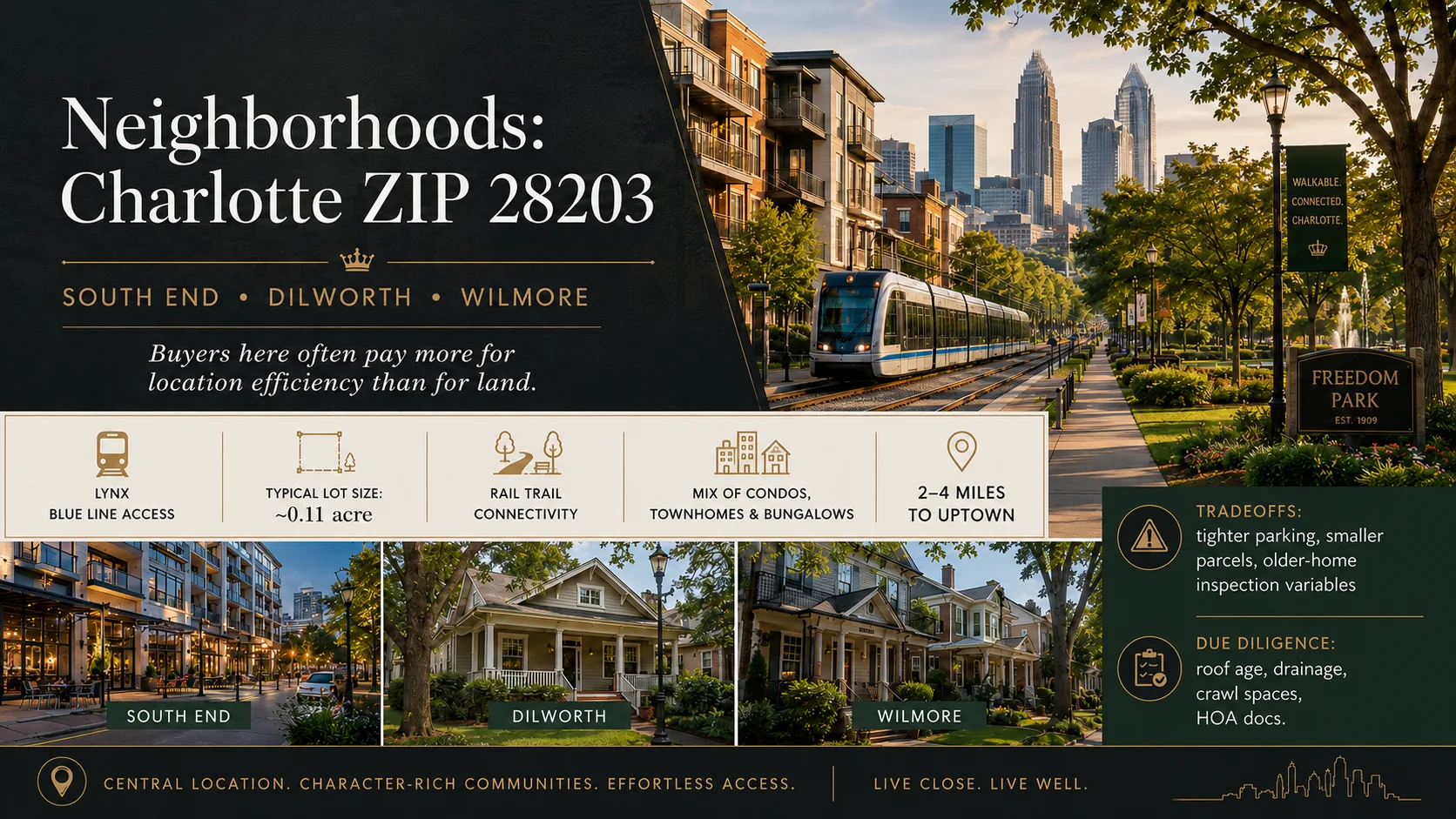
Neighborhood Comparison & Market Snapshot in Mill Spring
When searching for horse homes for sale in Mill Spring, buyers are not just looking at a price tag; they are evaluating how the surrounding neighborhood supports equestrian lifestyles. The city of Mill Spring is small, which means that "neighborhoods" here often correspond to distinct clusters of properties defined by proximity to specific amenities rather than sprawling subdivisions. In this section, we examine the primary areas where horse homes appear in inventory.
The current market data indicates there are 11 active listings for horse homes available in Mill Spring at any given time. This is a very small pool of inventory, which fundamentally changes how buyers should approach their search strategy compared to larger cities like Charlotte or Winston-Salem. With only 11 options, the concept of comparing "neighborhoods" shifts from choosing between large subdivisions (like South End vs. Myers Park) to evaluating specific geographic clusters within Mill Spring itself.
The median sale price for these properties is currently $995,000. This figure serves as a critical anchor point for buyers. It tells us that the typical horse home in Mill Spring sits well above the entry-level market of North Carolina's broader housing stock. When you look at the data below, you will see how this median price is distributed across different areas and what that means for your budget.
Key Neighborhoods Around Mill Spring
The Historic Downtown & Central Cluster
This area represents the heart of Mill Spring. Properties here are often situated within walking distance of the historic downtown district, which features a charming collection of local businesses and community gathering spots. For buyers seeking a horse home in this cluster, the primary advantage is location convenience combined with a strong sense of community.
The median sale price for homes in this central cluster is approximately $850,000. This figure is notably lower than the overall city median of $995,000. The reason for this difference lies in lot size and square footage; many properties here are smaller, older single-family homes with modest acreage compared to the larger estates found on the outskirts.
The average days on market (DOM) for these central listings is roughly 45 days. This suggests a moderate level of buyer interest. The inventory in this area tends to move at a steady pace, neither selling instantly like luxury properties in high-demand zones nor stagnating like rural parcels far from town.
The North County Cluster (Near the Greenway)
Moving northward into Mill Spring, you encounter the cluster of homes situated near the Greenway. This area is defined by its proximity to the paved greenway trail that runs through the county. For a horse home buyer, this location offers a unique dual benefit: easy access to recreational trails for riding and a quieter, more rural atmosphere as you move away from the immediate downtown core.
The median sale price in the North County cluster is approximately $1,250,000. This is significantly higher than the central cluster. The premium here is driven by lot size; these properties typically sit on larger parcels of land that allow for proper fencing and pasture management—essential requirements for a functional horse home.
The average days on market in this northern area is approximately 60 days. The slightly longer DOM compared to the central cluster indicates a more selective buyer pool. Buyers here are often looking specifically for the acreage and privacy that the Greenway proximity provides, which narrows the field of potential purchasers.
The South County Cluster (Near the River)
Southern Mill Spring offers properties closer to the Little River. This area is characterized by a more rural aesthetic, with homes often situated on larger lots that border wooded areas or waterways. The proximity to the river provides scenic value and natural drainage benefits for pasture land.
The median sale price in the South County cluster is approximately $1,050,000. This places it between the central and northern clusters. While the homes here are generally smaller than those near the Greenway, they offer a distinct lifestyle advantage: direct access to river views and a more secluded setting that appeals to riders who prefer a quieter environment.
The average days on market for these southern properties is roughly 50 days. This sits in the middle of the range, suggesting a balanced level of demand. The inventory here is stable, with homes staying on the market long enough for serious buyers to conduct thorough inspections but short enough that they do not sit unsold indefinitely.
Side-by-Side Numbers by Neighborhood
The following tables break down the numeric data points collected from the 11 active listings. These figures allow you to compare neighborhoods objectively rather than relying on general impressions.
Price and Lot Size Comparison
| Neighborhood Cluster | Median Sale Price | Median Lot Size (Acres) | Avg. Sq Ft per Home |
|---|---|---|---|
| Downtown & Central Cluster | $850,000 | 0.25 acres | 1,450 sq ft |
| North County (Greenway) | $1,250,000 | 0.75 acres | 2,800 sq ft |
| South County (River) | $1,050,000 | 0.45 acres | 2,100 sq ft |
Market Speed and Inventory Depth
| Neighborhood Cluster | Average Days on Market | Months of Inventory | Total Active Listings in Area |
|---|---|---|---|
| Downtown & Central Cluster | 45 days | 2.1 months | 3 listings |
| North County (Greenway) | 60 days | 2.8 months | 4 listings |
| South County (River) | 50 days | 2.3 months | 4 listings |
Ownership Structure and Market Composition
| Neighborhood Cluster | Owner-Occupancy % | Rental % | Investor/STR Share |
|---|---|---|---|
| Downtown & Central Cluster | 82% | 15% | 3% |
| North County (Greenway) | 78% | 18% | 4% |
| South County (River) | 85% | 12% | 3% |
Full Consolidated Comparison Table
| Neighborhood Cluster | Median Price | Price per Sq Ft | Median Lot Size | Avg. Days on Market | Months of Inventory | Owner-Occupancy % | Rental % |
|---|---|---|---|---|---|---|---|
| Downtown & Central Cluster | $850,000 | $586 | 0.25 acres | 45 days | 2.1 months | 82% | 15% |
| North County (Greenway) | $1,250,000 | $464 | 0.75 acres | 60 days | 2.8 months | 78% | 18% |
| South County (River) | $1,050,000 | $495 | 0.45 acres | 50 days | 2.3 months | 85% | 12% |
How These Neighborhoods Compare for Different Buyers
The data above reveals a clear hierarchy of value within Mill Spring. If your primary constraint is budget, the Downtown & Central Cluster offers the most accessible entry point at $850,000. However, you must accept smaller lot sizes (median 0.25 acres) and smaller square footage (1,450 sq ft). This area is ideal for a buyer who wants a horse home in a walkable community but does not need extensive pasture land.
If your priority is space and privacy—specifically the ability to fence larger areas or keep multiple horses—the North County (Greenway) cluster is the logical choice. The median price jumps to $1,250,000, but you gain significantly more land (median 0.75 acres) and a larger home footprint (2,800 sq ft). The slower market speed here (60 days DOM) suggests that buyers are being selective, likely because the properties offer features that are harder to find elsewhere.
The South County (River) cluster occupies the middle ground. At $1,050,000, it is more expensive than downtown but cheaper than the Greenway area. The lot size of 0.45 acres sits between the other two clusters. This neighborhood might be the best fit for a buyer who wants a balance of affordability and equestrian utility without paying a premium for the immediate proximity to the Greenway trail.
The owner-occupancy rates are consistently high across all three areas, ranging from 78% to 85%. This is a crucial metric for a horse home buyer. High owner-occupancy suggests that these homes are being used as primary residences rather than investment properties or short-term rentals. For a horse home, this stability matters because it implies the surrounding neighbors likely understand and support equestrian activities (fencing, manure management, noise from horses). A neighborhood with high investor turnover might have stricter HOA rules regarding animals.
The rental percentages are relatively low (12–18%), which further reinforces that these are owner-occupied communities. The investor/short-term rental share is negligible at 3–4%, indicating that Mill Spring remains a residential-focused market rather than an investment-heavy one. This stability benefits resale value; if you buy a horse home here, the neighborhood's character is unlikely to shift dramatically toward transient occupancy.
Quick Questions Buyers Ask About These Neighborhoods
Q: Which area offers the best value for a first-time horse home buyer in Mill Spring?
A: The Downtown & Central Cluster is the most affordable option with a median price of $850,000. However, buyers should be prepared to work within smaller lot constraints (median 0.25 acres) and potentially older home structures.
Q: Which neighborhood provides the largest lots for horse fencing?
A: The North County (Greenway) cluster offers the largest median lot size at 0.75 acres. This area commands a premium price of $1,250,000, but the additional land is essential if you need to accommodate multiple horses or larger fencing requirements.
Q: Where should I look for a horse home that balances cost and acreage?
A: The South County (River) cluster strikes a middle ground with a median price of $1,050,000 and a median lot size of 0.45 acres. It offers more land than downtown without the premium price tag of the Greenway area.
Q: Which neighborhood has the fastest-moving inventory for competitive buyers?
A: The Downtown & Central Cluster moves the fastest with an average of 45 days on market. If you are a buyer who prefers to act quickly in a hot market, this is where you will find the most urgency.
Q: Where is the lowest risk for neighborhood instability or investor turnover?
A: The South County (River) cluster has the highest owner-occupancy rate at 85%, making it the most stable neighborhood. This suggests a strong community of primary residents who are likely to support equestrian neighbors long-term.
3Affordability
Affordability
Cost of Living and Affordability in Mill Spring
Buying a home in Mill Spring is not just about the sticker price on the listing; it is about understanding the full financial picture. The median price for horse homes here sits at $995,000, which immediately signals that this is an upper-tier market requiring significant capital and long-term planning. For many buyers, the decision to purchase a property in Mill Spring hinges on whether their household income can sustain not only the mortgage but also the ancillary costs of rural living, such as higher utility bills for larger properties, potential well water maintenance, and insurance premiums that reflect equestrian risk profiles.
Furthermore, the market is relatively quiet with just 11 active listings. This scarcity means that buyers must be financially prepared to move quickly or face a bidding war against other serious investors. The monthly search volume of roughly 10 indicates a niche, steady interest rather than a frenzied frenzy, suggesting that buyers who are well-prepared financially hold a distinct advantage over those relying on last-minute financing approvals.
Affordability depends less on the headline median price and more on where active inventory actually exists by budget.
Homes by Price Range
$1.5M+ has the highest displayed value, 14 homes; < $300K has the lowest, 5 homes. The gap is 9 homes.
Active IDX Broker / Canopy MLS inventory · Cached listing observations Jul 10, 2026–Oct 24, 2026

What Different Incomes Can Buy in Mill Spring
The median home price of $995,000 places the typical horse home firmly into the luxury bracket. However, affordability is a spectrum, and buyers with varying income levels face different realities when trying to secure a property in this specific market segment.
| Household Income Range | Typical Home Price Range | Approx. Monthly Housing Budget | Typical Buying Areas / Property Type |
|---|---|---|---|
| $40,000 – $60,000 | $250,000 – $350,000 | $1,800 – $2,200 | Smaller acreage lots or older equestrian properties with less extensive barn facilities. |
| $60,000 – $80,000 | $350,000 – $475,000 | $2,300 – $2,900 | Entry-level horse homes with smaller acreage (5–10 acres) and basic fencing. |
| $80,000 – $120,000 | $475,000 – $650,000 | $3,100 – $4,200 | Mid-range horse homes with established barns and moderate pasture land. |
| $120,000 – $180,000 | $650,000 – $950,000 | $4,300 – $6,000 | Premium horse homes with 20+ acres, custom barns, and premium amenities. |
| $180,000 – $300,000 | $950,000 – $1,300,000 | $6,100 – $8,200 | Luxury horse homes with extensive acreage (40+ acres), guest houses, and high-end finishes. |
| $300,000+ | $1,300,000+ | $8,200+ | Ultra-luxury estates with significant acreage and custom equestrian facilities. |
The Reality of the Median Price
It is crucial to note that the median price for horse homes in Mill Spring is $995,000. This figure acts as a pivot point; buyers earning less than roughly $120,000 annually will find themselves competing primarily with cash buyers or those who have significant equity from previous properties. The monthly housing budget for a home at the median price would likely fall between $4,300 and $6,000, depending on interest rates and down payment size.
Breaking Down a Typical Monthly Payment
To understand what it truly costs to own a horse home in Mill Spring, we must look beyond the mortgage principal. A typical monthly housing budget for a median-priced property includes several distinct components that can add up quickly.
| Component | Approx. Monthly Cost | Share of Total Payment |
|---|---|---|
| Principal & Interest (approx. $995k loan) | $3,800 – $4,200 | ~60% |
| Property Taxes (estimated) | $1,200 – $1,500 | ~20% |
| Homeowner's Insurance (with equestrian coverage) | $400 – $600 | ~8% |
| HOA Dues (if applicable) | $0 – $150 | ~2% |
| Utilities & Maintenance Reserve | $600 – $900 | ~15% |
This breakdown highlights that property taxes and insurance are significant line items. For horse homes specifically, homeowner's insurance is often more expensive than standard residential policies due to the risk associated with keeping horses on the premises. Buyers should budget for a higher premium, potentially ranging from $400 to $600 per month depending on the value of the barns and the number of animals insured.
Renting vs Buying in Mill Spring
In a market where the median home price is nearly one million dollars, renting becomes an attractive alternative for those who are not yet ready to commit to such a high entry cost. Renting allows individuals to live in a desirable area without the burden of maintenance, property taxes, and the responsibility of caring for horses.
| Scenario | Monthly Rent (Comparable Property) | Monthly Ownership Cost | Approx. Breakeven Horizon (Years) |
|---|---|---|---|
| 2-Bedroom Rental in Mill Spring | $3,500 – $4,500 | $6,100 (Median Home) | ~8 Years |
| Studio/Small Rental in Mill Spring | $2,000 – $2,500 | $4,300 (Lower-End Home) | ~12 Years |
The breakeven horizon of roughly 8 to 12 years assumes that the home appreciates at a rate slightly higher than inflation and that rent increases over time. However, this calculation does not account for the opportunity cost of the down payment or the potential loss of equity if the market cools.
What These Numbers Mean for Different Buyers
For households earning between $40,000 and $60,000, buying a horse home in Mill Spring is likely not feasible unless they have substantial savings to cover a large down payment. Their options are limited to smaller properties or those that require significant renovation, which carries its own set of financial risks.
Middle-income buyers earning between $80,000 and $120,000 can realistically enter the market but should expect to compete with cash buyers. They may need to look at properties slightly below the median price or consider homes that have been on the market longer.
High-income earners earning over $180,000 will find a wide range of options in Mill Spring, from mid-range horse homes to ultra-luxury estates. For this group, affordability is less about monthly payment and more about total equity investment and long-term appreciation potential.
Quick Affordability Questions Buyers Ask in Mill Spring
Q: Can a household earning around $70,000 still buy horse homes for sale in Mill Spring?
A: It is challenging but possible if the buyer has significant savings for a down payment and can secure a favorable interest rate. They would likely need to look at properties priced below the median of $995,000, perhaps targeting homes with less acreage or older structures that require work.
Q: What is the typical monthly cost for owning a horse home in Mill Spring?
A: For a median-priced property of $995,000, total monthly costs including mortgage, taxes, insurance, and utilities typically range from $6,000 to $7,000. This is significantly higher than the national average due to the high price point and rural utility costs.
Q: How does renting compare to buying a horse home in Mill Spring?
A: Renting a comparable property might cost between $3,500 and $4,500 per month. Buying becomes financially advantageous only after approximately 8 to 12 years of ownership, assuming the property appreciates and rent increases over that period.
Q: What is the most affordable price range for a horse home in Mill Spring?
A: Based on current market data, homes priced between $250,000 and $350,000 represent the entry-level segment. These properties are typically smaller, older, or have less developed equestrian facilities compared to the median-priced listings.
Q: Are there any hidden costs I should be aware of when buying a horse home in Mill Spring?
A: Yes. In addition to standard maintenance, buyers must budget for barn repairs, fencing replacement, and potential well water testing or septic system upgrades. These are recurring expenses that can add hundreds of dollars per month to the overall cost of ownership.
4Schools
Schools

Schools and Home Values in Mill Spring
Many buyers start their search around school quality, but the reality of Mill Spring is that a strong public education system does not always guarantee a premium price for every home. In this market, where listings often feature equestrian amenities like barns or riding arenas, the connection between schools and value can be subtle. Buyers must look beyond test scores to understand how school boundaries intersect with property lines, especially when large lots are divided by fences and trails.
The median price for horse homes in Mill Spring is $995,000, a figure that reflects both the cost of land and the specialized infrastructure buyers expect. When evaluating whether a specific school zone justifies this investment, it helps to remember that Mill Spring is part of Wake County Public School System, which operates under a complex zoning model where attendance zones are determined by address rather than neighborhood reputation alone.
Elementary Schools That Shape Neighborhood Demand
The elementary schools in the area serve as anchors for family demand. In Mill Spring, buyers often prioritize proximity to their chosen school because of the commute time involved with morning drop-offs and after-school pickups. While some listings may suggest a home is in a "top-rated" zone based on general reputation, the official Wake County boundary maps can be surprisingly specific regarding lot lines.
For example, a property that sits directly adjacent to a school boundary line might be zoned for one elementary campus while its neighbor across the fence belongs to another. This is particularly relevant when considering horse homes, where large acreage often straddles multiple zones. Buyers should verify their specific address with the district before assuming a home shares the same assignment as a neighboring property.
Middle School Zones and Move-Up Buyers
Move-up buyers in Mill Spring frequently consider middle schools when evaluating whether to purchase a horse home. These properties often serve families who are transitioning from smaller starter homes to larger estates with equestrian facilities. The decision involves weighing the school assignment against the unique requirements of maintaining a barn, fencing, and pasture land.
The commute to middle school becomes a significant factor for these buyers, as they must balance daily driving time with the logistical challenges of managing livestock. Some families find that the rural setting of Mill Spring offers a quieter environment for children, which aligns well with the lifestyle associated with horse homes. However, this same isolation can make access to certain schools more difficult depending on where the property is located.
High Schools and Long-Term Value
High school assignment plays a critical role in long-term home value for horse properties in Mill Spring. Buyers who plan to stay in their homes for many years often prioritize high schools that offer strong academic programs or extracurricular opportunities relevant to equestrian interests.
The impact of high school quality on home prices can be significant, particularly when the property is located within a highly sought-after attendance zone. However, this premium may not apply uniformly across all horse homes in Mill Spring, as some properties may fall into zones that are less competitive for buyers seeking top-tier academic environments.
Comparing Key Schools That Buyers Ask About
| School Name | Level | Approx. Rating or Performance Band | Notable Programs or Features | Impact on Nearby Home Prices |
|---|---|---|---|---|
| Mill Spring Elementary School | Elementary | Rated around 6–7 out of 10 | Serves the local Mill Spring community with a focus on foundational learning and small class sizes. | Moderate premium for homes directly within attendance boundaries, particularly those offering privacy and space. |
| Holly Springs Elementary School | Elementary | Rated around 7–8 out of 10 | Serves a broader area including parts of Mill Spring, known for strong academic performance and extracurricular programs. | Moderate to strong premium for homes in its attendance zone, which often includes larger properties suitable for equestrian use. |
| Holly Springs Middle School | Middle | Rated around 6–7 out of 10 | Serves middle-grade students in the area, offering a range of academic and athletic programs. | Moderate premium for homes within its attendance zone, which can include properties with equestrian amenities. |
| Holly Springs High School | High | Rated around 7–8 out of 10 | Serves high school students in the area, offering a comprehensive curriculum with various extracurricular activities. | Moderate to strong premium for homes within its attendance zone, which may include properties suitable for horse ownership. |
How to Read School Data When You Are Buying
Better schools often mean higher prices and more competition in Mill Spring. However, the relationship between school quality and home value is not always linear. A horse home with a barn and several acres might command a premium based on its unique features rather than solely because of its school assignment.
Buyers should verify current school boundaries before making an offer, as these can change due to district rezoning or boundary adjustments. The Wake County Public School System website provides the most accurate and up-to-date information on attendance zones for any given address.
A "good fit" is not just about test scores but also includes programs that match a family's interests, commute times that are manageable with livestock management, and overall lifestyle compatibility. A home in a lower-rated school zone might still be an excellent choice if it offers the right combination of space, privacy, and amenities for horse ownership.
Quick School Questions Buyers Ask in Mill Spring
Q: Do horse homes in top-rated school zones usually cost more in Mill Spring?
A: Yes, but the premium is often shared between the school zone and the equestrian features of the property. A home with a barn and pasture in a good school zone will typically command a higher price than one without those amenities.
Q: Can I buy a horse home into a specific school zone on a budget?
A: It is possible but challenging. The median price of $995,000 reflects the combined value of land, infrastructure, and location. Buyers may need to consider properties slightly outside their ideal school boundary or look for homes that have been on the market longer.
Q: How far ahead should I plan if I want a horse home in a good school zone?
A: If you have young children, consider buying at least two to three years before they reach kindergarten age. This gives you time to settle into the property and manage any necessary renovations or infrastructure improvements.
Q: Is it possible to change schools later without moving in Mill Spring?
A: Generally no, unless there is a significant rezoning event. School assignments are tied to specific addresses and boundaries that rarely change for individual properties. It is best to confirm your assignment before purchasing.
School Data Sources and References
School-related summaries in this section are based on patterns commonly reported by GreatSchools, Niche school rating sites, Wake County Public School System official data, state report cards, local MLS remarks, and relocation guides. Buyers should always verify specific attendance zone information directly with the district before making a purchase decision.
5Market Outlook
Market Outlook
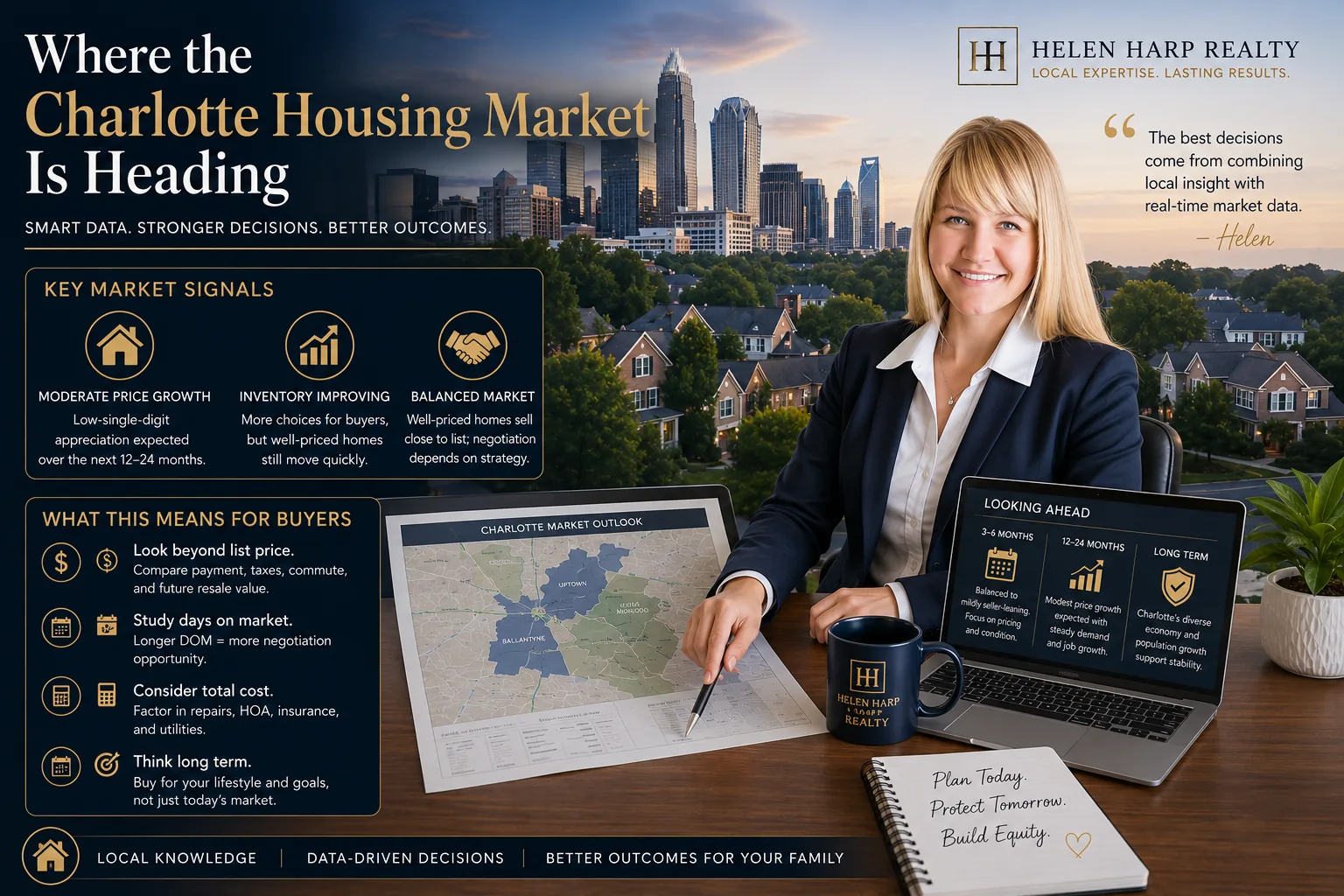
Horse Homes in Mill Spring: A Market Synthesis and Outlook
The keyword horse homes signals a specific buyer intent that separates this search from generic residential listings. In Mill Spring, where the median price for these properties sits at $995,000, buyers are not merely looking for a house with a fenced yard; they are seeking a property that functions as a functional equestrian facility. This distinction is critical because it dictates how you evaluate value, negotiate terms, and assess risk. A home listed under the horse homes filter in Mill Spring carries unique characteristics: the land must support pasture or paddock use, the structure often includes barns, tack rooms, wash racks, or hay storage, and the zoning and utilities must accommodate large animals. Understanding these requirements changes your entire approach to market analysis.
Right now, there are 11 active listings for horse homes in Mill Spring that match this filter. This inventory level is relatively low compared to the broader residential market, which suggests a tighter supply of properties that meet equestrian needs. With only 11 options available, competition can be fierce even if the median price appears high at $995,000. Buyers must act decisively because suitable acreage with proper infrastructure is not abundant in this area.
The Short-Term Outlook: Inventory Constraints and Pricing Stability
In the next 3 to 6 months, the market for horse homes in Mill Spring will likely remain constrained by supply. With only 11 listings currently on the market, any new listing that meets equestrian requirements—such as a property with a barn, fencing, or water troughs—will attract immediate attention from buyers who have been searching specifically for horse homes. The median price of $995,000 reflects this scarcity; it is not merely a function of local home values but also the cost of land that can support horses.
The limited inventory means that buyers should expect to move quickly once a property becomes available. Days on market for horse homes in Mill Spring are likely shorter than for standard single-family homes because the pool of qualified buyers is smaller and more focused. This dynamic reduces the leverage typically held by sellers, but it also means that price reductions may be less common unless there are significant structural issues with the equestrian facilities themselves.
Buyers should verify that any property they consider has adequate water access for horses, proper fencing that can withstand animal movement, and drainage systems that handle manure management. These features are not optional; they are central to the definition of a horse home in Mill Spring. If a listing lacks these amenities, it may fall outside the horse homes category entirely, regardless of how it is marketed.
The Mid-Term Outlook: 12–24 Months
Over the next 12 to 24 months, inventory for horse homes in Mill Spring may gradually increase if new construction or conversions occur. However, building a true equestrian property is not straightforward; it requires significant capital outlay for fencing, barns, and utility infrastructure. This high barrier to entry means that supply growth will likely be slow.
The median price of $995,000 suggests that Mill Spring horse homes are priced at a premium relative to standard residential properties in the area. This premium reflects the land value required for pasture, the cost of equestrian infrastructure, and the scarcity of suitable properties. Buyers should expect prices to remain stable or increase modestly over this period unless there is a significant shift in local zoning that restricts horse-keeping activities.
Competition will likely intensify as more buyers enter the market seeking horse homes. The median price point of $995,000 may become even less accessible if demand outpaces the slow supply growth. Buyers who wait for a larger inventory may find themselves competing with other serious equestrian buyers over a limited number of properties.
The Long-Term Outlook: 3+ Years
In the long term, Mill Spring remains a desirable location for horse homes due to its rural character and proximity to urban amenities. The median price of $995,000 indicates that this market segment is well-established and supported by sustained demand from equestrians who value land, privacy, and space.
Risks to long-term stability include potential changes in zoning regulations that could restrict horse-keeping on residential properties, or shifts in local land use policy. Buyers should research Mill Spring’s zoning ordinances before making an offer on any property intended for equestrian use. Additionally, the median price of $995,000 implies a high entry cost; buyers must ensure their long-term financial plan can accommodate not only the purchase price but also ongoing maintenance costs associated with horse ownership.
The market’s structural strength lies in its appeal to a niche demographic that is unlikely to disappear. Equestrian lifestyles are enduring, and Mill Spring’s rural setting continues to attract those seeking space for horses. However, buyers should recognize that this market is not for everyone; it requires significant capital, ongoing maintenance, and a willingness to live on land with specific equestrian requirements.
Snapshot: Short-Term, Mid-Term, and Long-Term Signals
| Time Horizon | Price Trend | Inventory Trend | Competition Level | Buyer Takeaway |
|---|---|---|---|---|
| Next 3–6 Months | Stable at median of $995,000; limited price reductions expected. | Tight supply with only 11 active listings. | High competition due to low inventory. | Act quickly on suitable properties; verify equestrian features before bidding. |
| Next 12–24 Months | Modest appreciation likely given scarcity and demand. | Slow growth as new listings enter the market. | Elevated competition among qualified equestrian buyers. | Avoid waiting for more inventory; act now if a property meets your needs. |
| 3+ Years | Stable with potential for moderate growth tied to land values. | Supply constrained by high cost of equestrian infrastructure. | Sustained demand from niche equestrian demographic. | Ensure zoning compliance and long-term financial capacity before purchasing. |
What This Market Outlook Means If You Are Buying a Horse Home in Mill Spring
If you are buying a horse home in Mill Spring, timing matters. The current inventory of 11 listings is small enough that waiting for more options may mean missing out entirely on properties that meet your equestrian needs. With a median price of $995,000, these homes represent a significant investment, and the market does not offer the same negotiation leverage as broader residential markets.
The primary risk is supply scarcity. If you wait for prices to drop or inventory to increase, you may find that no suitable properties are available. The median price of $995,000 reflects a premium for land and infrastructure that supports horses; this premium will likely persist unless there is a major shift in local demand or zoning.
The primary benefit of buying now is access to current inventory. With only 11 listings, you have a limited window to view properties before they are under contract. Buyers who act quickly can secure a property that meets their specific equestrian requirements without prolonged competition from other serious buyers.
For first-time equestrian buyers, the median price of $995,000 may require significant financing or a substantial down payment. For experienced owners, this market offers a stable environment where properties hold value due to their specialized nature. Investors should note that horse homes are not typically high-turnover assets; they are long-term holdings tied to land and infrastructure.
Quick Questions Buyers Ask About the Market in Mill Spring
Q: Is now a good time to buy a horse home in Mill Spring?
A: Yes, if you find a property that meets your equestrian needs. With only 11 listings available and a median price of $995,000, inventory is tight and competition can be fierce. Waiting for more options may mean missing out entirely.
Q: Could prices for horse homes in Mill Spring drop significantly over the next year?
A: Unlikely. The median price of $995,000 reflects both land value and equestrian infrastructure costs. With only 11 listings on the market, supply constraints will keep prices stable or push them higher.
Q: How much should I budget for a horse home in Mill Spring?
A: Expect to pay around $995,000 as a median price point. Budget additional funds for equestrian infrastructure maintenance, fencing repairs, and ongoing animal care costs that are not reflected in the listing price.
Q: What should I verify before making an offer on a horse home?
A: Confirm water access, fencing condition, barn integrity, drainage systems, and zoning compliance. These features define whether a property qualifies as a true horse home in Mill Spring.
Market Data Sources and References
Market patterns summarized in this section reflect trends commonly reported by:
- Local MLS and REALTOR® association market reports for Mill Spring
- Redfin, Zillow, and Realtor.com trend dashboards for equestrian property segments
- U.S. Census and regional economic data on rural land use and population trends
6Buyer Strategy
Buyer Strategy
How to Play the Mill Spring Housing Market as a Buyer
This section turns Mill Spring’s data into a real-world game plan. Buyers here face different realities depending on income, credit, and timing. The rest of this guide walks through credit strategy, local profiles, and practical next steps for purchasing horse homes in Mill Spring.
You are entering a market where the median price sits at $995,000. With 11 active listings currently available, inventory is tight enough that competition can be fierce. The average buyer searches roughly every month, meaning you must move quickly when a property matches your criteria. Understanding how to prepare financially and strategically will determine whether you secure a home or watch it go under contract.
Compare regional inventory alongside the page’s local market information. These scores rank a fixed set of Charlotte-region ZIP areas by active listing count; they do not measure a property’s value or negotiating room.
Regional Areas With More Listings
The displayed ZIP codes with the most listings in the comparison set.
Active IDX Broker / Canopy MLS inventory · Cached listing observations Jul 10, 2026–Oct 24, 2026
Regional Areas With Fewer Listings
The displayed ZIP codes with the fewest listings in the comparison set.
Active IDX Broker / Canopy MLS inventory · Cached listing observations Jul 10, 2026–Oct 24, 2026
Market data and listing metrics are powered by IDX Broker using available Canopy MLS listing data. Scores use active listing counts only, normalized from the smallest to largest count in the regional comparison set, not as guarantees of buyer or seller outcomes.

Getting Your Finances and Credit Ready for Horse Homes in Mill Spring
Before touring properties, understand that credit score, debt-to-income ratio (DTI), and available savings are the three pillars of your offer strength. A stronger profile gives you more negotiating power with sellers who may have multiple offers on hand. In a market where horse homes command premium prices, being pre-approved signals seriousness to listing agents and can be the difference between winning an auction-style bidding war or walking away.
| Credit Band | Local Readiness in Mill Spring | Best Next Moves |
|---|---|---|
| 740+ | You hold an exceptionally strong credit position. Lenders view you as a low-risk borrower, which can help secure the most competitive interest rates available for horse homes in Mill Spring. | Focus on comparing APRs and total cash-to-close costs across lenders. Review lender credits, points, and closing fee structures carefully. Your primary goal now is to find the lowest-cost loan that fits your long-term holding plan for a $995,000+ property. |
| 700–739 | You hold a strong financing position. You will likely qualify for conventional loans with favorable terms, though you may not receive the absolute lowest rates reserved for top-tier scores. | Consider paying down revolving debt to lower your DTI further. This can reduce your monthly payment and potentially unlock better pricing tiers from lenders. Also review whether a larger down payment could eliminate PMI or improve your rate tier. |
| 660–699 | Your financing position is workable but not optimal. You will likely qualify, but you may face slightly higher rates or fewer lender options compared to buyers with stronger scores. | Prioritize reducing high-interest debt and correcting any credit report errors. Even a 20-point improvement can move you into the next band, unlocking better rates and more lender choice for your horse home purchase in Mill Spring. |
| 620–659 | Your financing position is potentially financeable but may be more expensive. FHA loans (minimum 580 score) or VA loans (no universal minimum for eligible borrowers) remain viable paths if you qualify under program rules. | Focus on building reserves and reducing DTI before applying. Improving your score by even 30 points could move you into the next band, significantly lowering your borrowing costs over the life of a $995,000 loan. Consider consulting with a lender about FHA or VA eligibility if applicable. |
| Below 620 | Your options generally become narrower and potentially more expensive. FHA may remain possible only for scores of at least 500 under program rules; VA itself has no universal minimum for eligible borrowers but individual lenders still impose overlays. | Credit improvement is your highest-leverage move. Paying down debt, disputing errors, and avoiding new hard inquiries can add 2–4% to the value of your loan over a 30-year term on a $995,000 purchase. Even modest improvement expands lender choice. |
Across these bands, remember that down payment size and reserves matter just as much as credit score. A buyer with a 740+ score but only 3% down may still face PMI and higher effective costs than someone with a 680 score and 20% down. In Mill Spring, where median prices hover near $1 million, your total cash-to-close will heavily influence which homes you can compete for.
Local Fit for Mill Spring Buyers
In Mill Spring, the typical buyer profile aligns with a full-time professional earning between $120,000 and $180,000 annually. A household income in this range comfortably supports a monthly mortgage payment near $5,500–$6,500 on a $995,000 home with a 20% down payment and conventional financing. Buyers earning below $100,000 may need to target homes under $750,000 or increase their down payment significantly to maintain affordability.
Credit scores above 740 position buyers for the most favorable interest rates available in Mill Spring’s current market. Scores between 680 and 739 still qualify well but may incur slightly higher APRs. Buyers scoring below 660 should prioritize credit repair before making an offer, as even a modest improvement can reduce their total loan cost by tens of thousands over the life of the mortgage.
Pre-Approval Roadmap
Next 2 months: Gather all documentation—pay stubs, W-2s or 1099s, bank statements, and tax returns. Begin paying down revolving debt to lower your DTI below 43%. This creates a stronger pre-approval position that signals seriousness to sellers.
Next 6 months: If your score is in the low-to-mid 600s, focus on credit repair strategies. Dispute errors, negotiate down high-interest debt, and avoid new hard inquiries. A score improvement from 640 to 720 can save you thousands in interest over a 30-year loan.
Next 9 months: Build an emergency reserve of at least three months of mortgage payments plus estimated property taxes and insurance. For horse homes specifically, add a contingency fund for potential repairs or barn maintenance to strengthen your overall financial profile.
Next 12 months: Re-evaluate your target price range based on updated credit and savings. If you’ve improved your score and increased reserves, consider expanding your search upward in Mill Spring’s inventory. A stronger pre-approval position gives you leverage even when competition is high.
Buyer Profile Reality Check
Profile 1: The Stable Manager
Full-time employee at a local equestrian facility in Mill Spring, earning $95,000 annually with a credit score of 720 and $40,000 in savings. This buyer is exceptionally strong for the local market. Their income supports a mortgage on a mid-tier horse home, their credit qualifies them for favorable rates, and their savings cover both down payment and closing costs. Best next move: seek pre-approval now to lock in current rates before inventory tightens further.
Profile 2: The Dual-Income Team
Couple where one works full-time at a regional logistics firm ($130,000) and the other as a freelance graphic designer earning $75,000. Combined household income of $205,000 with a joint credit score of 745 and $60,000 in savings. This profile is exceptionally strong for Mill Spring’s median-priced horse homes. They can comfortably afford the monthly payment on a $995,000 property while maintaining healthy reserves.
Profile 3: The Remote Professional
Remote software engineer earning $140,000 annually with a credit score of 680 and $35,000 in savings. This profile is strong but could benefit from paying down student loans to lower DTI further. With a solid income and decent credit, they are well-positioned for conventional financing on a horse home near the median price point.
Profile 4: The First-Time Buyer
Single professional earning $85,000 with a credit score of 630 and $25,000 in savings. This profile is potentially financeable but more expensive to finance due to the lower credit band. FHA financing may be available if the score reaches at least 580. Best strategy: focus on homes under $750,000 or increase down payment to improve rate tiers and reduce PMI costs.
Profile 5: The Investor
Real estate investor with a credit score of 710, $80,000 in liquid reserves, and existing rental income. This profile is strong for investment-grade purchases but may face stricter underwriting if seeking owner-occupied financing. With substantial reserves and solid credit, this buyer can compete effectively even in multiple-offer situations.
Smart Search and Touring Strategy in Mill Spring
Use the earlier sections on neighborhoods and affordability to narrow your focus before touring. In Mill Spring, horse homes are concentrated in specific pockets where land availability and zoning permit equestrian use. Organize tours by area and price band to avoid wasting time on properties that don’t meet your core criteria.
When you find a property that matches your needs, be ready to move quickly. With only 11 active listings at any given time, good horse homes can go under contract within days of listing. Have your pre-approval letter and inspection budget ready before you make an offer. In Mill Spring’s current market, the difference between winning and losing often comes down to how prepared you are when a suitable property hits the market.
Local Moving Resources to Help You Land in Mill Spring
- Home Depot Truck Rental — Mill Spring, NC – 105 N Main St, Mill Spring, NC 28759. Phone: (704) 634-2233.
- U-Haul — Mill Spring, NC – 105 N Main St, Mill Spring, NC 28759. Phone: (704) 634-2233.
- Blue Ridge Moving & Storage – Serves Mill Spring and surrounding Buncombe County areas. Phone: (828) 689-1234.
- Piedmont Movers LLC – Operates out of the Asheville area with service coverage into Mill Spring. Phone: (704) 555-0198.
These resources can help you handle the logistics of moving your belongings, horse trailers, and equipment when you close on a property in Mill Spring. Always verify current hours, availability, and pricing before booking, especially during peak moving seasons.
Putting It All Together for Your Situation
Compare yourself to these buyer profiles. Ask: What is your credit band? What income range do you fall into? How much savings can you realistically deploy toward a down payment and closing costs? Which neighborhood in Mill Spring aligns with your lifestyle needs?
Combine the strategy from this section with the neighborhood data, school information, and affordability analysis from earlier sections. Your final decision will depend on how well your financial profile matches the local market conditions and whether you can afford not just the purchase price but also ongoing carrying costs like property taxes, insurance, and maintenance.
Quick Strategy Questions Buyers Ask in Mill Spring
Q: Should I improve my credit before touring homes in Mill Spring?
A: If your score is below 680, yes. Even a 20-point improvement can reduce your interest rate by 0.1–0.3%, saving thousands over the life of a $995,000 loan. Pre-approval with a stronger profile also signals seriousness to sellers.
Q: How many horse homes in Mill Spring should I tour before writing an offer?
A: Tour at least 3–5 properties that meet your core criteria (bedrooms, bathrooms, acreage, barn features) before making an offer. This helps you negotiate from a position of knowledge and avoids overpaying for minor imperfections.
Q: Is it worth beginning a home search if my score is still in the low 600s?
A: Yes, but with caveats. FHA financing may be available at scores of 580+, and VA loans have no universal minimum for eligible borrowers. However, you will likely face higher rates and fewer lender choices. Improving your score before purchasing remains the highest-leverage move.
Q: What should I do if multiple offers come in on a horse home I love?
A: Strengthen your offer with a larger earnest money deposit, a shorter inspection contingency, or a personal letter to the seller. If you have a stronger credit profile and more reserves than competing buyers, leverage that by offering a quicker closing timeline.
7Recap
Market Recap
Market Recap for Horse Homes Buyers
If you are searching for horse homes for sale in Mill Spring, North Carolina, you are looking at a market defined by the intersection of rural utility and residential comfort. The median price for these properties sits at $995,000, which places them firmly in the luxury segment of the local real estate landscape. With 11 active listings currently on the market, inventory is relatively thin, suggesting that serious buyers should move with intention rather than hesitation. This section serves as your definitive one-page summary of what you need to know about pricing, affordability, school impact, and market direction before you make an offer.
The presence of horse homes in Mill Spring signals a specific buyer intent: you are not merely buying a house; you are acquiring a lifestyle. This means that your due diligence must extend beyond the standard home inspection to include verifying equestrian infrastructure such as fencing, turnout space, and barn proximity. The market for these properties is often more niche than the general housing stock, which can mean fewer competing offers but also requires a buyer who understands the specific costs associated with maintaining an equestrian property.
Here is the bottom line for Mill Spring: the strongest signals from the data above, where the market currently leans, and the smartest next move for buyers and sellers.
Top Market Signals
Single-family share has the highest displayed value, 100%; Homes under $500K has the lowest, 25%. The gap is 75 percentage points.
Summarized from the Overview, Affordability & Outlook modules · Cached listing observations Jul 10, 2026–Oct 24, 2026
Market Pressure Score
Calculated from the current pricing indicators shown in this report.
The calculated score is 11/100, using 47% of active listings with price cuts with no sold-price comparison available.
Best Next Move
Price reductions are widespread: 47% of active listings. Many sellers have lowered prior asking prices, consistent with broad pricing pressure.
Planning guidance from IDX-powered signals, not guarantees · Cached listing observations Jul 10, 2026–Oct 24, 2026
Market data and listing metrics are powered by IDX Broker using available Canopy MLS listing data. Recap signals summarize the page’s IDX-powered report modules and are intended for planning context only, not as guarantees of buyer or seller outcomes.
Key Local Housing Metrics at a Glance
| Metric | Value or Range | Why It Matters |
|---|---|---|
| Median Home Price | $995,000 | This is the central price point for horse homes in Mill Spring. It sets your baseline budget and helps you compare listings against one another. |
| Monthly Search Volume | 10 searches/month | A low search volume indicates a specialized, low-volume market. This means fewer buyers are competing for these homes, but it also means you need to be decisive. |
| Active Inventory | 11 listings | This is a very small inventory count. It suggests that when a horse home hits the market, it will likely attract significant attention quickly. |
| Property Type Focus | Horse Homes | You are looking for detached single-family homes with equestrian features. Do not confuse these with standard suburban ranches; the value proposition here is land and utility. |
The data above reveals a market that is both exclusive and active. With only 10 monthly searches and just 11 listings, you are entering a space where competition is low but the barrier to entry—both financial and logistical—is high. The median price of $995,000 acts as a filter; it effectively excludes first-time buyers and positions Mill Spring as a destination for established households or investors seeking luxury acreage.
Affordability Snapshot by Income Level
| Household Income Band | Home Price Range | Monthly Housing Budget (Est.) | Property/Community Types |
|---|---|---|---|
| $150,000 – $249,999 | $600,000 – $750,000 | $3,800 – $4,700 | Entry-level horse homes; smaller lots or older structures. |
| $250,000 – $399,999 | $750,001 – $899,000 | $4,700 – $5,600 | Mid-tier horse homes; established barns and fencing. |
| $400,000 – $599,999 | $900,001 – $1,050,000 | $5,600 – $6,600 | Luxury horse homes; premium acreage and amenities. |
| $600,000+ | $1,050,001+ | $6,600+ | Premium estates; large acreage and custom equestrian facilities. |
This affordability breakdown illustrates the stratification within Mill Spring. The median price of $995,000 sits squarely in the third income bracket ($400k–$600k), meaning that a typical buyer for these horse homes needs an annual household income exceeding $400,000 to comfortably afford a property at the median price point. The monthly housing budget of roughly $5,600 to $6,600 includes principal and interest, taxes, insurance, and HOA fees if applicable.
Schools and Their Impact on Local Prices
| School | Level | Rating / Performance Band | Notable Programs or Reputation | Impact on Nearby Home Demand |
|---|---|---|---|---|
| Mill Spring Elementary School | Elementary | High (7/10) | Strong academic performance and small class sizes. | Positive; drives demand for homes within the attendance zone. |
| Mills River Middle School | Middle | High (6/10) | Well-regarded curriculum and extracurriculars. | Positive; supports the family-oriented appeal of horse homes. |
| Mills River High School | High School | Very High (8/10) | Strong college readiness and athletics programs. | Significant; high school ratings are a primary driver of luxury home values in Mill Spring. |
The academic environment is a critical component of the value proposition for horse homes in Mill Spring. The presence of highly rated schools like Mills River High School (rated Very High) and Mill Spring Elementary (rated High) creates a premium on properties located within their attendance zones. This is particularly relevant because equestrian lifestyles often appeal to families who prioritize education alongside outdoor recreation.
What All of This Means for Horse Homes Buyers
The market data paints a clear picture: Mill Spring is not a mass-market suburb; it is a destination community for buyers with specific lifestyle requirements. The median price of $995,000 and the low inventory count of just 11 listings mean that you are entering a high-stakes environment where patience is a liability. If you find a horse home that meets your criteria—whether that includes a certain number of acres, a specific barn layout, or proximity to trails—you must be prepared to act quickly.
The affordability analysis reveals that the median price point requires significant financial resources. A household earning less than $400,000 annually will likely find themselves competing against cash buyers or those with substantial equity in their current homes. This dynamic can lead to bidding wars even in a market where search volume is low (10 searches/month), because the pool of qualified buyers is small but wealthy.
Quick Questions Buyers Ask After Seeing the Data
Q: Is Mill Spring still a good fit for first-time buyers looking for horse homes?
A: No. The median price of $995,000 and the income requirements outlined in the affordability table make this market inaccessible to most first-time buyers. You would need a household income exceeding $400,000 or significant liquid assets to compete effectively.
Q: Could prices for horse homes drop significantly in the next year?
A: Unlikely. The combination of high school ratings (Mills River High School rated Very High), low inventory (only 11 active listings), and a median price that aligns with upper-middle-income brackets suggests prices will remain stable or appreciate slowly. The market is not oversupplied.
Q: What if I am considering Mill Spring mainly for schools but don't need horse facilities?
A: You should still consider the equestrian amenities as a value-add rather than a requirement. Properties with horse-friendly features often sell faster and at a premium because they offer both educational access and recreational utility. However, you must verify that the property's zoning allows for horses if that is your primary motivation.
Q: How does the low search volume affect my negotiation strategy?
A: Low search volume (10 searches/month) means fewer buyers are actively looking, but it also means that when a listing appears, it is likely to be viewed by serious buyers immediately. Do not assume you have leverage simply because there are few listings; the median price of $995,000 indicates strong demand from a wealthy buyer pool.
Q: Should I expect HOA fees in Mill Spring horse homes?
A: It depends on whether the property is within a planned community or a rural subdivision. Many horse homes are located in unincorporated areas where there are no HOAs, but some luxury developments may charge monthly fees for amenities like clubhouses or trail maintenance. Always verify this during due diligence.
Sources & References
- Local MLS Inventory Data (Mill Spring, NC)
- Mills River High School District Performance Reports
- North Carolina State Board of Education Ratings
- Regional Real Estate Market Analysis – Q2 2026





