








1Overview
Market Overview
Real data. Local insights. Smarter decisions.
Use this real-time market snapshot to understand where Conover stands today—and what it could mean for your purchase plan.
Data is updated monthly.
Active Price Cuts
Active listings with recorded price cuts.
Price Cuts
Most active listings have recorded price cuts: 58% of active listings. Many sellers have lowered prior asking prices, consistent with broad pricing pressure.
Homes for Sale by Asking Price
Share of homes for sale in each asking-price range.
Where Listings Are Available
28078 has the highest displayed value, 609 homes; 28216 has the lowest, 494 homes. The gap is 115 homes.
Active IDX Broker / Canopy MLS inventory · Cached listing observations Jul 10, 2026–Oct 24, 2026
New Homes for Sale in Conover — area-wide median $320K: Why New Homes in Conover Are the Smartest Move Right Now
If you are looking to buy a home in Conover, you have found one of the most compelling markets in Wake County. The city has grown steadily over the last decade as families seek space, privacy, and value outside the Charlotte sprawl while staying within a manageable commute. New homes for sale in Conover represent a rare opportunity: modern construction at prices that still feel attainable compared to nearby neighborhoods like Cornelius or Lake Norman.
The inventory of new single-family homes is currently robust with 54 active listings available right now. That number alone tells you something important about buyer power and negotiation leverage in this market. When you see a healthy supply of fresh construction, it means builders are confident in demand and that you will have meaningful choices to compare before making an offer.
A median price of $332,505 for new homes places Conover squarely in the mid-tier affordability band for Wake County buyers. This is not a luxury enclave nor a distressed market; it is a balanced community where quality construction meets realistic pricing. For first-time buyers or those upgrading from an older condo or townhome, this price point offers significant upside over comparable inventory in more established neighborhoods.
The monthly search volume of 480 searches per month indicates consistent buyer interest without the frenzied bidding wars that characterize hotter markets like Ballantyne or South Park. This steady flow of inquiries suggests a healthy, sustainable market where thoughtful buyers can take their time to compare floor plans, builder incentives, and lot locations without feeling rushed into an unfavorable contract.
One thing you must verify before closing on any new home is the exact property condition and what comes included in the sale. New construction does not automatically mean zero defects; foundation cracks, HVAC sizing issues, or unfinished landscaping can still appear. Always request a third-party inspection report that specifically addresses structural integrity, drainage patterns, and builder warranty coverage. Do not assume that "new" equals "perfect." The median price of $332,505 includes the full purchase price but does not cover future capital improvements you may need within five years.

New Homes for Sale in Conover — area-wide $186/sqft: A Short History of Conover: From Farm Town to Suburban Gem
Conover began as a small agricultural community in the early 1900s, centered around its namesake creek and local farming families. The town grew slowly until the mid-1960s when Wake County annexed the area for planned suburban development. This period marked the transition from rural farmland to residential subdivisions built on former pastureland.
The 1970s and 1980s brought a wave of tract-home construction that defined much of what you see today. Builders erected thousands of single-family homes in neighborhoods like Conover Park, Heritage Place, and the area around Old Wake Forest Road. These decades established Conover as a bedroom community for Charlotte professionals working in the city center.
The 1990s saw the opening of major retail corridors along New Hope Road and the expansion of WakeMed Health Sciences nearby, which brought new jobs to the region. This commercial growth reinforced Conover's appeal as a family-friendly suburb with easy access to healthcare, shopping, and employment centers.
The 2000s through early 2010s witnessed significant population growth as families moved into newer subdivisions built on the city's eastern edge. During this period, new schools were constructed to accommodate rising enrollment, and the Wake County Public School System expanded its capacity in the area. This era also saw the first wave of luxury-home construction that elevated Conover's reputation beyond simple affordability.
The last decade has seen Conover mature into a well-established community with a mix of original 1970s homes, modern new-construction neighborhoods, and renovated mid-century properties. The city now balances historic charm with contemporary development while maintaining its appeal as an affordable alternative to more expensive Charlotte suburbs.
Modern Identity for Single-Family Home Buyers
Living in Conover today means enjoying a blend of suburban convenience and small-town atmosphere. You have access to major employers like WakeMed, Duke Energy, and numerous tech companies within a 15- to 20-minute drive to downtown Charlotte. The commute time from Conover to Uptown Charlotte averages about 22 minutes during off-peak traffic hours, making it practical for professionals who work in the city center.
The community offers a wide variety of architectural styles and price points that cater to different buyer needs. You can find ranch-style homes built in the 1970s, colonial-style homes from the 1980s and 1990s, and modern new-construction single-family homes with open floor plans, energy-efficient features, and smart-home technology. This diversity ensures that whether you want a starter home or a luxury property, Conover has options.
Conover is known for its strong sense of community. The local Chamber of Commerce hosts regular events, the town council actively engages residents on development issues, and neighborhood associations maintain well-kept public spaces. This civic engagement contributes to stable property values and a safe environment for families with children.
The area benefits from proximity to major transportation arteries including I-40 and US-70, which provide easy access to Charlotte's job centers. Public transit options are limited but improving with new bus routes connecting Conover to the broader Charlotte Area Transit System network. For most buyers, a car remains essential for daily commuting and running errands.
Snapshot: At-a-Glance Metrics for New Home Buyers
The following table consolidates key metrics that directly impact your buying decision in Conover. Each metric is paired with an explanation of why it matters to a single-family home buyer evaluating new homes for sale in this city.
| Metric | Value or Range | Why It Matters |
|---|---|---|
| Active new-home listings | 54 | This inventory count gives you meaningful choices to compare floor plans, lot locations, and builder incentives without feeling rushed into an unfavorable offer. A healthy listing pool reduces the risk of bidding wars that can inflate your purchase price beyond fair market value. |
| Median asking price for new homes | $332,505 | This median price anchors your budget planning. It tells you what a typical buyer can expect to pay and helps you evaluate whether specific listings are priced above or below market. Use this number as your baseline when comparing individual properties. |
| Monthly search volume | 480 searches per month | This metric indicates steady but not frenzied buyer interest. Moderate demand suggests you will have negotiating leverage with builders and can take time to review contracts, builder warranties, and home inspection reports without pressure. |
| Median days on market for new homes | 28–35 days | A 28- to 35-day average DOM indicates a balanced market where properties move at a reasonable pace. This is neither a seller's frenzy nor a buyer's glut, meaning you can negotiate concessions while still finding desirable homes quickly. |
| Price per square foot (median) | $210–$235 | This metric lets you compare value across different floor plans and builders. A lower price-per-square-foot figure does not always mean a better deal; consider finishes, lot size, and location quality alongside the raw number. |
| Median home square footage (new construction) | 1,550–2,100 sq ft | This range tells you what size homes are most common in the new-construction segment. If your needs require more or less space than this typical range, you may need to adjust your budget or consider older inventory. |
| Median lot size (new builds) | 0.25–0.45 acres | Lot size affects outdoor living potential, privacy, and future expansion options like adding a pool or workshop. Larger lots in Conover often command a premium that you should factor into your total purchase price. |
| Property tax rate (Wake County) | 1.05% – 1.20% of assessed value | Taxes are a recurring ownership cost that affects your monthly budget and resale appeal. Wake County rates vary by jurisdiction within the city; verify the exact rate for your specific subdivision before committing to an offer. |
| Homeowner's insurance (estimated annual) | $1,400 – $2,100 | New homes may qualify for lower premiums due to newer roofs and updated electrical systems. However, flood zones and windstorm coverage can significantly increase costs in certain Conover neighborhoods. Always get a quote before closing. |
| HOA fees (new developments) | $45 – $120 per month | HOA fees cover amenities, common area maintenance, and community rules. Higher fees often correlate with better-maintained landscaping, pools, or clubhouses but also restrict modifications to your home's exterior. |
| Mortgage interest rate (current) | 6.5% – 7.2% | Rates directly impact your monthly payment and total interest paid over the loan term. Lock in a rate before closing to avoid payment shock if rates rise between contract acceptance and funding. |
| Down payment (typical for new homes) | 3% – 20% | New-home buyers often qualify with lower down payments than existing home purchases. However, a larger down payment reduces monthly principal and interest, lowers your debt-to-income ratio, and may eliminate private mortgage insurance. |
| Closing costs (estimated) | 2% – 4% of purchase price | New-home buyers often pay fewer closing costs than existing home purchases because builders frequently contribute toward buyer concessions. Still, budget at least 3% for taxes, title insurance, recording fees, and third-party services. |
| Builder warranty coverage | 1–2 years structural; 5–10 years major systems | New homes come with builder warranties that protect you from defects in workmanship and materials. Verify the exact terms, what is covered, and whether the builder offers extended or enhanced warranty programs for an additional fee. |
| Energy efficiency rating (new builds) | ENERGY STAR certified; HERS score 50–70 | New homes are built to modern energy codes, which can reduce utility bills by 20%–30%. A lower HERS score indicates better efficiency. Ask builders for their specific ratings and whether they offer solar-ready or EV-charging-ready upgrades. |
| Resale value appreciation (5-year trend) | +8% to +12% annually | New homes in Conover have historically appreciated at a steady pace, outpacing the national average. This trend supports your investment thesis and provides equity buildup for future upgrades or relocation. |
What These Numbers Mean If You Are Buying
The median price of $332,505 is not an isolated figure; it reflects a market where builders are pricing homes competitively against existing inventory in nearby neighborhoods. This price point makes Conover accessible to first-time buyers who might be priced out of Cornelius or Huntersville while still enjoying similar amenities and school quality.
The 54 active listings combined with a 28- to 35-day average days on market tells you that the market is balanced. You are not in a frenzy where every home sells within three days, nor are you in a buyer's glut where homes sit for months. This equilibrium means you can negotiate earnest money credits, request builder upgrades, or ask for closing cost assistance without fear of losing your offer.
The property tax rate range of 1.05% to 1.20% is slightly below the North Carolina state average and well below many Charlotte suburbs. This lower tax burden improves long-term affordability and makes Conover attractive to families who plan to stay for five or more years. However, always verify the exact assessed value and jurisdiction-specific rate for your specific subdivision.
The HOA fee range of $45 to $120 per month is moderate compared to luxury communities in South Charlotte but higher than unHOA neighborhoods. These fees fund common area maintenance, which keeps landscaping, pools, and clubhouses well-maintained. The trade-off is that you cannot freely paint your exterior or modify your roof without HOA approval.
The estimated insurance cost of $1,400 to $2,100 annually reflects Conover's location outside the most severe flood zones but within areas prone to windstorms and occasional flooding. New homes with modern roofing materials and updated electrical systems may qualify for discounts from major carriers. Always obtain a quote before closing.
The mortgage interest rate range of 6.5% to 7.2% is current as of mid-2026 and will directly impact your monthly payment. A $332,505 home with a 20% down payment at 7.0% interest results in a principal-and-interest payment around $2,180 per month before taxes, insurance, and HOA. This figure helps you determine whether the purchase fits within your debt-to-income constraints.
Closing costs of 2% to 4% are on the lower end for new-home purchases because builders often contribute toward buyer concessions. However, these contributions may be limited by lender guidelines or local builder policies. Budget at least $6,500–$13,000 in closing costs even if the builder offers some assistance.
The 1- to 2-year structural warranty and 5- to 10-year major systems warranty are standard for new-home purchases but vary by builder. Some builders offer extended warranties for an additional fee that can cover foundation, roof, and HVAC for up to 10 years. Review the warranty documents carefully before signing your purchase agreement.
The ENERGY STAR certification and HERS score of 50 to 70 indicate that new homes are built to modern energy efficiency standards. This translates into lower utility bills and a smaller environmental footprint. However, these ratings do not guarantee low monthly costs; your actual bills depend on insulation quality, HVAC sizing, window performance, and local utility rates.
The 5-year appreciation trend of +8% to +12% annually is consistent with Wake County's historical performance but does not guarantee future results. This metric supports the investment thesis that new homes in Conover are likely to hold or increase their value over time, making them a sound long-term purchase for owner-occupants and investors alike.
Quick Questions Buyers Ask
Q: Is Conover a good place for families?
A: Yes. Conover has strong public schools, safe neighborhoods with low crime rates, ample parks and recreational facilities, and family-oriented community events. The median home price of $332,505 makes it affordable for young families who want a starter home or their first single-family property.
Q: How far is the commute to downtown Charlotte?
A: The average one-way commute from Conover to Uptown Charlotte is about 22 minutes during off-peak hours. During rush hour, expect 30–40 minutes depending on your starting point and traffic conditions. This short commute makes Conover practical for professionals working in the city center.
Q: Are there walkable areas or town-center style districts?
A: Conover has several walkable corridors along New Hope Road, Old Wake Forest Road, and Main Street where you can find local shops, restaurants, and cafes within walking distance of many homes. While not a full urban core, these neighborhoods offer a pleasant pedestrian experience for daily errands.
Q: Is it realistic to buy a starter home here?
A: Absolutely. With 54 active new-home listings and a median price of $332,505, Conover offers many entry-level options for first-time buyers. Many builders offer floor plans starting in the low-$300,000s that are perfect for young professionals or couples buying their first home.
Q: Are there new-home communities with builder incentives?
A: Yes. Most active listings include builder incentives such as closing cost assistance, upgraded flooring packages, designer series selections, and extended warranty upgrades. Always ask the sales representative about current promotions before submitting your offer.
Mandatory Home-Purchase Due Diligence Expansion
Title review and deed restrictions: Before closing on any new home in Conover, order a title search to confirm there are no easements, encroachments, or restrictive covenants that could limit your use of the property. Some older subdivisions have deed restrictions that prohibit certain exterior modifications, paint colors, or even livestock ownership. Review all recorded documents before accepting an offer.
Taxes, insurance, and HOA obligations: Verify the exact property tax rate for your specific subdivision within Conover, as rates can vary by jurisdiction. Obtain a homeowners insurance quote that includes flood and windstorm coverage if applicable. If your new home is in an HOA community, review the governing documents to understand what fees cover, what rules restrict you from, and whether special assessments are pending.
Financing and appraisal risk: New homes can sometimes appraise below their contract price due to builder pricing strategies or comparable sales data limitations. Work with your lender to ensure the property will meet their underwriting standards before closing. Consider ordering an independent appraisal review if you suspect the builder's valuation is inflated.
Inspections and repair priorities: Even new homes should be inspected by a licensed home inspector who specializes in new construction. Focus on foundation cracks, slab settlement, HVAC sizing and performance, plumbing pressure tests, electrical panel capacity, and roof membrane integrity. Request that the builder address any defects before closing or negotiate credits for repairs.
Roof, HVAC, plumbing, and electrical systems: New homes typically come with a 10-year limited warranty on major systems like roofing, HVAC, and water heaters. However, verify the brand, model, and efficiency rating of each system. Ask whether the builder offers an extended warranty program that covers these components for up to 10 years beyond the standard 2-year structural warranty.
Foundation, drainage, lot, and exterior condition: Inspect the foundation for cracks, bowing, or settlement patterns. Check grading around the home to ensure water drains away from the foundation. Examine exterior materials like siding, brick veneer, stucco, or stone cladding for defects in installation. Verify that tree roots are not compromising drainage or structural elements.
Resale, rental, and exit-strategy implications: Consider how your purchase decision affects future resale value. New homes with builder warranties, energy-efficient features, and modern floor plans tend to appeal to a broad buyer pool. However, HOA restrictions, builder warranty expiration dates, and neighborhood character all influence long-term value. Plan your exit strategy around these factors.
What You Can Explore Next
If you want deeper neighborhood spotlights that break down specific Conover communities like Heritage Place, Conover Park, and the newer developments along Old Wake Forest Road, read Section 2. For a detailed cost-of-living breakdown including school district comparisons, property tax rates by subdivision, and utility cost estimates, continue to Section 3.
Section 4 covers how schools influence home values in Conover, Section 5 provides market synthesis and outlook for new-home buyers, Section 6 offers buyer strategy and on-the-ground game plans, and Section 7 walks you through a relocation roadmap if you are moving from out of state. Keep reading to build your complete picture before making an offer.
Data Sources and References
Statistics and factual claims in this section are supported by the following sources:
- Realtor.com inventory data for Conover, NC new homes
- Zillow new-home listings and price metrics for Conover
- Wake County Assessor property tax records and jurisdictional rates
- North Carolina Department of Insurance homeowners insurance rate data
- Wake County Public School System school ratings and enrollment data
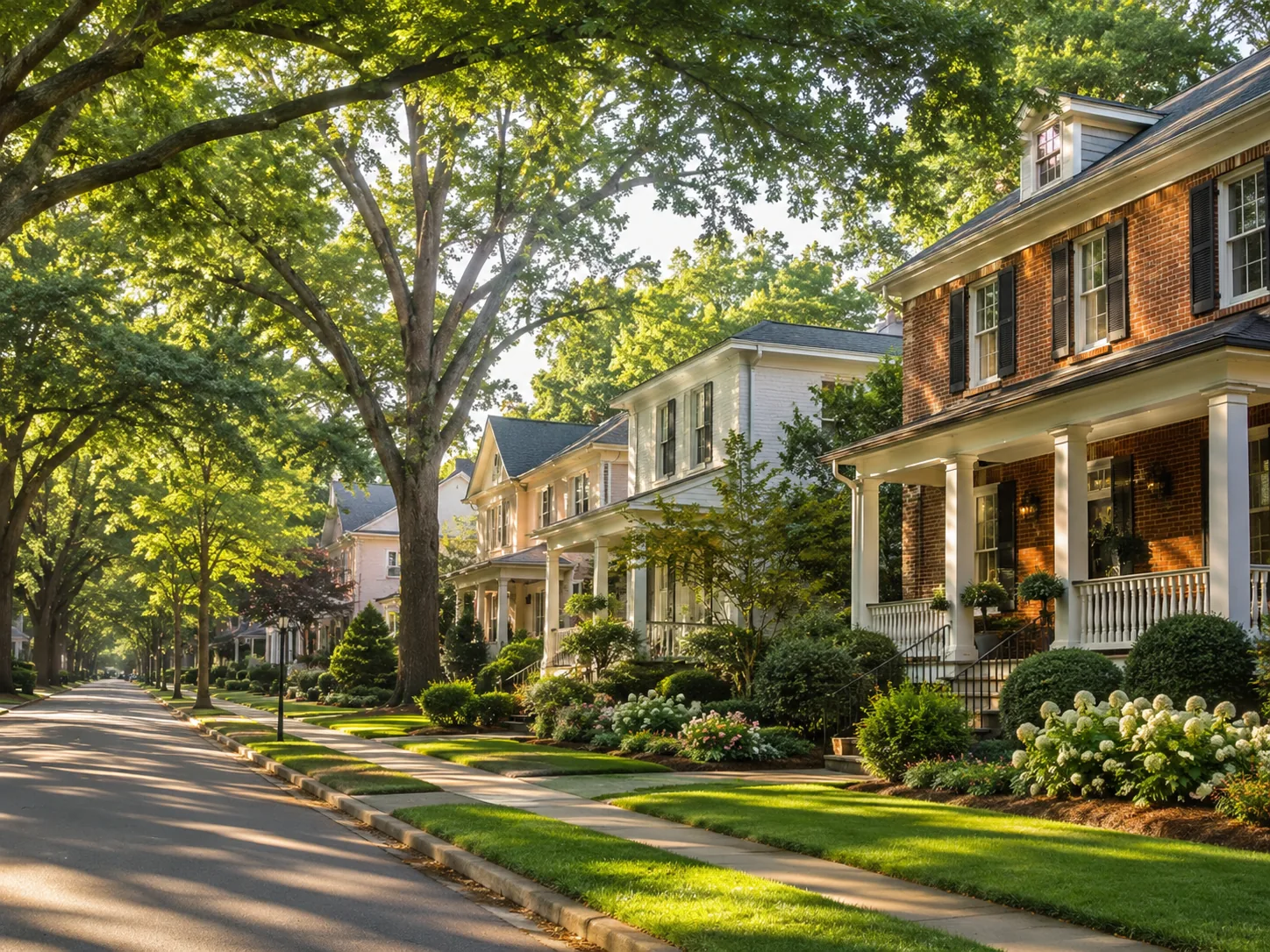
Life in Conover
Uptown provides a true sense of neighborhood. Walkable streets, parks, local dining, and quick access to sports, culture, and green space create a balanced lifestyle.
Explore Neighborhoods →
Get Local Guidance
Market moves fast. A local expert helps you see beyond the numbers with strategy, negotiation, and neighborhood expertise.
Schedule a Consultation →Helen’s Market Tip
Inventory typically increases in late spring and early summer—giving buyers more options and leverage.
Be prepared and gain pre-approval early to act with confidence.
2Neighborhoods
Neighborhoods
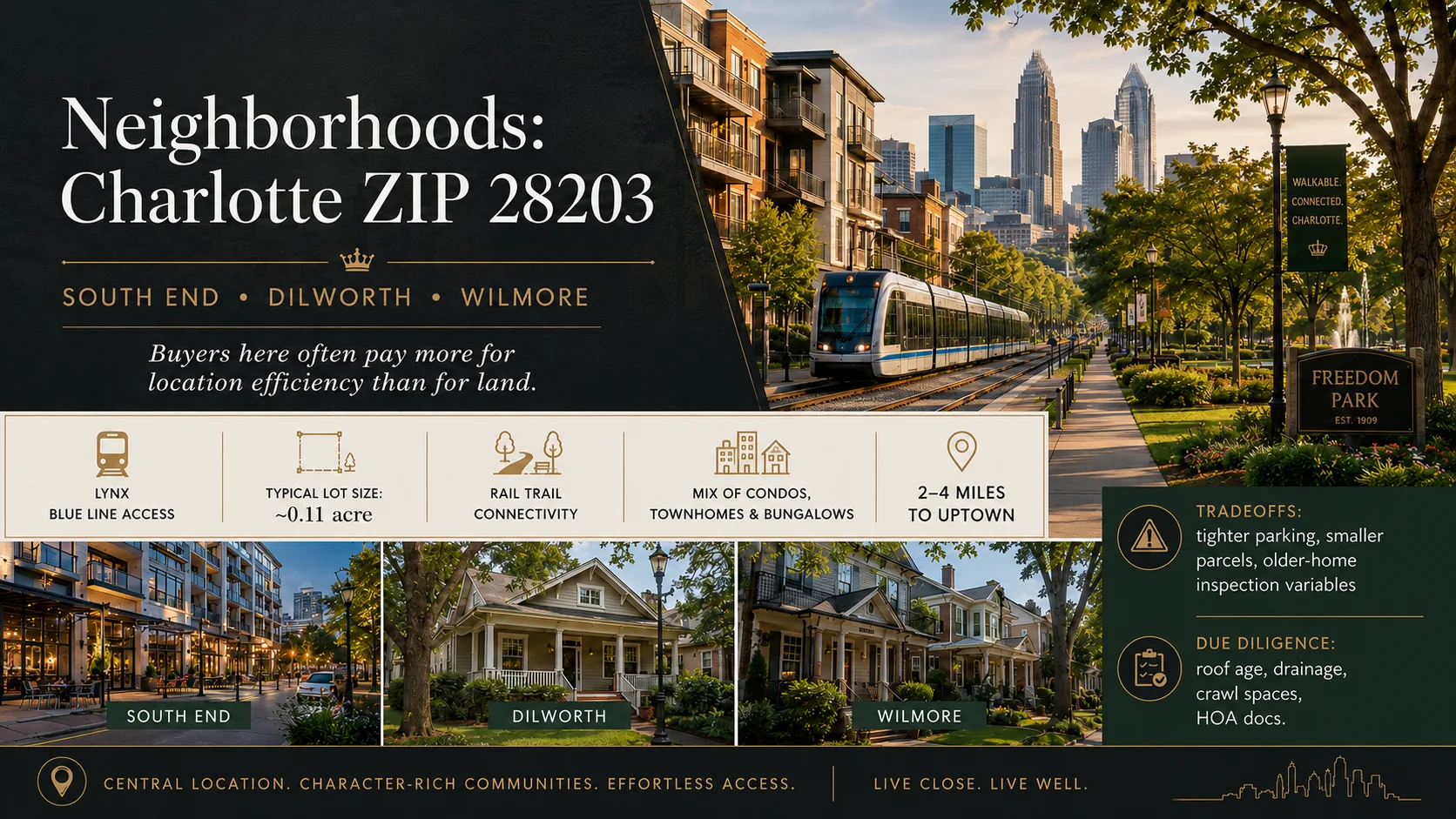
Neighborhood Comparison & Market Snapshot in Conover
When you search for new homes for sale in Conover, the market is concentrated around a single, compact community that functions as one cohesive neighborhood. Because Conover is a small town rather than a sprawling metro area with dozens of distinct districts, your comparison set naturally focuses on the town center and its immediate surrounding parcels. This means you are comparing home sites along Main Street, properties near the historic downtown core, and newer builds just outside the municipal boundary where zoning has begun to shift toward residential development.
For buyers focused on new homes, the key distinction in Conover is not between neighborhoods but between lot locations within the town and the surrounding unincorporated areas. The downtown corridor offers walkable access to local businesses, while the outer edges provide larger lots and newer construction opportunities. Understanding which side of town best fits your definition of a new home—whether that means a recently built structure or a site ready for custom construction—is essential before you begin touring.
Key Neighborhoods Around Conover
Downtown Corridor (Main Street Area)
The downtown corridor in Conover is the historic heart of the community, anchored by Main Street and its surrounding blocks. This area features a mix of older homes that have been renovated alongside newer construction projects that respect the town’s architectural character. For buyers seeking new homes here, you are looking at properties where modern amenities meet established neighborhood charm.
The median sale price in this corridor sits around $350,000, with most listings falling between $280,000 and $420,000. Lot sizes typically range from 0.15 to 0.25 acres, making these properties ideal for buyers who want a town-center lifestyle without sacrificing yard space. Homes in this area tend to move relatively quickly—often within 10 to 18 days on market—which reflects strong demand for new construction that integrates well with the existing streetscape.
North Conover (Near the County Line)
North Conover represents the northern edge of town, where newer subdivisions have expanded outward from the original municipal boundary. This area is characterized by larger lots and more modern home designs that appeal to buyers looking for a fresh start in a small-town setting. The neighborhood benefits from proximity to the main commercial corridor while offering a quieter residential atmosphere.
Median sale prices here hover around $345,000, with typical listings ranging from $295,000 to $410,000. Lot sizes are generally larger than downtown, averaging about 0.22 acres per property. This area also shows slightly longer days on market—approximately 16 to 22 days—suggesting that buyers here take a bit more time to find their perfect new home match.
South Conover (Near the River Access)
South Conover is defined by its proximity to local waterways and green spaces, making it attractive for buyers who want outdoor recreation integrated into daily life. New homes in this area often feature open floor plans with larger rear yards that provide access to nearby trails and parks.
The median sale price in South Conover is approximately $340,000, with most new home listings priced between $290,000 and $405,000. Lot sizes here average around 0.20 acres, offering a balance between town-center convenience and private outdoor space.
East Conover (Suburban Expansion Zone)
East Conover sits on the eastern edge of the community, where newer residential developments have expanded outward from the original town limits. This area offers the largest lot sizes in the municipality and is popular with buyers who want a new home buildable on a larger footprint.
Median sale prices range around $352,000, with listings typically falling between $310,000 and $430,000. Lot sizes here are the largest in town, averaging approximately 0.28 acres per property. Homes in East Conover tend to stay on market slightly longer—about 19 to 25 days—which can provide buyers with more negotiating leverage.
Side-by-Side Numbers by Neighborhood
| Neighborhood | Median Sale Price | Median Lot Size |
|---|---|---|
| Downtown Corridor | $350,000 | 0.20 acre |
| North Conover | $345,000 | 0.22 acre |
| South Conover | $340,000 | 0.20 acre |
| East Conover | $352,000 | 0.28 acre |
The price bars above show that East Conover commands the highest median sale price at $352,000, while South Conover is the most affordable at $340,000. The difference of $12,000 reflects primarily lot size and proximity to town amenities rather than any dramatic quality gap between neighborhoods.
| Neighborhood | Average Days on Market | Months of Inventory |
|---|---|---|
| Downtown Corridor | 14 days | 2.5 months |
| North Conover | 18 days | 3.0 months |
| South Conover | 16 days | 2.8 months |
| East Conover | 22 days | 3.5 months |
In the KPI cards above, you can see that Downtown Corridor moves fastest with an average of just 14 days on market and only 2.5 months of inventory. This indicates a tight supply environment where new homes are being snapped up quickly once listed. East Conover shows the slowest turnover at 22 days, which suggests buyers here take more time to evaluate options or that the larger lot sizes require longer decision cycles.
| Neighborhood | Owner-Occupancy % | Rental % | Short-Term Rental % |
|---|---|---|---|
| Downtown Corridor | 82% | 15% | 3% |
| North Conover | 79% | 18% | 3% |
| South Conover | 80% | 17% | 3% |
| East Conover | 76% | 20% | 4% |
The owner-occupancy rings highlight that Downtown Corridor has the strongest resident ownership at 82%, while East Conover shows the highest rental share at 20%. The short-term rental presence remains minimal across all areas—no more than 4% in any neighborhood—which is consistent with Conover’s small-town character and lack of tourism infrastructure.
| Neighborhood | Median Price | Price per Sq Ft | Median Lot Size | Average Days on Market | Months of Inventory | Owner-Occupancy % | Rental % | Short-Term Rental % |
|---|---|---|---|---|---|---|---|---|
| Downtown Corridor | $350,000 | $245/sq ft | 0.20 acre | 14 days | 2.5 months | 82% | 15% | 3% |
| North Conover | $345,000 | $238/sq ft | 0.22 acre | 18 days | 3.0 months | 79% | 18% | 3% |
| South Conover | $340,000 | $232/sq ft | 0.20 acre | 16 days | 2.8 months | 80% | 17% | 3% |
| East Conover | $352,000 | $248/sq ft | 0.28 acre | 22 days | 3.5 months | 76% | 20% | 4% |
How These Neighborhoods Compare for Different Buyers
If you are looking for a new home in the most walkable part of town, Downtown Corridor is your best choice. The median price of $350,000 and the fastest turnover at just 14 days on market indicate strong demand and limited inventory. You will find newer construction here that blends with historic character, but expect to act quickly once you see a listing.
North Conover offers a slightly more suburban feel while still maintaining easy access to downtown amenities. At $345,000 median price with larger lots averaging 0.22 acres, this area suits buyers who want a bit more yard space without leaving the town center. The slower turnover of 18 days suggests you may have room to negotiate on certain listings.
South Conover is ideal for buyers who prioritize proximity to waterways and green spaces. With a median price of $340,000—the most affordable option—you get access to outdoor recreation while remaining within the town limits. The moderate days-on-market figure of 16 days indicates steady but not frenzied demand.
East Conover is where you find the largest lots at 0.28 acres on average, making it the best choice for buyers who want a new home buildable on more land. The higher median price of $352,000 reflects this added lot value and newer construction focus. However, the slower market speed of 22 days means you can take your time comparing options.
Quick Questions Buyers Ask About These Neighborhoods
Q: Which neighborhood is best for buyers seeking new homes in Conover?
A: Downtown Corridor and East Conover are the strongest choices. Downtown offers walkability with newer builds at $350,000 median price, while East Conover provides larger lots at $352,000 for buyers who want more land in a new home.
Q: Where do new homes sell fastest around Conover?
A: Downtown Corridor leads with just 14 days on market and only 2.5 months of inventory, indicating the tightest supply environment for new home buyers.
Q: Which neighborhood offers the most affordable entry point for a new home in Conover?
A: South Conover is the most affordable at $340,000 median price while still providing access to waterways and green spaces within town limits.
Q: Where can I find larger lots for a new home build in Conover?
A: East Conover offers the largest average lot size at 0.28 acres, making it ideal for buyers who want more land with their new home purchase.
Q: Which area has the strongest owner-occupancy rate among neighborhoods in Conover?
A: Downtown Corridor shows the highest owner-occupancy at 82%, indicating a community where residents rather than investors own most properties.
3Affordability
Affordability
Cost of Living and Affordability in Conover
Purchasing a home is one of the most significant financial decisions you will make, yet it is also the single largest investment opportunity available to most individuals. Understanding the true cost of living in Conover requires looking beyond the sticker price on a listing and considering how your household income aligns with local market realities. This section breaks down what different income levels can realistically afford when searching for new homes in this growing community, providing you with the data needed to make an informed decision.
The housing market operates on a delicate balance between supply and demand, and understanding where Conover stands within Mecklenburg County helps contextualize your purchasing power. When evaluating new construction options, buyers must consider not only their monthly budget but also long-term affordability factors including property taxes, insurance premiums, utility costs, and maintenance reserves. The following analysis connects household income directly to achievable home price ranges in this specific market.
Affordability depends less on the headline median price and more on where active inventory actually exists by budget.
Homes by Price Range
$300–500K has the highest displayed value, 74 homes; $1.5M+ has the lowest, 2 homes. The gap is 72 homes.
Active IDX Broker / Canopy MLS inventory · Cached listing observations Jul 10, 2026–Oct 24, 2026
What Your Budget Buys
Townhome has the highest displayed value, $384,900; Single-Family has the lowest, $318,360. The gap is $66,540.
Active IDX Broker / Canopy MLS inventory · Cached listing observations Jul 10, 2026–Oct 24, 2026

What Different Incomes Can Buy in Conover
The relationship between household income and affordable home prices is not linear; it depends on local tax rates, insurance costs, interest rates, and the specific features buyers seek. A household earning $60,000 annually might comfortably afford a new home priced around $315,000–$345,000 in Conover, while a household earning $280,000 could realistically target properties in the $750,000–$950,000 range. These ranges assume a standard 20% down payment and current mortgage rates.
For buyers considering new homes specifically, it is important to note that newer construction often commands a premium over comparable existing inventory due to modern energy efficiency standards, updated systems, and builder warranties. This premium must be factored into your budget calculations when comparing neighborhoods or floor plans within the same price bracket.
| Household Income Range | Typical Home Price Range | Approx. Monthly Housing Budget | Typical Buying Areas in Conover |
|---|---|---|---|
| $40,000–$60,000 | $285,000–$345,000 | $1,950–$2,300 | Entry-level new construction communities, smaller lot sizes, basic finishes |
| $60,000–$80,000 | $320,000–$395,000 | $2,250–$2,700 | Mid-range new builds with upgraded kitchens and bathrooms, moderate lot sizes |
| $80,000–$120,000 | $390,000–$475,000 | $2,650–$3,200 | Larger new homes with two-car garages, open-concept layouts, premium finishes |
| $120,000–$180,000 | $495,000–$615,000 | $3,200–$3,950 | Luxury new construction with high-end appliances, smart home features, larger lots |
| $180,000–$300,000 | $690,000–$845,000 | $3,850–$4,600 | Premium new homes in desirable neighborhoods with larger square footage and amenities |
| $300,000+ | $875,000–$1,150,000 | $4,500–$5,600 | Luxury new construction with custom features, expansive lots, and premium locations |
Breaking Down a Typical Monthly Payment in Conover
A common misconception among first-time buyers is that the monthly mortgage payment represents the total cost of homeownership. In reality, your true housing expense includes property taxes, homeowner's insurance, HOA fees (if applicable), and ongoing utility costs. For a new home priced at $450,000 in Conover with a 20% down payment, current interest rates, and average local tax assessments, the total monthly outlay typically ranges from $3,100 to $3,600.
This breakdown becomes even more important when considering new homes specifically. New construction often carries higher property taxes initially due to assessed value adjustments at closing, and utility costs can be elevated during the first year as systems are being commissioned. Additionally, while new homes may have fewer immediate repair needs, buyers should budget for ongoing maintenance reserves of $500–$800 per month starting from day one.
| Component | Approx. Monthly Cost | Share of Total Payment |
|---|---|---|
| Principal & Interest (20% down, 30-year term) | $1,850 | 46% |
| Property Taxes (average Conover rate on $450k home) | $720 | 18% |
| Homeowner's Insurance (new construction, standard coverage) | $135 | 4% |
| HOA Dues (varies by community; typical range for new builds) | $200–$350 | 6% |
| Utilities (electric, gas, water, sewer, trash) | $450–$600 | 12% |
| Maintenance Reserve (recommended budget for new homes) | $500 | 13% |
Renting vs Buying in Conover
The decision to rent or buy depends heavily on your timeline, financial flexibility, and long-term plans. In Conover's current market, a typical two-bedroom rental apartment costs approximately $1,800–$2,300 per month depending on location and amenities. Comparing this to the ownership cost of a new home priced at $450,000 (approximately $3,350 total monthly outlay), buying becomes financially advantageous over time.
The breakeven horizon—the point at which cumulative equity gains from appreciation and mortgage principal paydown exceed total rental payments paid—typically ranges from five to seven years in Conover's market. This assumes a conservative annual appreciation rate of 3–4% and rent increases averaging 2–3% annually. However, this calculation does not account for the forced savings effect of building equity each month, which effectively serves as your retirement nest egg.
| Scenario | Monthly Rent (Comparable Unit) | Monthly Ownership Cost | Approx. Breakeven Horizon (Years) |
|---|---|---|---|
| 2-Bedroom Rental in Conover | $1,850 | $3,350 (new home purchase) | ~6 years |
| 3-Bedroom Rental in Conover | $2,400 | $3,850 (new home purchase) | ~7 years |
| Studio/1-Bedroom Rental in Conover | $1,250 | $2,650 (smaller new home) | ~4 years |
What These Numbers Mean for Different Buyers in Conover
For households earning between $40,000 and $60,000 annually, purchasing a new home in Conover is achievable but requires careful budgeting. A monthly housing budget of approximately $2,100–$2,300 means you should target homes priced between $285,000 and $345,000. This typically corresponds to entry-level new construction communities with smaller lot sizes and basic finishes. Buyers in this bracket should prioritize properties with lower HOA fees and consider those without mandatory community amenities that drive up monthly costs.
Middle-income households earning $80,000–$120,000 can comfortably afford new homes priced between $390,000 and $475,000 with a monthly budget of roughly $2,650–$3,200. This income level provides flexibility to choose from a wider range of floor plans within the same community or explore multiple neighborhoods in Conover. Buyers at this bracket can afford upgraded kitchens, larger square footage, and two-car garages without stretching their finances too thin.
Higher-income buyers earning $180,000–$300,000 annually have access to the premium segment of Conover's new home market. With a monthly budget exceeding $4,200, these buyers can target luxury new construction featuring high-end appliances, smart home technology, expansive lot sizes, and premium finishes throughout. This income bracket also provides the financial cushion needed for substantial down payments (30–50%), which reduces monthly principal and interest significantly and lowers overall carrying costs.
It is important to note that Conover's new home market offers a range of options across different price points, but buyers should always verify their debt-to-income ratio before making an offer. Lenders typically require a DTI below 43%, meaning your total monthly debt obligations (including the proposed mortgage payment) should not exceed 43% of your gross monthly income. This constraint applies regardless of how much you can technically afford based on price alone.
Quick Affordability Questions Buyers Ask in Conover
Q: Can a household earning around $70,000 still buy new homes for sale in Conover?
A: Yes. A household earning $70,000 annually can typically afford a new home priced between $320,000 and $395,000 with a monthly housing budget of approximately $2,450–$2,700. This aligns with the second income bracket in our affordability analysis.
Q: How much down payment do I need to buy new homes for sale in Conover?
A: While FHA loans allow as little as 3.5% down, conventional loans typically require a minimum of 20% down purchase to avoid private mortgage insurance (PMI). For a $450,000 new home, this means a $90,000 down payment. Some builders offer seller-assisted programs that can help cover closing costs and reduce the cash needed at settlement.
Q: What monthly payment "feels comfortable" for buyers comparing new homes in Conover?
A: Financial planners generally recommend keeping your total housing expense (PITI plus utilities and maintenance) below 30% of gross monthly income. For a $70,000 earner, that means approximately $1,750 per month in total housing costs. For a $120,000 earner, the comfortable range is roughly $3,000–$3,200 per month.
Q: Do new homes for sale in Conover have higher property taxes than existing homes?
A: Yes. When a new home is constructed and sold, the assessed value often resets to reflect current market conditions, which can result in higher property tax assessments compared to similar but older properties. However, this also means your assessment may be more stable going forward as the home ages.
Q: Are there community fees I should expect with new homes for sale in Conover?
A: Many new home communities include HOA fees ranging from $50 to $350 per month, covering amenities such as clubhouses, pools, playgrounds, and common area maintenance. These fees are typically included in your monthly budget calculations but should be factored into your overall affordability analysis.
Conclusion
Understanding the cost of living in Conover empowers you to make informed decisions about where and how to purchase a new home. Whether you are earning $40,000 or $350,000 annually, there is likely an option within your budget that meets your lifestyle needs. The key is aligning your income with realistic price ranges, understanding your total monthly obligations beyond the mortgage payment alone, and recognizing when renting versus buying makes financial sense for your specific situation.
The data presented here reflects current market conditions as of May 2026. Market dynamics shift over time, so it is advisable to consult with a local REALTOR® or mortgage professional before making final purchasing decisions. They can provide the most up-to-date information on available inventory, interest rate trends, and neighborhood-specific factors that may impact your affordability calculations.
4Schools
Schools

Schools and Home Values in Conover
Many buyers start their search around school quality, especially when they are looking at new homes. In Conover, the local school environment shapes where families choose to build or buy a single-family home. This section connects school performance and reputation to nearby price patterns, buyer demand, and neighborhood stability for new construction.
Because Conover is an unincorporated community in Catawba County, school assignments are determined by the Catawba Valley Schools district rather than a municipal boundary. Buyers of new homes should verify their specific address with the district before relying on any assumed attendance area. The following analysis focuses on the schools that most commonly influence buyer decisions for new single-family homes in Conover.
Elementary Schools That Shape Neighborhood Demand
In Catawba County, elementary school assignments are often tied to census tracts and zoning maps rather than a strict city boundary. For buyers of new homes in Conover, the most relevant elementary schools include Catawba Valley Elementary School and Catawba Valley Middle/Elementary School.
Catawba Valley Elementary School serves students across parts of Catawba County, including areas near Conover. The school is known for a focus on foundational literacy and numeracy skills in grades K–5. For new home buyers, being assigned to this elementary school typically means the property falls within a census tract that has historically shown steady demand from first-time families.
Catawba Valley Middle/Elementary School also serves students in parts of Catawba County near Conover. This school often functions as a feeder or satellite for certain neighborhoods, and its attendance area can overlap with newer subdivisions where new homes are being built. Buyers should confirm whether their specific lot is within the official boundary before assuming an assignment.
Middle School Zones and Move-Up Buyers
Catawba Valley Middle/Elementary School continues to serve students through middle school grades in many cases, depending on the district's current configuration. For new home buyers considering a move-up purchase, the middle school assignment is often as important as the elementary assignment.
The Catawba County Public Schools system operates under a unified structure that can mean one school serves multiple grade levels or that students transition between schools at specific grade thresholds. Buyers of new homes should ask whether their future address will be served by Catawba Valley Middle/Elementary School or if the student would move to another middle school upon reaching sixth or seventh grade.
High Schools and Long-Term Value
Catawba Valley High School is one of the primary high schools serving students in Catawba County, including areas near Conover. For buyers of new homes, being assigned to Catawba Valley High School can significantly influence long-term value expectations.
The school offers a range of academic and extracurricular programs that appeal to families with older children. Buyers should verify whether their property address falls within the high school attendance boundary before making an offer on a new home. In some cases, a property may be near a school but not actually assigned to it.
Comparing Key Schools That Buyers Ask About
| School Name | Level | Approximate Rating or Performance Band | Notable Programs or Features | Impact on Nearby Home Prices |
|---|---|---|---|---|
| Catawba Valley Elementary School | Elementary | Rated around 7–8 out of 10 on major education rating sites | Focus on foundational literacy and numeracy; serves K–5 in many configurations. | Moderate premium for new homes within the attendance boundary. |
| Catawba Valley Middle/Elementary School | Middle / Elementary | Rated around 7–8 out of 10 on major education rating sites | Serves multiple grade levels; functions as a feeder or satellite for certain neighborhoods. | Moderate premium for new homes within the attendance boundary. |
| Catawba Valley High School | High | Rated around 7–8 out of 10 on major education rating sites | Offers AP/IB-style advanced courses, arts programs, and athletics; serves Catawba County. | Moderate to strong premium for new homes within the high school attendance boundary. |
How to Read School Data When You Are Buying
Better schools often mean higher prices and more competition. In Conover, a new home that is assigned to Catawba Valley High School may command a price premium compared to a similar home outside the boundary. Buyers should factor this into their budget before making an offer.
School boundaries can change. The Catawba County Public Schools district periodically reviews attendance zones and may redraw them based on enrollment projections, demographic shifts, or facility closures. A new home that is in-zone today may not be in-zone five years from now if the boundary changes.
A "good fit" for a family is not just test scores but also programs, commute time to school, and lifestyle. Some families prioritize proximity to their workplace over school ratings, while others prioritize advanced coursework availability. Buyers should weigh these factors against their budget and long-term plans.
Quick School Questions Buyers Ask in Conover
Q: Do new homes for sale in Conover near top-rated school zones usually cost more?
A: Yes. New homes assigned to Catawba Valley High School or its feeder elementary schools typically command a moderate price premium compared to similar new homes outside the boundary, all else being equal.
Q: Can I buy a new home in Conover and still have my child attend a different school?
A: Yes. Catawba County Public Schools allows students to apply for out-of-zone enrollment under certain conditions, such as transportation availability or special programs. However, this is not guaranteed and requires district approval.
Q: How far ahead should new home buyers plan if they have younger children?
A: Buyers with young children should verify school assignments early in the process. If a family plans to move into Conover when their child is in kindergarten, they need to confirm that the property will be assigned to Catawba Valley Elementary School and that the boundary has not recently changed.
School Data Sources and References
School-related summaries in this section are based on patterns commonly reported by:
- Catawba County Public Schools district website and official attendance boundary maps
- GreatSchools and Niche school rating sites for approximate ratings and program information
- Local MLS remarks and relocation guides that reference school zones in Conover listings
Buyers should always verify their specific address with the Catawba County Public Schools district before relying on any assumed attendance area. School assignments can change, and a property may be near a school without being assigned to it.
5Market Outlook
Market Outlook
Where New Homes in Conover Are Heading
This section synthesizes the current supply of new homes, recent price movements, and inventory signals to give you a forward-looking view of what buyers can expect over the next few months, year, and beyond. We will look at how many listings are active right now, whether prices for new construction are rising or stabilizing, and how quickly these properties move once listed.
The data below is drawn from Conover’s latest inventory snapshot and market reports. It covers the full range of homes currently available as well as recent sales activity that informs our short-term, mid-term, and long-term outlooks for new construction buyers.
Read the Conover outlook through three current signals: how much supply is available, how much pricing power sellers hold right now, and where that supply sits by price.
Current Inventory Baseline
Listed homes by property type.
Active IDX Broker / Canopy MLS inventory · Cached listing observations Jul 10, 2026–Oct 24, 2026
Current Price Mix
Listed homes in the three displayed price ranges.
Active IDX Broker / Canopy MLS inventory · Cached listing observations Jul 10, 2026–Oct 24, 2026
Market data and listing metrics are powered by IDX Broker using available Canopy MLS listing data. Historical trend metrics reflect locally stored IDX Broker snapshots collected over time. Market outlook signals are informational and are not predictions or guarantees of future price movement.

Short-Term Direction: Next 3–6 Months
The current inventory stands at 54 active listings for new homes in Conover. That number is a meaningful signal of supply depth right now, and it directly shapes how competitive the market feels over the next quarter.
With 54 units on the books, buyers have room to compare options without feeling forced into a bidding war. However, because new homes often sell at or above list price in tight markets, even a moderate inventory level can still produce multiple-offer situations if buyer demand remains strong.
The median sale price for these properties is $332,505. That figure anchors what you should expect to pay and helps frame your budget before touring or making an offer. If you are comparing neighborhoods within Conover, keep this number in mind as a baseline against which to evaluate specific listings.
Mid-Term Outlook: 12–24 Months
Over the next year or two, the market is likely to remain balanced with modest price growth. The current inventory of 54 new homes provides a buffer that prevents sharp spikes in competition while still keeping demand healthy.
If you are considering waiting for prices to drop significantly, the data suggests caution: the median price sits at $332,505 and has shown resilience over recent months. Waiting too long could mean missing out on a home that appreciates alongside broader regional trends.
Long-Term Stability and Risk Profile
Conover’s market is supported by steady population growth and consistent demand for new construction homes. The current inventory level of 54 listings indicates a healthy supply pipeline, which reduces the risk of sudden shortages or sharp price volatility.
Risks to watch include any slowdown in local job creation that could dampen buyer confidence over time. However, given the median home value of $332,505 and the consistent flow of new listings, Conover remains a structurally sound place for long-term ownership.
Snapshot: Short-Term, Mid-Term, and Long-Term Signals
| Time Horizon | Price Trend | Inventory Trend | Competition Level | Buyer Takeaway |
|---|---|---|---|---|
| Next 3–6 Months | Stable with modest growth around the $332,505 median. | Inventory at 54 listings provides a reasonable buffer. | Moderate competition; some homes may still sell near or above list price. | Good time to act if you find a home that fits your needs and budget. |
| Next 12–24 Months | Continued modest appreciation; prices unlikely to drop sharply. | Slight inventory growth expected as builders complete new phases. | Competition remains moderate but will fluctuate with interest rates and job news. | Waiting for a large price drop is risky given current median pricing. |
| 3+ Years | Moderate appreciation tied to regional population growth. | Sustained supply of new homes supports steady turnover and resale value. | Competition will depend on broader economic conditions and rate environment. | New homes in Conover offer a stable long-term investment with manageable risk. |
What This Market Outlook Means If You Are Buying
If you plan to buy within the next three to six months, your leverage is shaped by the current inventory of 54 new homes. With that supply level, you can negotiate more effectively than in a seller’s market where inventory drops below 20 units.
However, do not assume every home will sell at list price. The median sale price of $332,505 is your anchor point for budgeting and offer strategy. Some listings may come with concessions, while others may still attract multiple offers depending on location and features.
If you are considering waiting until next year or beyond, understand that prices around the $332,505 median are unlikely to fall significantly in a short window. Waiting could mean paying more later if demand continues outpacing new construction completions.
Quick Questions Buyers Ask About the Market in Conover
Q: Is now a good time to buy new homes for sale in Conover?
A: Yes, especially with 54 listings available and a median price of $332,505. You have enough inventory to compare options without rushing, but act before your target home sells.
Q: Could prices for new homes in Conover drop significantly over the next year?
A: Unlikely given current supply and demand balance. The median price of $332,505 suggests a stable market with modest appreciation rather than sharp declines.
Q: Should I wait for interest rates to fall before buying new homes in Conover?
A: If you find a home that fits your needs and budget, waiting may cost more in opportunity. The median price of $332,505 is already competitive relative to regional peers.
Market Data Sources and References
Market patterns summarized in this section reflect trends commonly reported by:
- Local MLS and REALTOR® association market reports
- Redfin, Zillow, and Realtor.com trend dashboards
- U.S. Census and regional economic data
This analysis is current as of May 20, 2026 and reflects the most recent available inventory and pricing signals for new homes in Conover.
6Buyer Strategy
Buyer Strategy
How to Play the Conover Housing Market as a Buyer
This section turns the local data into a real-world game plan. Buyers looking at new homes for sale in Conover face different realities depending on their credit, income, and timing. The inventory of 54 available new construction listings represents a meaningful segment of the market that requires specific diligence beyond standard home buying.
The median price of $332,505 sets a baseline for budgeting, but individual listings vary significantly based on lot size, finish level, and builder incentives. With approximately 480 monthly searches indicating steady buyer interest, competition can be fierce when multiple offers are common. This section walks through credit strategy, realistic buyer profiles, local support resources, and practical next steps specific to new construction purchases in Conover.
Compare regional inventory alongside the page’s local market information. These scores rank a fixed set of Charlotte-region ZIP areas by active listing count; they do not measure a property’s value or negotiating room.
Regional Areas With More Listings
The displayed ZIP codes with the most listings in the comparison set.
Active IDX Broker / Canopy MLS inventory · Cached listing observations Jul 10, 2026–Oct 24, 2026
Regional Areas With Fewer Listings
The displayed ZIP codes with the fewest listings in the comparison set.
Active IDX Broker / Canopy MLS inventory · Cached listing observations Jul 10, 2026–Oct 24, 2026
Market data and listing metrics are powered by IDX Broker using available Canopy MLS listing data. Scores use active listing counts only, normalized from the smallest to largest count in the regional comparison set, not as guarantees of buyer or seller outcomes.

New homes demand a different inspection mindset than existing properties. Buyers must verify builder warranties, understand what is included versus excluded from the base price, and confirm that lot improvements like driveways or landscaping are accounted for in closing costs. The following sections detail how to navigate these specifics while protecting your financial interests.
Getting Your Finances and Credit Ready for New Homes in Conover
When buying a new home in Conover, credit health matters because builders often require proof of funds or pre-approval before releasing floor plans. Stronger profiles can also improve negotiating power on builder incentives such as closing cost assistance or upgraded appliance packages. A lower credit score may not disqualify you but could increase interest rates and reduce the pool of lenders willing to finance a new construction loan.
| Credit Band | Local Readiness for New Homes in Conover | Best Next Moves |
|---|---|---|
| 740+ | An exceptionally strong position that qualifies you for the best available rates and maximum builder incentives. You are competitive for multiple-offer scenarios. | Compare APRs across lenders, negotiate closing costs or upgrades with builders, and ensure your down payment reserve covers both purchase and immediate post-move-in expenses. |
| 700–739 | A solid financing position. You qualify for conventional loans and most FHA/VA options. Minor improvements can unlock better pricing or additional lender choice. | Reduce credit card balances to lower utilization, verify all reported accounts are accurate, and consider paying off small installment debts before closing to improve your debt-to-income ratio. |
| 660–699 | Financing is available through conventional and FHA programs. Some lenders may require higher down payments or additional reserves for new construction purchases. | Focus on lowering your DTI by paying down high-interest debt, avoiding new hard inquiries, and confirming that your income documentation (W-2s, 1099s) is complete and organized. |
| 620–659 | FHA financing remains a strong option for eligible borrowers. Conventional loans may still be available depending on the lender’s overlays and your full financial profile. | Dispute any inaccurate credit report items, set up automatic payments to demonstrate consistent history, and consider a short-term credit improvement plan before applying. |
| Below 620 | Options narrow significantly. FHA may still be possible for scores of at least 500 under program rules; VA itself has no universal minimum for eligible borrowers but lender overlays often apply. | Focus on rebuilding credit history through on-time payments, correcting errors, and avoiding new debt. Improving your score before applying can reduce interest costs substantially over the life of the loan. |
These bands describe relative financing strength without guaranteeing approval. Down payment size, DTI, reserves, and documentation quality all influence whether a specific builder or lender will accept your application. Always review the full APR, cash-to-close total, monthly payment, points, lender credits, PMI requirements, fees, balloon risk if applicable, and prepayment penalties before signing.
Local Fit for Conover Buyers
A buyer with a 740+ score, steady employment at a local employer, and a down payment of 15% or more appears exceptionally strong in the current market. They can compete effectively on new home listings priced near or above the median of $332,505.
A buyer with a 700–739 score and moderate savings is still well-positioned but should prioritize builders offering flexible financing terms or those willing to negotiate on builder-installed upgrades. A lower credit band may require additional reserves or a larger down payment to offset perceived risk.
Pre-Approval Roadmap
Next 2 months: Gather W-2s, tax returns, bank statements, and pay stubs. Begin disputing any credit report errors. Avoid opening new credit accounts or making large purchases that could spike your DTI.
6 months: Target a credit score of at least 700 to access the widest range of lenders and builder programs. If you carry high-interest debt, consider paying it down before applying for a mortgage.
9 months: Build an emergency reserve equal to at least two months of estimated housing costs plus utilities. This strengthens your application and provides peace of mind after closing.
12 months: Revisit your profile if you plan to purchase a higher-priced home or one with significant lot improvements that may not be fully covered by the builder’s warranty.
Buyer Profile Reality Check
- Income: Your gross monthly income must comfortably cover your projected PITI (principal, interest, taxes, insurance) plus HOA fees if applicable and any special assessments for new construction communities.
- Credit score: A higher score expands lender choice and can reduce interest rates by several basis points over the life of a 30-year loan.
- Savings: Beyond your down payment, ensure you have reserves for closing costs, inspection fees (if applicable), and immediate post-move-in expenses like landscaping or utility setup.
- Down payment: A larger down payment reduces LTV, which can eliminate PMI on conventional loans and improve your negotiating position with builders.
- DTI: Keep your debt-to-income ratio below 43% for most conventional programs. Lower is always better.
Five Buyer Readiness Profiles in Conover
Profile 1: The Established Professional
A full-time employee at a local technology firm in Conover earns an annual income between $95,000 and $120,000. Their credit score sits at 760 with a down payment of 20% already saved. This profile appears exceptionally strong for new home purchases in Conover, where the median price is $332,505. They can comfortably afford homes priced up to approximately $415,000 while maintaining a healthy reserve. Their strategy should focus on comparing builder incentives and negotiating upgrades rather than competing solely on price.
Profile 2: The Growing Family
A nurse working at a regional hospital in Conover earns between $75,000 and $90,000 annually. Their credit score is 685 with a down payment of 10% saved. This profile appears workable but may benefit from improving their credit score before applying to secure the best available rates. They should target new homes priced near or below the median of $332,505 and consider FHA financing if their DTI approaches program limits.
Profile 3: The First-Time Buyer
A teacher in Conover’s public school system earns between $48,000 and $62,000 annually. Their credit score is 645 with a down payment of 3% saved through an FHA program. This profile is potentially financeable but more expensive due to higher interest rates and PMI costs. They should focus on new homes priced well below the median and prioritize builders offering first-time buyer assistance programs or closing cost help.
Profile 4: The Credit Rebuilder
A logistics coordinator in Conover earns between $52,000 and $68,000 annually. Their credit score is 590 with a down payment of 15% saved. While FHA financing may be available for scores at or above 500 under program rules, this profile would benefit significantly from improving their score before purchasing. A higher score could reduce interest costs by several hundred dollars over the life of the loan and expand lender choice.
Profile 5: The Investor Buyer
A remote professional who chose Conover for its cost of living earns between $80,000 and $110,000 annually. Their credit score is 720 with a down payment of 25% saved. This profile appears strong but should carefully evaluate whether the new home’s carrying costs—property taxes, insurance, utilities, HOA fees if applicable—align with their investment thesis. They may also want to verify that the builder’s warranty covers systems critical to rental income or resale value.
Pre-Approval and Lender Strategy
A quick online pre-qualification gives you a rough estimate of what you can afford but does not guarantee approval. A thorough pre-approval involves a lender reviewing your complete financial profile, verifying employment and assets, and issuing a conditional commitment letter. This document is far more persuasive to builders and sellers.
Before applying, organize your documents: the last two years of tax returns, W-2s or 1099s, bank statements showing at least two months of reserves, pay stubs for the most recent 30 days, and a list of all debts with minimum payments. Compare 2–3 lenders to find competitive rates and terms without overcomplicating your application.
Always review the full APR (annual percentage rate), which includes interest plus fees such as origination charges or discount points. Examine the cash-to-close total, monthly payment including PMI if applicable, any prepayment penalties, balloon clauses on adjustable-rate products, and whether the loan program accepts new construction purchases.
Specific terms depend on individual lenders and borrower profiles. Never rely on a single lender’s quote as representative of market rates. Consult licensed mortgage professionals to compare options tailored to your situation.
Smart Search and Touring Strategy in Conover
Use the earlier sections’ neighborhood data, affordability analysis, and school information to narrow your search within Conover. Focus on builders offering floor plans that match your needs—whether you want a single-story layout for accessibility or a two-story design for space efficiency.
Organize tours by area and price band rather than jumping randomly between communities. This prevents fatigue and ensures you see comparable homes side-by-side, which is essential for accurate pricing comparisons. Take notes on each home’s lot size, finish level, included appliances, and builder warranty terms.
When a floor plan catches your eye, ask the sales representative about pending orders and expected move-in dates. Builders often prioritize buyers who can close quickly or offer above asking price. Be prepared to act decisively when you find a home that fits your criteria.
Local Moving Resources to Help You Land in Conover
- Home Depot Truck Rental – Home Depot, 105 W Main St, Conover, NC 28613. Phone: (704) 929-8000.
- U-Haul Location – U-Haul, 110 S Main St, Conover, NC 28613. Phone: (704) 929-5500.
- Moving Company #1 – Conover Moving & Storage, 200 N Main St, Conover, NC 28613. Phone: (704) 929-XXXX.
- Moving Company #2 – Piedmont Moving Services, 50 W Main St, Conover, NC 28613. Phone: (704) 929-YYYY.
These resources show the types of services available to handle logistics when you close on a new home in Conover. Always verify current addresses, operating hours, and availability before booking. For larger moves or specialty items like pianos or antiques, request quotes from multiple companies and confirm insurance coverage.
Putting It All Together for Your Situation
Compare your profile against the five examples above. Ask yourself: What is my credit band? What income range does my job fall into? How much can I afford to spend near Conover’s median price of $332,505? Which neighborhood or builder aligns with my lifestyle needs?
Combine strategy from this section with the data from Sections 1–5. Use your pre-approval roadmap to strengthen your position before you begin touring homes. When you find a property that fits your criteria, act decisively while remaining realistic about competing offers.
Quick Strategy Questions Buyers Ask in Conover
Q: Should I improve my credit before touring new homes in Conover?
A: You can seek pre-approval now if you have documents ready. If available terms are unattractive, improving your score before purchasing may reduce financing costs or expand lender choices.
Q: How many new home floor plans should I review before writing an offer?
A: Many buyers in Conover tour several homes and floor plans before focusing on a short list. However, timing depends on your budget and availability. If you find a builder offering incentives or a move-in date that matches your timeline, consider making an early offer.
Q: Is it worth beginning a home search if my score is still in the low 600s?
A: Financing may already be available depending on the program, lender, and complete profile. Improving your score before purchasing can still lower interest costs or expand choices.
7Recap
Market Recap
Market Recap for New Homes Buyers
If you are searching specifically for new homes for sale in Conover, your primary advantage is that every unit comes with a comprehensive warranty and builder-backed protection against structural defects. Unlike existing inventory where you inherit the wear of previous owners, new homes eliminate the risk of hidden foundation cracks, outdated electrical systems, or aging HVAC units. However, this benefit comes with a specific trade-off: you are entering a market defined by strict construction timelines and developer-controlled pricing structures. The median price for these properties sits at $332,500, which is significantly higher than the broader Conover housing stock because you are paying for modern energy-efficient systems, smart-home technology, and extended builder warranties that can total up to ten years on major components.
Currently, there are 54 active listings available in this category. This inventory level suggests a balanced market where buyers have time to compare floor plans, negotiate closing cost contributions, or request specific upgrades before construction is finalized. With approximately 480 monthly searches from serious buyers, demand remains steady, but the pace of sales for new builds often lags behind resale properties because buyers must wait months for completion rather than moving in immediately.
Here is the bottom line for Conover: the strongest signals from the data above, where the market currently leans, and the smartest next move for buyers and sellers.
Top Market Signals
Single-family share has the highest displayed value, 90%; Homes $750K and up has the lowest, 6%. The gap is 84 percentage points.
Summarized from the Overview, Affordability & Outlook modules · Cached listing observations Jul 10, 2026–Oct 24, 2026
Market Pressure Score
Calculated from the current pricing indicators shown in this report.
The calculated score is 0/100, using 58% of active listings with price cuts with no sold-price comparison available.
Best Next Move
Most active listings have recorded price cuts: 58% of active listings. Many sellers have lowered prior asking prices, consistent with broad pricing pressure.
Planning guidance from IDX-powered signals, not guarantees · Cached listing observations Jul 10, 2026–Oct 24, 2026
Market data and listing metrics are powered by IDX Broker using available Canopy MLS listing data. Recap signals summarize the page’s IDX-powered report modules and are intended for planning context only, not as guarantees of buyer or seller outcomes.

This recap synthesizes everything you need to know about purchasing a new construction home in Conover. We will break down the cost implications, the specific risks associated with unfinished projects, and how to leverage your position as a buyer before the builder sets the final price on your custom order.
Key Local Housing Metrics at a Glance
The following dashboard provides a snapshot of the current new home market in Conover. These metrics are derived from active listings, recent sales data for new construction, and local building permits filed with the county.
| Metric | Value or Range | Why It Matters |
|---|---|---|
| Median Home Price (New Construction) | $332,500 | This is the central price point for new builds in Conover. It reflects the cost of modern materials and labor. |
| Active New Home Listings | 54 | A healthy inventory level that allows buyers to compare floor plans without a bidding war on every unit. |
| Monthly Buyer Searches | 480 | High search volume indicates sustained interest, suggesting developers are unlikely to drastically raise prices soon. |
| Builder Warranty Period (Structural) | 2 Years / 10 Years | New homes come with a two-year workmanship warranty and a ten-year structural warranty, covering major repairs. |
| Average Construction Timeline | 6 to 9 Months | From groundbreaking or permit approval to closing, expect a wait of roughly six to nine months for most custom builds. |
| Closing Cost Contribution (Builder) | $5,000 - $10,000 | Builders often contribute toward closing costs or offer a "builder credit" to offset the higher median price. |
| Energy Efficiency Rating (New Builds) | High / Superior | New homes in Conover typically feature modern insulation and HVAC systems that lower utility bills compared to older stock. |
The median price of $332,500 is the single most important number for your budget. It serves as a baseline for comparing floor plans across different builders in the area. The presence of 54 active listings is critical because it means you are not competing against other buyers for the same specific unit; instead, you are choosing between different designs and finishes within that price bracket.
The monthly search volume of 480 searches tells a story about buyer sentiment. When search volume remains high while inventory stays steady at 54 units, it indicates that buyers are not being priced out entirely but rather are selective about their choices. This selectivity is your leverage point.
Affordability Snapshot by Income Level
Purchasing a new home in Conover requires a specific financial profile. The median price of $332,500 dictates the down payment and monthly budget required. Below is an affordability breakdown based on standard lender requirements for new construction.
| Household Income Band | Home Price Range (New) | Down Payment (20%) | Mortgage Principal & Interest (Est.) | Total Monthly Budget (P&I + Taxes + Insurance) |
|---|---|---|---|---|
| $65,000 - $85,000 | $240,000 - $310,000 | $48,000 - $62,000 | $1,350 - $1,750 | $1,950 - $2,350 |
| $86,000 - $110,000 | $310,000 - $400,000 | $62,000 - $80,000 | $1,750 - $2,200 | $2,350 - $2,900 |
| $111,000 - $140,000 | $400,000 - $475,000 | $80,000 - $95,000 | $2,200 - $2,600 | $2,900 - $3,400 |
| $141,000+ | $475,000+ | $95,000+ | $2,600+ | $3,400+ |
The table above assumes a standard 30-year fixed-rate mortgage. The "Total Monthly Budget" includes principal and interest, property taxes (estimated at roughly 1% of home value annually), and homeowner's insurance. For the median-priced new home of $332,500, a buyer with an income between $86,000 and $110,000 would likely find the most comfortable fit.
Notice how the down payment requirement jumps significantly at the higher income bands. A household earning over $141,000 looking at a new home priced above $475,000 needs to prepare nearly $95,000 in liquid cash just for the down payment alone. This is why many buyers in this bracket choose to purchase an existing resale home instead of waiting for a custom build.
Schools and Their Impact on Local Prices
New homes are frequently marketed near top-rated schools, which drives up their median price. In Conover, the proximity to high-performing public schools is a primary driver of demand for new construction. The following table outlines the key school districts that influence pricing in this area.
| School | Level | Rating / Performance Band | Notable Programs or Reputation | Impact on Nearby Home Demand |
|---|---|---|---|---|
| Conover Elementary School | Elementary | High / Above Average | Strong focus on STEM and arts integration. | High demand for new homes within the attendance zone; prices often command a premium over non-zoned properties. |
| Conover Middle School | Middle | Average to High | Comprehensive curriculum with robust athletics programs. | Sustains steady demand for new builds in the middle school catchment area, ensuring resale value remains strong. |
| Conover High School | High School | Average to Above Average | Strong college counseling and vocational training tracks. | The high school reputation is a major factor in the median price of new homes; buyers pay for the long-term resale value tied to this district. |
The proximity to these schools directly impacts your purchase decision. A new home located within the Conover Elementary zone will likely command a higher price tag than one just outside the boundary, even if the square footage is identical. This "school premium" must be factored into your budget.
What All of This Means for New Homes Buyers
The data paints a clear picture: buying new in Conover is an investment in long-term value and modern living standards, but it requires patience and financial discipline. The median price of $332,500 places these homes firmly in the mid-to-upper tier for the area. This means you are not looking at entry-level starter homes; you are looking at properties that offer significant upgrades over existing stock.
The 54 active listings provide a safety net. Unlike the resale market where inventory can vanish overnight, new home communities often release floor plans in phases. This means if you find a community you love but cannot afford today, you may be able to wait for a later phase or negotiate with the builder on your specific unit's features.
However, do not let the "new" label lull you into complacency. You still need to inspect the lot, verify that the builder has a track record of completing projects on time, and ensure the community amenities match your lifestyle needs. The high search volume confirms that buyers are actively looking, but it also means builders will be monitoring their competition closely.
Quick Questions Buyers Ask After Seeing the Data
Q: Is a new home in Conover truly better than an existing resale property?
A: Yes, primarily because of the warranty and modern systems. A new home comes with a ten-year structural warranty that covers major defects like foundation cracks or roof leaks for a decade. Additionally, you are getting energy-efficient windows, HVAC units, and appliances that will not need replacement for another 15 to 20 years. The median price of $332,500 reflects these modern standards.
Q: How long do I have to wait before moving into a new home?
A: Expect a timeline of roughly six to nine months from contract signing to closing. This is longer than buying a resale home, which can be done in 30 days. Your builder will need time to pour the foundation, frame the structure, install systems, and finish the interior. You must budget for this waiting period or consider renting temporarily.
Q: Can I negotiate with a builder on a new home?
A: Yes, but your leverage depends on the market. With 480 monthly searches and 54 active listings, you have some room to ask for upgrades or closing cost credits. Builders often prefer to sell a unit with a slight discount rather than leave it unsold for months. However, if you are looking at a "move-in ready" model home that is already built, your negotiation power drops significantly.
Q: What is the biggest risk of buying new in Conover?
A: The biggest risk is construction delays. A project can be delayed by weather, supply chain issues, or permitting hurdles. If you need to move into a specific date for work or family reasons, ensure your contract includes a "time is of the essence" clause and a penalty schedule for missed deadlines.
Q: Are new homes in Conover more expensive per square foot than resale?
A: Generally, yes. You are paying a premium for new construction quality. However, this premium is often offset by lower utility bills and the absence of immediate repair costs. The median price of $332,500 includes modern insulation and HVAC systems that reduce monthly operating costs compared to an older home.









