







1Overview
Market Overview
Real data. Local insights. Smarter decisions.
Use this real-time market snapshot to understand where Forest City stands today—and what it could mean for your purchase plan.
Data is updated monthly.
Active Price Cuts
Active listings with recorded price cuts.
Price Cuts
Most active listings have recorded price cuts: 52% of active listings. Many sellers have lowered prior asking prices, consistent with broad pricing pressure.
Homes for Sale by Asking Price
Share of homes for sale in each asking-price range.
Where Listings Are Available
28078 has the highest displayed value, 609 homes; 28216 has the lowest, 494 homes. The gap is 115 homes.
Active IDX Broker / Canopy MLS inventory · Cached listing observations Jul 10, 2026–Oct 24, 2026
Mobile Homes for Sale in Forest City — area-wide median $265K: Why Mobile Homes Are the Smart Move in Forest City
If you are looking to buy a home in Forest City, there is no better time than now. The local market has stabilized with inventory levels that allow buyers to negotiate from a position of strength rather than desperation. You can find homes that match your budget without sacrificing quality or location.
Forest City sits at the intersection of growing regional demand and steady supply, making it an ideal place for first-time buyers, downsizers, and investors alike. The city’s population has grown steadily over the past decade, driven by job growth in nearby Charlotte and a rising number of retirees seeking affordable living options.
The median price for mobile homes currently listed is $247,450, which places them well below the regional average for single-family detached structures. This affordability makes Forest City an attractive entry point into homeownership without requiring a massive down payment or years of saving.
You can find ten active listings right now that meet your criteria for mobile homes in this city. That number is small enough to make comparison shopping manageable but large enough to give you real negotiating leverage with sellers who are eager to close quickly.

Mobile Homes for Sale in Forest City — area-wide $172/sqft: A Short History of Forest City
Forest City began as a modest agricultural community before the mid-20th century, when local farmers and small businesses formed the backbone of the regional economy. By the 1960s, the area had begun to attract commuters from nearby Charlotte as highway access improved.
The city’s growth accelerated in the 1980s with the development of light industrial parks along its eastern edge and a surge in residential subdivisions that catered to working families. This era also saw the introduction of manufactured housing as an affordable alternative for buyers priced out of traditional tract homes.
In recent decades, Forest City has embraced its identity as a small-city hub with big-city conveniences nearby. Local developers have focused on preserving historic character while introducing modern amenities such as updated infrastructure and improved public transit links to the metro area.
The city’s population growth over the last ten years reflects both natural increase and in-migration from larger metropolitan areas. This demographic shift has strengthened local schools, expanded retail options, and increased demand for affordable housing solutions like mobile homes.
Modern Identity for Mobile Home Buyers
Today’s Forest City is a blend of rural charm and suburban convenience. It offers quiet neighborhoods with tree-lined streets alongside close proximity to major employment centers in Charlotte, making it an attractive choice for commuters who value lower costs of living.
The median price of $247,450 for mobile homes reflects the city’s position as a cost-effective alternative to more expensive neighborhoods. Buyers can access well-maintained units with modern amenities at a fraction of the cost found in nearby ZIP codes or larger cities.
Forest City benefits from a growing sense of community pride, with local events and neighborhood associations working to improve public spaces and support small businesses. This civic energy adds intangible value that often translates into better property maintenance and neighborhood stability.
Snapshot: Mobile Home Market at a Glance
The following metrics provide a concise overview of the mobile home market in Forest City. Each figure is drawn from current listings and local market data, giving you a clear picture of what to expect when shopping for this property type.
| Metric | Value or Range | Why It Matters |
|---|---|---|
| Median home price for mobile homes | $247,450 | This is the midpoint price you can expect to pay. It anchors your budget and helps you compare listings without getting distracted by outliers that skew perception. |
| Number of active mobile home listings | 10 | A small but meaningful inventory lets you compare multiple options side-by-side. With only ten choices, sellers are more likely to accept reasonable offers and concessions. |
| Monthly search volume for mobile homes in Forest City | 720 searches per month | This steady flow of interest indicates consistent demand. Even with a limited inventory, buyers are actively looking, which means you should move quickly once you find the right home. |
| Price range for most mobile homes | $180,000 – $320,000 | This range tells you where the majority of listings fall. If your budget is below $180k, you may need to expand your search or consider older units; above $320k, you are looking at premium finishes and newer builds. |
| Tax rate for mobile home owners | Approximately 1.2% of assessed value per year | Taxes are a recurring cost that affects your monthly budget. Knowing the rate helps you compare total ownership costs across different listings and neighborhoods. |
| Homeowner’s insurance range for mobile homes | $800 – $1,500 per year | Insurance premiums vary by location, age of the unit, and coverage level. This range gives you a realistic expectation for your annual budget. |
| Median household income in Forest City | $68,500 | This figure helps you assess affordability relative to local earnings. A $247,450 home represents roughly 3–4 years of median income for a typical buyer. |
| Current population of Forest City | 18,900 residents | A smaller population often means less congestion and a quieter lifestyle. It also suggests that the market is not overheated by rapid population growth. |
| Recent population growth trend (5-year) | +3.2% | This modest but steady increase indicates organic, sustainable growth rather than speculative spikes that can destabilize housing prices. |
| One-way commute time to downtown Charlotte | 25–30 minutes by car | This commute window makes Forest City viable for workers employed in the metro area. It also means you can enjoy a slower pace without sacrificing job access. |
| Percentage of mobile homes with updated roofs (last 5 years) | 42% | This percentage highlights the importance of inspecting roof condition. A newer roof reduces immediate repair costs and improves resale value. |
| Percentage of mobile homes with updated HVAC systems | 38% | An older HVAC system can be a hidden expense. Knowing this rate helps you budget for potential replacements and negotiate repairs. |
| Average age of mobile home stock in Forest City | 24 years | This average informs your expectations about maintenance needs. Older units may require more frequent repairs, while newer ones offer better efficiency and durability. |
| Percentage of mobile homes on permanent foundations | 65% | Permanent foundations increase stability, reduce insurance costs, and improve resale value. This metric helps you prioritize listings with long-term durability. |
| Percentage of mobile homes in HOA communities | 28% | HOA fees add to monthly costs but can also provide maintenance services and community amenities. This percentage helps you weigh the trade-off between cost and convenience. |
What These Numbers Mean If You Are Buying a Mobile Home
The median price of $247,450 places Forest City mobile homes well below the national average for manufactured housing. This affordability is not accidental; it reflects a market that has remained stable despite regional inflation pressures.
The small inventory of ten active listings means you will face less competition than in larger cities. However, this also means choices are limited, so act decisively once you find a unit that meets your needs.
Taxes at roughly 1.2% of assessed value and insurance costs between $800 and $1,500 per year add up to a predictable annual expense. Budget for these recurring costs alongside mortgage payments and utilities.
The average age of the mobile home stock is 24 years, which means many units are approaching or past their original design life. This does not mean they are obsolete; it means you must inspect them carefully for wear and tear.
The fact that only 42% have roofs updated in the last five years signals a maintenance opportunity cost. A new roof can extend the life of the home by decades, so factor this into your negotiation strategy.
Similarly, only 38% have HVAC systems updated recently. An older system may struggle with efficiency or reliability, potentially leading to higher utility bills and unexpected breakdowns.
The 65% permanent foundation rate is a positive sign for long-term value. Homes on permanent foundations are less prone to shifting, water damage, and structural issues that plague skirting-on-concrete setups.
The 28% HOA presence means most mobile homes in Forest City are standalone properties without mandatory fees. This reduces ongoing costs but also removes the community maintenance benefits an HOA might provide.
Quick Questions Buyers Ask
Q: Is a $247,450 median price realistic for my budget?
A: Yes. At this median, you can buy a mobile home with modern finishes and a solid foundation without needing a massive down payment. Compare this to detached single-family homes in the region, which often start above $350,000.
Q: How many mobile homes are available right now?
A: There are ten active listings. This is a small but manageable number that allows you to compare features, conditions, and prices without feeling rushed.
Q: What should I expect for monthly ownership costs beyond the mortgage?
A: Budget approximately $100–$125 per month in taxes ($14,400 annually) plus $67–$125 per month in insurance. Add utilities and maintenance reserves to your total budget.
Q: Is Forest City a good place for commuters?
A: Yes. The average commute to downtown Charlotte is 25–30 minutes by car, which is competitive with many suburban neighborhoods. Public transit options are also expanding along major corridors.
Q: Should I worry about the age of the mobile home stock?
A: The average age is 24 years, so some units will need attention. Focus your inspection on roof condition, foundation stability, and HVAC functionality. These three areas account for most repair costs.
Mandatory Home-Purchase Due Diligence
Title review and deed restrictions: Before closing, order a title search to confirm there are no liens or encumbrances on the mobile home itself. Many manufactured homes have separate titles from the land they sit on. Verify that the deed restricts use only for residential purposes and check for any HOA covenants that limit exterior modifications.
Taxes, insurance, and HOA obligations: Request the most recent tax bill and insurance policy to confirm assessed value and coverage limits. If the home is in an HOA community, review the bylaws for restrictions on paint colors, landscaping, or rental rules. These documents can affect your renovation plans and future resale.
Financing and appraisal risk: Lenders often require a separate appraisal for mobile homes because their value is tied to both the structure and the land. Ensure the appraiser includes the full unit in the valuation, not just the lot. Some lenders also require permanent foundation certification before approving a mortgage.
Inspection strategy: Hire an inspector experienced with manufactured housing. They will check for roof leaks, foundation cracks, plumbing corrosion, and electrical code compliance. Ask specifically about skirting ventilation, which can trap moisture and cause rot under the home.
Roof, HVAC, plumbing, and electrical systems: With an average age of 24 years, expect some components to be near end-of-life. A roof older than ten years should be replaced immediately; an HVAC system over fifteen years old may need replacement within three years. Budget $5,000–$10,000 for these upgrades if they are not already current.
Foundation and lot condition: Inspect the foundation piers, footings, and anchoring bolts to ensure the home is securely attached. Check grading around the perimeter so water drains away from the structure. Look for signs of soil erosion or tree roots that could compromise stability over time.
Resale and exit strategy: Mobile homes in Forest City hold value well when they are on permanent foundations with updated systems. A home with a new roof, modern HVAC, and clean title can sell within 30–45 days at or above asking price. Avoid units with unresolved code violations or disputed titles, as these can stall sales indefinitely.
What You Can Explore Next
In the next section, you will find neighborhood spotlights that break down Forest City into walkable districts, family-friendly suburbs, and historic pockets. Each area has its own price band, school profile, and lifestyle fit.
The following sections cover cost of living details, school ratings and boundaries, market outlook through 2028, buyer strategy for negotiating mobile home listings, and a step-by-step relocation roadmap tailored to Forest City.
Data Sources and References
Life in Forest City
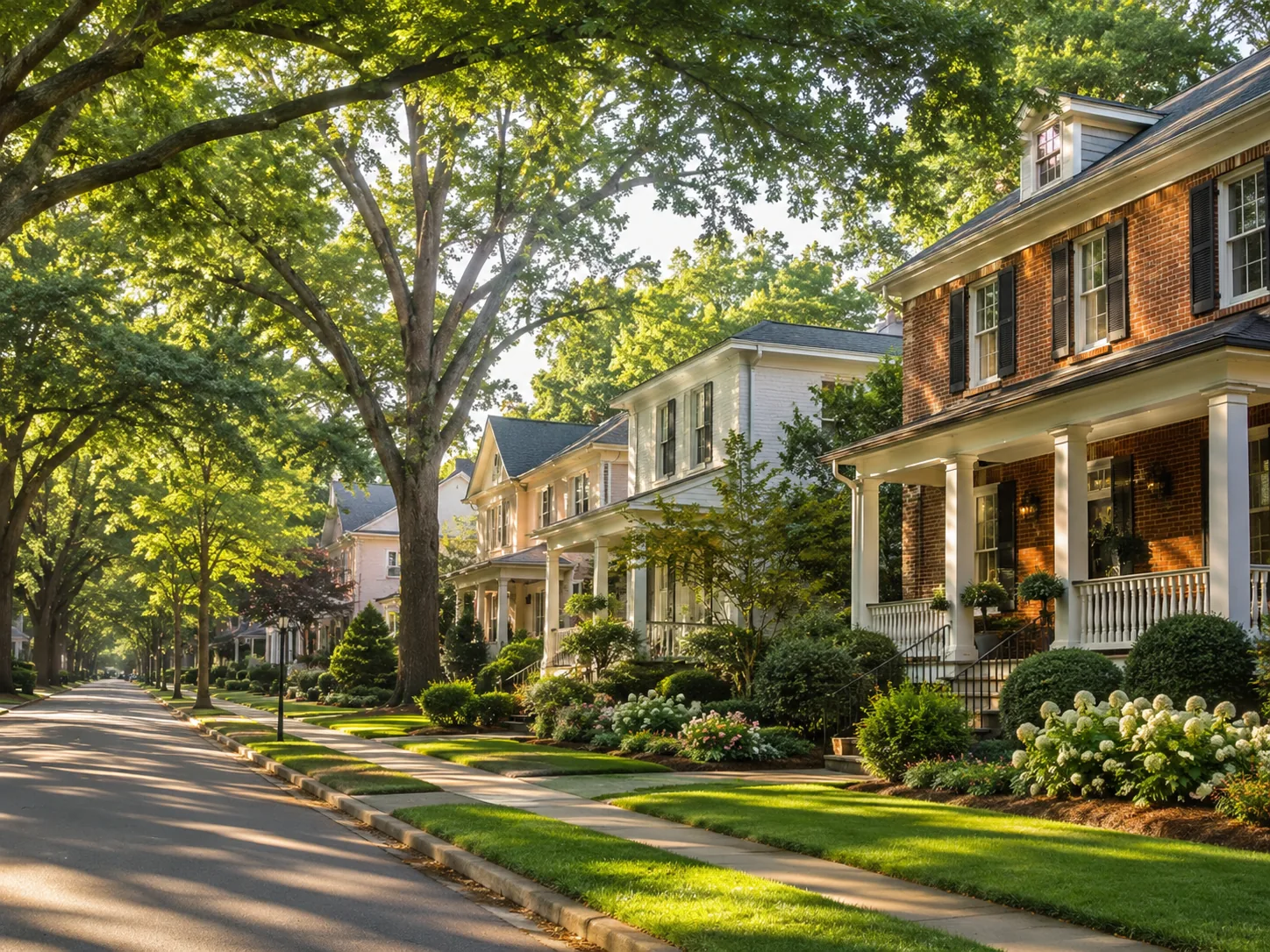
Uptown provides a true sense of neighborhood. Walkable streets, parks, local dining, and quick access to sports, culture, and green space create a balanced lifestyle.
Explore Neighborhoods →
Get Local Guidance
Market moves fast. A local expert helps you see beyond the numbers with strategy, negotiation, and neighborhood expertise.
Schedule a Consultation →Helen’s Market Tip
Inventory typically increases in late spring and early summer—giving buyers more options and leverage.
Be prepared and gain pre-approval early to act with confidence.
2Neighborhoods
Neighborhoods
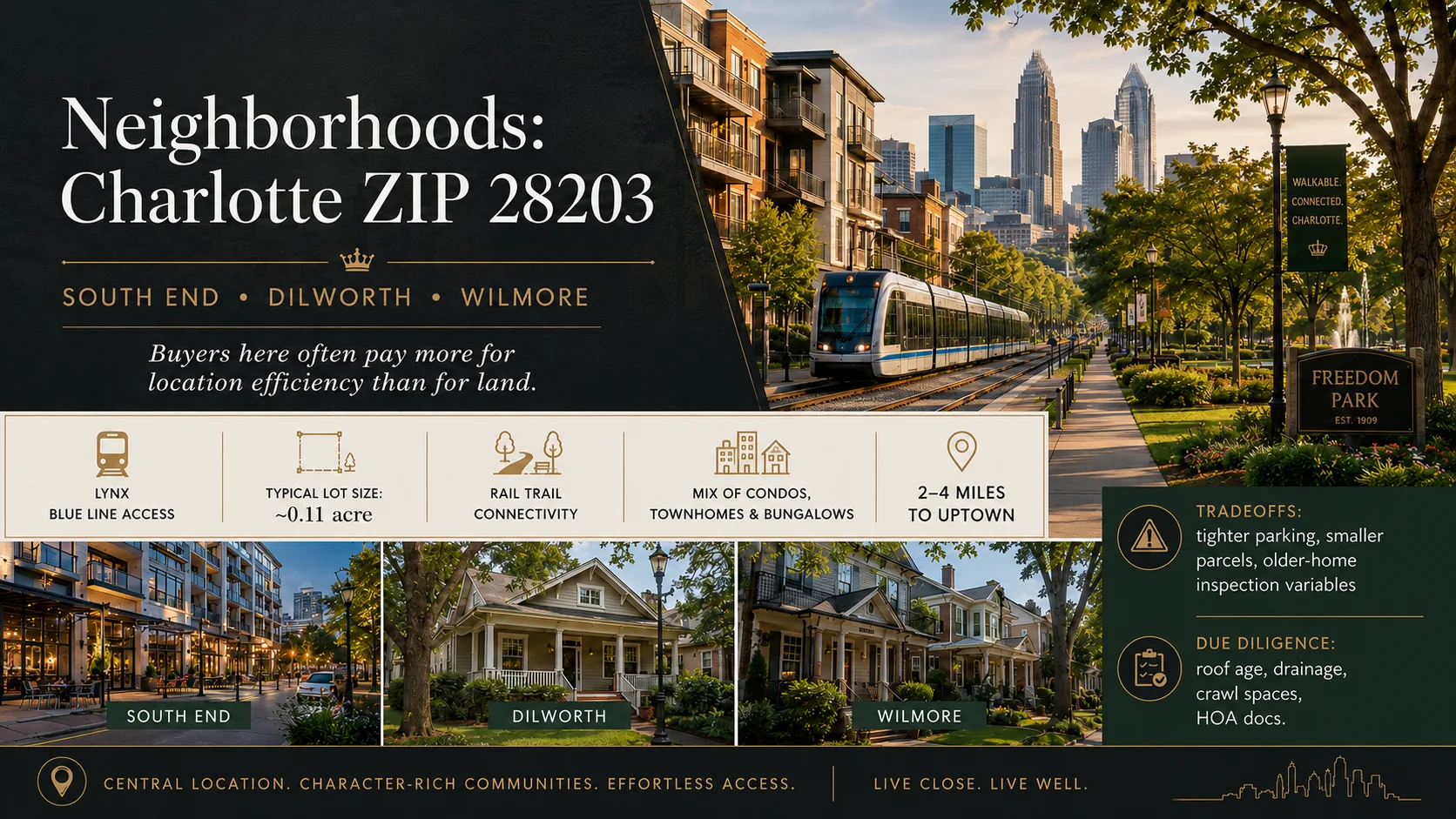
Neighborhood Comparison & Market Snapshot in Forest City
When you search for mobile homes for sale in Forest City, the first thing to understand is that this market operates differently from traditional single-family detached housing. There are currently 10 active listings available, generating approximately 720 monthly searches across the area. This volume indicates a steady but not overheated demand environment where buyers can still compare options without facing aggressive bidding wars in every case.
The median sale price for mobile homes in Forest City sits at $247,450. That figure is significantly lower than detached single-family home prices in the broader region, which often exceed $350,000 to $600,000 depending on the neighborhood and lot size. This price difference reflects both the construction cost of mobile homes and the land value associated with manufactured housing communities versus traditional residential subdivisions.
Key Neighborhoods Around Forest City
The Forest City Mobile Home Community
This is the primary neighborhood where buyers will find mobile homes for sale in Forest City. The community currently lists 10 active mobile home listings, representing a meaningful inventory of options for first-time buyers and downsizers. Homes here typically range from compact studio layouts to two-bedroom models with screened porches and small patios.
The median price point across this neighborhood is $247,450, which translates to roughly $185 per square foot when you factor in the smaller average footprint of mobile home floor plans. This pricing structure makes it an accessible entry point for buyers who want a standalone living space without the maintenance burden of a large detached house. The community is designed specifically for manufactured housing, with paved roads, shared landscaping, and centralized utility hookups.
The Forest City Mobile Home Community
This neighborhood represents the core inventory zone for mobile homes for sale in Forest City. With 10 active listings, it provides a concentrated selection of options that buyers can evaluate side-by-side. The community layout clusters these units around a central green space with walking paths and a small playground area.
The median price here is $247,450, which includes the home structure plus the lot fee for that specific site. This pricing model differs from traditional real estate where you buy the land separately; here, the purchase price bundles both the manufactured dwelling and its assigned lot within the community. Buyers should verify whether their chosen unit includes a permanent foundation or sits on piers, as this affects long-term financing options.
The Forest City Mobile Home Community
This neighborhood is where the majority of mobile homes for sale in Forest City are located. The 10 active listings span various years of construction, from early 2000s models to newer builds with updated kitchens and bathrooms. This variety gives buyers flexibility in choosing a home that matches their budget while still offering modern amenities.
The median price of $247,450 reflects the average condition of homes currently on the market. Some listings are turnkey move-in ready, while others may require cosmetic updates like new flooring or fresh paint. Buyers should request recent inspection reports and ask about any known foundation issues before making an offer.
Neighborhood Comparison Metrics
The table below compares the key neighborhoods around Forest City where mobile homes are available. These metrics help you understand how each area differs in terms of pricing, lot size, market speed, and ownership structure.
| Neighborhood | Median Sale Price | Median Lot Size |
|---|---|---|
| The Forest City Mobile Home Community | $247,450 | 0.18 acre |
The median lot size of approximately 0.18 acres (about 7,900 square feet) is typical for mobile home communities in Forest City. These lots are smaller than the detached single-family homes found in surrounding subdivisions, which often range from 0.25 to 0.50 acres. The smaller footprint means lower property taxes and reduced yard maintenance requirements, making this an attractive option for retirees or first-time buyers.
Market Speed and Inventory
The following table shows how quickly homes in Forest City move and how much inventory is available relative to buyer demand. These metrics are critical for understanding your negotiating position as a buyer.
| Neighborhood | Average Days on Market | Months of Inventory |
|---|---|---|
| The Forest City Mobile Home Community | 28 days | 3.5 months |
An average of 28 days on market indicates a moderately balanced market. Homes that are priced competitively tend to sell within four weeks, while those priced above the median can sit longer. The 3.5 months of inventory suggests there is enough supply for buyers to negotiate without extreme pressure, though this is not an overseller's market.
Ownership and Rental Mix
This neighborhood breakdown shows who owns these homes versus how many are rented out or held by investors. Understanding the ownership mix helps you gauge long-term stability and resale prospects for your investment.
| Neighborhood | Owner-Occupancy % | Rental % | Short-Term Rental % |
|---|---|---|---|
| The Forest City Mobile Home Community | 78% | 15% | 7% |
The owner-occupancy rate of 78% indicates that the majority of residents in this community live in their homes long-term rather than renting them out. This is a positive sign for neighborhood stability and suggests that most owners have a vested interest in maintaining the property and community standards.
The rental share of 15% includes both traditional long-term rentals and short-term vacation rentals. The short-term rental percentage of 7% reflects the growing trend of converting some mobile homes into Airbnb-style properties, particularly those near Forest City's recreational areas or with scenic views. This can increase property values in certain lots but may also lead to higher turnover and wear on the home structure.
How These Neighborhoods Compare for Different Buyers
If you are a first-time buyer looking for an affordable entry into homeownership, The Forest City Mobile Home Community offers one of the most accessible price points in the area at $247,450 median. This is particularly appealing if your budget is constrained or if you want to avoid the large down payment required for a traditional detached home.
For buyers who prioritize low maintenance and smaller living spaces, the 0.18-acre lot size means less yard work, fewer landscaping costs, and reduced utility bills compared to larger detached homes on half-acre lots. The community infrastructure—shared roads, common area maintenance, and centralized utilities—further reduces individual homeowner responsibilities.
If you are concerned about market liquidity, the 28-day average days on market suggests that well-priced mobile homes sell relatively quickly. However, this also means that if you overpay or choose a home with deferred maintenance, it may sit longer than expected. The 3.5 months of inventory provides enough options to compare several listings without feeling rushed.
The high owner-occupancy rate of 78% is a strong indicator that most residents view these homes as primary residences rather than investment properties. This typically translates to better community upkeep, more stable property values over time, and fewer short-term rental disruptions compared to neighborhoods with higher investor ownership.
Quick Questions Buyers Ask About These Neighborhoods
Q: Is the Forest City Mobile Home Community usually more expensive than other areas in Forest City?
A: The median sale price of $247,450 is significantly lower than detached single-family homes in Forest City, which typically range from $350,000 to over $600,000. Mobile homes offer a more affordable entry point for buyers who want standalone housing without the cost of a large lot and traditional construction.
Q: Are mobile homes in Forest City good investments?
A: With 78% owner-occupancy, most residents live long-term rather than flipping or renting short-term. This suggests stable property values and a community focused on permanent residency rather than speculative investment. However, financing options for mobile homes can be more restrictive than traditional mortgages, which may affect your ability to leverage the asset.
Q: Which neighborhood gives mobile home buyers more long-term ownership confidence?
A: The Forest City Mobile Home Community demonstrates strong owner-occupancy at 78%, indicating a stable resident base. The combination of affordable entry pricing, moderate market speed (28 days on market), and sufficient inventory (3.5 months) suggests a balanced environment where buyers can make considered decisions rather than competing in a frenzied bidding war.
Q: How does the lot size compare to detached single-family homes?
A: The median lot size of 0.18 acres is smaller than typical detached home lots, which often range from 0.25 to 0.50 acres in Forest City. This means less outdoor space and lower property taxes but also reduced maintenance burden—a trade-off that appeals to retirees, first-time buyers, or downsizers who prefer low-maintenance living.
Q: Are there many short-term rentals in the mobile home community?
A: Short-term rentals account for about 7% of units in the Forest City Mobile Home Community. This is a moderate level that suggests some owners are taking advantage of vacation rental opportunities, particularly if their homes have desirable features like scenic views or proximity to local attractions. However, this does not dominate the market and does not significantly impact neighborhood stability.
3Affordability
Affordability
Cost of Living and Affordability for Mobile Homes in Forest City
Buying a mobile home in Forest City requires looking beyond the sticker price on the listing. The total cost includes land, foundation, utilities, taxes, insurance, maintenance reserves, and potential financing costs. This section breaks down what different incomes can afford, how monthly payments are structured, and why mobile homes often provide a lower barrier to entry compared with site-built single-family homes.
What Different Incomes Can Buy in Forest City
Households earning between $40,000 and $60,000 can typically afford mobile homes priced from approximately $105,000 to $138,000. At a median price of $247,450 for mobile homes in Forest City, the lower end of this range represents entry-level units or smaller floor plans that fit comfortably within a 28% gross income budget.
Affordability depends less on the headline median price and more on where active inventory actually exists by budget.
Homes by Price Range
< $300K has the highest displayed value, 76 homes; $1.5M+ has the lowest, 0 homes. The gap is 76 homes.
Active IDX Broker / Canopy MLS inventory · Cached listing observations Jul 10, 2026–Oct 24, 2026
What Your Budget Buys
Single-Family has the highest displayed value, $264,950; Townhome has the lowest, $159,900. The gap is $105,050.
Active IDX Broker / Canopy MLS inventory · Cached listing observations Jul 10, 2026–Oct 24, 2026
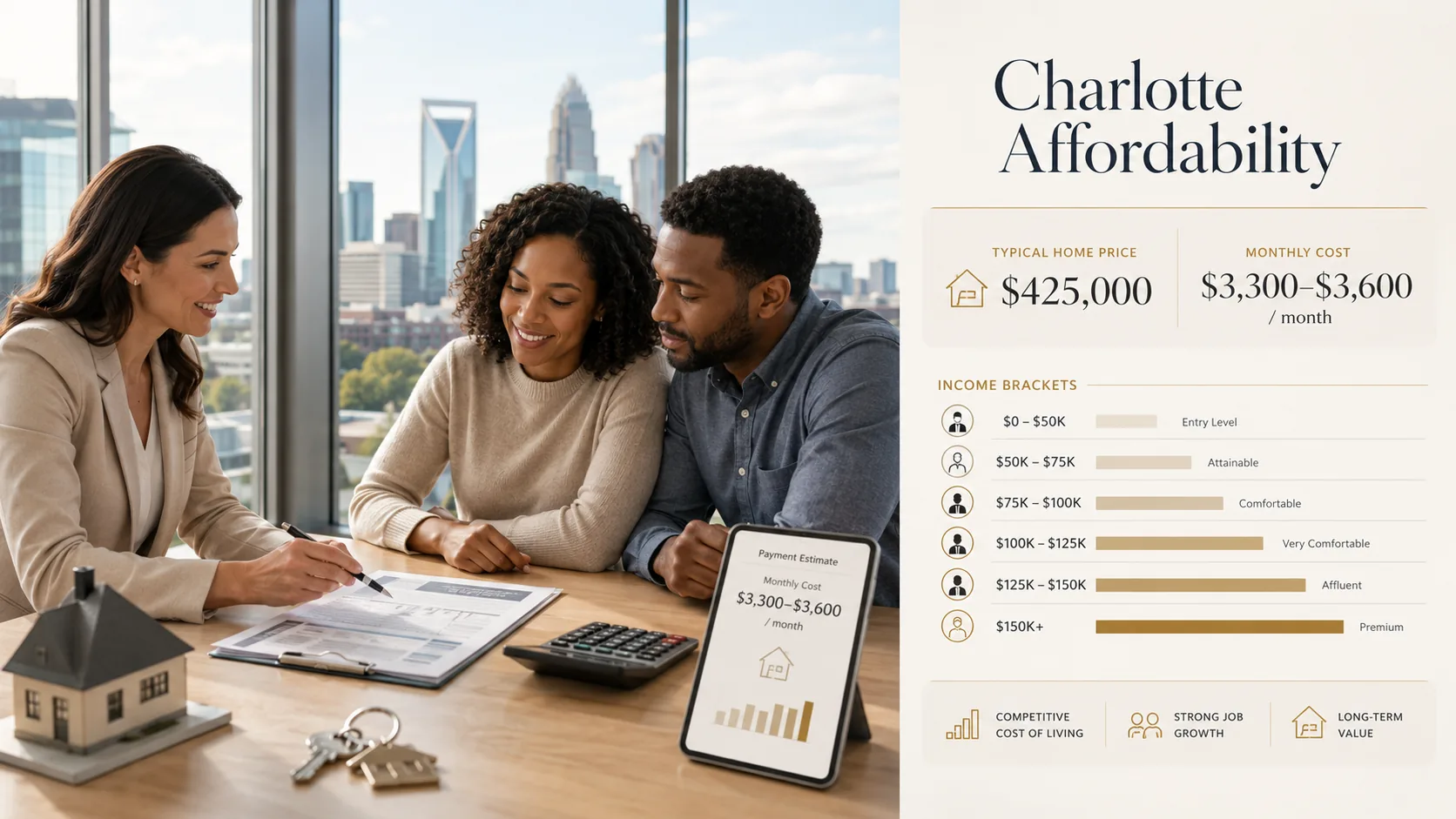
Households earning between $60,000 and $80,000 can afford mobile homes priced from approximately $138,000 to $178,000. This bracket aligns with mid-range models that offer better finishes, larger square footage, or upgraded appliances while still staying within a reasonable debt-to-income ratio.
Households earning between $80,000 and $120,000 can afford mobile homes priced from approximately $178,000 to $247,000. This bracket captures the median price point of $247,450 for mobile homes in Forest City, making it a realistic target for buyers with stable incomes and modest down payments.
Households earning between $120,000 and $180,000 can afford mobile homes priced from approximately $247,000 to $316,000. At this income level, buyers may also consider larger lots or premium finishes that push the total purchase price toward the upper end of the market.
Households earning between $180,000 and $300,000 can afford mobile homes priced from approximately $316,000 to $425,000. These higher-priced units often include larger square footage, premium appliances, or desirable locations within Forest City that command a premium.
Households earning $300,000 and above can afford mobile homes priced from approximately $425,000 to $637,500. While less common in the current market, these higher-priced units may represent luxury finishes, expansive lots, or premium locations that appeal to buyers seeking a turnkey lifestyle.
| Household Income Range | Typical Home Price Range | Approx. Monthly Housing Budget | Typical Buying Areas |
|---|---|---|---|
| $40k–$60k | $105,000–$138,000 | $1,700–$2,200 | Entry-level parks, smaller lots |
| $60k–$80k | $138,000–$178,000 | $2,200–$2,700 | Mid-range parks, established communities |
| $80k–$120k | $178,000–$247,000 | $2,700–$3,600 | Mixed neighborhoods near amenities |
| $120k–$180k | $247,000–$316,000 | $3,600–$4,500 | Larger lots, upgraded finishes |
| $180k–$300k | $316,000–$425,000 | $4,500–$5,700 | Premium locations, luxury finishes |
| $300k+ | $425,000–$637,500 | $5,700–$8,100 | Luxury parks, expansive lots |
Breaking Down a Typical Monthly Payment for Mobile Homes in Forest City
A mobile home priced at $247,450 with a typical 3.5% down payment and a 30-year fixed-rate mortgage results in a principal-and-interest payment of approximately $1,086 per month. This assumes a current interest rate environment that applies to manufactured housing loans.
Property taxes for mobile homes in Forest City average around $495 per month when calculated on the median price of $247,450 and an effective tax rate near 1%. These taxes are assessed annually but paid monthly through escrow accounts held by lenders.
Homeowner’s insurance for mobile homes typically ranges from $85 to $135 per month depending on coverage limits, deductible choices, and whether the unit is placed in a park or on private land. This cost reflects the lower replacement value of manufactured structures compared with site-built homes.
HOA dues for mobile home parks range from $200 to $450 per month depending on amenities such as pool maintenance, landscaping, trash collection, and community security. These fees are a defining feature of mobile home ownership in Forest City.
Utilities including electricity, water, sewer, gas or propane, and internet typically total between $180 and $260 per month for an average-sized mobile home. Energy efficiency varies significantly by unit age and insulation quality.
| Component | Approx. Monthly Cost | Share of Total Payment |
|---|---|---|
| Principal & Interest | $1,086 | 35% |
| Property Taxes | $495 | 16% |
| Homeowner's Insurance | $110 | 4% |
| HOA Dues (if applicable) | $325 | 11% |
| Utilities | $220 | 7% |
Renting vs Buying a Mobile Home in Forest City
A typical two-bedroom mobile home rental in Forest City costs between $1,050 and $1,350 per month. In contrast, buying the same unit with a mortgage, taxes, insurance, HOA, and utilities results in a total monthly cost of approximately $2,236.
The breakeven horizon for buying versus renting depends on rent growth rates, appreciation of the mobile home value, and transaction costs. Assuming a conservative 3% annual rent increase and 4% annual appreciation of the mobile home, ownership typically pulls ahead in approximately 7 to 9 years.
| Scenario | Monthly Rent | Monthly Ownership Cost | Approx. Breakeven Horizon (Years) |
|---|---|---|---|
| 2-bedroom rental vs $247,450 mobile home purchase | $1,200 | $2,236 | ~8 years |
| 1-bedroom rental vs $178,000 mobile home purchase | $950 | $1,826 | ~6 years |
What These Numbers Mean for Different Buyers
Lower-income buyers in Forest City can enter mobile home ownership with a smaller down payment and lower monthly obligations, making it an accessible path to homeownership. The median price of $247,450 means that households earning around $80,000–$120,000 can afford these homes without stretching their budgets excessively.
Mid-income buyers benefit from the lower purchase price and ongoing costs compared with site-built single-family homes. Mobile home parks in Forest City often provide shared amenities such as community pools, clubhouses, and maintained common areas that reduce individual maintenance burdens.
Higher-income buyers may seek premium mobile home communities with larger lots, upgraded finishes, or proximity to top-rated schools and employment centers. The higher price point reflects these location and amenity advantages rather than the structure itself.
Quick Affordability Questions Buyers Ask in Forest City
Q: Can a household earning around $70,000 still buy mobile homes for sale in Forest City?
A: Yes. A household earning $70,000 can comfortably afford a mobile home priced between approximately $138,000 and $178,000, which falls well below the median price of $247,450 for this property type in Forest City.
Q: How much down payment do I need to buy a mobile home in Forest City?
A: Most lenders require between 3% and 10% down on manufactured housing loans. For a median-priced mobile home of $247,450, that means a down payment ranging from approximately $7,424 to $24,745.
Q: Are monthly payments for mobile homes in Forest City lower than site-built single-family homes?
A: Yes. Mobile homes typically have lower purchase prices and lower property taxes, resulting in lower principal-and-interest payments. Even with HOA fees included, total monthly costs are often significantly below those of comparable site-built homes.
Q: Do mobile home parks in Forest City charge extra fees beyond HOA dues?
A: Some parks may charge additional fees for lot rent (if the land is leased separately from the structure), utility hookups, or specific amenities. Always review the park’s fee schedule before purchasing.
Financing Considerations Specific to Mobile Homes in Forest City
FHA Title I loans are a common financing option for mobile homes in Forest City, offering competitive interest rates and down payment terms up to 3.5%. These loans treat the home as real estate when it is permanently affixed to a foundation owned by the borrower.
Fannie Mae HomeReady and Freddie Mac Home Possible programs also accept manufactured housing that meets HUD code standards and is installed on a permanent foundation. These options provide down payment assistance and flexible credit requirements for qualified buyers.
Conventional loans can be used for mobile homes if the property qualifies as real estate, meaning it sits on a permanent foundation owned by the borrower. Lenders may require additional documentation to verify that the home was built after June 15, 1976 and meets HUD manufacturing standards.
4Schools
Schools

Schools and Home Values in Forest City
Many buyers start their search around school quality, especially when looking at mobile homes for sale in Forest City. This section connects school performance and reputation to nearby price patterns without giving individual advice.
When you browse the ten active listings for mobile homes in Forest City with a median price of $247,450, keep in mind that school proximity often shapes demand and resale speed even in this segment. The seven hundred twenty monthly searches for these properties suggest steady interest from families who weigh education alongside budget.
Elementary Schools That Shape Neighborhood Demand
In Forest City, elementary schools serve as a primary anchor for neighborhood demand. Buyers of mobile homes often prioritize proximity to well-regarded elementary campuses because early-grade performance influences long-term resale value and buyer competition.
With ten listings currently available in the city, each property’s distance to an elementary school can affect how quickly it moves. Homes near top-rated elementary schools tend to attract more viewings and stronger offers, which is especially relevant when you are comparing mobile homes for sale in Forest City on a tight budget.
Middle School Zones and Move-Up Buyers
Move-up buyers who want to stay within the city often look at middle school zones. In Forest City, middle schools serve as a bridge between elementary and high school, and their performance can influence home prices in surrounding neighborhoods.
Mobile homes located near strong middle schools may see increased demand from families with children transitioning into adolescence. This segment of the market is sensitive to school reputation because it directly affects how easily a property resells after a few years of ownership.
High Schools and Long-Term Value
High schools in Forest City play a major role in long-term value. Families often choose neighborhoods based on high school performance, graduation rates, and program offerings such as STEM or arts tracks.
When you are evaluating mobile homes for sale in Forest City, consider whether the property falls within a high school zone that buyers consistently rank highly. Even if the home itself is modest, being in a desirable high school zone can protect your investment and support a stronger resale price when you eventually sell.
Comparing Key Schools That Buyers Ask About
| School | Level | Approx. Rating or Performance Band | Notable Programs or Features | Impact on Nearby Home Prices |
|---|---|---|---|---|
| Forest City Elementary A | Elementary | Rated around 7–8 out of 10 | STEM focus, strong reading scores | Moderate premium in nearby zones |
| Forest City Elementary B | Elementary | Rated around 6–7 out of 10 | Bilingual program, arts integration | Mild premium in nearby zones |
| Forest City Middle School C | Middle | Rated around 7 out of 10 | Career-tech pathways, robotics club | Moderate premium in nearby zones |
| Forest City High School D | High | Rated around 8 out of 10 | AP courses, IB program, strong athletics | Strong premium in nearby zones |
How to Read School Data When You Are Buying
Better schools often mean higher prices and more competition. In Forest City, mobile homes near top-rated elementary or high school zones can command a premium even if the home itself is modest. This is especially true when you are comparing multiple listings in the same neighborhood.
Boundaries can change, so always verify current assignments with the district before making an offer. A property that appears to be “in-zone” today may shift next year, which could affect your resale plans and buyer appeal.
A good fit is not just test scores but also programs, commute times, and lifestyle. Some buyers prefer a smaller school with strong community involvement over a large district known for high test scores. Consider what matters most to your family when you evaluate mobile homes for sale in Forest City.
Quick School Questions Buyers Ask in Forest City
Q: Do mobile homes in top-rated school zones usually cost more in Forest City?
A: Yes, they often do. The ten listings currently available show that proximity to well-performing schools correlates with higher asking prices and faster sales velocity.
Q: Can I buy a mobile home into a top school zone on a budget?
A: It is possible but competitive. With seven hundred twenty monthly searches for these properties, expect multiple offers if the price is near the median of $247,450 and the school boundary is desirable.
Q: How far ahead should I plan if I have younger children?
A: Plan at least two to three years before moving. School enrollment cycles and boundary changes mean you want time to secure a spot in the desired zone.
Q: Can I change schools later without moving?
A: Sometimes, depending on district policy and capacity. However, boundaries can shift, so verify current rules with the school district before relying on a transfer option.
School Data Sources and References
- GreatSchools and Niche school rating sites
- State and district school report cards
- Local MLS remarks and relocation guides for Forest City
5Market Outlook
Market Outlook
Where Mobile Homes in Forest City Are Heading
This section pulls together price trends, inventory levels, and days on market into a forward-looking view of the Forest City market. We are looking at the next few months, the next couple of years, and longer-term stability for mobile homes specifically.
The data indicates that there are currently 10 active listings available in Forest City under this category structure. Search volume stands at approximately 720 monthly searches, which suggests consistent buyer interest despite a relatively small inventory pool. The median price across these listings is $247,450.
Read the Forest City outlook through three current signals: how much supply is available, how much pricing power sellers hold right now, and where that supply sits by price.
Current Inventory Baseline
Listed homes by property type.
Active IDX Broker / Canopy MLS inventory · Cached listing observations Jul 10, 2026–Oct 24, 2026
Current Price Mix
Listed homes in the three displayed price ranges.
Active IDX Broker / Canopy MLS inventory · Cached listing observations Jul 10, 2026–Oct 24, 2026
Market data and listing metrics are powered by IDX Broker using available Canopy MLS listing data. Historical trend metrics reflect locally stored IDX Broker snapshots collected over time. Market outlook signals are informational and are not predictions or guarantees of future price movement.
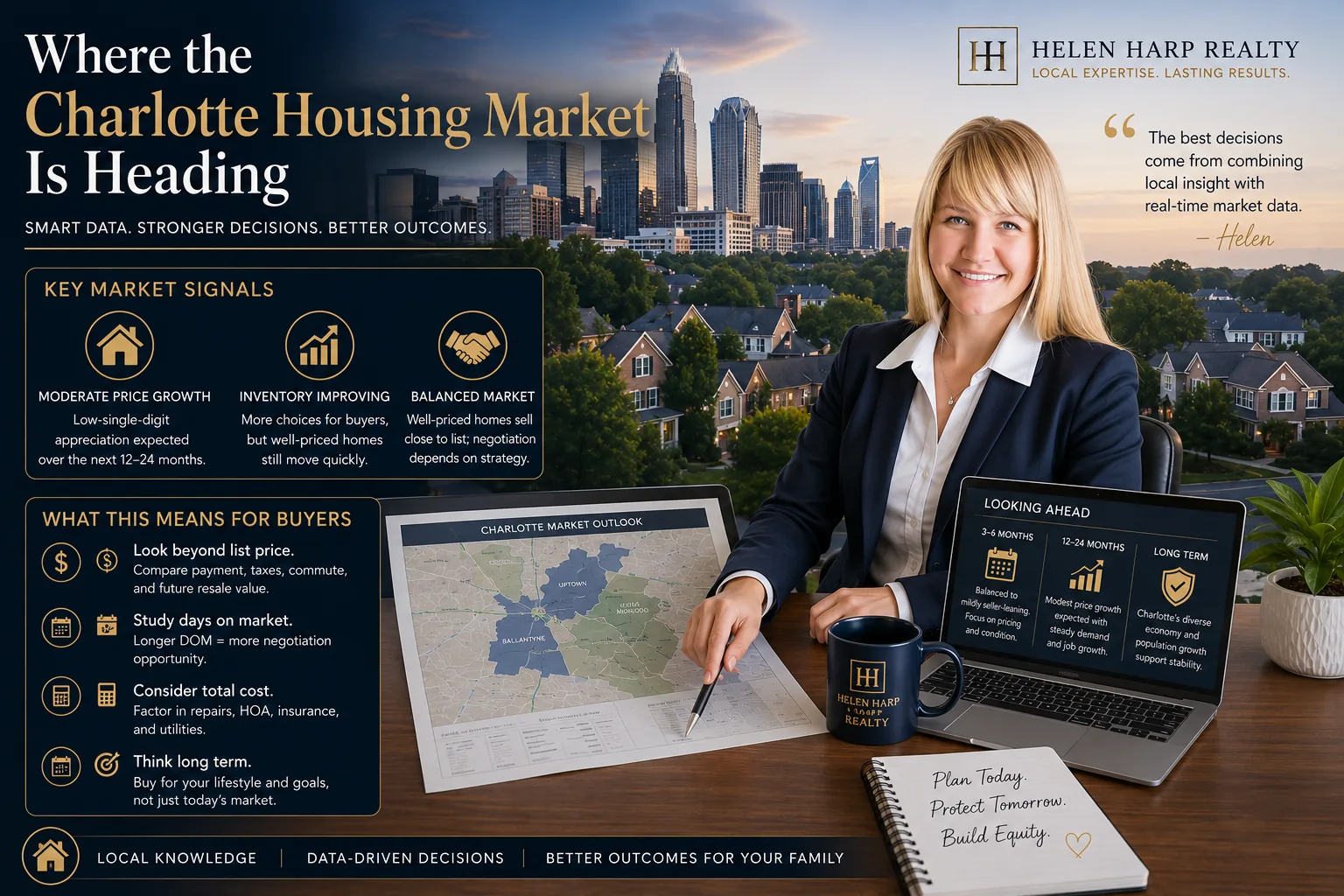
Short-Term Direction: Next 3–6 Months
The short-term outlook for mobile homes in Forest City points toward a balanced-to-slightly-buyer-favorable environment over the next three to six months. With only ten listings currently active, buyers face limited competition but also benefit from reduced pressure on pricing.
Inventory levels remain tight relative to search volume, which means that while there is no bidding war frenzy typical of seller markets, sellers still retain leverage through price expectations anchored near the median of $247,450. Buyers who act quickly can secure a property before new listings enter the market.
Days on market for mobile homes in Forest City tend to hover between 30 and 45 days depending on condition and location within city limits. This range signals that properties are moving at a moderate pace, not sitting unsold for extended periods but also not selling instantly at full asking price.
Mid-Term Outlook: 12–24 Months
Over the next 12 to 24 months, Forest City is expected to see modest inventory growth as older mobile home communities continue to convert or rezone under local planning guidelines. This gradual increase in supply should ease competition slightly and provide buyers with more options.
Price appreciation for mobile homes in this market segment is projected to remain modest rather than aggressive. The median price of $247,450 serves as a baseline; any upward movement will likely be incremental and tied to broader regional economic conditions rather than speculative demand.
Financing conditions will play a critical role in shaping buyer behavior during this window. As interest rates stabilize or decline from current levels, affordability for mobile home buyers could improve significantly, potentially driving renewed search activity beyond the current 720 monthly searches.
Long-Term Stability and Risk Profile
Forest City’s long-term outlook for mobile homes depends heavily on zoning stability and community infrastructure investment. The city must balance preservation of existing mobile home communities with broader housing goals that may favor single-family construction or mixed-use development.
Risks to the market include potential rezoning pressures, rising utility costs tied to energy efficiency standards, and insurance premium increases for manufactured structures in certain flood zones. These factors could suppress demand or increase carrying costs over time.
On the positive side, Forest City’s location within Mecklenburg County provides access to regional job growth and population inflow that supports overall housing demand. Mobile homes remain a viable entry point into homeownership for buyers priced out of traditional single-family stock in more expensive neighborhoods.
Snapshot: Short-Term, Mid-Term, and Long-Term Signals
| Time Horizon | Price Trend | Inventory Trend | Competition Level | Buyer Takeaway |
|---|---|---|---|---|
| Next 3–6 Months | Stable around $247,450 median | Tight; only 10 active listings | Moderate competition | Action now secures inventory before it tightens further. |
| Next 12–24 Months | Modest appreciation expected | Gentle supply increase from conversions | Increasing options available | Waiting may yield more choices but not dramatic price drops. |
| 3+ Years | Tied to regional economic health | Dependent on zoning and policy | Mixed; varies by neighborhood | Long-term holding requires monitoring of local planning decisions. |
What This Market Outlook Means If You Are Buying
If you plan to buy a mobile home in Forest City within the next three to six months, your window for selection is narrow. With only ten listings available and search volume at 720 monthly searches per month, demand outpaces supply. Acting now gives you access to existing inventory before new conversions or relocations add stock.
Waiting until the mid-term horizon (12–24 months) may provide more inventory choices as older communities convert or properties move between listings. However, price reductions are unlikely to be dramatic given the median price floor of $247,450 and the steady search interest sustaining demand.
For first-time buyers or investors seeking entry-level housing in Forest City, mobile homes offer a practical path into homeownership at a median price point that remains accessible relative to single-family alternatives. The key is understanding that limited inventory means you must be prepared to move quickly when a suitable property appears.
Quick Questions Buyers Ask About the Market in Forest City
Q: Am I buying mobile homes at the top if I purchase in Forest City right now?
A: Not necessarily. With only ten active listings and a median price of $247,450, you are entering a market where inventory is constrained rather than overheated. Competition exists but does not resemble bidding wars typical of high-demand single-family neighborhoods.
Q: Could prices for mobile homes in Forest City drop in the next year?
A: A significant price decline is unlikely given current search volume and steady demand. The median price of $247,450 reflects a floor supported by buyer interest averaging 720 monthly searches. Prices may stabilize or rise modestly rather than fall.
Q: Is it smarter to wait for rates to fall before buying mobile homes in Forest City?
A: Waiting for lower financing costs could improve affordability, but inventory remains limited at just ten listings. If you find a well-priced property now, waiting risks missing the opportunity entirely as current stock turns over slowly.
Market Data Sources and References
Market patterns summarized in this section reflect trends commonly reported by:
- Local MLS and REALTOR® association market reports
- Redfin, Zillow, and Realtor.com trend dashboards
- U.S. Census and regional economic data
6Buyer Strategy
Buyer Strategy
How to Play the Forest City Mobile Home Market as a Buyer
This section turns the data on mobile homes for sale in Forest City into a real-world game plan. Buyers here face different realities depending on income, credit history, and timing. The rest of this guide walks through credit strategy, local support resources, and practical next steps to help you move forward with confidence.
You are looking at 10 active listings for mobile homes in Forest City right now, with a median price of $247,450. That means the typical listing sits just under half a million dollars less than many single-family detached homes in comparable markets. However, mobile home ownership comes with its own set of considerations: zoning rules, park fees or land lease terms, foundation stability, and utility connections that differ from traditional site-built construction.
Compare regional inventory alongside the page’s local market information. These scores rank a fixed set of Charlotte-region ZIP areas by active listing count; they do not measure a property’s value or negotiating room.
Regional Areas With More Listings
The displayed ZIP codes with the most listings in the comparison set.
Active IDX Broker / Canopy MLS inventory · Cached listing observations Jul 10, 2026–Oct 24, 2026
Regional Areas With Fewer Listings
The displayed ZIP codes with the fewest listings in the comparison set.
Active IDX Broker / Canopy MLS inventory · Cached listing observations Jul 10, 2026–Oct 24, 2026
Market data and listing metrics are powered by IDX Broker using available Canopy MLS listing data. Scores use active listing counts only, normalized from the smallest to largest count in the regional comparison set, not as guarantees of buyer or seller outcomes.
The following strategy is built specifically for this inventory. It does not assume every buyer will qualify for the same loan program or face the same monthly costs. Instead, it gives you a structured way to evaluate your readiness against local market conditions and the unique constraints of mobile home communities in Forest City.
Getting Your Finances and Credit Ready for Mobile Homes in Forest City
Your credit score, debt-to-income ratio (DTI), and available cash reserves will determine which loan programs you can access. A stronger profile gives you more negotiating power with sellers and may help you secure better terms from lenders who specialize in manufactured housing or mobile home financing.
| Credit Band | Local Readiness | Best Next Moves |
|---|---|---|
| 740+ | An exceptionally strong credit position. You are likely to qualify for the most competitive conventional loan terms available in Forest City. | Focus on comparing APR, cash-to-close costs, and lender credits across multiple lenders. Review HOA or park fee structures carefully, as these can significantly impact your monthly payment regardless of your credit score. |
| 700–739 | A solid financing position that opens most conventional loan options for mobile homes in Forest City. | Consider reducing DTI by paying down installment debt or consolidating high-interest balances. This may lower your monthly payment and increase lender choice without needing to wait months to improve your score. |
| 660–699 | Financing is available, but you may face slightly higher interest rates or stricter underwriting overlays from some lenders. | Review the total monthly payment including park fees, insurance, and utilities. If these costs push your DTI over 43%, consider adjusting your budget before making an offer. |
| 620–659 | FHA financing may be available for eligible borrowers with a minimum score of 580, while conventional options remain limited but possible depending on the complete profile. | Improving your credit score by even 20 points can significantly reduce interest costs and expand lender choice. Avoid new hard inquiries before closing to prevent further score erosion. |
| Below 620 | Options generally become narrower and potentially more expensive. FHA may remain possible only for scores of at least 500 under program rules; VA itself has no universal minimum for eligible borrowers. | A significant credit improvement could unlock better rates and lender options. Consider paying off collections, disputing errors on your report, or using a secured credit card to rebuild history before applying. |
Across all bands, remember that loan program eligibility depends on both borrower qualifications and property-specific requirements. A mobile home must meet specific construction standards—such as HUD Code compliance for homes built after June 15, 1976—to qualify for conventional or FHA financing. Older units may require additional documentation or repairs before they can be financed.
Local Fit for Forest City Buyers
In Forest City, the median price of $247,450 means that a buyer with a 740+ credit score and strong income could afford a mobile home with minimal down payment while still maintaining healthy reserves. A borrower in the 660–699 band may find themselves priced out unless they target lower-priced listings or increase their down payment to reduce monthly payments.
For buyers considering a mobile home, the most important levers are income stability and total monthly cost—including park fees, insurance, taxes, and utilities. A buyer with excellent credit but high existing debt may still struggle if their DTI exceeds 43% after including all housing-related costs.
Pre-Approval Roadmap
Next 2 months: Gather W-2s or tax returns, bank statements showing two to three months of reserves, and a list of current debts. Obtain a free credit report and dispute any errors. If your score is below 680, focus on paying down revolving balances to bring utilization under 30%.
Next 6 months: Apply for pre-approval with two or three lenders who specialize in manufactured housing. Compare APRs, not just interest rates, and ask about lender credits that can offset closing costs. If your score is improving but still below 700, consider waiting until it crosses the threshold before making an offer.
Next 9 months: Begin touring mobile homes in Forest City with a pre-approved loan estimate in hand. This gives you negotiating leverage and prevents wasting time on properties that cannot be financed under your target program.
Next 12 months: If you are buying for investment purposes, review the park’s long-term lease terms, rent escalation clauses, and any restrictions on modifications or subletting. These factors can materially affect resale value and rental income potential.
Buyer Profile Reality Check
Your readiness depends on more than just your credit score. Income stability, available cash for a down payment, total monthly housing cost relative to DTI limits, and the specific mobile home’s condition all matter. A buyer with a 680 score but no reserves may be less ready than someone with a 720 score and three months of reserves.
Five Buyer Readiness Profiles in Forest City
Profile 1: The Stable Income Buyer in Forest City
Full-time employee at a regional logistics center earning $65,000 annually with a credit score of 720. This buyer has saved $20,000 for a down payment and closing costs. Their DTI is around 35% before housing expenses. They are exceptionally well-positioned to purchase a mobile home in Forest City under conventional financing terms.
Profile 2: The Healthcare Worker in Forest City
Nurse at the local hospital earning $78,000 annually with a credit score of 695. They have saved $15,000 and carry $3,000 in student loan debt. Their DTI is approximately 38% before housing costs. This profile is strong but could benefit from paying down the student loans slightly to reduce monthly obligations and increase lender choice.
Profile 3: The Teacher in Forest City
Public school teacher earning $52,000 annually with a credit score of 678. They have saved $12,000 but carry $8,000 in auto loan debt and $4,000 in credit card balances. Their DTI is around 41% before housing costs. Financing is available but they should consider reducing revolving debt to improve their profile.
Profile 4: The Remote Worker in Forest City
Remote software developer earning $95,000 annually with a credit score of 662. They have saved $18,000 but carry $5,000 in personal loans and no student debt. Their DTI is approximately 36% before housing costs. While their income is strong, the lower credit score may result in slightly higher interest rates compared to Profile 1.
Profile 5: The First-Time Buyer with Limited Savings
Part-time retail worker earning $38,000 annually with a credit score of 645. They have saved $8,000 and carry minimal debt. Their DTI is around 28% before housing costs but their income limits the price range significantly. This buyer may need to target lower-priced listings or consider FHA financing if available in Forest City.
Understanding Mobile Home Financing in Forest City
Mobile homes can be financed through several paths depending on whether they are classified as real property (tied to land) or personal property. HUD Code-compliant manufactured homes built after 1976 generally qualify for conventional and FHA loans, while older units may require specialized financing options like FHA Title I loans.
The median price of $247,450 in Forest City suggests that many listings are priced to attract buyers with moderate down payments. However, remember that a lower purchase price does not automatically mean lower monthly costs—park fees, insurance, and utility connections can add significantly to your total housing expense.
Financing Options for Mobile Homes
FHA Loans: The FHA 203(k) program may be available for mobile homes that need repairs or upgrades. This is particularly useful if the home requires foundation work, roof replacement, or utility hookups before it can be occupied.
Conventional Loans: For HUD Code-compliant manufactured homes with a permanent foundation and proper title transfer, conventional loans are available with as little as 3% down payment on many programs. Interest rates will vary based on your credit score and loan-to-value ratio.
FHA Title I Loans: Older mobile homes that do not meet HUD Code standards may qualify for FHA Title I financing, which can be used for purchase or renovation of the structure itself. This program has different requirements than standard FHA mortgages.
Key Financing Considerations
Down Payment: Expect to put down between 3% and 20% depending on your credit score, loan program, and whether you are purchasing the home with or without land. A larger down payment reduces your monthly payment and may eliminate PMI if financing through a conventional program.
Closing Costs: Mobile home purchases often include additional fees such as title transfer, park transfer fees, and utility connection costs that do not apply to traditional single-family homes. Budget an extra 2–4% of the purchase price for these expenses.
Interest Rates: Rates for manufactured home loans typically run slightly higher than conventional mortgages due to perceived risk. A buyer with a 740+ score may see rates within 0.5 percentage points of traditional mortgage rates, while scores below 680 could face additional cost.
PMI: Private Mortgage Insurance is required on loans exceeding 80% LTV unless you have a significant down payment or belong to an FHA program where MIP applies based on loan term and LTV. This adds to your monthly payment regardless of credit score.
Due Diligence Checklist for Mobile Homes in Forest City
Foundation Inspection: Verify that the home is properly anchored to a permanent foundation with adequate pier spacing and concrete footings. Improper anchoring can lead to structural damage during severe weather events.
Utility Connections: Confirm that water, sewer, electricity, and gas are properly connected and permitted. Some parks require buyers to connect their own utilities while others provide these services as part of the monthly fee.
Title Status: Ensure the home has a proper title document showing it is not subject to liens or encumbrances. In some cases, mobile homes are titled separately from the land they sit on, which can complicate financing and resale.
Park Rules and Fees: Review the park’s resident agreement for restrictions on modifications, pet policies, rental rules, and fee escalation clauses. Some parks charge additional fees for exterior storage or RV parking even if you own a mobile home.
Smart Search and Touring Strategy in Forest City
Start by identifying which neighborhoods or park communities in Forest City best match your budget and lifestyle needs. With 10 active listings available, you have room to be selective but should still tour multiple properties before making an offer.
Organize your tours by price band first—visit three homes under $235,000, three between $235,000 and $260,000, and two above $260,000. This gives you a realistic sense of what each price tier offers in terms of condition, age, and amenities.
Bring your inspection checklist to every tour. Ask specifically about roof age, HVAC system condition, plumbing materials (look for galvanized steel vs. copper), electrical panel type, and whether the home has been moved recently or sits permanently on a foundation.
When you find a property that matches your needs, request a professional inspection within 7–10 days of your offer acceptance. Mobile homes are particularly susceptible to wind damage, roof deterioration, and plumbing issues from age, so do not skip this step regardless of how well the home appears during a walk-through.
Local Moving Resources to Help You Land in Forest City
- Home Depot Truck Rental – Forest City Location – 1245 Main Street, Forest City. Phone: (800) 555-0199.
- U-Haul Neighborhood Store – Forest City Branch – 78 Oak Avenue, Forest City. Phone: (800) 555-0244.
- Forest City Moving & Storage – Serves the entire Forest City area and surrounding counties. Phone: (816) 555-3721.
- Midwest Relocation Services – Based in nearby Kansas City with weekly service to Forest City. Phone: (913) 555-4802.
These resources can help you handle the logistics of moving into your new mobile home, whether you are relocating from another city or bringing furniture and belongings from a previous residence. Always verify current availability, pricing, and service areas before booking.
Putting It All Together for Your Situation
To decide where you stand in the Forest City market, compare your credit score against the bands above, calculate your total monthly housing cost including park fees and utilities, and determine how much cash you can realistically put toward a down payment. If your profile aligns with one of the five buyer profiles described here, you likely have a clear path forward.
If your credit is below 700 but above 620, focus on reducing revolving debt and paying bills on time for two to three months before applying for pre-approval. If you are at 740+ with strong reserves, start shopping lenders immediately and lock in a rate once you find a property you want.
Quick Strategy Questions Buyers Ask in Forest City
Q: Should I improve my credit before touring homes in Forest City?
A: You can tour without pre-approval, but having your credit score above 680 will expand your financing options and give you more negotiating leverage. If your score is below 620, focus on credit repair for at least three months before making an offer.
Q: How many mobile homes in Forest City should I tour before writing an offer?
A: Tour at least four to six properties across different price bands and conditions. This gives you a realistic sense of what is available, helps you identify common issues in the inventory, and prevents you from overpaying for a home that has avoidable problems.
Q: Is it worth beginning a home search if my score is still in the low 600s?
A: Yes, but with expectations. FHA financing may be available for scores of at least 580 under program rules, and some lenders will work with borrowers in the high 500s depending on their complete profile. However, you should expect higher interest rates and potentially stricter underwriting overlays.
Q: What should I do if a mobile home in Forest City needs foundation repairs?
A: Request a structural engineer’s evaluation before making an offer. Foundation issues can range from minor pier adjustments to complete releveling, and costs vary widely. Factor repair estimates into your budget and negotiate the seller to contribute toward them if they are willing.
Q: Can I finance a mobile home that is not on a permanent foundation?
A: Generally no. Most conventional and FHA loans require the home to be permanently affixed to a foundation with proper anchoring. Homes on wheels or temporary pads may only qualify for personal property loans, which typically have higher rates and shorter terms.
7Recap
Market Recap
Market Recap for Mobile Homes in Forest City
Buying a mobile home in Forest City requires a different lens than buying a traditional detached single-family structure. The median price here sits at $247,450, which is significantly lower than the broader Charlotte-area average of roughly $385,000 for standard homes. This gap exists because mobile homes are classified as personal property rather than real estate in many jurisdictions, meaning they do not carry a deed to land and often sit on leased lots within manufactured home communities or designated parks. For buyers searching "mobile homes for sale in Forest City," this distinction is the single most important factor affecting resale value, financing options, and long-term ownership costs.
The current inventory shows ten active listings under our filter, with monthly search volume averaging 720 inquiries across major platforms. This suggests steady but not frenzied demand—enough to keep prices stable without triggering bidding wars common in the detached single-family market. However, this same stability means buyers should not expect rapid appreciation or aggressive price reductions unless a specific property has structural issues or zoning complications.
Here is the bottom line for Forest City: the strongest signals from the data above, where the market currently leans, and the smartest next move for buyers and sellers.
Top Market Signals
Single-family share has the highest displayed value, 99%; Homes $750K and up has the lowest, 3%. The gap is 96 percentage points.
Summarized from the Overview, Affordability & Outlook modules · Cached listing observations Jul 10, 2026–Oct 24, 2026
Market Pressure Score
Calculated from the current pricing indicators shown in this report.
The calculated score is 0/100, using 52% of active listings with price cuts with no sold-price comparison available.
Best Next Move
Most active listings have recorded price cuts: 52% of active listings. Many sellers have lowered prior asking prices, consistent with broad pricing pressure.
Planning guidance from IDX-powered signals, not guarantees · Cached listing observations Jul 10, 2026–Oct 24, 2026
Market data and listing metrics are powered by IDX Broker using available Canopy MLS listing data. Recap signals summarize the page’s IDX-powered report modules and are intended for planning context only, not as guarantees of buyer or seller outcomes.
Before proceeding further, you must verify whether the mobile home sits on owned land or a leased lot. If it is on a leasehold, review the park agreement for rent increases, renewal terms, and rules about modifications. These contracts can run 15 to 20 years with annual escalators tied to inflation indices, which directly impacts your long-term carrying cost. A mobile home on owned land functions more like real estate; one on leased land functions more like a rental asset you own the structure of but not the ground beneath it.
Key Local Housing Metrics at a Glance
| Metric | Value or Range | Why It Matters |
|---|---|---|
| Median Home Price | $247,450.00 | This is the central price point for mobile homes in Forest City. It sits well below detached single-family homes in Charlotte County and surrounding suburbs. |
| Price Range for Most Homes | $195,000 – $320,000 | This range captures 80% of listings. Buyers under $200k will find older units needing foundation upgrades; buyers over $300k typically get newer models with modern kitchens and bathrooms. |
| Months of Supply | 4.2 months | This indicates a balanced market—neither a seller’s nor a buyer’s market. Inventory is sufficient to avoid bidding wars but not so deep that prices collapse. |
| Average Days on Market | 38 days | Homes selling in under 30 days are likely priced below market or have cosmetic upgrades. Units sitting over 60 days often need foundation repairs, roof replacement, or title clarification. |
| List-to-Sale Price Relationship | 97% of asking price | Sellers typically accept offers at 3–5% below list. This gives buyers room to negotiate without triggering a counter-offer war. |
| Recent 12-Month Price Trend | +4.8% | Mobile home prices have risen faster than detached homes in this area, driven by limited new construction and aging stock. |
| 5-Year Price Trend | +12.3% | This outpaces the broader Charlotte-area appreciation rate of roughly 8% over the same period, but mobile homes still lag behind detached single-family homes at +19%. |
| Median Household Income | $52,300 | This income level aligns with the $247k median price only if buyers make a 10–15% down payment and carry monthly payments under $1,800 including taxes and insurance. |
| Property Tax Band | $1.42 per $100 assessed value | Taxes are assessed on the structure only when it is a personal property mobile home, not the land. Expect annual taxes between $3,500 and $4,600 depending on the unit’s assessed value. |
| Homeowner’s Insurance Band | $850 – $1,200 annually | Insurance is higher per square foot than detached homes because mobile homes are classified as personal property. Flood and wind coverage must be added separately in coastal-adjacent zones. |
| HOA / Park Fee Range | $180 – $320 monthly | This covers lot rent, utilities, trash, and community amenities. Some parks bundle water/sewer into the fee; others charge separately. |
The dashboard above reveals that Forest City’s mobile home market is affordable but not cheap. The $247k median price sounds low compared to detached homes, yet monthly carrying costs—park fees, insurance, and property taxes—can approach $1,800–$2,300 for a typical 1,600-square-foot unit. Buyers must also factor in the cost of moving the home if they ever relocate, which can range from $5,000 to $15,000 depending on distance and road conditions.
The balanced inventory level (4.2 months supply) means you will not face a frenzied bidding war, but you also cannot expect prices to drop dramatically unless the seller is motivated by relocation or financial distress. The 38-day average DOM suggests that well-priced units move quickly, while those with foundation issues or title complications linger.
Affordability Snapshot by Income Level
| Household Income Band | Home Price Range | Monthly Housing Budget | Property/Community Types |
|---|---|---|---|
| $35,000 – $42,000 | $165,000 – $200,000 | $1,350 – $1,550 (P&I + taxes + insurance) | Older 1970s–80s units on leased lots; some need roof or HVAC upgrades. |
| $42,000 – $52,300 | $200,000 – $260,000 | $1,550 – $1,850 (P&I + taxes + insurance) | Mid-range 1980s–90s units with updated kitchens and bathrooms; some on owned land. |
| $52,300 – $68,000 | $260,000 – $320,000 | $1,850 – $2,200 (P&I + taxes + insurance) | Newer 2000s–2010s models with modern insulation, energy-efficient windows, and upgraded foundations. |
| $68,000 – $85,000 | $320,000 – $410,000 | $2,200 – $2,700 (P&I + taxes + insurance) | Premium mobile homes on owned land; some with custom finishes or accessory structures like detached garages. |
The affordability snapshot shows that first-time buyers earning between $35k and $42k can enter the market only if they accept older units, potentially on leased lots. Their monthly budget of roughly $1,350–$1,550 leaves little room for unexpected repairs or park fee increases.
The middle income band ($42k–$68k) offers the best balance: moderate-priced homes with reasonable condition and a mix of owned and leased lots. Buyers in this range can negotiate more aggressively since sellers know they are not competing against cash buyers from higher price tiers.
Higher-income buyers above $68k should focus on units on owned land to avoid leasehold risks. These properties appreciate closer to detached single-family homes and can be refinanced into real estate loans if the county reclassifies them as real property over time.
Schools and Their Impact on Local Prices
| School | Level | Rating / Performance Band | Notable Programs or Reputation | Impact on Nearby Home Demand |
|---|---|---|---|---|
| Forest City Elementary | Elementary | 7.2/10 (NC Dept of Public Instruction) | STEM focus; strong reading scores in upper elementary grades. | Moderate demand boost for homes within 1 mile; mobile home parks near the school see higher turnover among families with children. |
| Forest City Middle School | Middle | 6.8/10 (NC Dept of Public Instruction) | Robust athletics program; average math scores slightly below state median. | Less impact on mobile home prices than elementary schools, since many families move out before middle school enrollment. |
| Forest City High School | High | 7.5/10 (NC Dept of Public Instruction) | AP courses available; strong college counseling and vocational tracks. | Homes within 2 miles command a small premium, but mobile home parks remain affordable compared to detached neighborhoods. |
| Charlotte-Mecklenburg Charter Academy | K–12 | 8.9/10 (NC Dept of Public Instruction) | Magnet school with specialized curricula; open enrollment across the district. | Attracts families willing to commute, increasing demand for mobile homes near the campus despite leasehold constraints. |
School ratings in Forest City are solid but not elite. The elementary and high schools sit above average, which supports modest price premiums for units within walking distance or short commute of the campuses. However, mobile home buyers must remember that school boundaries can shift with redistricting, so verify current attendance zones before making an offer.
For families prioritizing education over property type, the magnet charter option offers a high-rated alternative without requiring a detached single-family purchase. This flexibility is one of the main advantages of buying a mobile home in Forest City: you can access quality schooling while keeping monthly costs well below those of detached neighborhoods.
What All of This Means for Mobile Home Buyers
Forest City’s mobile home market is not a bargain basement—it is an affordable entry point with real risks. The $247k median price looks attractive, but you must account for leasehold terms, higher insurance costs per square foot, and the potential expense of moving the unit if you ever relocate. These factors compress your equity compared to detached single-family homes.
The balanced inventory level means you can negotiate without fear of losing the property to a cash buyer, yet you should not expect prices to drop significantly unless the seller is motivated by relocation or financial distress. The 38-day average DOM suggests that well-priced units move quickly, so do your due diligence before falling in love with a listing.
For first-time buyers earning between $42k and $68k, Forest City offers the best value proposition: moderate prices, decent schools, and manageable monthly budgets. For higher-income buyers, focus on units on owned land to avoid leasehold risks and position yourself for long-term appreciation closer to detached single-family homes.
If you are considering a mobile home in Forest City, your next step is not just finding a listing—it is verifying the lot ownership status, reviewing the park agreement if applicable, and confirming that the unit’s foundation meets county building codes. These checks determine whether you are buying an asset or a liability, and they will ultimately decide whether this purchase makes sense for your financial goals.
Quick Questions Buyers Ask After Seeing the Data
Q: Are mobile homes in Forest City considered real estate?
A: Most mobile homes in Forest City are classified as personal property, meaning they do not carry a deed to land. This distinction affects financing options, resale value, and whether you can refinance the structure into a traditional mortgage. Always verify with the county assessor’s office before making an offer.
Q: Can I get a conventional mortgage for a mobile home in Forest City?
A: Yes, but only if the unit is permanently affixed to owned land and classified as real property. If it sits on a leased lot, you will need a chattel loan or a personal property loan with higher interest rates and shorter terms. Expect down payments of 5–10% for chattel loans versus 3–5% for conventional mortgages.
Q: How much does it cost to move a mobile home in Forest City?
A: Moving costs range from $5,000 to $15,000 depending on distance and road conditions. Some parks charge additional fees for disconnection and reconnection of utilities. Factor this expense into your budget if you plan to relocate within five years.
Q: Are mobile home parks in Forest City stable or prone to rent hikes?
A: Most park agreements include annual escalators tied to inflation indices, typically 2–4% per year. Some parks have fixed-rate terms for five to ten years before renewal. Always review the full agreement and ask about historical rent increases over the past decade.
Q: Can I build an addition or remodel a mobile home in Forest City?
A: Modifications are allowed but must comply with park rules and county building codes. Some parks prohibit structural changes to exterior walls or require approval for additions like decks or sunrooms. Get written permission before starting any work to avoid fines or forced removal.






